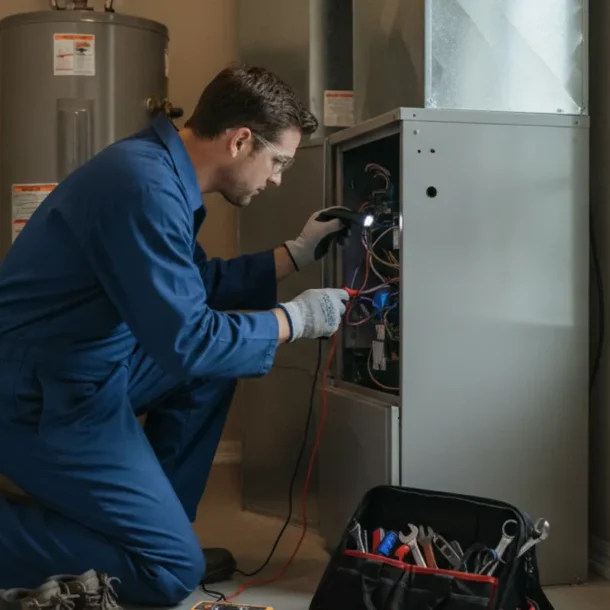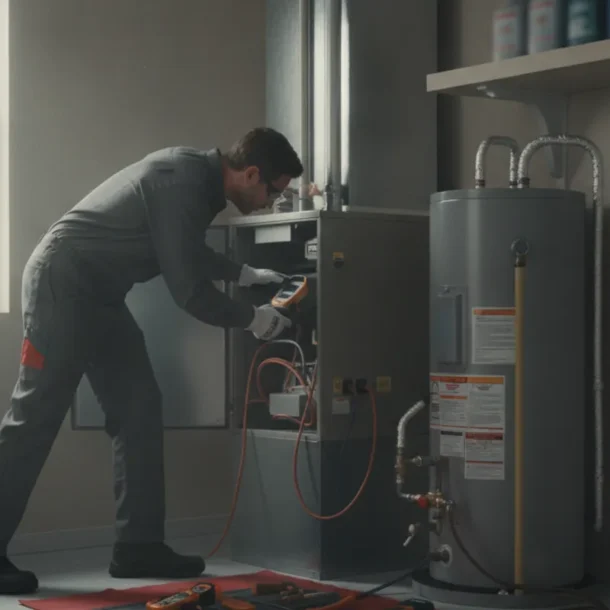
When your furnace is not heating, a few basic checks can help you decide whether there is a simple setting issue or a problem that needs professional attention.
Quick answer: Confirm the thermostat is set to Heat, check the power switch and breaker once, inspect an accessible air filter, and make sure vents are not blocked. If the furnace still does not warm the home, repeatedly shuts off, or shows signs of damage, stop troubleshooting and arrange service. Do not open sealed equipment or work on gas or electrical parts. If you suspect a gas leak, smoke, fire, or carbon monoxide exposure, leave the building and seek emergency help from a safe location.
Set the thermostat to Heat and raise the set point a few degrees above the current room temperature. Check that the display is on and replace its batteries if the model uses them and the display indicates they are low. A schedule, setback, or accidental change to Cool or Off can also explain why the home feels cold. After adjusting the setting, wait several minutes for the system to respond rather than switching modes repeatedly.
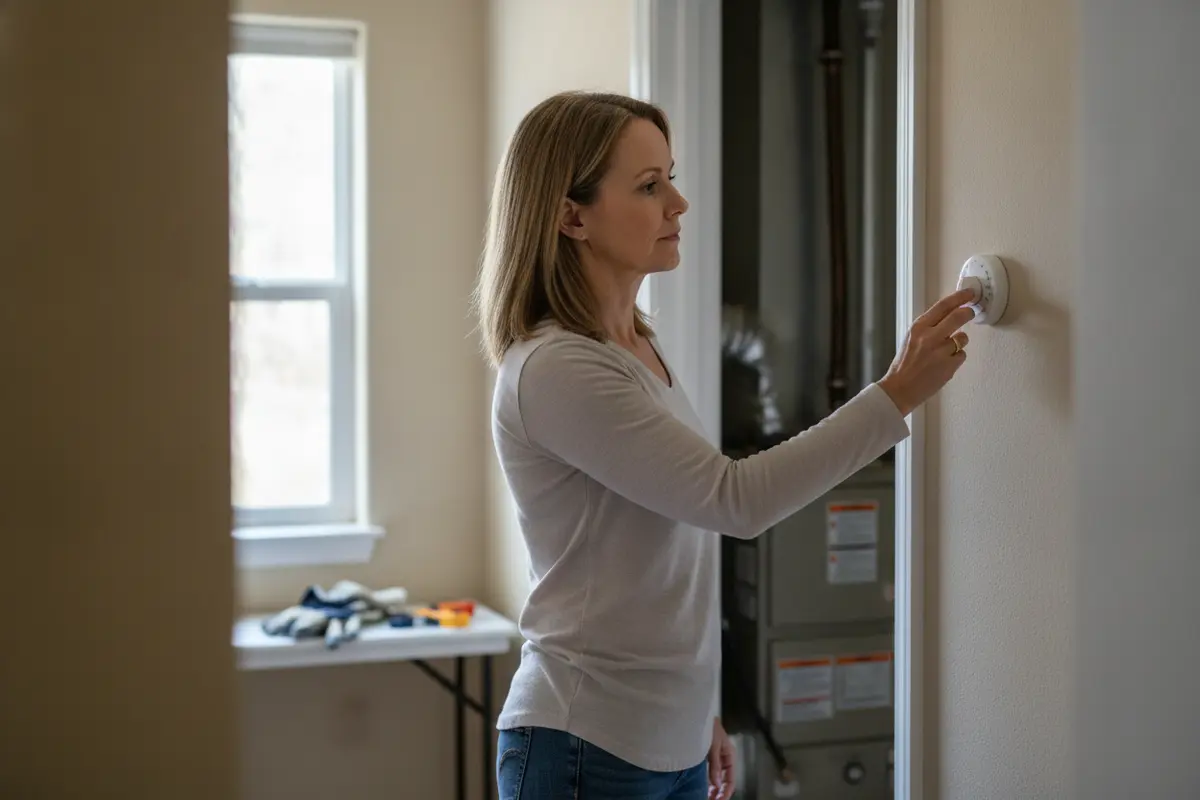
If you are unsure how to use a particular setting, check the equipment instructions or review this thermostat guide for homeowners. Do not remove the thermostat from the wall or handle its wiring as part of a basic check.
Some furnaces have a nearby service switch that looks like an ordinary light switch. Check that it has not been turned off accidentally. You may also look at the electrical panel for a tripped breaker. If the breaker is tripped, one reset is a reasonable basic check; if it trips again, leave it off and arrange professional help. Repeated resetting is not a repair and can expose an electrical fault to continued power.
Do not remove a furnace access panel to reach an internal switch, inspect wiring, or look for a reset button. If you are uncertain which breaker serves the equipment, do not guess by repeatedly switching breakers. Report what you observed to the technician.
A visibly dirty filter can restrict airflow and contribute to overheating or repeated shutdowns. If the filter is easy to reach without removing equipment panels, check its size and condition. Replace it only with the correct type, fit it in the direction shown by the airflow arrow, and never run the system without a filter. Filter needs vary by system and home, so follow the equipment guidance rather than assuming every filter has the same replacement interval.
Check that return grilles and supply registers are not covered by furniture, rugs, curtains, or stored items. Keep vents open unless your system instructions say otherwise. Closing many registers to push more heat to one room can interfere with designed airflow. A blocked grille is easy to correct; duct repairs or changes to system settings should be left to a professional.
Symptoms can help describe the problem, but they do not prove which component has failed. Your useful role is to notice what happens, perform only safe checks, and communicate the pattern clearly.
If there is no sound, airflow, or response, check the thermostat setting, visible power switch, and breaker once. A blank thermostat display may point to a power or battery issue, but it does not identify the cause on its own. If the display is working and the equipment stays silent, do not open the cabinet to search for a control or fuse. Note whether the issue began after a power interruption, thermostat adjustment, or other change, then request service if the basic checks do not restore operation.
Air moving from a register does not necessarily mean the furnace is producing heat. Check that the thermostat is in Heat and give the system a short time to respond. Compare a few registers and note whether the air is room temperature, mildly warm, or distinctly cool. If the blower continues but the home does not warm, stop changing settings and arrange an inspection. Share whether airflow seems normal or weak throughout the home; that distinction helps the technician understand the symptom without making a premature diagnosis.
Repeated starts and stops can happen for several reasons, including restricted airflow or a system fault. Check an accessible filter and make sure vents and return grilles are clear. If the cycling continues, do not keep switching the furnace off and on or resetting power. Record roughly how often it starts and stops, whether it produces warm air during each cycle, and whether a thermostat message appears.
A single cold room is different from a furnace that produces no heat anywhere. Check that the room’s register is open and not blocked. Then note whether the issue affects one room, one floor, or several parts of the home. Do not close a number of other vents to redirect heat, and do not attempt to seal, disconnect, or modify ductwork. If uneven heating is recurring, tell the technician which rooms are affected and whether the problem changes with weather or time of day.
A new grinding, banging, or persistent rattling sound deserves attention, particularly when it appears along with poor heating. A brief dusty smell when a heating system is first used after a long idle period may differ from a strong, persistent, or worsening burning odor. Do not dismiss an unusual smell or try to locate its source inside the furnace. If you see smoke, flames, damaged wiring, water around equipment, or corrosion, stop using the system if it is safe to do so and seek appropriate help.
| What you notice | Safe check | What to do next |
|---|---|---|
| No display or response | Check thermostat batteries and visible power supply | Request service if normal power and settings do not restore operation |
| Air moves but feels cool | Confirm Heat mode and inspect an accessible filter | Arrange an inspection if the home does not warm |
| Starts, then stops repeatedly | Check the filter and accessible vents once | Stop repeated resets and report the cycling pattern |
| Only some rooms feel cold | Open the room register and clear obstructions | Note the affected rooms for a system and airflow assessment |
| Gas odor, smoke, or suspected carbon monoxide | Do not investigate or operate switches in the affected area | Leave and contact emergency help from a safe location |
If you smell gas or suspect a leak, do not use flames, electrical switches, phones, or appliances in the affected area. Leave the building and contact emergency services or the gas utility from outside or another safe location. If a carbon monoxide alarm sounds or anyone has concerning symptoms such as headache, dizziness, nausea, or confusion, get everyone outside and seek emergency assistance. Do not re-enter until authorities say it is safe. The Centers for Disease Control and Prevention provides public health and safety information; urgent suspected exposure requires immediate action, not online troubleshooting.
For a broader home-safety perspective on consumer products and household hazards, consult the U.S. Consumer Product Safety Commission. These resources do not replace emergency response or an inspection of your specific equipment.
Contact a qualified HVAC professional if the thermostat, power, filter, and accessible vents appear normal but the furnace still does not heat. The same applies when a breaker trips again, the furnace repeatedly shuts down, cold air continues, or you notice water, corrosion, or visible damage near the equipment. Do not open the cabinet, bypass a safety control, or attempt a gas or electrical repair.
Garland Heating and Air Conditioning is family-owned and has served the Dallas Fort Worth area since 1952. The company provides heating installation and replacement along with HVAC repair and maintenance. You can learn more about its DFW service area or request help through the contact page.
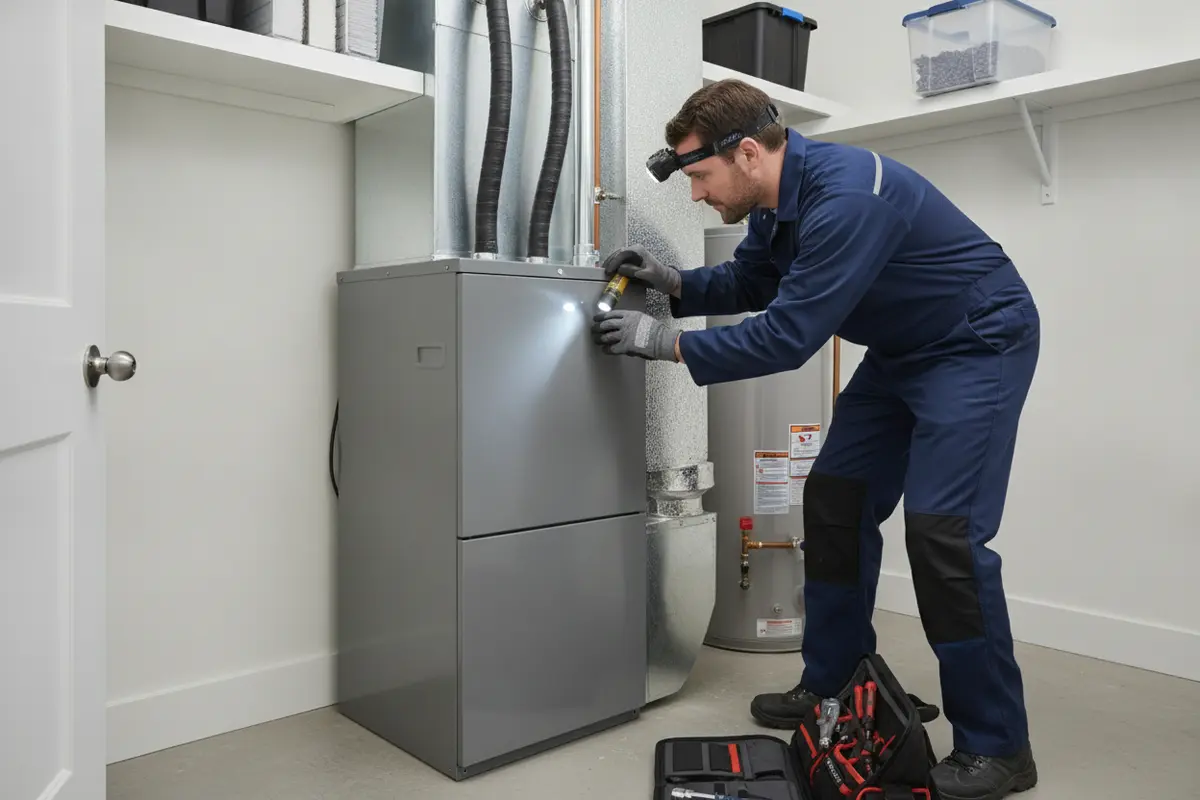
Write down when the issue began, whether the furnace starts, how long it runs, and whether the blower moves air. Note whether the air feels cool or warm and which rooms are affected. If there is a thermostat message or an indicator visible without opening the equipment, record the wording or take a photo. Avoid describing a suspected part failure as fact; observations are more useful than a guess.
Mention a recent filter change, thermostat adjustment, power outage, unusual weather, or repair if relevant. Tell the service professional which basic checks you completed and what happened afterward. If the breaker tripped, say whether it was reset and whether it tripped again. If you heard a new sound or smelled an odor, describe when it occurs and whether it persists. Disclose a safety concern at the start of the conversation.
If an exterior label is easily visible, note the furnace make and model and approximate age. Do not remove a panel or move equipment to find a label. Also have your address, a reliable contact method, and the system’s location in the home ready. Garland Heating and Air Conditioning serves the Dallas Fort Worth metroplex, including communities such as Garland, Richardson, and Plano. Its company background describes its local history and services.
One no-heat symptom does not determine whether replacement is necessary. Ask the technician to explain what was observed, what is confirmed, and what additional testing—if any—is needed. Consider the condition of the whole system, its maintenance and repair history, reliability, and whether it has had recurring problems. Age can be part of the discussion, but age alone does not prove that a furnace should be replaced.
For a repair recommendation, ask what work is included, which problem it addresses, and whether any safety concern affects continued operation. For a replacement recommendation, ask why repair is not the preferred option and what equipment and work the proposal includes. A clear explanation should distinguish the known fault from possible future concerns.
Pricing is quote-based and depends on the equipment and work involved. Request a customized written quote, then compare what each proposal includes: equipment or parts, labor, related work, stated terms, and any follow-up recommendations. Ask whether the recommendation addresses the underlying issue or only a symptom. Do not assume two proposals cover the same work because their summary descriptions sound alike.
For a replacement discussion, Garland’s heating installation and replacement information explains the relevant service route. Homeowners planning a broader system change can also read the Texas guide to installing a new HVAC system and the DFW furnace installation guide. These resources can help prepare questions; the right solution still depends on an assessment of the home and equipment.
Check filters periodically and replace them according to their type, condition, and the equipment instructions. Keep return grilles clear of furniture and household items. If the filter size or type is uncertain, consult the furnace documentation or ask during a service visit instead of forcing a filter that does not fit. For broader upkeep, see this HVAC maintenance guide.
When practical, test the thermostat and notice whether the system starts and delivers warm air before the coldest weather arrives. This is not a substitute for maintenance or a complete inspection, but it may give you time to seek help if the system behaves differently than expected. Pay attention to new noises, repeated cycling, uneven heating, or weak airflow. Make a note of when these changes happen instead of waiting until the system stops completely.
Do not use an oven or an outdoor fuel-burning appliance to heat a home. If you use a portable heater, follow its manufacturer instructions and keep it away from objects that can ignite. In a cold snap, prioritize household safety and seek appropriate help if the home’s heat is out.
North Texas temperatures can change quickly, so take a no-heat situation seriously without attempting a hazardous repair. Move household members to a comfortably warm area, use extra clothing and blankets, and keep exterior doors closed where practical. If a portable heater is used, follow its instructions, place it on a stable surface, and keep it clear of bedding, curtains, and other items that could catch fire. Never use a kitchen oven, grill, or outdoor fuel-burning equipment to warm indoor space.
If someone in the home is especially vulnerable to cold, consider a safe alternate place to stay while the furnace is out. Do not wait for the system to fail completely if it is already cycling, making a new noise, or struggling to heat rooms. Contact a service provider and explain the current conditions and any safety concern. Garland Heating and Air Conditioning offers 24/7 emergency service availability, as documented by the company; ask about the appropriate service option for your situation.
When you make a service request, say whether the home has no heat at all or whether some rooms remain warm. Mention any children, older adults, or other household needs that affect the situation, but do not assume a particular arrival time. Describe the furnace behavior and the checks already made, and disclose a gas odor, smoke, alarm, or suspected exposure immediately. If there is an active hazard, leave and contact emergency responders rather than waiting for a scheduled HVAC visit.
Allow several minutes for the system to respond after selecting Heat and raising the set point above room temperature. The exact response varies by system and circumstances. If the furnace does not start or the home remains cold, avoid repeatedly changing the thermostat; check only the other basic items described above and arrange service if the problem persists.
No. Check the accessible filter and make sure vents are clear once, but repeated shutdowns should not be treated as a reset routine. Frequent cycling can have different causes that need inspection. If a breaker trips again, leave it off and contact a professional.
No. Do not remove sealed access panels, handle wiring, adjust gas components, or bypass a safety control. These steps can expose you to hazards and may worsen the problem. Share externally visible information and let a qualified professional inspect the equipment.
Not necessarily. A blocked register or uneven airflow can affect one room while the furnace continues heating elsewhere. Check that the register is open and unobstructed, then note which rooms are affected. If the pattern continues, have the system assessed rather than closing other vents or modifying ductwork.
For a thermostat setting, accessible filter, or blocked register, a simple correction may restore normal operation. A repeated shutdown, breaker that trips again, persistent cool airflow, or visible damage calls for professional attention rather than more resets. If there may be a gas leak, fire, or carbon monoxide exposure, leave first and seek emergency help.
Tell the technician what the furnace did, when it began, which rooms are affected, and what safe checks you made. A precise description helps the professional decide what to inspect; it does not require you to diagnose or dismantle the system. Garland Heating and Air Conditioning is a family-owned HVAC provider serving the Dallas Fort Worth metroplex since 1952. For context on common system components, you can also review this homeowner’s HVAC system guide.
Check only the thermostat, visible power, accessible filter, and airflow paths; if those steps do not restore heat, stop and arrange professional service rather than guessing at the cause.