How long does a furnace last? There is no single number that applies to every home, but the equipment’s condition, installation, workload, maintenance, and repair history can tell you far more than age alone.
Schedule a furnace service visit
Short answer: A furnace may continue heating a home for many years, yet its practical service life ends when it can no longer provide dependable, safe, and reasonably predictable operation. A professional assessment can help you understand whether a diagnosed issue is a sensible repair or whether it is time to compare replacement options. Garland Heating and Air Conditioning has served the Dallas Fort Worth area since 1952 and can discuss heating installation and replacement needs based on your home and system.
When homeowners ask about furnace life, they may mean several different things. A furnace can still turn on while providing uneven comfort, needing repeated repairs, or operating with a problem that should not be ignored. On the other hand, an older unit may continue to serve a home acceptably when it is properly maintained and its condition is understood.
Operating life is the period when the equipment can run. Dependable life is the period when it can heat the home consistently without a pattern of disruptive failures. Safe, practical life also considers the condition of combustion, electrical parts, controls, airflow, and the surrounding installation. These ideas do not always end on the same date.
That is why a calendar age should start a conversation rather than end it. Two furnaces installed in the same year may have different histories. One may have received regular attention and had balanced airflow. Another may have experienced neglected filters, repeated cycling, poor duct conditions, or years of unresolved symptoms.
Age remains useful because older equipment may have more wear, older controls, and fewer practical repair paths. It can also help you plan before a failure occurs. Find the installation information if it is available, record past repairs, and ask for the age to be confirmed during service. Do not treat an age estimate as a verdict by itself.
A furnace is part of a larger heating system. Its service life is influenced not just by the cabinet and burner or heating elements, but also by the way the system was selected, installed, operated, and supported.
Correct sizing, suitable equipment, sound connections, and a properly configured control system all matter. A system that does not match the home’s heating needs may run in an uncomfortable pattern. Installation details can also affect airflow, noise, temperature balance, and the load placed on components.
If you are considering a new system, review Garland Heating and Air Conditioning’s heating installation and replacement service. Ask what equipment is being proposed, what installation work is included, and whether the existing ductwork and thermostat require attention.
Restricted airflow can affect comfort and make equipment operate under more strain. A filter that is loaded with dust, an obstructed return, closed supply registers, or duct problems may all contribute to poor airflow. The correct filter type and replacement interval depend on the equipment, home, occupants, and conditions.
For general indoor-air guidance, the U.S. Environmental Protection Agency’s indoor air quality resources explain why source control, ventilation, and filtration are relevant to indoor conditions. That information does not diagnose a furnace or establish a lifespan, so have equipment-specific concerns assessed by a qualified professional.
Heating demand varies by weather, insulation, windows, home layout, thermostat settings, and occupancy. Long run times are not automatically a failure, and short cycling does not automatically mean replacement is required. Either pattern deserves context. A technician may need to consider the thermostat, airflow, sizing, controls, and heat source before recommending work.
Maintenance cannot promise a particular number of years, but it can provide an opportunity to identify changes before they become a complete loss of heat. Prompt attention may also prevent a small issue from becoming a larger system problem. Keep service records, including the date, symptoms, diagnosed cause, and work performed.
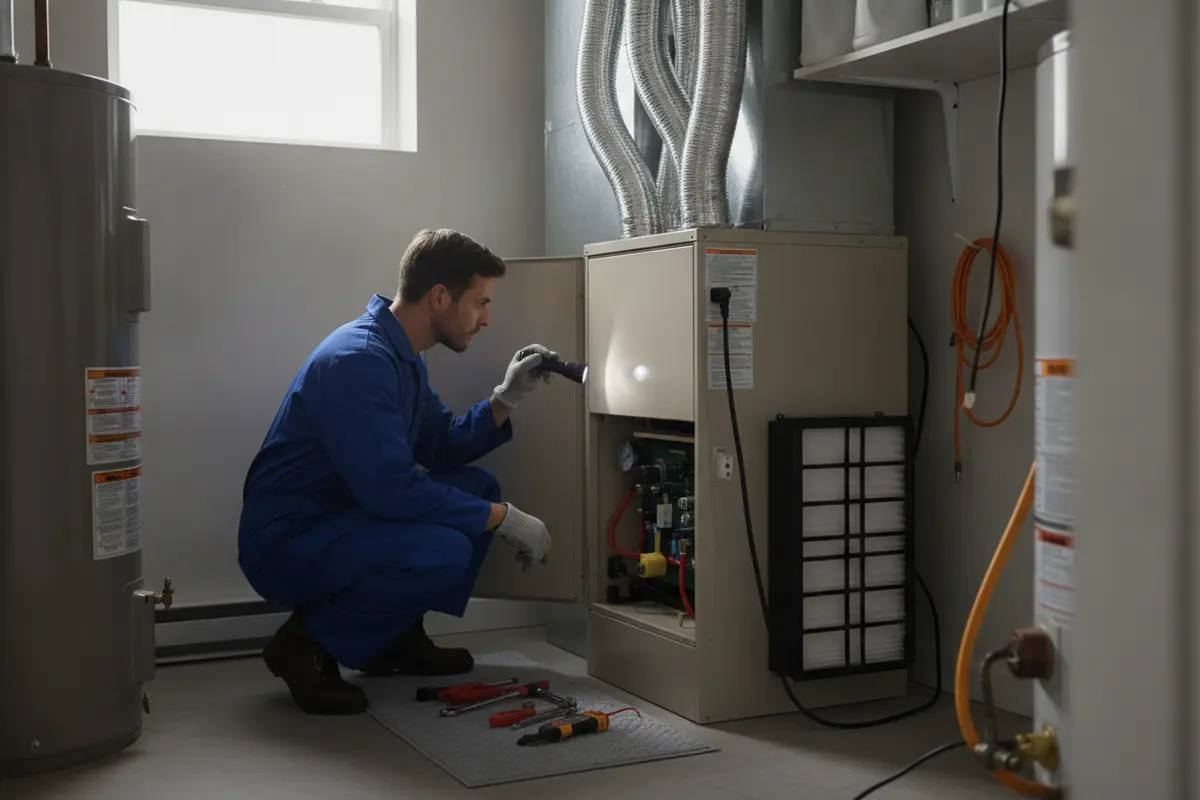
A symptom does not prove that a furnace has reached the end of its service life. It does indicate that guessing may be a poor substitute for diagnosis, particularly when the change is new, persistent, or connected to a safety concern.
For no heat or another urgent heating problem, use the contact page to request heating help. Garland Heating and Air Conditioning also offers emergency service availability; explain the symptoms and urgency when you reach the company.
The repair-versus-replacement decision should combine the diagnosis, the system’s overall condition, comfort needs, expected use, and the scope of the proposed work. A low-cost isolated repair may be reasonable on an older furnace in otherwise serviceable condition. A substantial repair on equipment with several unresolved concerns deserves a comparison with replacement.
| Consideration | Repair may fit when… | Replacement deserves comparison when… |
|---|---|---|
| Current condition | The diagnosed issue is limited and the rest of the system is in acceptable condition. | Inspection finds several concerns, deterioration, or recurring faults. |
| Repair pattern | The problem is isolated and correction is expected to restore dependable operation. | Service calls or repairs are becoming frequent, disruptive, or difficult to plan. |
| Comfort | The home heats adequately once the identified issue is corrected. | Uneven comfort or control problems continue after appropriate checks and repairs. |
| Planning | You need a practical short-term solution and understand the repair’s scope. | You want to compare a significant repair with a planned installation before failure. |
| System fit | Existing equipment and duct conditions remain suitable for continued use. | The system no longer fits the home’s comfort needs or installation conditions. |
Before authorizing a repair, ask which component or condition caused the symptom, what testing supports the diagnosis, what the repair includes, and what other findings were observed. Ask whether the proposed work addresses the cause or only one visible symptom. You should also ask what change would indicate that further service is needed.
If replacement is recommended, compare more than the equipment name or headline price. Ask about removal, setup, duct connections, controls, electrical or gas connections, commissioning, disposal, and any work needed to make the system fit the home. Pricing is quote-based. Contact Garland Heating and Air Conditioning for a customized quote instead of relying on a generic online figure.
Waiting may be reasonable when a furnace is working reliably and an inspection does not identify a pressing concern. It may be less comfortable when the system has repeated failures, cannot maintain temperatures, or has a symptom that affects safe operation. Planning ahead gives you time to review options, ask questions, and schedule work rather than making a decision during an unexpected cold spell.
Write down when the problem occurs, which rooms are affected, whether the thermostat reaches its setting, and whether the issue follows a filter change or power interruption. Note unusual sounds, smells, fault codes, and recent service. A short timeline can make the service conversation more useful.
Confirm that the thermostat has the intended setting and that an accessible filter is installed in the correct direction. Keep supply and return openings clear. If the system has a normal user-accessible switch and you know its purpose, check that it has not been switched off accidentally. Do not remove access panels or work on gas, electrical, combustion, or sealed components.
Have the equipment model if it is readily available without opening the cabinet, the approximate installation year, recent invoices, and any warranty documents. Tell the technician about additions, remodeled rooms, comfort changes, or duct alterations. If you are considering replacement, explain how long you expect to remain in the home and which rooms matter most.
Good care is a series of ordinary decisions rather than a promise of a specific lifespan. The goal is to maintain suitable airflow, notice changes early, and avoid operating conditions that should have been corrected.
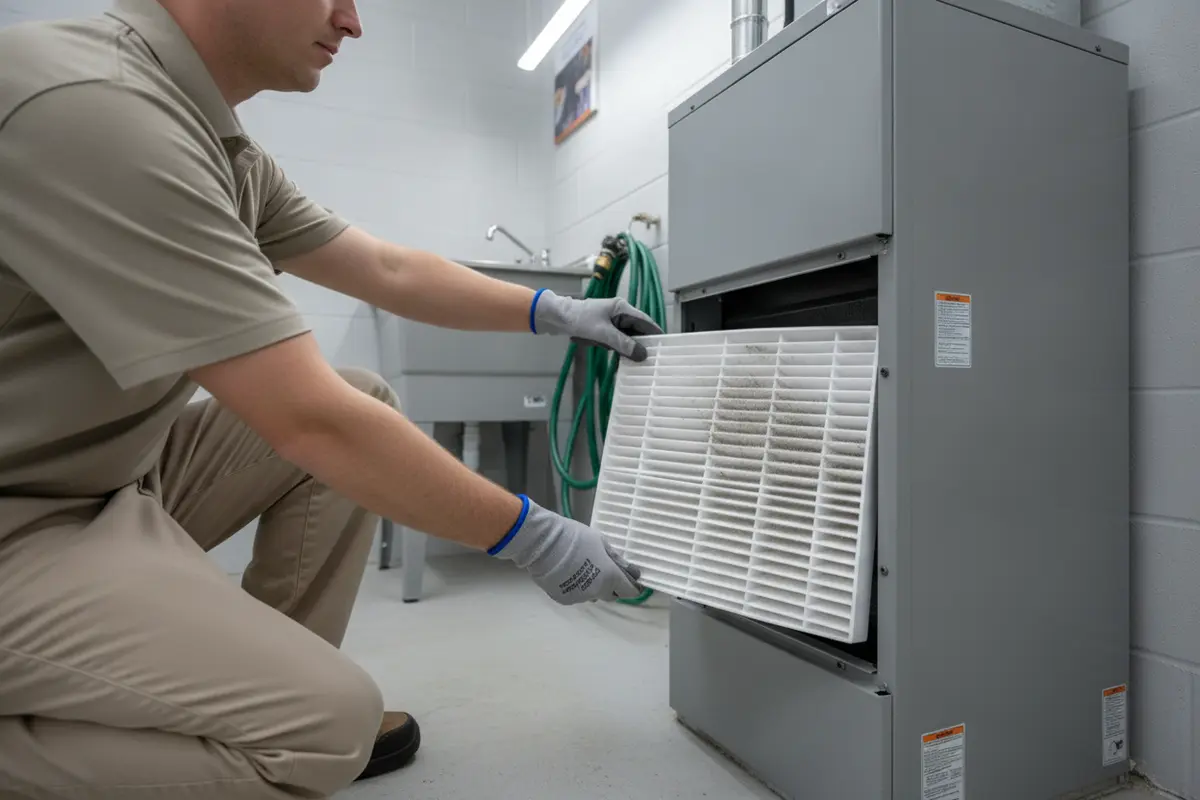
Inspect the filter according to the equipment and filter guidance and replace it when dirty or at the recommended interval. Homes with pets, construction dust, allergies, or frequent system use may need closer observation. Use the correct size and orientation. If access is unclear, ask for help rather than forcing a panel or installing an unsuitable filter.
Do not store boxes, chemicals, or other items where they obstruct service access, airflow, or safe operation. Keep the area reasonably clean and report water, rust, damage, or unusual residue. Never use a furnace cabinet as storage.
A planned visit can be easier to arrange than emergency service during a cold-weather failure. The appropriate work depends on the equipment and condition. Homeowners can also use Garland Heating and Air Conditioning’s HVAC maintenance guide for broader upkeep questions and ask the company which service is appropriate for their furnace.
Dallas Fort Worth homes may spend long periods without heating and then need reliable operation when a cold front arrives. A system that has been idle is not necessarily defective, but the first heating cycle is a useful time to notice sounds, odors, airflow, temperature changes, and thermostat behavior. Addressing a concern before a complete failure may provide more choices.
Garland, Richardson, Plano, and nearby communities include homes with different layouts, ages, additions, insulation conditions, and duct configurations. A recommendation should account for the actual home rather than relying only on a general age rule. Ask how the proposed repair or replacement addresses room comfort, airflow, controls, and the existing installation.
Garland Heating and Air Conditioning serves the Dallas Fort Worth metroplex and has provided HVAC service since 1952. You can review the company’s DFW service area to see whether your community is included. For replacement planning, the company also provides financing information; ask directly about current terms, eligibility, and application details.
These questions help separate a clear, evidence-based recommendation from a decision based only on age. They also make it easier to compare options when more than one path is practical.
Yes, an older furnace may continue operating, but operation alone does not establish safety, comfort, or reliability. Consider the system’s condition, symptoms, repair history, and inspection findings.
Not necessarily. Thermostat settings, airflow, sizing, controls, and equipment faults can all contribute to cycling. Diagnose the reason before deciding between repair and replacement.
A dirty filter can restrict airflow and contribute to strain. Check it regularly, use the correct replacement, and have persistent airflow or comfort problems assessed.
Planning ahead can give you time to compare quotes and arrange installation, but replacement is not automatically required at a particular age. Base the decision on condition, repair needs, comfort, and your household plans.
There is no responsible single price for every home. Equipment selection, installation conditions, ductwork, controls, removal, and other project details affect a quote. Contact the company for customized pricing and ask for the scope in writing.
Ask about your furnace service options
When asking how long does a furnace last, treat age as one clue rather than a deadline. Track changes, care for the filter, arrange a professional evaluation when symptoms appear, and compare repair or replacement based on the system’s condition and your home’s needs.