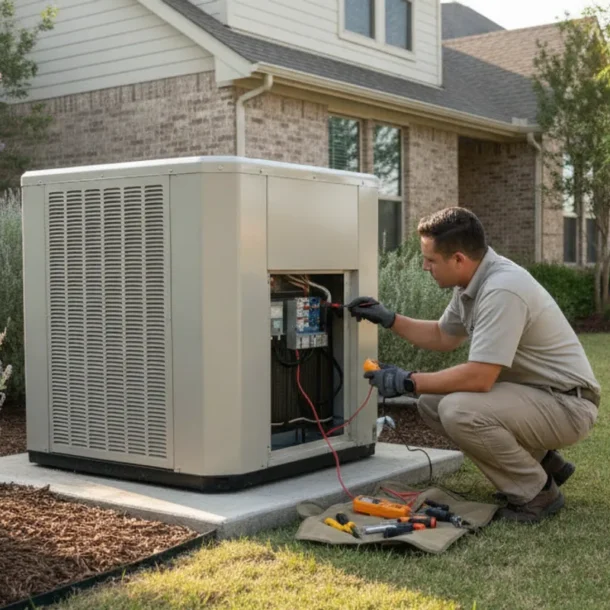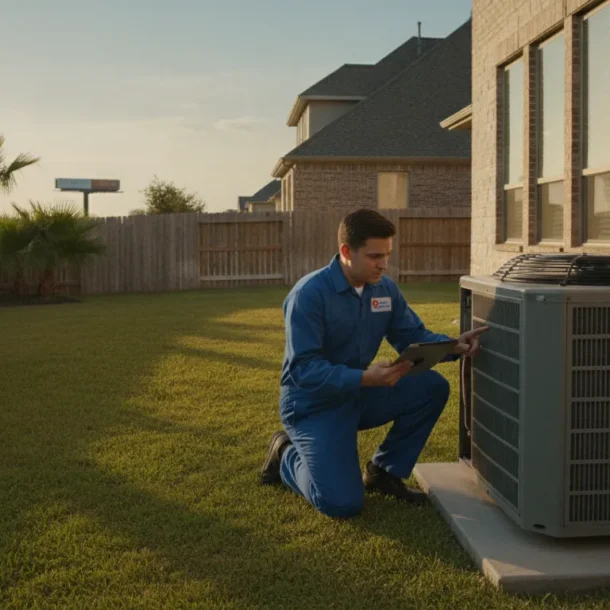

Installing new HVAC system equipment is a major home decision, especially when a North Texas summer or winter puts comfort to the test.
Get a customized installation quote
Short answer: A successful new HVAC installation starts with an evaluation of the home, a correctly sized system, and clear agreement on the work included. Before choosing equipment, discuss your comfort concerns, existing ductwork, heating and cooling needs, and installation details with a qualified contractor. After installation, ask for a walkthrough and confirmation that the system is operating as intended.
A replacement may make sense when an existing system no longer meets the home’s needs or when repair and replacement options should be compared. Age alone does not decide the answer. The system’s condition, repair history, comfort performance, and the scope of needed work all matter.
Repeated service needs, rooms that are consistently uncomfortable, or equipment that struggles to keep up can justify a professional evaluation. First check simple items such as a clogged filter or blocked supply and return grilles, if it is safe to do so. If comfort problems continue, describe when they happen and which rooms are affected rather than assuming that a larger unit is the answer.
If the equipment has stopped cooling or heating, a repair assessment can help establish whether the issue is limited or part of a wider replacement decision. Garland Heating and Air Conditioning provides AC repair and maintenance as well as heating installation and replacement.
Ask the contractor to explain the condition found, the proposed repair, and any replacement option separately. A clear comparison should state what work each option includes, what equipment or components would change, and what questions remain. Do not decide from a single symptom or an assumed equipment age. If replacement is on the table, review this list of questions to ask about AC unit replacement before approving the work.
It can help to separate immediate comfort needs from longer-term planning. For example, write down whether a problem affects the whole home or only one room, whether it appears at certain times of day, and whether it has changed over time. That record gives the contractor something more useful than a general report that the system “doesn’t feel right.” Ask which findings point to a repairable issue and which suggest that the existing equipment or system setup is no longer a good fit. You do not need to make a replacement decision during the first conversation; first make sure you understand the options, their scope, and what each would address.
An equipment recommendation should begin with the building and the way you use it, not just the model currently outside. Share the comfort issues you notice, planned changes to the home, and preferences for heating and cooling. The visit is also a chance to point out rooms that feel different from the rest of the house.
Ask the contractor to look at the existing indoor and outdoor equipment, accessible ductwork, filter location, thermostat, and airflow paths. Duct condition and layout can affect how air reaches rooms; replacing equipment alone may not address a restriction or leakage concern. Mention additions, renovations, major window changes, or rooms that are rarely used because those details can change the conversation.
For a useful overview of system components and common homeowner terms, see Garland Heating and Air Conditioning’s HVAC system guide. You can also review the company’s Dallas–Fort Worth service area to find information relevant to your community.
System size should be matched to the home and its heating and cooling requirements, rather than selected only by copying the old unit’s size. Ask what information the contractor used and how the recommendation addresses the home’s layout and comfort concerns. A unit that is not appropriately matched can fail to deliver the comfort you expect, even if it is new.
Homeowners comparing cooling options can read more about AC sizing considerations for Texas homes. That guide is a starting point for questions, not a substitute for an in-home evaluation and system recommendation.
When discussing sizing, bring practical details that may be easy to overlook. Note which rooms have large windows or strong afternoon sun, whether doors are usually open or closed, and whether an addition has a separate comfort problem. Share changes such as a finished room or a converted garage, even if the work happened years ago. Ask how these details and the existing duct arrangement factor into the proposed system. The goal is not to calculate the equipment size yourself; it is to understand that the recommendation reflects the home as it is used now, rather than relying on a guess based only on square footage or the old unit’s label.
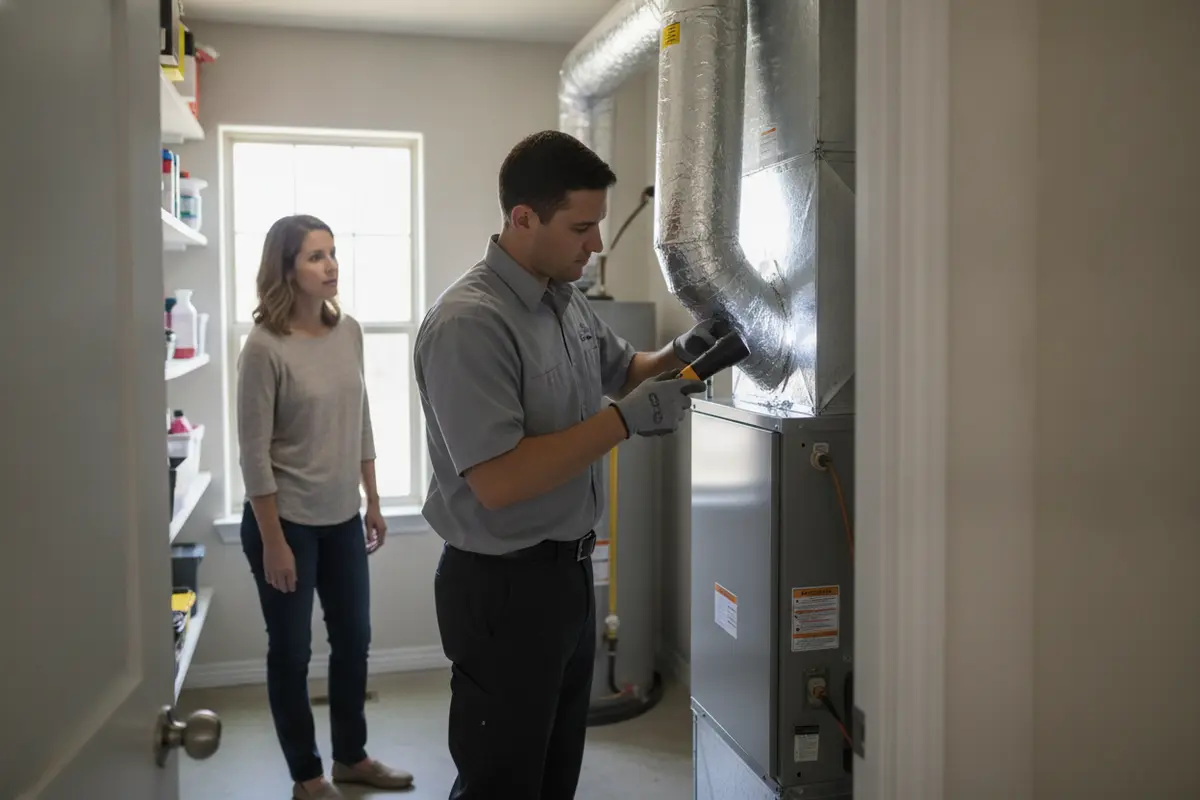
Once the home has been evaluated, review the proposed system and the work plan together. Model names and equipment ratings do not tell the whole story. Ask the contractor to explain how the selection fits your priorities and what is included in the installation.
Consider comfort goals, the type of heating and cooling system, available space, and how you want the controls to work. A heat pump is one option to discuss when evaluating a replacement. Ask the contractor to explain the proposed system’s operation in both heating and cooling modes and whether it suits your home’s existing setup. Garland’s heat pump installation guide for DFW can help you prepare questions for that conversation.
For central air choices, the air conditioner selection guide offers another way to organize the features and home factors you want to discuss. The U.S. Department of Energy is another general source for consumer information about home energy use. Avoid choosing solely by brand or a single rating; ask how the full proposed system and installation plan meet your needs.
Installation pricing is quote-based because the work depends on the home, equipment, and project scope. Request a customized quote and check that it explains the proposed equipment and the work included. Ask whether the plan includes removal of old equipment, any changes to connections or controls, startup checks, and a customer walkthrough. Confirm how any recommended duct or electrical work is handled and whether it is included or separately described.
Before agreeing, make sure you understand the equipment being installed, the planned work, and what could require a change to the original scope. If you are comparing estimates, compare the same items rather than treating different scopes as interchangeable. Garland Heating and Air Conditioning provides AC installation and replacement and can discuss a customized quote through its contact page.
A simple way to compare two written quotes is to make a side-by-side list with the equipment, work included, work excluded, startup and handoff details, and the process for approving changes. If one proposal names a specific component and another does not, ask whether it is being retained or replaced rather than assuming. Also ask what happens if the crew discovers a condition that was not visible during the evaluation. The goal is not to demand identical wording; it is to know whether the proposals solve the same comfort problem and include comparable work. Keep the answers with the quote so you can review them later without relying on memory.
The details vary by system and home, so ask your contractor to explain the planned sequence and any preparation needed. The stages below provide a practical checklist for a homeowner; they are not a substitute for the scope in your specific quote.
People may use “new HVAC system” to mean different scopes of work. One proposal might focus on replacing specific heating or cooling equipment, while another may include additional components or work on controls and connections. Do not assume that two quotes cover identical work because they use similar labels. Ask the contractor to list what equipment will be removed, what will be installed, and which existing components will remain.
Ask whether the proposal includes any recommended changes to accessible ductwork, drain connections, electrical connections, or thermostat controls, and how work outside the stated scope would be handled. The point is not to expect every project to include every item. It is to know what applies to your home, what is included in the quoted work, and what would require your approval as an added item. If one recommendation is unclear, ask the contractor to explain the reason and the practical effect of leaving it unchanged.
Discuss the expected work window and access plan before the appointment. If someone works from home, a household member needs a quiet space, or access to a particular room is limited, mention it early. Ask which areas need to stay clear and whether any part of the home should be kept accessible during the visit. Confirm who to contact if your schedule changes or the crew needs clarification about access.
It can also help to write down your questions in order of importance. For example: Does this proposal replace all of the equipment I expect it to? What existing parts will remain? How will the contractor confirm the new system starts and operates? What should I do if a room still feels uncomfortable after the work? These concrete questions make it easier to understand both the installation plan and the follow-up route, without relying on assumptions about what a standard job includes.
| Stage | What to expect | What to confirm |
|---|---|---|
| Before work begins | Review of the equipment, work area, and agreed scope | Access, schedule, protection of nearby areas, and what is included |
| Removal and preparation | Existing equipment is removed as planned and the work area is prepared | How old equipment and any discovered issues will be handled |
| Equipment installation | Indoor and outdoor components are installed and connected as specified | That the installed equipment matches the proposal and any approved changes |
| Startup and handoff | The contractor starts the system, checks operation, and explains basic use | Operating instructions, filter location, thermostat use, and service questions |
Use the table as a conversation aid, not as a promise that every job follows exactly the same sequence. Ask the contractor what preparation is needed in your particular home. If installation involves a change to the agreed plan, pause long enough to understand the reason, the added work, and any effect on the quote or schedule. A short written confirmation of an approved change helps everyone stay aligned, especially if more than one household member is involved in the decision. Keep a copy of the final scope and any change approvals with your equipment information.
Before installation day, ask what access the crew needs to indoor equipment, the thermostat, and the outdoor unit. Clear personal items from the immediate work areas and secure pets as appropriate. Discuss any access constraints, parking or gate instructions, and household schedule in advance. Do not move, disconnect, or alter HVAC equipment yourself to prepare for the visit.
For instance, if indoor equipment is in a closet or attic access is needed, move stored items that block the route and ask whether the crew needs a clear path through a bedroom or hallway. Make a note of fragile objects near the work area and tell the contractor about any access limits before the appointment. Outside, identify a gate or landscaping concern that could affect access to the unit. These small preparations can reduce confusion on the day, but follow the contractor’s instructions about what to move and leave technical preparation to the installation team.
If a contractor finds an issue that changes the work, ask what was discovered, why it matters, and what the proposed change means for the scope and quote. Get agreement on material changes before work proceeds. This keeps your expectations aligned and gives you a clear record of what was authorized.

Reserve a few minutes for the contractor to walk you through the completed work. Ask questions while the equipment and controls are in front of you. You do not need to diagnose the system; the goal is to understand what was installed and how to use and care for it.
Ask the technician to explain the work completed and any maintenance recommendations that apply to your system. If you have a question after the visit, contact the company rather than attempting work on electrical or refrigerant components yourself.
During the walkthrough, use the controls yourself while the technician is present. Ask how to switch between heating and cooling, what settings are appropriate for everyday use, and whether the thermostat has features you should configure. Have the technician point out any visible shutoff or access areas only as appropriate to your system, and ask which components are not homeowner-serviceable. If you have a concern about a room that was uncomfortable before replacement, say so and ask how to observe its performance after the system has run normally. Make sure you know whom to contact if questions arise after the crew leaves.
North Texas weather can make a heating or cooling problem feel urgent, but a short, organized discussion can still make the decision clearer. Gather the details that help a contractor understand the home’s needs, and be direct about your priorities and timing.
Garland Heating and Air Conditioning is a family-owned HVAC company serving the Dallas–Fort Worth metroplex since 1952. Its residential offerings include AC installation and replacement, heating installation and replacement, and heat pump services. Customers in Garland, Richardson, Plano, and other DFW communities can contact the company to discuss the home and request a quote. See the Garland Heating and Air Conditioning website for company information.
Discuss your new HVAC system and request a customized quote
There is no single answer based on age alone. If the system has recurring problems or no longer keeps the home comfortable, ask a contractor to assess its condition and compare repair and replacement options before a breakdown forces a rushed decision.
Use the old system as part of the home’s history, not as the only sizing basis. Ask how the contractor evaluated the home and arrived at the proposed size. Changes to the home or ductwork and persistent room-to-room comfort issues are worth discussing.
It should clearly identify the proposed equipment and explain the installation work included. Ask about removal of existing equipment, connections or controls, startup and handoff, and how additional work would be approved and priced. Request clarification before accepting an unclear scope.
Learn the thermostat basics, locate the filter, keep the documents provided, and follow the contractor’s maintenance guidance. If the system does not seem to operate as explained, contact the installer for help rather than opening or servicing equipment yourself.
A careful evaluation, clear quote, and thorough handoff help you make a more informed decision about installing a new HVAC system for your DFW home.