If you are asking, “why is my electric bill so high in summer,” the usual answer is a combination of hotter weather, longer AC runtime, utility billing changes, and heat entering or escaping your home.
Schedule an AC service appointment with Garland Heating and Air Conditioning if your system runs nearly nonstop, struggles to reach the thermostat setting, or your usage jumped without a clear change in your routine.
Quick answer: Some summer increase is normal in the Dallas-Fort Worth area because the AC works longer against high outdoor temperatures and humidity. A sudden or unusually large increase deserves a two-part check: compare the bill with the same period last year, then look for AC, duct, insulation, thermostat, or household-equipment problems that can increase kilowatt-hour usage.
For the broader picture of repair, installation, replacement, and financing decisions, see our HVAC cost guide for Dallas-Fort Worth homeowners. This article focuses on diagnosing a high summer bill, not estimating the cost of a future HVAC project.
Air conditioning is often the largest seasonal change in a home’s electric use, but the bill total is not an AC diagnostic by itself. A longer billing period, a different electricity rate, an estimated meter read, pool equipment, more people at home, and hotter weather can all raise the total. Start with usage in kilowatt-hours, not only the dollar amount.
In a Dallas-Fort Worth summer, the cooling system may run for long stretches during the afternoon and evening. The system must remove both heat and moisture from indoor air. The larger the difference between outdoor and indoor conditions, the more work the AC must do to maintain the setpoint.
Compare the current bill with the same billing period last year rather than only comparing it with May or June. Also compare the number of billed days and the kilowatt-hours used. A higher price per kilowatt-hour can raise the bill even when usage changed only slightly, while a longer billing cycle can make total usage look higher.
These checks help separate a utility-bill question from an HVAC question. If the usage is much higher than the same period last year after accounting for weather and household changes, inspect the cooling system next.
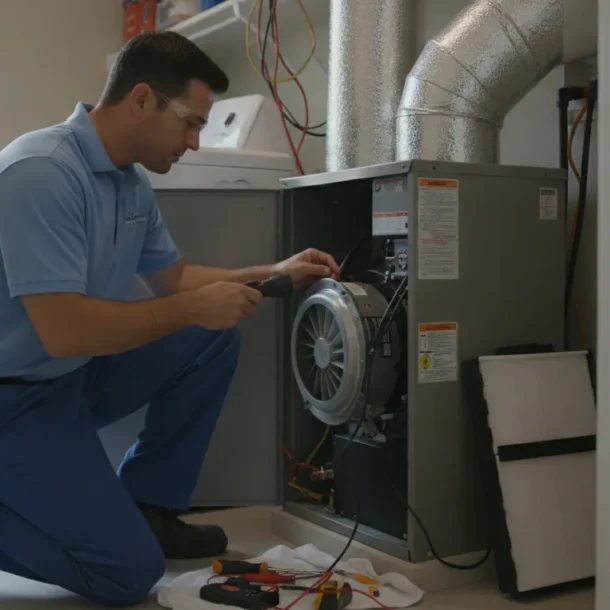
An AC may be contributing to a high electric bill when it runs for unusually long periods, cycles poorly, or cannot maintain the requested temperature. A dirty filter, restricted airflow, dirty outdoor coil, low refrigerant, electrical problem, or aging equipment can make the system run longer. Some causes are simple maintenance items, while others require a trained HVAC technician.
Do not keep lowering the thermostat to force a struggling system to catch up. That can increase runtime without solving the underlying problem. Check that the filter is installed correctly and that supply and return registers are open and unobstructed. Leave refrigerant, electrical, coil, and compressor work to a qualified professional.
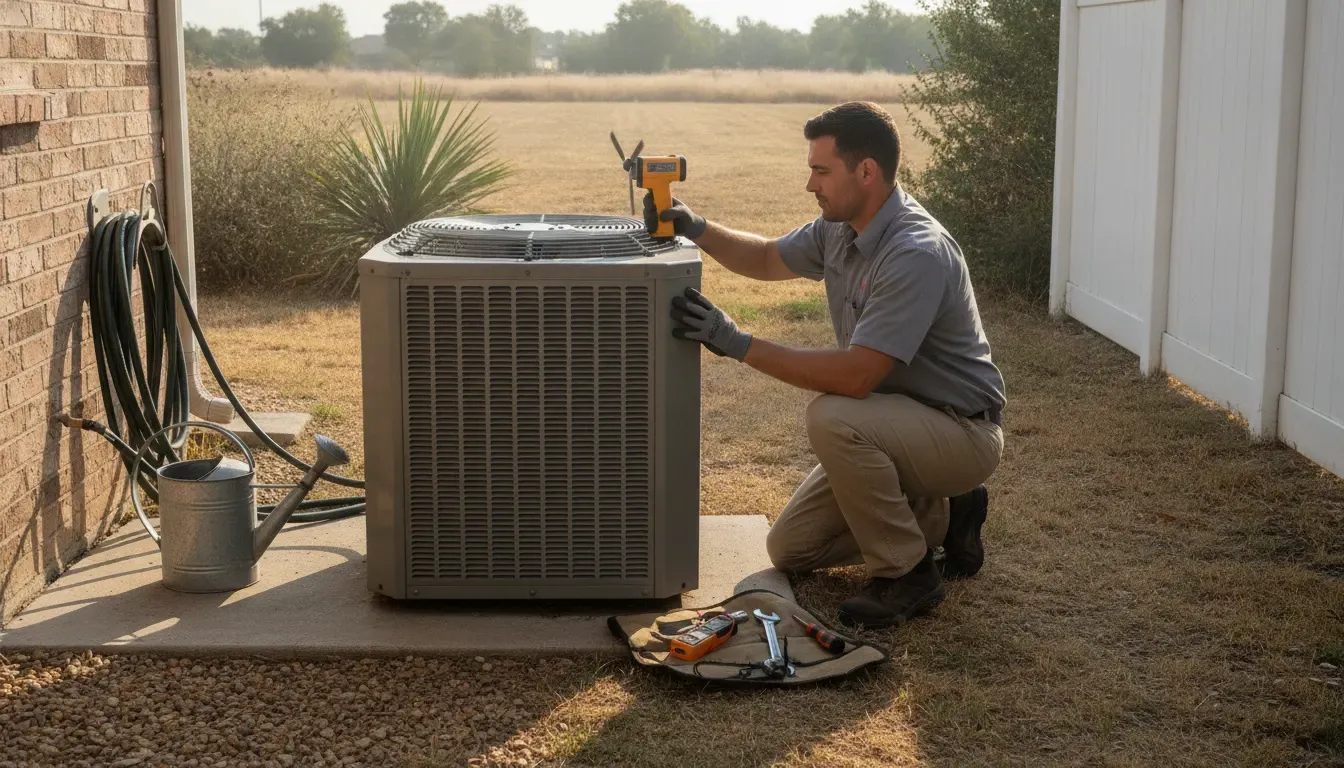
ENERGY STAR’s air conditioner maintenance checklist recommends checking thermostat operation, electrical connections, coils, refrigerant, blower components, and airflow. It also advises homeowners to inspect, clean, or change filters regularly. These are not promises of a fixed savings amount. They are practical checkpoints that help an HVAC professional find conditions that make the equipment work harder.
Garland Heating and Air Conditioning provides AC repair and maintenance for DFW homes and businesses. If the system is not cooling normally, document when the problem started, how long it runs, and whether the bill changed at the same time. That information makes the service visit more useful.
Yes. Cooling can be wasted before it reaches the rooms you are trying to cool. Leaky ducts in a hot attic, weak insulation, air leaks around doors and windows, and direct sun through uncovered windows increase the home’s cooling load. The AC then runs longer to deliver the same comfort.
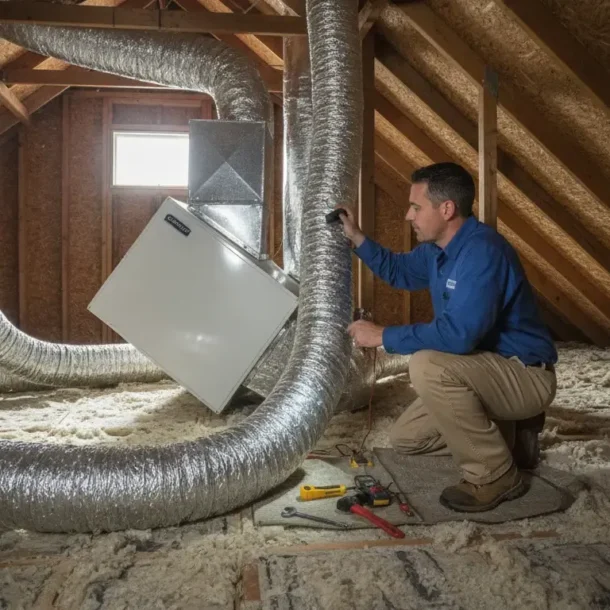
Supply ducts carry conditioned air to the rooms, while return ducts bring household air back to the equipment. If a connection leaks in an unconditioned attic, some cooled air can escape into the attic instead of reaching the room. A return leak can pull hot, dusty attic air into the system. Both conditions can affect comfort and runtime.
The U.S. Department of Energy’s Building Science Education resource on tight duct sealing explains that escaped conditioned air can make a system run longer. It also distinguishes proper sealing materials from ordinary cloth-backed duct tape. Homeowners can look for disconnected or visibly damaged ducts, but attic repairs should be assessed carefully because insulation, electrical components, and hot surfaces create safety risks.
Simple steps include keeping registers open, closing blinds during direct afternoon sun, and avoiding unnecessary heat-producing appliances during the hottest hours. If rooms remain unevenly cooled, ask for an airflow and duct evaluation rather than assuming the outdoor unit needs replacement.

Thermostat settings and daily habits can raise summer usage even when the AC is healthy. A lower setpoint increases the temperature difference the system must overcome. Frequent manual adjustments, open doors, cooking during the hottest hours, and running other large appliances at the same time can add to the load.
Choose a temperature that is comfortable without creating an unnecessarily large indoor-outdoor gap. Use a consistent schedule if the household is away for predictable periods, and avoid setting the thermostat far below the desired temperature in an attempt to cool the home faster. A thermostat cannot make an AC cool faster than its capacity and condition allow.
A smart thermostat may help with scheduling and remote adjustments, but it does not repair an underperforming AC, seal a duct, or correct an incorrectly sized system. Our guide to smart thermostat benefits for Texas HVAC systems covers the technology separately.
Look for changes that happened at the same time as the bill increase. A pool pump running longer, a second refrigerator, frequent laundry, more cooking at home, new electronics, or extra household occupancy can each affect usage. You do not need to guess which appliance is responsible. Use the bill’s kilowatt-hour comparison, review your routine, and ask your utility provider about available usage information or rate-plan details.
Use those practical steps as a starting checklist rather than a guarantee of a specific dollar reduction. The best next step depends on whether the bill changed because of weather, a utility rate, a household load, or the HVAC system itself.
Schedule HVAC service when a higher bill appears with comfort problems, unusual sounds, weak airflow, water around the equipment, ice, or a system that runs nearly nonstop. If the home is comfortable and the bill increase matches hotter weather, occupancy, or a rate change, the AC may be operating normally. If the increase is unexplained and the system’s behavior changed, diagnosis is worthwhile.
Not every high bill calls for replacement. A diagnosis can show whether maintenance, repair, duct work, insulation improvements, or a larger equipment decision makes sense. If an older unit is unreliable or cannot keep up after reasonable repairs, review installation and replacement options with a licensed HVAC professional. Garland’s DFW AC installation cost factors guide explains why a customized quote depends on the home, equipment, ductwork, electrical scope, and installation details.
Request a customized AC service quote from Garland Heating and Air Conditioning if your summer bill rose with long runtimes, weak cooling, or a new equipment symptom.
First compare kilowatt-hours, billed days, meter-read type, and the price per kilowatt-hour with the same period last year. Then note any change in occupancy, pool or appliance use, thermostat settings, and AC behavior. If the bill details look correct but the AC runs continuously or the home is not comfortable, schedule service rather than continuing to lower the thermostat.
For a quick homeowner review, use this order:
Garland Heating and Air Conditioning has served the Dallas-Fort Worth area since 1952. For urgent cooling failures, ask about available emergency service. For planned maintenance or replacement, provide the bill comparison and the system’s symptoms so the technician can focus the evaluation.
Yes, a higher summer bill can be normal because hot weather increases AC runtime. Compare kilowatt-hours, billed days, and the price per kilowatt-hour with the same period last year. An unusually large increase combined with weak cooling or nonstop operation is a reason to schedule an HVAC evaluation.
Look for a changed pattern: longer or nonstop runtime, weak airflow, rooms that stay hot, ice, unusual sounds, or a system that cannot reach the thermostat setting. If the bill rises but the AC behaves normally, check rates, meter readings, billed days, occupancy, and other large appliances before blaming the equipment.
Yes. A dirty or incorrectly installed filter can restrict airflow, make the AC work harder, reduce comfort, and contribute to higher energy use. Check the filter according to its type and the manufacturer’s guidance. If airflow remains weak or the system still runs excessively, have the equipment evaluated.
Yes. Supply leaks can release conditioned air into a hot attic or crawlspace, while return leaks can draw in unwanted hot air. The system may run longer while rooms remain uncomfortable. A professional can inspect duct connections, insulation, and airflow and recommend the appropriate repair.
Not automatically. A high bill may come from weather, rates, billing details, thermostat settings, duct losses, maintenance needs, or another household load. Start with diagnosis. Replacement may be worth discussing when an older system is unreliable, cannot keep up, or needs repeated repairs, but the right decision depends on the equipment and home.