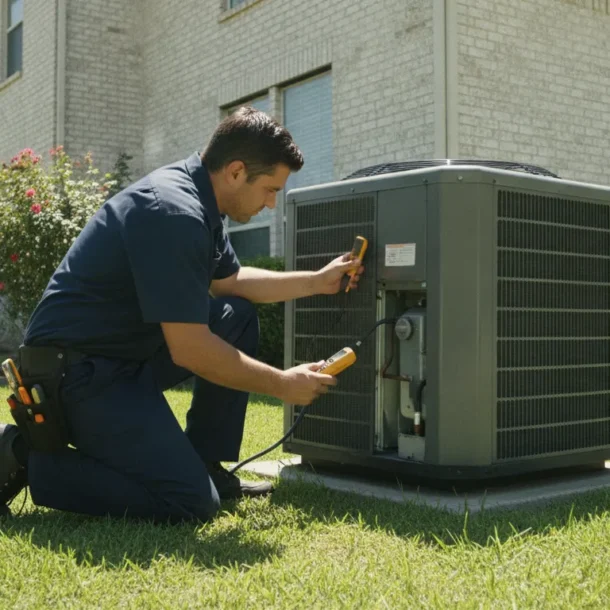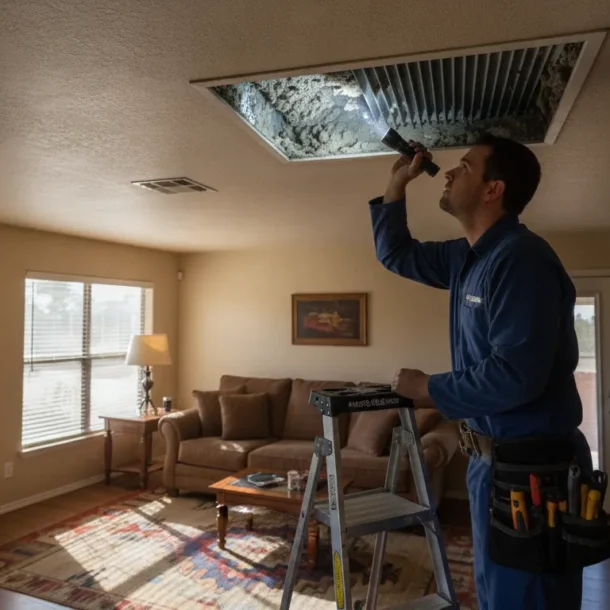
Texas air conditioners work through long, demanding seasons, often running eight to ten months each year. That workload makes a maintenance calendar more important in Garland, Plano, Richardson, and the wider DFW metroplex than a once-in-a-while repair call.
Schedule your AC maintenance today and keep your cooling system ready for the Texas summer.
Most homeowners should schedule professional service at least once a year, but twice-yearly maintenance, in spring and fall, is the safer schedule for Texas heat. If your system runs heavily, or your home has pets, dust, or restricted airflow, more frequent attention may be appropriate.
Regular maintenance helps a technician identify airflow problems, worn electrical components, dirty coils, and refrigerant concerns before peak demand. It is different from repairing an active fault, so review the difference between routine AC maintenance and repair when deciding what your system needs. For urgent cooling problems, see our guide to AC repair and emergency service.
The right schedule starts with understanding how North Texas heat affects equipment, indoor comfort, and system workload.
DFW summers commonly bring 40 to 60 days above 100F, and an air conditioner may run for eight to ten months each year. That workload is very different from a system used only during a short, mild cooling season. In one Texas summer, equipment can log more than 2,800 operating hours, according to industry guidance on Texas AC usage.
Every operating hour puts demand on the compressor, blower motor, electrical connections, coils, and refrigerant circuit. Heat adds another challenge. Attic temperatures can exceed 130F during a DFW summer, leaving attic-mounted equipment exposed to extreme heat for months. Dust, restricted airflow, and worn components can then force the system to work harder just when your home needs the most cooling.
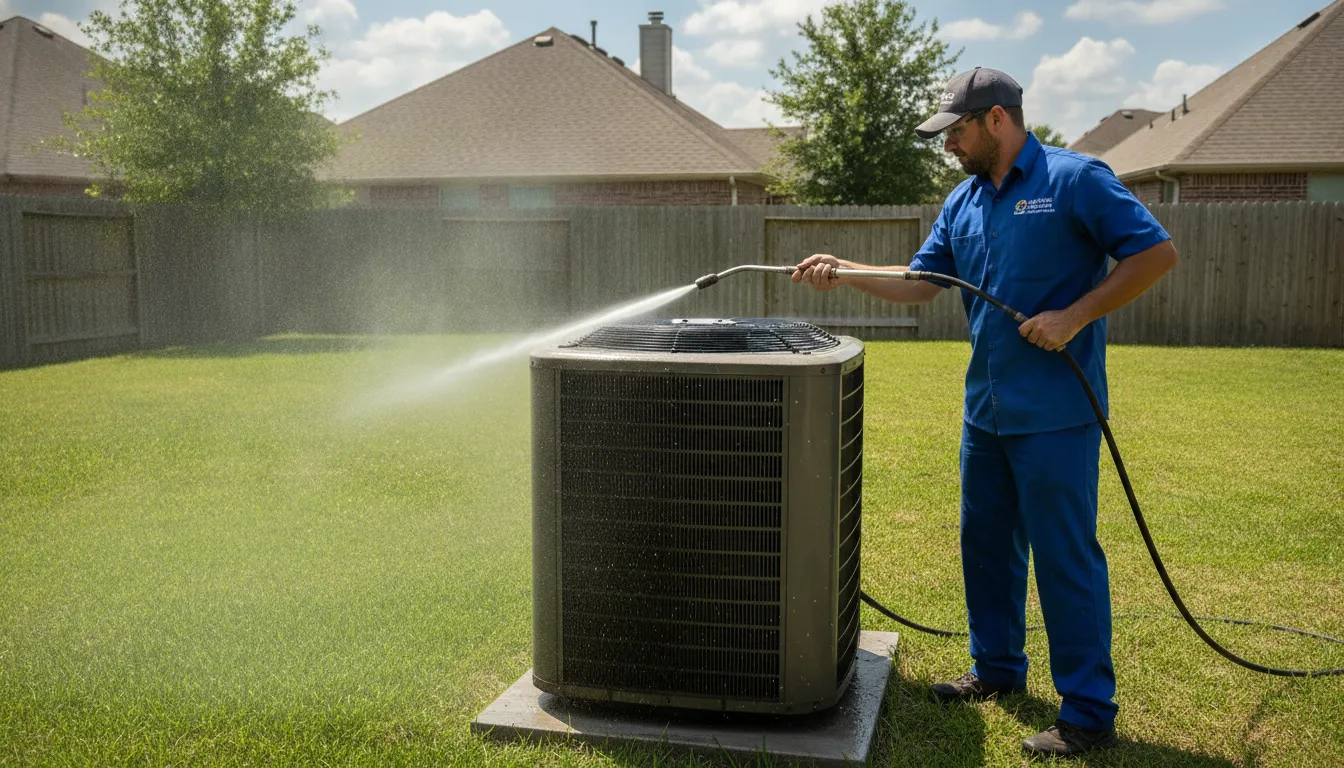
That is why a single annual check may not be enough for every household. Older systems, homes with pets or heavy dust, and equipment that struggled during the previous summer often benefit from spring and fall service. A spring visit prepares the AC for peak demand, while a fall visit can identify problems before they become a mid-season emergency.
An unmaintained air conditioner may lose about 5% of its efficiency each year, forcing it to run longer to reach the same thermostat setting. Dirty coils, weak electrical parts, and airflow restrictions can compound that loss. Routine service helps identify these issues before comfort declines or energy use climbs.
Neglect can also allow a minor issue to become a major repair. Warning signs that go unaddressed may eventually contribute to compressor or heat-exchanger failures costing more than $3,500, based on the maintenance guidance in the DFW HVAC tune-up reference. Routine maintenance is not a guarantee against every failure, but it can address worn parts while they are still manageable.
Routine maintenance is reported to prevent up to 80% of mid-summer breakdowns by finding wear before peak heat. If your system is making unusual sounds, cycling frequently, producing weak airflow, or struggling to hold temperature, do not wait for the next scheduled visit. Review AC repair and emergency service in Dallas-Fort Worth to understand when a maintenance appointment should become a repair call.
Most Texas homeowners should schedule professional AC service at least once a year. Because DFW systems face long, demanding cooling seasons, twice-yearly maintenance is a stronger schedule for many homes, especially those with older equipment, pets, allergies, or heavy dust.
The right interval depends on how hard the system works and how quickly its filters, coils, and indoor air components collect debris. Use this table as a practical starting point, then adjust it if your technician identifies unusual wear or airflow problems.
| Situation | Recommended Frequency | Why |
|---|---|---|
| Standard home under 8 years old | Once yearly, in spring | A spring tune-up can identify dirty coils, capacitor wear, or low refrigerant before peak demand. |
| System 8+ years old | Twice yearly | Older components need closer monitoring as wear increases and efficiency can decline. |
| Pets, allergies, or a dusty home | Twice yearly, spring and fall | Hair and airborne debris can clog filters and coils faster, restricting airflow. |
| Heat pump | Twice yearly | Heat pumps operate for both heating and cooling, so they need seasonal attention for year-round reliability. |
| Older system 11+ years old | Twice yearly, plus condition checks | Frequent inspections help identify failing parts and support informed repair or replacement decisions. |
Research cited by Homefront Air estimates that neglected equipment can use up to 25% more energy than a well-maintained system. The same source reports a possible lifespan difference between a system that fails around year nine and one that lasts 17 years. Although actual service life depends on installation quality, usage, climate, and repairs. Annual or semi-annual service cannot guarantee a particular lifespan, but it gives small problems less time to become major failures.
For a deeper look at what technicians inspect, see our AC repair and maintenance service guide. If maintenance reveals that replacement is the more practical option, financing options may help you plan for the project. Garland Heating and Air Conditioning can recommend a service schedule based on your equipment, household, and DFW usage pattern.
DFW’s shoulder seasons are the ideal time to prepare your equipment before it faces the next long stretch of extreme temperatures. A spring visit, usually scheduled in March or April, gets the cooling system ready before summer demand rises. A fall visit, typically in September or October, checks the heating side before the first cold front arrives.
A complete tune-up should go beyond changing the thermostat setting. The technician should inspect and service the filters, indoor and outdoor coils, fins, electrical connections, and refrigerant lines. The U.S. Department of Energy identifies these components as essential to efficient, effective air-conditioner performance. The visit can also uncover restricted airflow, unusual wear, drainage problems, or other conditions that may become a breakdown during a July heat wave.
Filters deserve particular attention. Dirty, clogged filters reduce airflow and system efficiency. They also allow dirt to build up inside the equipment, which can contribute to premature failure. Keeping the system clean helps it operate closer to its designed SEER2 efficiency rating, while clearing condensate and mold-prone drains supports better indoor air quality.
For homes in Garland, Richardson, Plano, and nearby communities, local HVAC service schedules should account for long cooling seasons and heavy equipment use. Households with pets, renovation dust, allergies, or unusually high runtime may benefit from a spring and fall schedule rather than waiting for one annual visit.
Fall preparation gives a technician time to inspect the furnace or heat pump, verify safe operation, clean accessible components, and identify wear before heating becomes essential. It also provides an opportunity to address issues found during summer cooling operation while the details are still fresh. If your system is making unusual sounds, producing weak airflow, or struggling to hold the set temperature, review the difference between routine AC maintenance and AC repair before scheduling.
Scheduling during these transition months is not a substitute for prompt repair when equipment is already failing. It is a practical way to keep small maintenance needs from becoming urgent service calls and to make each season more predictable.
Simple monthly checks can help your air conditioner move air efficiently and reveal developing problems before a hot DFW afternoon turns them into an emergency. These tasks do not replace professional service. But they are a practical part of understanding how often should you service ac in texas and how your system is performing between visits.

A professional maintenance visit gives your technician the opportunity to inspect the complete cooling system before a small issue affects comfort. For DFW homeowners, Garland Heating and Air Conditioning’s background-checked technicians provide a thorough inspection designed to identify wear. Airflow problems, and safety concerns while the equipment is still operating normally.
The visit typically begins with an evaluation of the indoor and outdoor equipment, refrigerant lines, airflow, and visible operating conditions. The technician may clean the evaporator and condenser coils when buildup is present. Clean coils help the system transfer heat properly, while a refrigerant level check can identify a possible undercharge or leak that may reduce cooling performance.
The technician also checks the thermostat for accurate communication and calibrates it when needed. Electrical components, including connections and controls, are inspected for signs of wear or unsafe operation. These checks matter because loose connections or failing components can interrupt cooling when the system is working hardest.
Condensate drain lines are checked and cleared as needed so water can leave the system instead of backing up around the indoor equipment. The technician may also review the drain pan and related components for conditions that could contribute to moisture damage or restricted operation.
A final safety check confirms that the system is operating within normal conditions. The technician should explain any recommended repair, maintenance need, or developing concern clearly, rather than treating every observation as an emergency. For a closer look at the process, read what an AC service visit covers.
Routine maintenance is associated with preventing up to 80% of mid-summer breakdowns, according to industry guidance (HVAC Database). It also helps maintain the system’s SEER2 efficiency rating. Maintenance cannot prevent every failure, but catching restricted airflow, dirty coils, electrical wear, or drainage problems early gives you more options before peak demand.
Consistent inspections can also support your system’s expected service life. Explore our HVAC financing plans for cost-effective upgrades. Learn more about protecting your AC system’s lifespan and keeping your DFW equipment ready for another long cooling season.
Schedule professional maintenance at least once a year, preferably before the cooling season. Twice-yearly service, in spring and fall, is a stronger schedule for homes with heavy AC use, pets, dust, or recurring airflow problems. A technician can adjust the timing to your system’s age, condition, and workload. (Source: Homefront Air.)
Texas systems operate through long cooling seasons and may run eight to ten months each year. That extended workload puts more wear on filters, coils, electrical components, and refrigerant lines than a system used only during short summers. Pre-season maintenance helps identify developing problems before peak heat.
Dust and restricted airflow can make the system work harder, while small mechanical issues may become service interruptions. One industry estimate reports that a poorly maintained unit can use up to 25% more energy than a well-maintained system. (Source: Homefront Air.)
They can support a longer service life by catching wear, cleaning key components, and keeping the system operating under less strain. One HVAC industry source compares approximately 17 years for a maintained system with 9 years for a neglected one. Though actual life depends on installation quality, usage, repairs, and equipment condition. (Source: Homefront Air.)
A professional visit generally includes inspecting system components, cleaning coils, checking refrigerant levels, reviewing electrical connections, and confirming thermostat operation. The technician should also identify airflow restrictions, unusual wear, or drainage concerns and explain which items need immediate attention versus routine monitoring.
Regular maintenance helps your system stay prepared for the demanding Texas cooling season and gives you a clearer schedule for professional care. Garland Heating and Air Conditioning can help you plan the next service visit for your home or business. To schedule service, call (972) 278-3500 and speak with our team about your AC maintenance needs.