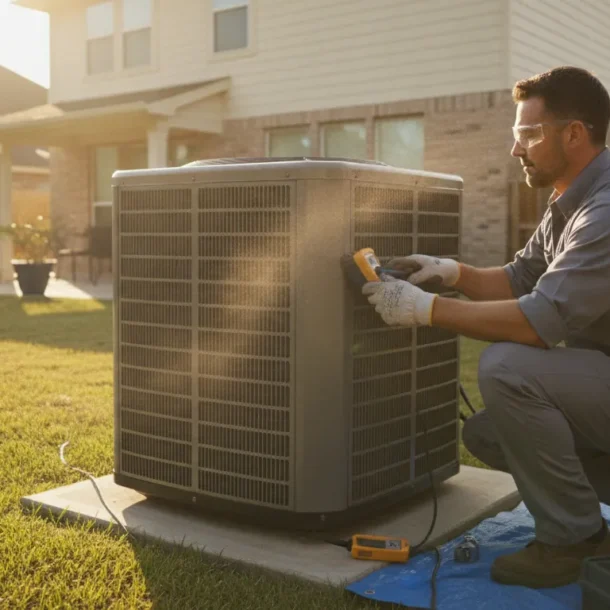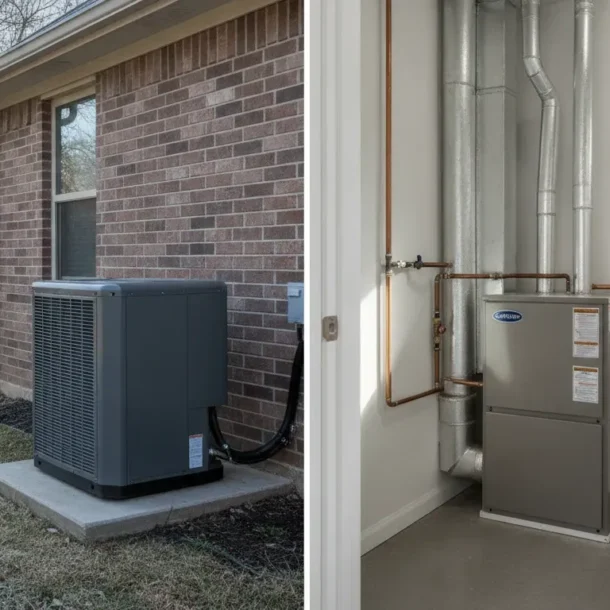
In a DFW home, your HVAC system can circulate the same air through your living spaces for hours each day, especially during a long Texas cooling season. Dust, pollen, pet dander, and renovation debris can collect where a standard filter cannot reach, but that does not mean every home needs routine duct cleaning.
Schedule your professional duct cleaning service today and save $300 with our coupon.
Whether is duct cleaning worth it depends on your specific situation. Professional service is most useful when you can see mold or heavy debris. Notice dust blowing from registers, smell musty odors, or have had construction or a pest issue. If none of those signs are present, focus first on filtration and routine HVAC maintenance.
The right decision starts with understanding what technicians can actually remove from the ductwork and connected HVAC components. Then weighing those findings against your home’s indoor air quality needs.
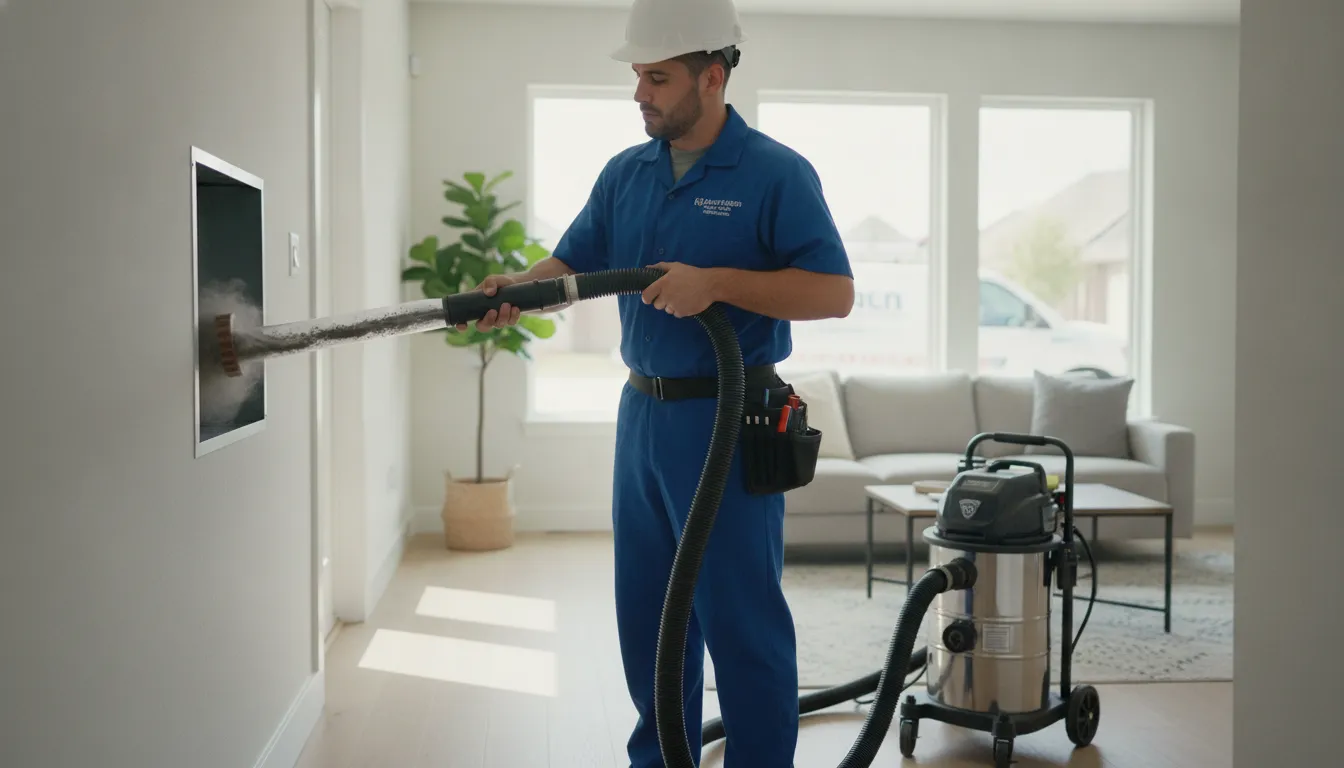
Air ducts can collect more than the light layer of dust you see around a supply register. Over time, professional duct cleaning may remove accumulated household dust, pollen, pet dander, mold spores, construction debris, and pest droppings from accessible ductwork and related HVAC components. The exact material found depends on the home, its age, renovation history, pets, and whether pests have entered the system.
That buildup matters because the HVAC system can circulate air through the same pathways many times a day, especially during a long Dallas-Fort Worth cooling season. Stanley Steemer reports that the average house collects about 40 pounds of dust, dirt, and allergens each year. That figure describes household accumulation, not a guaranteed amount inside your ducts, but it illustrates how quickly fine particles can build up throughout a home.
Dust commonly includes a mixture of soil, fabric fibers, skin particles, pollen, and other household debris. Pet dander can settle in return ducts and registers, while outdoor pollen can enter through doors, windows, and normal household activity. The Environmental Protection Agency also notes that indoor dust mite levels can exceed outdoor levels. You can review the EPA’s indoor air quality guidance at EPA.gov.
Duct cleaning does not remove every source of dust or prevent new particles from entering your home. It addresses accumulated material in the duct system and should be considered alongside appropriate filtration, moisture control, and regular HVAC maintenance.
Renovation work can leave sawdust, drywall particles, or other construction debris inside ductwork if openings were not protected. Pest activity may also leave droppings or nesting material that should be handled carefully. Visible mold growth requires more than simply vacuuming loose dust, and pest infestations may require a qualified pest professional before cleaning begins.
For a detailed evaluation, Garland Heating and Air Conditioning can provide a professional duct cleaning service for DFW homes. If your concern involves broader system performance or repairs, the company’s AC Repair and Emergency HVAC Service in Dallas-Fort Worth resources can help. They can help you determine which type of HVAC service fits the problem.
If you are asking, “is duct cleaning worth it,” the EPA’s guidance is more specific than a routine yes or no. The agency says current knowledge is not strong enough to offer a blanket recommendation for cleaning every home’s ductwork. Duct cleaning also has not been shown to prevent health problems, and studies have not conclusively demonstrated that dirty ducts increase household particle levels. Much of the dirt in ductwork may remain attached to interior surfaces rather than entering the living space.
A review summarized in the NIH Office of Research Services HVAC duct-cleaning fact sheet reached a similar conclusion. Research has not established consistent benefits for indoor air quality, occupant health, HVAC performance, or energy savings. That does not mean cleaning is never useful. It means the condition of the system should guide the decision.
Professional evaluation and cleaning may be appropriate when you can document one or more of these conditions:
NADCA is commonly cited as recommending cleaning every three to five years, but that interval is not a substitute for inspecting the system. Pets, indoor smoking, remodeling, and allergy concerns may change the timing. For the rest of your regular HVAC service schedule, routine filter changes and manufacturer-recommended maintenance can help prevent contamination and identify airflow problems before they become larger repairs.
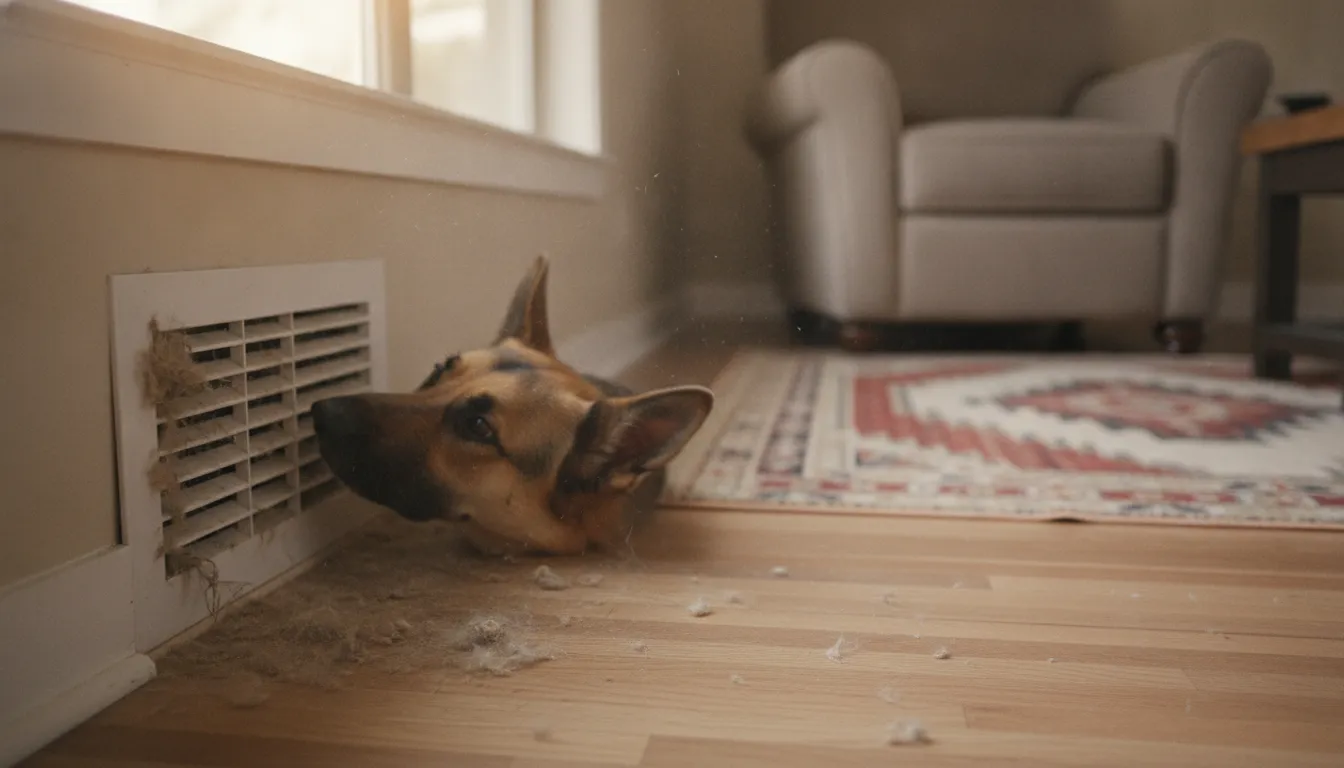
DFW homes face a long allergy season. Tree and grass pollen, cedar pollen, and mold can enter through open doors, windows. And HVAC returns, while humid summer conditions can support microbial growth where moisture is present. Duct cleaning is not a guaranteed treatment for allergies, and research has not established that routine cleaning prevents health problems. However, removing a confirmed buildup of dust, pollen, pet dander, or renovation debris may reduce the material available to circulate through the system.
The potential value is greatest when a home has a specific contamination or air-quality concern, rather than simply because a certain amount of time has passed. The EPA also warns that indoor pollutant levels can become far higher than outdoor levels after certain activities. So controlling indoor sources and maintaining the HVAC system both matter.
Garland Heating and Air Conditioning can help DFW homeowners decide whether the condition of their system justifies service. The company currently offers a $300 duct cleaning coupon. Ask about the offer and request a quote based on your home’s actual needs.
Changing the HVAC filter is essential maintenance, but it cannot remove contamination already settled inside ductwork or on system components. These signs can help you decide when a professional evaluation is more appropriate than another filter replacement.
Answer: Visible mold-like growth inside hard-surface ducts or on heating and cooling components is a reason to consider professional cleaning. Do not rely on appearance alone, however. The EPA advises asking a provider to show you any mold they claim exists, since some HVAC areas are not accessible during a visual inspection. A substance that looks like mold may require expert analysis and laboratory testing for confirmation. Read the EPA guidance on duct cleaning and mold.
Answer: If dust visibly discharges from supply registers soon after you have cleaned them or replaced the filter. Debris may be accumulating in the duct system or near the air handler. The National Institutes of Health HVAC guidance identifies dust discharged from supply diffusers and debris that restricts airflow as situations where duct cleaning may be appropriate. A filter change protects the system from new particles, but it does not clean the duct surfaces themselves.
Answer: Unexplained allergy or respiratory symptoms that worsen at home can justify an HVAC and indoor-air-quality inspection, particularly during DFW pollen and mold seasons. Symptoms alone do not prove that dirty ducts are the cause, so avoid treating cleaning as a guaranteed health remedy. A technician can look for dust buildup, moisture, microbial growth, and other conditions that may be contributing to airborne particles.
Answer: Remodeling can introduce construction dust and debris into unsealed ductwork. A pest infestation can also leave droppings, nesting material, or other contamination near the system. After either event, have the ducts and accessible HVAC components assessed before assuming a routine filter change is enough. Sealing ductwork during future renovations helps prevent debris from entering the system.
Answer: A persistent musty or offensive odor that starts when the system operates may originate in ductwork or HVAC components. Moisture damage, microbial growth, or trapped debris should be investigated rather than covered with fragrance. For a thorough assessment, ask what the technician found and what corrective work is recommended during a professional HVAC service visit.
These warning signs do not mean every home needs recurring duct cleaning. They indicate that a targeted inspection may be more useful than basic maintenance alone.
National cost data provides a useful starting point, but it should not replace a quote for your home. NerdWallet reports that professional air duct cleaning typically costs $270 to $500, with an average of about $389. Angi data cited by NerdWallet places a common estimate near $35 per vent. While labor may run $90 to $125 per hour for a job lasting three to eight hours. The final quote depends on the size and layout of your duct system, the number of vents, access, and the condition of the ductwork.
For a broader look at service expenses in the area, review our guide to HVAC maintenance costs. Keep in mind that national figures and general maintenance estimates are not a substitute for local, quote-based pricing.
Standard cleaning and removal of built-up dust are only part of some projects. If an inspection finds mold growth, professional mold removal may require additional work and specialized treatment. Pest activity can also add a separate scope, such as pest control or rodent removal, before the duct system is cleaned. Those services can change the total substantially, so a reputable contractor should explain each recommended add-on rather than bundle unexplained charges into the estimate.
| Service type | Typical cost range |
|---|---|
| Standard residential duct cleaning | $270 – $500 |
| Per-vent pricing (typical) | ~$35 per vent |
| Add-on mold remediation | $1,223 – $3,753 |
| Add-on pest / rodent cleanup | $189 – $665 |
| Garland Heating and Air (with $300 coupon) | Quote-based, subject to eligibility |
Garland Heating and Air Conditioning provides quote-based pricing after considering the home’s needs. That approach helps Dallas-Fort Worth homeowners understand what is included before approving service, without relying on an invented flat rate. Ask whether the proposal covers the accessible ductwork, registers, equipment areas, and any necessary follow-up work.
It can make professional cleaning a particularly strong value when the service is appropriate for the home’s condition. Using the reported national average of $389 only as a reference, a qualifying $300 Garland Heating and Air Conditioning duct cleaning coupon would significantly reduce the out-of-pocket cost. The exact amount, eligibility, and final price still need to be confirmed in your quote.
That is why the answer to is duct cleaning worth it depends on both the need and the scope. When visible contamination, renovation debris, pests, or persistent dust justify cleaning, the coupon can make professional service more accessible while giving you a clear plan for the work.
Professional duct cleaning is not automatically a scam, but it is not necessary for every home. Be cautious of anyone promising guaranteed health improvements or pressuring you into an immediate, whole-home service without inspecting the system. Cleaning is most defensible when you can see mold, pest debris, heavy dust, or construction residue inside the ductwork.
It can remove accumulated debris and reduce material being circulated through the registers, especially when contamination is visible. However, routine duct cleaning has not been conclusively shown to prevent health problems or improve indoor air quality in every home. A clean filter, moisture control, and regular HVAC maintenance remain important parts of the solution. See the EPA guidance on air-duct cleaning before scheduling service.
The main drawbacks are the service cost, disruption while technicians access the ductwork, and the possibility of paying for little benefit when ducts are already clean. Poorly performed work can also damage ducts or release debris. Ask what areas will be cleaned, how the system will be protected, and whether visible contamination supports the recommendation.
There is no universal schedule that fits every DFW home. The EPA does not recommend routine cleaning solely because a certain amount of time has passed. Consider service after a renovation, pest infestation, visible mold, or significant debris buildup, then rely on inspection and household conditions rather than an automatic recurring appointment.
Look for visible mold on duct surfaces or HVAC components, dust blowing from supply registers. Musty odors when the system runs, pest droppings, or allergy symptoms that worsen at home. Renovation debris is another strong reason to request an inspection. These signs do not prove the ducts are the cause, but they justify a professional evaluation.
If you have noticed dust buildup, musty odors, or worsening allergy symptoms at home, it may be time to have your ducts professionally inspected. Garland Heating and Air Conditioning has served Dallas-Fort Worth families since 1952 with honest, expert HVAC service.
Call us today at (972) 278-3500 to schedule your duct cleaning service and ask about our $300 coupon. Our certified, background-checked technicians are available for same-day service and 24/7 emergencies across Garland, Dallas, Plano, Richardson, and 100+ DFW cities.