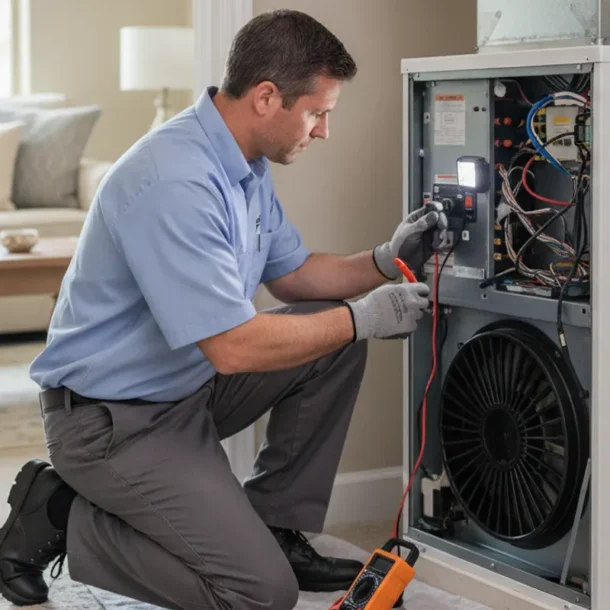
Before you commit to a heat pump, ask how the system will fit your home, how the installation will be scoped, and what service it may need afterward.
Short answer: Ask the contractor to explain the equipment choice, sizing method, heating and cooling performance, electrical requirements, ductwork condition, installation steps, warranty details, and maintenance plan. A useful proposal should connect those answers to your home rather than rely on a model number alone.
A heat pump can provide both heating and cooling, so selecting one affects comfort in more than one season. The right system depends on the home, existing equipment, ductwork, electrical setup, and the way the household uses each room. Asking questions helps you understand what the contractor has evaluated and what the proposal includes.
That matters in Dallas-Fort Worth, where the system needs to handle long periods of air-conditioning demand as well as heating weather. A conversation about equipment alone may miss important details such as airflow, thermostat control, or whether the old system’s electrical and duct connections suit the replacement.
Use the questions below to compare explanations, not just equipment names. If you are still learning how the equipment works, Garland Heating and Air Conditioning also has a homeowner’s heat pump guide and a separate overview of heat pump installation in DFW.
Ask what information the contractor will use to recommend capacity. The answer should explain how the home’s size, layout, insulation, windows, air leakage, ceiling height, and other relevant conditions influence the selection. A quick estimate based only on the existing unit or square footage may not explain whether the new system can meet the home’s actual heating and cooling needs.
Ask whether the evaluation accounts for rooms that are consistently warmer or cooler, additions, closed-off spaces, or large areas of glass. Share what you notice during hot and cold weather. Those observations do not replace a professional assessment, but they can help direct attention to comfort issues that should be considered.
Ask the contractor to review the accessible duct system, return-air paths, and supply airflow. Leaks, restrictions, or poorly balanced rooms can affect comfort even when the equipment is operating. Find out whether any duct corrections are part of the proposal or whether they are separate work. Do not assume that installing new equipment will automatically solve every room-to-room temperature difference.
Ask how the contractor will verify airflow and system operation after installation. A clear explanation should tell you what will be checked and how any concern found during the work will be discussed with you. If dust or debris in accessible residential supply and return ductwork is a separate concern, Garland Heating and Air Conditioning provides professional duct cleaning; cleaning is not a substitute for evaluating a heat pump or repairing a duct problem.

Ask for the proposed system’s model information and an explanation of how it is intended to serve your home in both modes. Ask how the system operates during colder conditions, whether it uses supplemental or backup heat, and what controls that operation. The answer should be specific to the proposed equipment and your home’s setup, not a general promise about all heat pumps.
Ask how the system will work with your existing heating equipment, if any. In some homes, a heat pump is installed as part of a configuration that includes another heat source. Confirm what equipment will remain, what will be removed, and how the controls will switch or coordinate operation. The proposal should state the intended configuration in plain language.
Ask whether your current thermostat is compatible with the proposed equipment and what functions the replacement thermostat will control. Confirm how heating and cooling modes are selected, how schedules work, and how the system handles supplemental heat if included. If you have comfort preferences such as different temperatures at different times, explain them before the contractor finalizes the control plan.
Do not assume that a new thermostat alone will correct a sizing, airflow, or installation issue. The contractor should describe which comfort concerns may be addressed through controls and which require separate evaluation.
Ask what assumptions support any energy-use or savings estimate. The answer should identify the equipment, the home’s conditions, your current system, and how you use heating and cooling. Treat broad savings claims cautiously when they are not tied to your home and usage. No single estimate can guarantee what a household’s bill will be.
Electrical demand is also worth discussing, especially if you are replacing a different type of system or planning other electrical work. A Lawrence Berkeley National Laboratory report on HVAC heat pump upgrades and household maximum demand says heat pumps generally add less than their rated electrical demand to household peak demand, while noting that some homes see a greater impact. Ask the contractor to review your particular electrical setup and explain whether any related work is included or separately quoted.
Ask whether the contractor will check the existing electrical service, circuit, disconnect, and wiring requirements against the equipment specifications. Find out if any electrical changes are anticipated, who would perform them, and whether the work appears in the written quote. Avoid assuming that a new outdoor unit will connect to the old setup without changes.
If you are considering other major electrical upgrades, mention them while discussing the project. The installer can explain what information is needed to assess the heat pump’s electrical requirements. Do not open electrical panels or attempt wiring checks yourself.
Ask for a plain-language sequence of work. Confirm which equipment will be removed, where the new indoor and outdoor components will go, what access the crew needs, and whether the project involves refrigerant lines, condensate drainage, duct connections, controls, or electrical work. Ask how the work area will be protected and how the crew will handle old equipment and debris.
Ask what could change the planned scope once the old system is removed or the installation area is inspected. A responsible explanation distinguishes planned work from conditions that may require a change and explains how you will be informed before added work proceeds. Make sure the quote states the equipment and the agreed scope clearly.
| Topic to compare | Question to ask | What a clear answer should cover |
|---|---|---|
| System selection | Why is this model and capacity recommended? | Home conditions, sizing rationale, and heating and cooling needs. |
| Electrical setup | Does my current electrical configuration meet the equipment requirements? | What was checked, possible changes, and whether they are in the quote. |
| Ductwork and airflow | What duct or airflow concerns did you find? | Observed issues, proposed corrections, and any work priced separately. |
| Installation scope | What work is included from removal through startup? | Equipment, labor scope, controls, cleanup, and how changes are approved. |
| Ongoing care | What maintenance and warranty requirements should I know? | Recommended upkeep, documentation, and where to confirm warranty terms. |
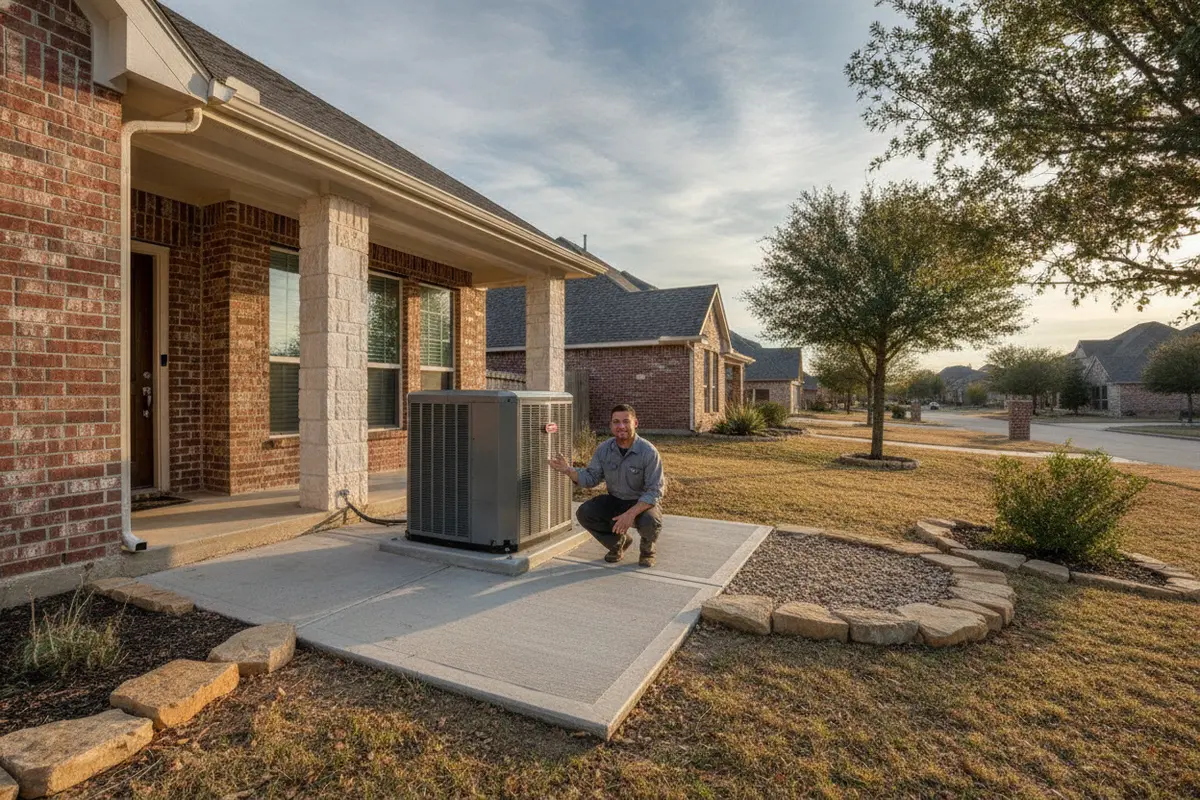
Compare the scope, not just the final number. Ask each provider to identify the equipment model, the work included, any proposed duct or electrical changes, thermostat or control work, removal of existing equipment, and startup checks. Ask whether permits or other project requirements apply to your installation and who is responsible for handling them. If an item is excluded, ask how that could affect the completed system.
Heat pump installation pricing is quote-based because the equipment and work depend on the home. Garland Heating and Air Conditioning can discuss a customized quote through its contact page. You can also read about common HVAC replacement cost factors before comparing proposals; use that information to frame questions, not as a substitute for a home-specific quote.
Ask who handles warranty questions, which documents you will receive, and what registration or maintenance steps apply to the specific equipment. Verify the terms in the manufacturer’s paperwork rather than relying on a verbal summary. Ask separately about labor coverage, since it may have different terms from the equipment warranty.
Clarify what service is available if the system has a problem after installation and what information you should keep. Save the proposal, model details, installation documents, and maintenance records in one place. If you are comparing financing, review the written terms directly and ask which options, if any, apply to your project; do not infer terms from a general conversation.
Ask which simple tasks you can safely handle, such as checking the filter and keeping the outdoor unit area clear of leaves or other debris. Ask how often to check or replace the filter for your particular system and household. The right interval can depend on the filter, system, and conditions in the home, so follow the equipment guidance and the installer’s instructions.
Keep the outdoor unit’s airflow path unobstructed and report unusual sounds, persistent icing, or a noticeable change in comfort rather than trying to take apart equipment. Ask where to find the model and service information. Garland Heating and Air Conditioning’s heat pump maintenance tips and heat pump lifespan guide can help you prepare follow-up questions about care and replacement planning.
Ask the installer what maintenance schedule they recommend for the system and what a service visit includes. A plan should cover the equipment’s operating condition and identify concerns that call for repair. If performance changes, the system repeatedly struggles to keep the home comfortable, or you notice an unusual operating sound, contact an HVAC professional rather than guessing at the cause.
For DFW homeowners, Garland Heating and Air Conditioning provides heat pump repair and maintenance along with installation and replacement. Review its Dallas-Fort Worth service area to confirm local coverage. The company is family-owned and has served the region since 1952.
Before signing, make sure you can answer these practical questions in your own words:
If an answer is unclear, ask the contractor to restate it and show where it appears in the written proposal. Compare alternatives on their documented scope and suitability, not on a single feature or sales claim. A careful discussion helps you understand what you are buying and what to expect from the installation.
Request a customized heat pump quote
Yes. A heat pump is designed to provide heating and cooling. Ask the contractor how the proposed model will serve your particular home in both modes and whether the installation includes any supplemental heat or other equipment.
That depends on the home’s needs, current equipment, ductwork, electrical setup, and the proposed system. Ask for an evaluation that explains the benefits and limitations of the recommended configuration. Compare written scopes before making a decision.
No single answer applies to every home. The contractor should check the electrical requirements of the selected equipment against your existing setup and identify any work that may be needed. Ask whether that work is included in the quote or handled separately.
Ask the installer for a schedule based on your equipment and its manufacturer guidance. Keep up with the homeowner tasks they identify, such as filter checks and clearing debris, and arrange professional service if performance changes or a concern appears.
Choose a contractor who can explain the proposed heat pump, the home’s requirements, and the full installation scope in language you understand. Ask for the important details in writing, compare complete proposals, and clarify any open questions before approving the work. Garland Heating and Air Conditioning can help DFW homeowners discuss heat pump installation, replacement, repair, or maintenance and request a customized quote.