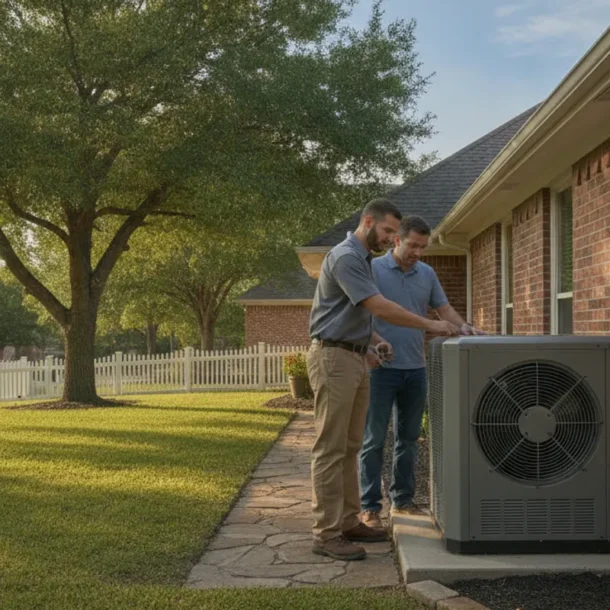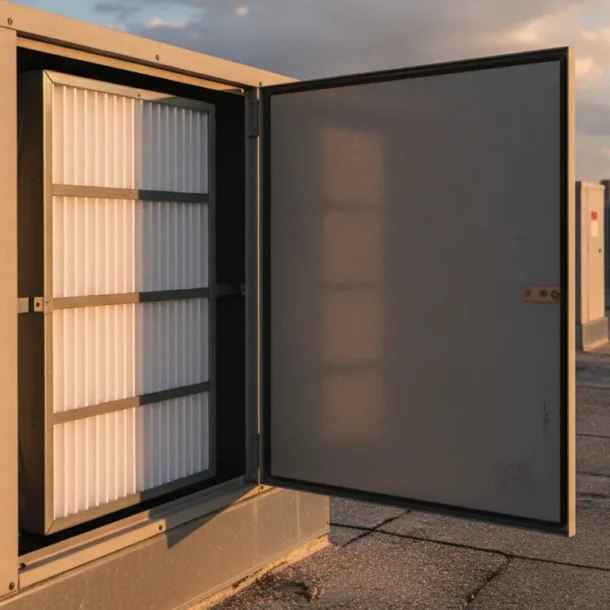

Planning dryer vent installation in a Texas home is about more than making a hole through a wall. The route, duct material, connection points, and outdoor termination all affect whether the dryer can exhaust air as intended. A thoughtful plan can help you avoid a long, awkward duct run or a vent that is difficult to inspect and maintain. Use these questions to understand the choices, prepare for an installation conversation, and spot issues that deserve a closer look.
Contact the team to discuss your project
A clothes dryer moves warm, damp air out of the appliance through an exhaust duct. If the duct is poorly routed, crushed, disconnected, or obstructed, airflow may be restricted and moisture may not leave the home as expected. That can mean longer drying cycles or a laundry space that feels unusually warm or humid. Those symptoms can have more than one cause, so they are clues to investigate, not proof that a vent is the problem.
Installation planning matters most when a dryer is being moved, a laundry room is being remodeled, or a new appliance is replacing one in a different location. The existing opening may not line up with the dryer outlet. A route that looks short on a floor plan may need to navigate framing, cabinets, or other obstacles. An installer should consider the appliance instructions and the applicable local requirements rather than assuming every home can use the same layout.
Dryer exhaust is different from heating and cooling ductwork. It carries lint as well as warm, moist air, so a smooth, appropriately sized route and accessible connections are important. Do not assume that a general-purpose flexible duct or a leftover piece of HVAC duct is suitable for a dryer. Check the dryer manufacturer’s installation instructions and ask a qualified installer to confirm that proposed materials and routing are compatible.
A practical route is usually as direct as the home’s layout and the appliance instructions allow. Every turn and extra length adds complexity. A route through an exterior wall may be relatively straightforward in some laundry rooms, while a room in the middle of a home may require a longer path. The route should be planned before cutting or altering the building so the installer can identify obstacles and the right termination point.
In a multi-story home or a laundry room far from an exterior wall, the route may involve a longer concealed section. That is a reason to get the path evaluated, not to improvise a shortcut or terminate the exhaust in an attic, crawl space, garage, or wall cavity. Dryer exhaust should discharge outdoors through an appropriate termination, following the appliance instructions and applicable local rules.
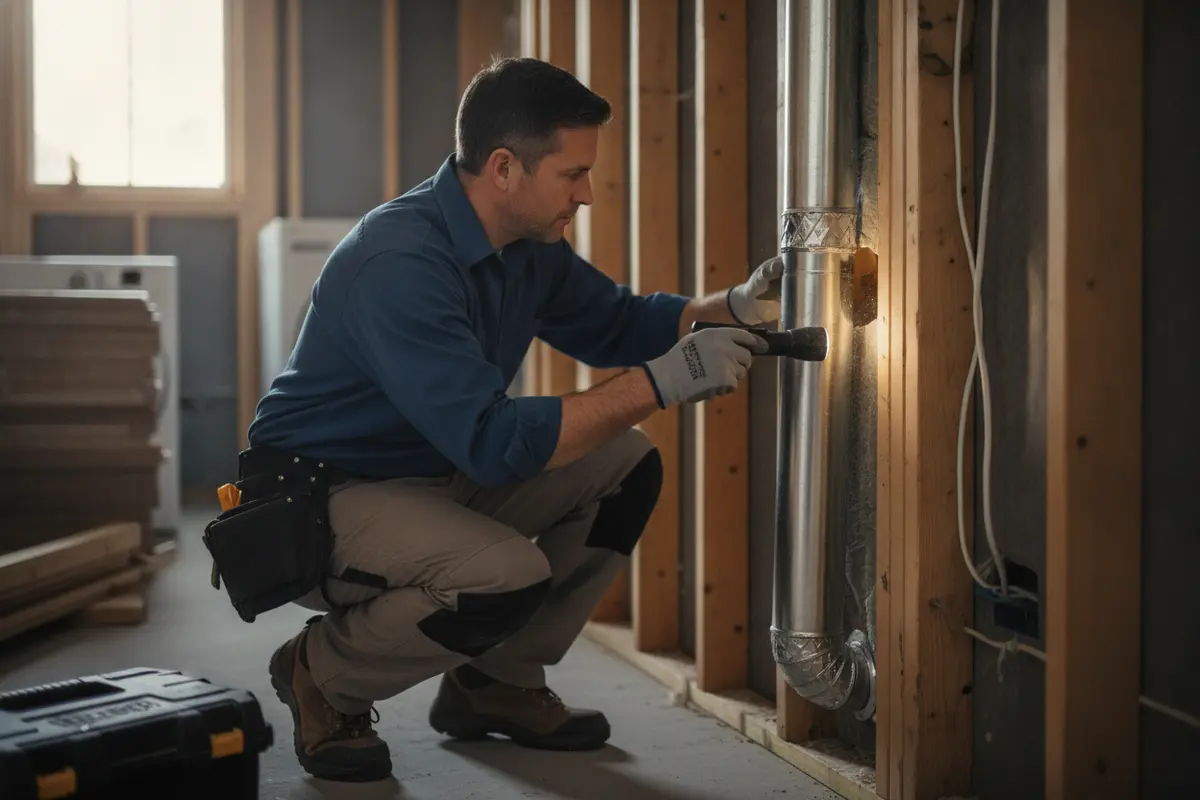
Material selection should be based on the dryer’s installation manual and local requirements. Many installations use smooth metal duct for the fixed route because a smooth interior is less likely to catch lint than a rough or ribbed surface. A short transition connection may be needed between the appliance and fixed duct. The exact permitted materials and transition arrangement depend on the appliance and applicable rules, so do not treat one material as universally correct for every installation.
Ask the installer to explain which portions will be rigid and which, if any, will be a listed transition duct approved for that use. The transition should not be crushed, kinked, or stretched beyond its intended use. A connection that is too long or compressed behind the dryer can undermine an otherwise sensible route. Avoid makeshift materials such as plastic or vinyl flex duct unless the appliance documentation and local requirements explicitly allow the specific product; when uncertain, ask for confirmation before work begins.
Good connections matter as much as the duct itself. Joints should be assembled and secured in a way that maintains the exhaust path and does not create an avoidable snag point for lint. Ask how the installer will seal or secure joints and whether the final connection will remain accessible. Do not cover a joint with a method that conflicts with the product instructions or local code. A professional should be able to describe the materials being used and why they fit the installation.
The outdoor termination is the point where exhaust leaves the house. It needs to be placed where the outlet will remain clear and where the selected termination is appropriate for dryer exhaust. A vent hood with a screen that traps lint can become obstructed, so ask whether the proposed termination is designed for a dryer and how it will be checked and cleaned. The outlet should not be hidden behind a shrub, blocked by stored items, or positioned where normal yard work is likely to cover it.
The installer should also check the exterior location in relation to openings and nearby features, following the appliance manufacturer’s directions and local requirements. Do not assume an existing opening is suitable simply because it is already there; its size, condition, and termination hardware may not match the new route. If the route exits through a roof or another unusual location, ask how the design will protect the opening from weather while allowing exhaust to discharge correctly.
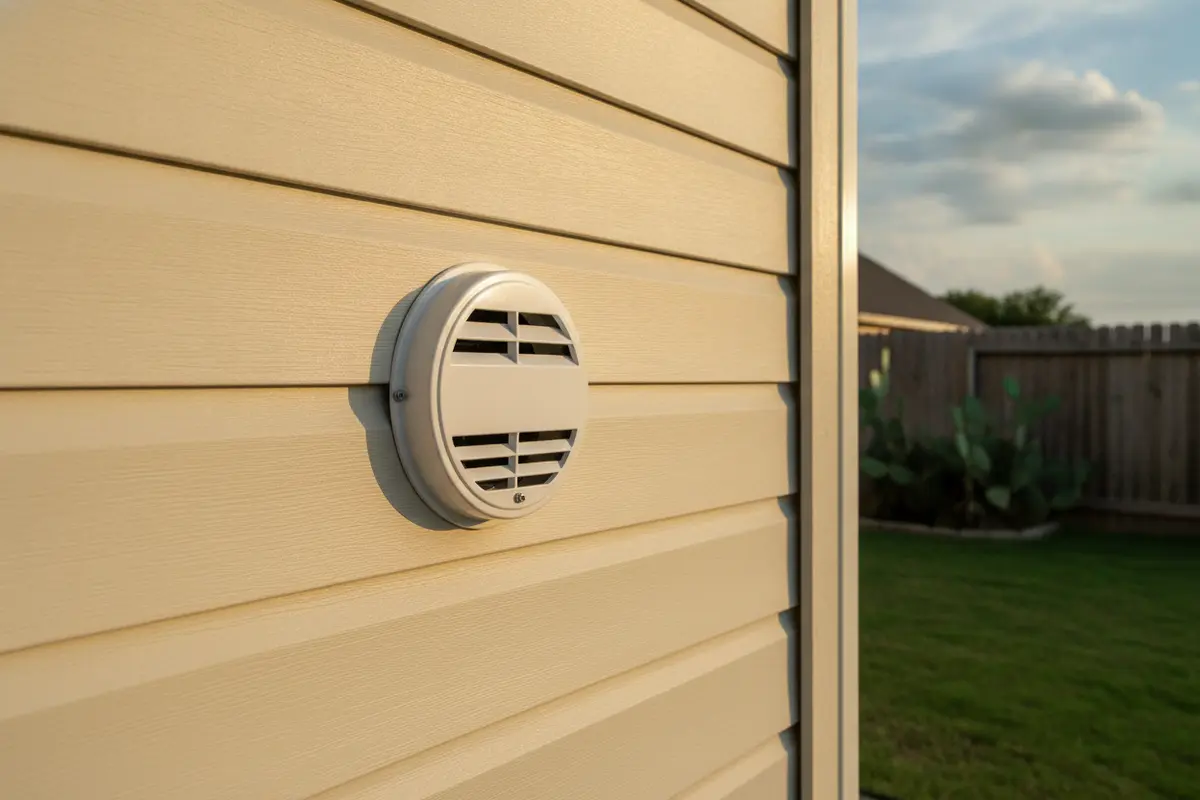
After installation, the outlet should be easy to locate for a visual check. The exterior flap or damper should be able to move as designed when the dryer operates, without being held open by debris. Keep plants, storage, and other obstructions away. For general fire-safety information, homeowners can consult the National Fire Protection Association; follow your appliance manual for dryer-specific operation and care instructions.
Texas homes vary widely, from older houses with established laundry rooms to newer layouts with laundry areas placed deeper inside the floor plan. The local climate does not change the need to follow the dryer’s instructions, but heat, humidity, and seasonal storms make it useful to think about the route and termination as part of the home’s overall moisture and weather planning. The exhaust must still go outdoors; it should not be redirected into an interior space to avoid creating an exterior opening.
In a hot, humid period, a poorly connected exhaust can add unwanted warm, moist air to a laundry area. If the room feels damp or the dryer takes longer than usual, first note what has changed: the load size, selected cycle, appliance, or vent route. Do not assume the home’s air-conditioning system is the cause. Garland Heating and Air provides HVAC information and service; its duct cleaning information concerns home ductwork, which is not automatically the same as a dryer exhaust duct. Ask directly whether a specific dryer-vent project is within the team’s scope before scheduling.
When the proposed route passes through a garage, attic, crawl space, or roof, make sure the plan accounts for access, weather exposure, and relevant local requirements. Never vent the dryer into one of those spaces instead of outdoors. If the home is part of a managed property or has shared walls, check any property rules and coordinate before exterior alterations. Local permit and inspection needs can depend on the scope and jurisdiction; confirm them with the appropriate local building department or qualified contractor rather than relying on a blanket rule.
The right option depends on the appliance, building layout, and locally applicable requirements. This table is a planning aid, not a substitute for the manufacturer’s instructions or a site evaluation.
| Planning choice | Potential advantage | Question to resolve |
|---|---|---|
| Short, direct route to an exterior wall | Fewer turns and a simpler path to inspect | Does the outlet location suit the appliance and exterior wall? |
| Longer route through the home | May work when the laundry room is not near an exterior wall | Is the total route permitted for this dryer, and can concealed sections be accessed? |
| Rigid metal fixed duct | Smooth interior and stable routing in many installations | Does the appliance manual and local code approve the selected duct and joints? |
| Transition duct at the appliance | Can allow the dryer to connect to the fixed route | Is the exact product approved, short enough, and protected from kinks or crushing? |
| Existing exterior opening | May reduce the need for a new penetration if suitable | Is its condition, size, placement, and termination hardware appropriate? |
| New exterior termination | Allows the route to be designed for the current laundry layout | Where can it discharge outdoors while remaining clear and serviceable? |
A short site conversation can reveal whether a proposal addresses the actual constraints. Before agreeing to work, ask for a clear description of the route, materials, termination, and any access or repair work that may be needed.
Keep the appliance model and installation manual available if possible. Tell the installer whether the dryer is gas or electric, where it currently sits, whether the location is changing, and what prompted the project. For example, a new laundry-room layout is a different planning problem from replacing a damaged exterior hood. Share any prior repairs or suspected blockages, but avoid diagnosing concealed conditions yourself.
Longer drying times, a dryer or laundry room that feels unusually hot, visible lint near a connection, or a damaged exterior termination can all be reasons to investigate. These symptoms are not a definite diagnosis: a clogged lint screen, appliance problem, unsuitable cycle, or other issue may also affect performance. Clean the lint screen as directed by the appliance manufacturer, and stop using the dryer if you notice a burning smell, smoke, or another immediate safety concern. Follow the manufacturer’s safety guidance and seek appropriate help.
Look only at accessible areas and do not pull apart a gas connection, electrical components, or concealed ductwork. If a transition duct is visibly crushed or disconnected, avoid operating the dryer until the situation has been evaluated. A professional can determine whether the issue is at the appliance connection, in the duct run, at the exterior outlet, or elsewhere. For broader questions about routine HVAC maintenance, keep in mind that dryer vent care is a separate task and should follow dryer-specific guidance.
Ask the installer to show you the route endpoints and explain any components that need periodic attention. Keep the appliance instructions with your home records, along with notes about the duct route and any concealed sections. Do not push the dryer back so far that it crushes the transition or disconnects the exhaust. If you move the appliance later, check that the connection is still intact before using it.
Make it a habit to keep the lint screen clean as directed and check that the exterior outlet is not obstructed. The appropriate interval for professional cleaning depends on the actual route, use, and appliance guidance; avoid promising yourself that a fixed schedule suits every home. If drying performance changes, record the symptoms and when they began. That information can help distinguish an appliance issue from a vent concern.
For a different heating or cooling concern in the home, Garland Heating and Air has resources on how a home HVAC system works and AC maintenance. Those systems serve different functions from a dryer exhaust. If you are unsure which kind of help is appropriate, explain the symptoms and project details when contacting a provider.
No. The dryer exhaust should discharge outdoors through a suitable termination, following the appliance instructions and applicable local rules. Do not direct it into an attic, garage, crawl space, or another interior area.
Possibly, but the existing route should be checked for condition, suitability, obstructions, and compatibility with the new appliance. A path that worked with an old dryer is not automatically appropriate after a remodel or equipment change.
Not necessarily. The acceptable route depends on the appliance instructions, duct configuration, and local requirements. Ask an installer to assess the total path, including bends and vertical sections, instead of judging by length alone.
That depends on your experience, the route, appliance instructions, and local requirements. Work involving concealed spaces, exterior penetrations, roof access, wiring, gas connections, or structural elements can require qualified help. Do not take on work you cannot complete safely and in compliance with applicable rules.
No. A dryer exhaust duct carries air from the dryer to the outdoors. HVAC ducts distribute conditioned air through a building. They are separate systems, so ask for the specific service you need and confirm that a provider handles it.
Ask Garland Heating and Air about your project
A sound dryer vent installation starts with a route and termination designed for the appliance and the home, then uses compatible materials and secure, accessible connections. Before work begins, ask how the full path will be handled, what rules apply, and how the completed installation will be checked. If you are planning a project in the Dallas-Fort Worth area, describe the home layout and the help you need so the provider can confirm whether it is a service they offer.