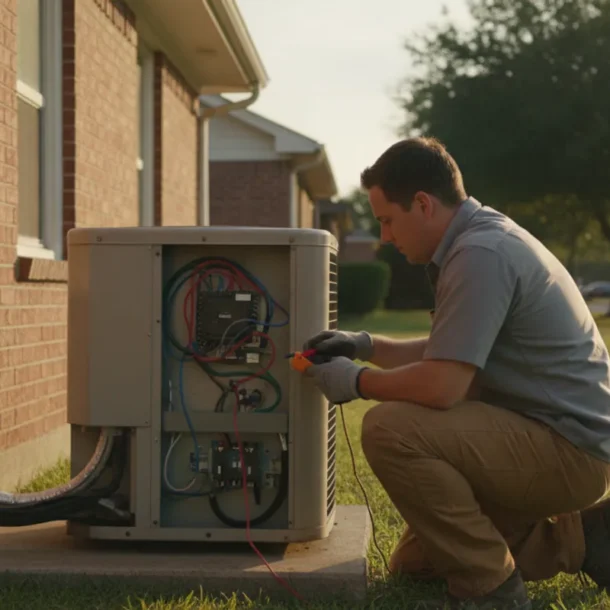


Ductwork replacement can change how conditioned air reaches rooms, so the right first step is understanding what work your home actually needs.
Answer: Ductwork replacement means removing some or all existing air ducts and installing new pathways between HVAC equipment and the rooms it serves. Before scheduling, ask a qualified contractor to assess duct condition, layout, access, airflow needs, and connections to the equipment. In Dallas-Fort Worth, attic exposure, insulation, and the home’s layout may shape the scope. The goal is a plan tied to observed conditions, not a blanket assumption that every duct needs replacement.
A project may involve one damaged run, several branches, or a larger portion of the system. Partial work may be appropriate when the other sections remain serviceable and connect properly. A wider replacement may be discussed when damage, poor routing, or other design concerns appear across multiple areas. Ask the contractor to identify which ducts are included and which will remain. The phrase “new ductwork” alone does not define the work.
Ducts move heated or cooled air from equipment through supply branches to rooms and provide return pathways back to the system. Depending on the scope, work may include connections, insulation, supports, and access points. Cleaning accessible ducts is different from removing and installing them. Garland Heating and Air Conditioning describes its separate residential duct cleaning service; cleaning does not replace damaged ducts or redesign a system.
Ducts and equipment function as one system. Room count, outlet locations, return-air paths, and the heating and cooling equipment all matter. If equipment may also be changed, discuss both projects together so the proposed duct arrangement can be considered alongside the planned system. Garland’s guide to planning a new HVAC system installation can help you prepare for that broader conversation.
Think of the duct network as a route from the equipment to each space and back again. A change to one route can affect the balance of the overall system. That does not mean every replacement requires a full redesign; it means the proposal should explain how new sections will connect to the existing layout and equipment.
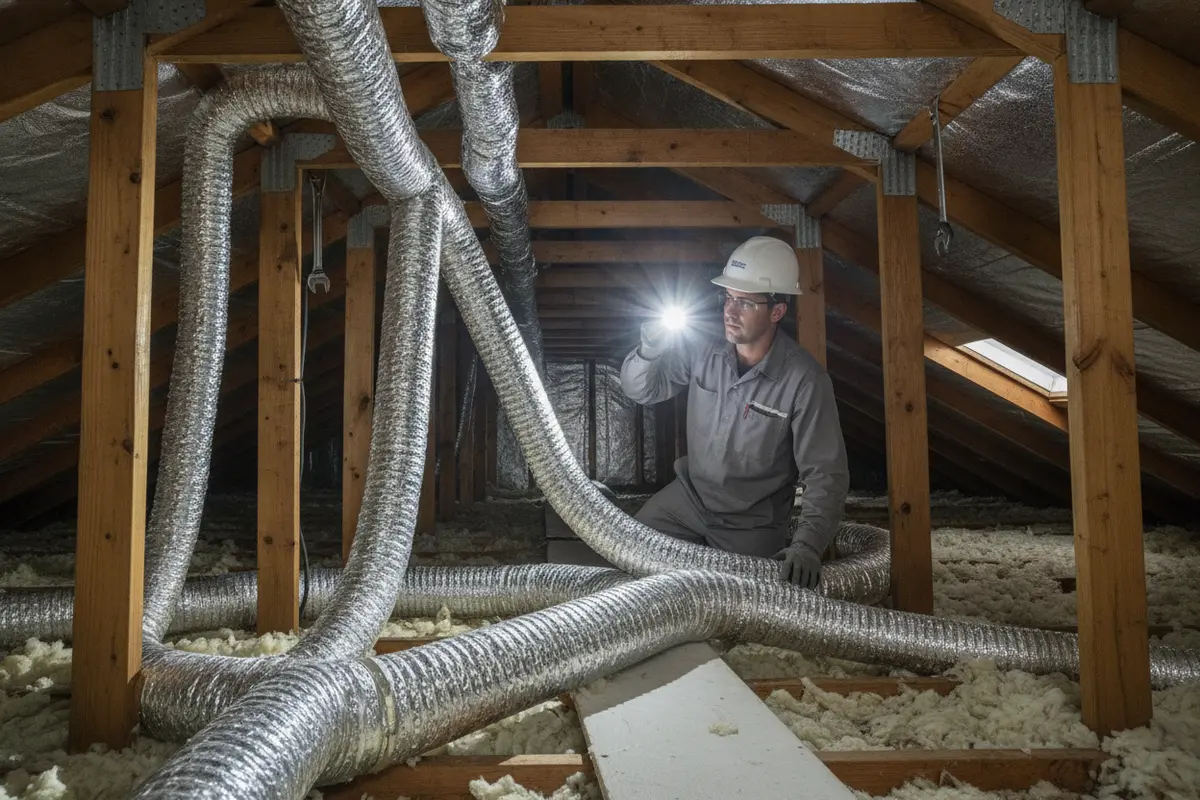
Crushed, disconnected, deteriorated, or visibly damaged ducts deserve attention. Possible clues include weak airflow at a register, rooms that are difficult to heat or cool, or unusual dust near a vent. These symptoms do not prove that ducts need replacement. Filters, equipment, controls, and other conditions can affect comfort too. An inspection helps distinguish a duct issue from another cause.
Look for a pattern, not a single moment. If a register seems weak, compare it with other rooms while the system is running under the same conditions. Note whether the concern is new, recurring, or limited to one season. Do not pull down insulation or move a duct to investigate; document what you can see safely and let the contractor inspect concealed or difficult areas.
Repeated hot or cold spots can justify an assessment, especially when they persist after ordinary thermostat and filter checks. Room exposure, insulation, airflow balance, equipment condition, and duct layout may all contribute. Record when the issue occurs, which rooms are affected, and whether it changes between heating and cooling seasons. Ask the contractor to explain the observations that support any proposed work.
For example, a west-facing upstairs bedroom may feel warm late in the afternoon while nearby rooms remain comfortable. That observation is useful, but it does not identify the cause by itself. Share when the problem starts, whether the door is usually open or closed, and whether airflow feels different at that room’s register. Those details help focus the inspection without assuming a duct is at fault.
A remodel, added room, or change in how a space is used can alter airflow needs. Existing routes may no longer serve the updated layout well. Share the planned use of each room before work begins and ask how the proposed supply and return arrangement will address it. Duct cleaning is a different service; Garland’s overview of how duct cleaning works explains the distinction.
Ask the contractor to inspect accessible runs and connections, identify damage or disconnections, and explain any areas that cannot be seen without additional access. Ductwork in North Texas homes may run through an attic or confined space. Access conditions affect how work can be performed, so clarify whether the proposal assumes clear access and whether preparation or separate access work is needed.
A useful walkthrough follows the system rather than looking at one obvious spot. Ask how the contractor traced the relevant supply and return paths, which sections were visible, and where access was limited. If part of the system is hidden, ask what the estimate assumes about its condition and how a newly discovered issue would be discussed before extra work begins.
Describe the rooms that feel uncomfortable and the conditions when it occurs. Ask how the assessment accounts for the home’s layout, supply outlets, return paths, and equipment. A larger duct or full replacement is not automatically the right solution. The design and connections need to fit observed conditions. If the assessment points to an equipment concern instead, Garland also provides AC repair and maintenance service.
It can help to make a simple room list. Note the room name, whether it has a supply register and a return path, what the comfort issue feels like, and when you notice it. Do not try to calculate duct sizes or adjust dampers as a substitute for assessment. The list is a practical record of your experience, not a technical diagnosis.
Ask whether insulation and connections are part of the evaluation and written proposal. The contractor should explain the sections and materials included, how joints will be connected, and what is excluded. Requirements can vary with the work and jurisdiction, so ask who will confirm applicable code or permit requirements rather than assuming a generic checklist applies. The U.S. Department of Energy provides general information about home energy; discuss the specific requirements for your project with the contractor and relevant local authority.
Also ask whether the proposed work includes supports, sealing at connections, and any work needed to maintain insulation where ducts pass through unconditioned areas. The answer should be specific to the scope, not an unsupported promise of a particular energy result. A clear proposal describes what will be installed and how it will tie into the rest of the system.
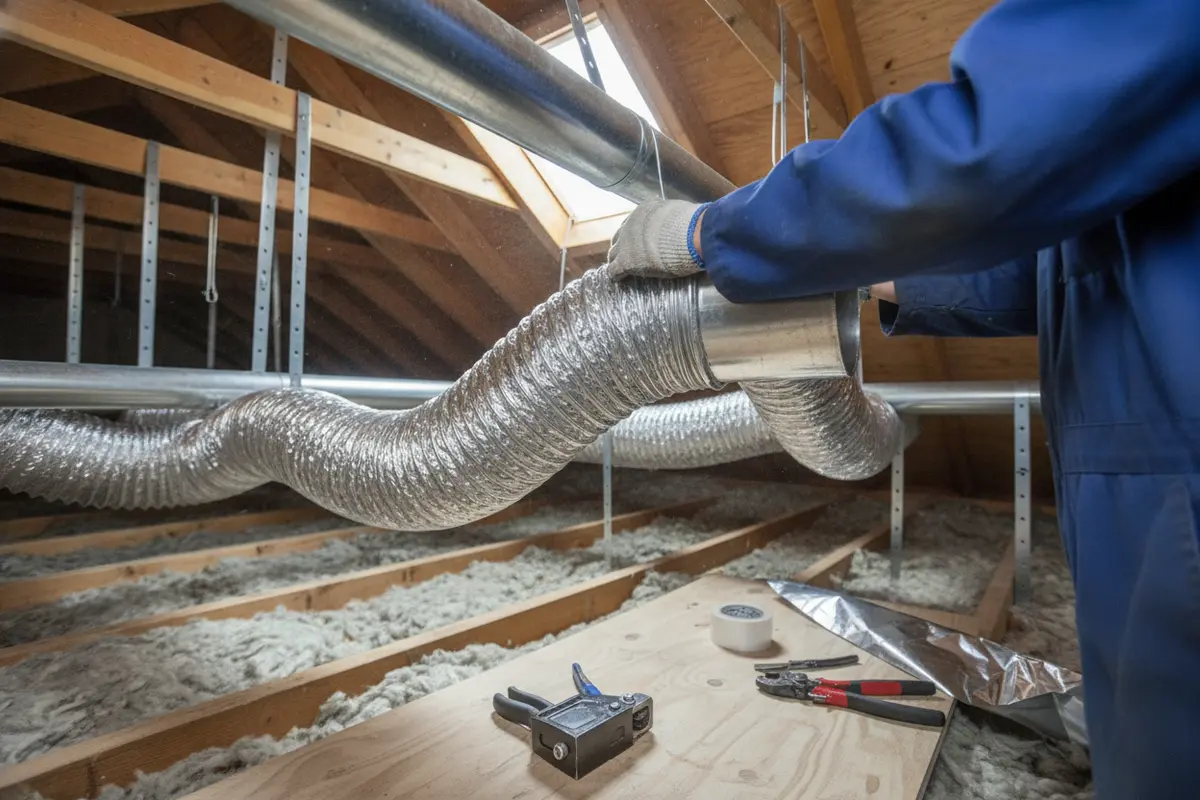
Request a written, itemized scope. Each home’s access, system, and duct condition differ, so pricing is quote-based rather than a universal figure. Garland Heating and Air Conditioning can discuss a customized quote through its contact page. Compare what each proposal includes, not just the total. Ask whether removal and disposal, access work, insulation, reconnection, cleanup, and any checks are included. Do not assume an item is covered unless the written scope says so.
A useful proposal identifies the rooms or duct sections involved, the work to be done, and relevant assumptions. Ask for clarification if it uses phrases such as “repair ductwork” or “replace as needed” without marking the affected areas. Confirm how concealed conditions will be handled if they differ from what was visible during the assessment. Before approving a change, ask to see the revised scope and understand its effect on the quote and schedule.
| Proposal detail | What to check | Question to ask |
|---|---|---|
| Work area | Rooms, branches, or full system included | Which ducts are replaced, and which remain? |
| Materials and insulation | Duct type, insulation, and connection components described | What materials are included in the stated scope? |
| Access and preparation | Attic access, protection, and exclusions | What preparation should I complete before the crew arrives? |
| System coordination | How work connects to existing or planned equipment | Will equipment or airflow concerns be assessed? |
| Price and schedule | Written quote, assumptions, and expected sequence | What could change the quote or timeline? |
Two totals are hard to compare if one quote covers a few branches and another covers supply and return pathways throughout the home. Put proposals side by side and mark the rooms, components, and tasks included. Note exclusions and allowances, then ask each contractor to clarify differences. A lower total may reflect a smaller scope rather than better value. Request revisions if the description is too general to tell what the crew will do.
For instance, imagine one proposal names three damaged runs and includes their insulation and reconnection, while a second says “replace attic ductwork” without listing the included runs. The totals alone cannot tell you whether the offers are equivalent. Ask the second contractor to specify the sections and ask both to clarify removal, disposal, cleanup, and any access assumptions. This turns a price comparison into a comparison of defined work.
Find out which areas need access, how the work area will be protected, and whether heating or cooling will be unavailable during part of the project. Ask what checks are planned after installation and how completed work will be explained. These details help you plan and clarify what completion means before work starts. Ask who will walk you through the work and how you can raise a concern if a room still has the same comfort issue.
Specific observations are more helpful than saying the system “doesn’t work well.” For example, note that a back bedroom remains warm on sunny afternoons while nearby rooms are comfortable, or that a register’s airflow changed after a renovation. These examples do not diagnose the cause, but help focus the assessment. If multiple people use the home, ask whether they notice the same pattern or different symptoms at different times.
Before the visit, identify the attic hatch or other access point and ask whether stored items should be moved. Keep pets and household members away from the work area, and tell the contractor about any access restrictions or fragile finishes. Ask what areas need to be clear and whether the team expects to enter bedrooms, closets, or a utility space. Confirm who will be home to answer questions and review the scope.
For planning purposes, ask about the expected sequence rather than relying on a generic duration. Scope, access, and conditions found on site can affect the work plan. Clarify whether the system can operate during the project and what the contractor recommends if weather makes indoor temperature control a concern. Avoid promises about timing that are not stated in your quote.
Do not climb into an attic or handle electrical or HVAC components if access is unsafe or unfamiliar. Avoid moving or disconnecting ducts yourself. If you see significant damage, water, or a suspected electrical hazard, keep clear and arrange appropriate professional help. An assessment can determine whether replacement is the right next step or another issue should be addressed first. For questions about HVAC repair or service needs, Garland’s homeowner HVAC system guide offers a starting point for understanding system components.
Review the written scope, access assumptions, quote, and anticipated schedule. Ask how changes will be communicated if the crew finds a concealed issue and who will approve added work. If your concerns involve a larger system change as well as ducts, review AC installation and replacement information and discuss both needs together. When the project also involves heating equipment, Garland’s heating installation and replacement page may help you frame the conversation.
Use the assessment to get clear, comparable answers. You can bring this checklist to a call or walkthrough:
Clear answers make it easier to decide whether proposals describe comparable work. If equipment replacement may be part of the project, review Garland’s AC replacement information and discuss both needs together. You can also check Garland’s Dallas-Fort Worth service area information when confirming whether your community is covered.
No. Weak airflow or uneven temperatures can have several causes, including equipment or airflow issues. Request an assessment that explains the observed cause before deciding on replacement.
Sometimes. The appropriate scope depends on the condition and layout of the remaining ducts and how they connect to the system. Ask why a partial or broader project is recommended and what condition the existing sections are expected to remain in.
No. Cleaning addresses accessible ductwork; replacement removes and installs duct sections or a system. The appropriate work depends on condition and purpose. If you are uncertain which service you are asking about, describe the symptoms and ask the contractor to explain the difference before quoting work.
Cost depends on scope, materials, access, and conditions found in the home. Request a customized written quote and compare inclusions and exclusions rather than relying on a generic price. Ask what could change the quote and how you will approve any revised work.
Not automatically. Discuss the condition, configuration, and compatibility of the existing ducts with the planned equipment. Ask for the reasoning behind any proposed duct work, and make sure the equipment and duct scopes are described clearly enough to compare.
If you are considering ductwork replacement in Garland, Richardson, Plano, or elsewhere in Dallas-Fort Worth, gather your comfort observations and ask for an assessment of the actual duct system. Garland Heating and Air Conditioning has served the region since 1952 and provides residential and commercial HVAC services. For a planned project, use the contact page to discuss a customized quote and confirm the proposed scope.
Contact Garland Heating and Air Conditioning to discuss a customized quote
Use the assessment and written scope to decide whether replacement fits your home’s needs and to plan the work with fewer surprises.