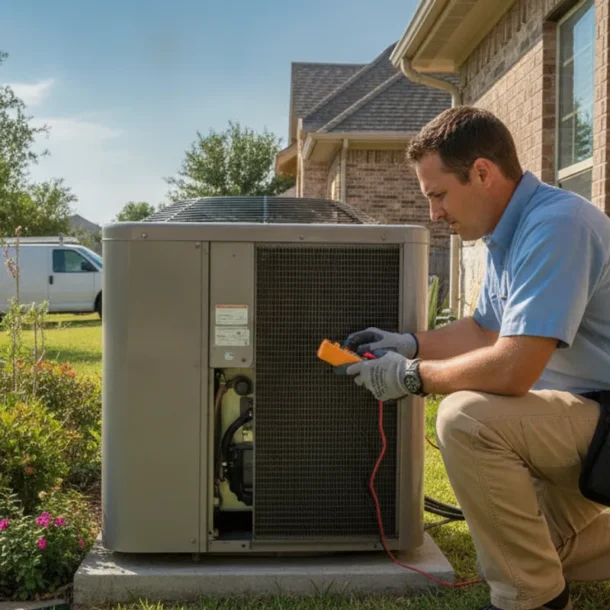

If you’re asking how much a new AC unit costs to install, the answer depends on both the equipment and the work required at your home.
Request a customized AC installation quote
Quick answer: There is no single reliable price for every new AC installation in Dallas-Fort Worth. The total depends on the system selected, your home’s cooling needs, the condition of existing equipment and ductwork, and any electrical, drainage, access, or code-related work. Ask for a written, itemized quote based on an evaluation of your home rather than relying on a broad online number. A useful quote should tell you what system is proposed, what work is included, and what conditions could change the scope.
A new air conditioner is not just a piece of equipment delivered to the driveway. Installation includes choosing a system that fits the home, removing or adapting existing components as needed, connecting the equipment, and checking its operation. A quote can change substantially when a project involves more than a straightforward equipment replacement. Think of the total as two related parts: the selected equipment and the labor and materials needed to install it in the actual home.
The system configuration matters. A central split system, for example, has indoor and outdoor components that must work together. The appropriate capacity depends on the home’s cooling load, not simply a guess based on square footage or the size of the old unit. A system that is too small may struggle to keep up in hot weather, while an oversized system may cycle differently than intended and can affect comfort.
Efficiency choices also influence the equipment portion of a quote. Compare the specifications of the complete systems being proposed, including the indoor and outdoor components, rather than comparing model names in isolation. A higher-efficiency option may have a different initial price; whether that trade-off makes sense depends on your usage, comfort priorities, and budget. Ask the installer to explain the options in plain language and identify exactly which model combination each quote covers.
Some homes may be evaluated for a heat pump system, which can provide heating and cooling. A public cost page from Falls Church, Virginia, illustrates that published installation costs may depend on equipment type and local circumstances; it is not a DFW AC quote or a price guide for your home. Use any broad online figure as background only, then compare the actual system and project scope proposed for your property.
For an overview of the factors that affect equipment choices and installation planning, see this guide to AC installation cost factors in DFW. It is useful background, but a home-specific quote still requires evaluating the actual project.
Replacing an existing unit with a compatible system can involve different work from installing air conditioning in a home that has never had it. The technician should determine what can remain, what needs adjustment, and whether the indoor coil, refrigerant lines, electrical connections, condensate drainage, thermostat, or equipment pad need attention. The answer depends on their condition and compatibility with the selected system.
Access can matter, too. An attic air handler, tight closet, rooftop location, or difficult route for moving equipment may add labor or require a different installation plan. If the project includes repairing or modifying ductwork, that scope should be described clearly rather than folded into a vague equipment allowance. Ask whether the quote assumes the existing setup is reusable and how you will be notified if the installer finds something different once work begins.
It also helps to separate standard installation steps from optional improvements. A proposed thermostat change, duct adjustment, or other upgrade may be reasonable for a particular home, but you should know whether it is necessary for the selected equipment, an optional comfort improvement, or outside the quoted work. A clear explanation makes it easier to compare proposals without treating every line item as an automatic requirement.

A useful quote starts with the house, not with an assumption that the old unit’s size must be repeated. A careful assessment helps match the system to the home and identify work that could otherwise appear as a surprise later. Before the visit, make a short list of comfort concerns and changes to the home; you do not need to diagnose the equipment yourself.
Two homes with similar floor areas can have different cooling needs. The number and arrangement of rooms, ceiling height, insulation, window area, air leakage, shade, and sun exposure all affect how heat enters and moves through the home. Additions, converted garages, and rooms that are unusually warm or cold are also worth pointing out during the visit.
Tell the evaluator where comfort problems occur and when they are most noticeable. Is an upstairs room uncomfortable all afternoon, or does one side of the home feel warmer when the sun is strongest? That information can help focus the assessment on airflow and distribution, not only the outdoor condenser. If the house has had renovations since the existing system was installed, mention them. A change to the building can make the old equipment size a poor guide for a replacement.
Duct condition and airflow are part of the installation conversation because new equipment must work with the home’s air-distribution system. Ask whether the existing ductwork appears suitable for the proposed system and whether any repairs, sealing, or balancing are recommended. If a contractor identifies a specific duct concern, request an explanation of its location, the proposed work, and whether it is included in the quote. You can then distinguish an identified project need from a general recommendation that is not part of the replacement scope.
Professional duct cleaning is a separate service, not an automatic requirement with every AC installation. Garland Heating and Air Conditioning offers cleaning of accessible residential supply and return ductwork. Ask whether a separate evaluation is appropriate for your home; do not assume cleaning is included in an equipment replacement unless the quote says so. Learn more about the company’s duct cleaning service.
Location also affects the practical installation plan. A unit needs an appropriate place with access for service and enough room around it. The indoor equipment must connect to the system and drain as intended. The technician should explain any site-specific changes before work begins. For example, if a condenser must be moved or the indoor unit is difficult to reach, ask how that affects the planned work and whether the quote reflects those conditions.
Comparing only the bottom-line totals can hide differences in equipment and included work. Ask each company to describe the proposed system and project scope in a consistent format. Then compare what you are actually being offered. If possible, gather the same basic information for each quote: equipment model, size, efficiency details, included work, exclusions, and conditions that may change the scope.
| Quote item | What to compare | Question to ask |
|---|---|---|
| Equipment | System type, capacity, efficiency specifications, and included indoor and outdoor components | Are these complete system details, and why do they fit my home? |
| Home assessment | How room layout, comfort concerns, and home conditions informed the recommendation | What did you evaluate to choose this size and configuration? |
| Installation labor | Removal of existing equipment, placement, connections, and startup checks | Which installation steps are included in this total? |
| Duct and airflow work | Any repairs, modifications, or balancing listed as part of the project | Is this work needed, optional, or excluded? |
| Electrical and drainage | Any changes identified for the system’s connections or condensate handling | What conditions could change this part of the scope? |
| Controls and removal | Thermostat provisions and handling of old equipment | Are these items included or listed separately? |
| Quote terms | Written total, assumptions, exclusions, and process for approved changes | What could cause the final scope to differ? |
Use the table as a checklist, not as a promise that every project needs every item. A clear quote should identify which tasks apply to your home and which do not. If one proposal is much lower, ask whether it includes the same system and work. If another is higher, ask the contractor to explain the difference rather than assuming that a higher total means better performance. The important comparison is like for like: equipment details, site assumptions, and work included.
For instance, imagine one proposal includes a compatible indoor coil and removal of the old system, while another lists only an outdoor unit and leaves related work unclear. The totals would not describe the same project. Ask the companies to clarify the difference in writing before deciding. Also ask whether the stated amount depends on an assumption about existing electrical or duct conditions, so there is a clear process if inspection reveals a change.
For a broader planning perspective, Garland Heating and Air Conditioning also has information on new AC unit cost considerations for Texas homeowners and HVAC replacement planning. Neither replaces a project-specific quote.
Ask for the proposed model information and a written description of the installation. Confirm whether the quote includes equipment removal, the indoor and outdoor components, thermostat work, startup checks, and any work identified during the home evaluation. Ask which items are excluded, such as duct repairs or electrical changes, and how the company will handle an unexpected condition. If the answer is that additional work might be needed, ask how the issue will be explained and approved before the scope changes.
Ask why the selected capacity and configuration suit your home. If the recommendation is based mainly on the existing unit or a quick estimate of floor area, ask what other factors were considered. You should be able to understand the difference between the available options and how each one addresses your priorities. A straightforward explanation should connect the recommendation to the home’s layout, reported comfort issues, and existing system.
It can also help to keep notes about your comfort goals. Perhaps the priority is more even temperatures, a replacement that fits the existing layout, or an option that uses energy more efficiently. Tell the installer what matters most, then ask how each proposed system responds to that goal. When comparing efficiency options, ask the installer to explain how the equipment specifications relate to your stated priorities.
Clarify the expected sequence, how the work area will be accessed, and how the old unit will be removed. Ask who to contact if questions come up and whether any possible extra work requires your approval first. Do not rely on a verbal assumption about price or scope; ask that important details be documented in the quote. If there are multiple equipment options, ask for each option to be described separately rather than bundled into a single figure that is hard to compare.
Financing options may be available, but terms and eligibility can vary. If financing is important to your decision, ask Garland Heating and Air Conditioning about current options and review the details before making a choice. You can read more about HVAC financing options for Texas homeowners.
The exact steps depend on the house and the equipment, but understanding the general sequence helps you prepare. Before the appointment, confirm access to the indoor equipment, outdoor unit, thermostat, and any relevant utility or electrical areas. Move fragile belongings away from the work route and let the installer know about pets, parking, or access restrictions. If you have a particular concern about floors, storage, or working around a home office, mention it before the crew starts.
Ask the technician to show you the thermostat settings and explain any maintenance or filter guidance relevant to the installed system. Keep the equipment and model information, written scope, and any product documents together for future reference. If you are unsure about an instruction, ask for a demonstration while the installer is still there rather than trying to remember it later.
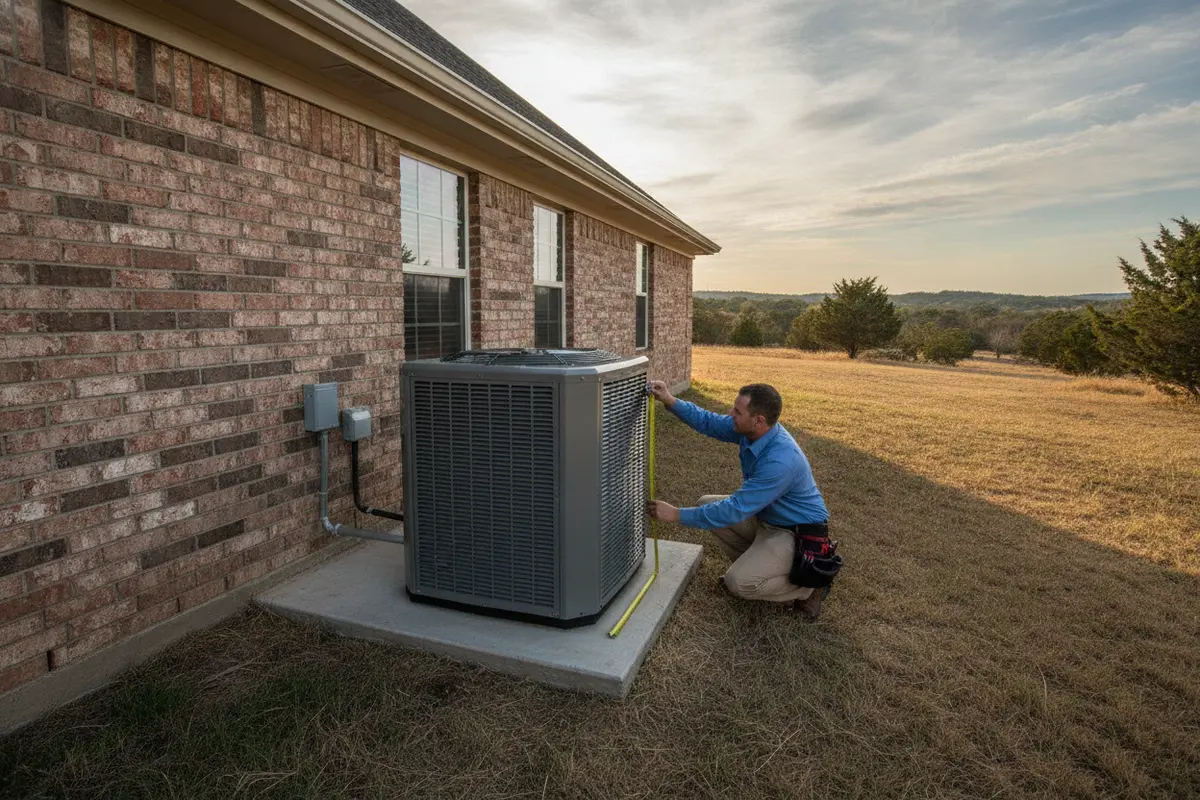
Garland Heating and Air Conditioning serves residential customers across the Dallas-Fort Worth area. If you are considering more than an AC replacement, the company’s new HVAC system installation guide can help you think through a wider system project. For questions about system sizing, see the Texas AC sizing guide.
Start by collecting the information that will make the evaluation more useful. Note the age and type of the existing equipment if known, rooms that do not stay comfortable, recent home changes, and any previous repairs or airflow concerns. You do not need to diagnose the system yourself. These observations simply help the technician understand what you are experiencing. If you have equipment paperwork or a previous quote, keep it available, but do not assume the existing recommendation still fits after a renovation or a change in comfort needs.
During the visit, walk through the home and point out the rooms you mentioned. Share when the problem occurs, whether doors are usually open or closed, and any changes made to insulation, windows, or the layout. This does not replace a technical assessment. It gives the evaluator useful context for asking follow-up questions and comparing the existing setup with your goals.
Then decide what you want the quote to help you compare. If your main goal is a direct replacement, say so. If you want to compare efficiency levels or address uneven cooling, ask the contractor to show how those choices affect the proposed equipment and scope. A quote-based process is more dependable than choosing a system from an online price alone because local home conditions and project details matter.
Make a simple notes sheet with the same questions for every proposal: What equipment is included? What work is part of the quoted scope? What is excluded? What conditions could lead to a change? Which choice best fits the comfort and budget priorities you described? Taking notes while each option is explained can prevent confusion when model names or technical terms begin to sound alike.
For a DFW home, also consider the equipment location, access, and condition of the existing duct and electrical setup. These details can vary between homes even within the same neighborhood. A house in Garland, Richardson, Plano, or another part of the metroplex needs an evaluation based on its own layout and equipment, not an assumed regional flat rate.
Garland Heating and Air Conditioning has served the Dallas-Fort Worth area since 1952 and provides residential HVAC installation and replacement. Contact the company for a customized quote based on your home and selected system. If you are comparing a replacement with a broader project, explain that at the outset so the proposed scope reflects what you want to evaluate.
When reviewing the written proposal, check that you can answer three basic questions before you approve it: What system am I getting? What specific work is included? What happens if the installer finds a condition that changes the plan? If any answer is unclear, ask for clarification in writing. That practical check can make two very different quotes easier to understand and helps you make a decision based on scope, not a headline total alone.
Contact Garland Heating and Air Conditioning to discuss your AC installation
Use the existing unit as background information, not as the only basis for a decision. Home changes, comfort problems, and the system’s prior fit should be considered during an evaluation. Ask the installer to explain the capacity recommendation for your home.
No. Whether any duct repair or modification is appropriate depends on the existing system and the proposed equipment. Ask the contractor to describe any identified concern and list the work separately so you can understand what is recommended.
Quotes may propose different equipment, project scope, or treatment of existing components. Compare system specifications and included work line by line, and ask each company to explain exclusions and assumptions before comparing totals.
A general online figure cannot account for all the equipment and site conditions that shape an installation. Request a customized, written quote that describes the selected system and the work included. Garland Heating and Air Conditioning can discuss your project through its contact page.
The best way to understand what a new AC installation will cost is to compare clear, home-specific quotes that explain both the equipment and the work.