
When summer heat puts pressure on an aging system, finding the right local installer can make the difference between a rushed replacement and a system that fits your home.
Request a customized installation quote
In brief: “New air conditioner installation near me” means finding a nearby HVAC provider who can assess your building, recommend a properly sized system, explain the installation plan, and support the equipment after setup. For Dallas-Fort Worth homeowners, a useful comparison looks beyond distance: check that the provider understands local conditions, evaluates the house rather than guessing from square footage alone, and clearly explains the scope of work and quote.
The phrase usually signals a local service need, not one specific kind of air conditioner. You may be replacing an older central system, installing cooling in a home without it, or planning a new system for a remodel or addition. “Near me” is the location part: you want a provider that serves your address and can assess the building in person.
That local assessment matters because the right equipment depends on more than the city on your utility bill. The home’s layout, insulation, windows, duct condition, heat gain, and how rooms are used all affect comfort. An installer should gather details and explain the recommendation, rather than treat a large unit as automatically better.
A complete central AC installation can involve reviewing the existing equipment, selecting a suitable system, preparing the indoor and outdoor locations, making required connections, checking airflow, and testing operation. The exact scope depends on the property and whether existing components can be reused. A replacement may be different from a first-time installation or a project that changes ductwork.
Ask what the quote includes. Confirm whether it covers equipment, labor, removal of old equipment, adjustments to the existing system, startup checks, and any work that may be needed if an inspection reveals a problem. Written scope helps you compare proposals fairly.
For a DFW property owner, “near me” should mean more than a short map distance. Confirm that the company serves your specific community and property type. Garland Heating and Air Conditioning is a family-owned HVAC provider serving the Dallas-Fort Worth metroplex since 1952. Its DFW service area information can help you check whether your location is covered.
Not every cooling problem means the whole system needs replacement. A repair may be appropriate when the issue is limited and the rest of the equipment is in suitable condition. Installation becomes a stronger possibility when the current system cannot reliably cool the home, when important components are failing, or when you are planning a building change that requires different capacity.
If the unit has stopped cooling during extreme heat, follow safe, basic checks and arrange service if the issue remains. Do not open electrical panels or handle refrigerant. The AC repair and maintenance service page explains the service route for a system that may need diagnosis before you decide on replacement.
When the cause of poor cooling is uncertain, ask whether a service visit can identify the problem before you commit to new equipment. A clogged filter, restricted airflow, a control issue, or a duct problem may call for a different response than a failed system. A diagnosis gives you a clearer basis for deciding whether to repair, replace, or request a second opinion.
A sound recommendation starts with the building and the people using it. The contractor should ask questions, inspect relevant parts of the system, and describe how the proposed equipment will serve the space. If an installer recommends a specific size after only asking for the home’s square footage, ask how other factors were considered.
Room arrangement, ceiling height, window size and direction, shading, insulation, air leakage, and occupancy patterns can influence cooling needs. A second-floor room under a sun-exposed roof may behave differently from a shaded room on the first floor. These details help explain why two houses with similar square footage may not need identical equipment.
Existing ductwork affects how cooled air reaches each room. The contractor should note visible damage, disconnected sections, access limits, or airflow concerns. If the equipment is replaced but a major distribution problem remains, comfort may not improve as expected. Ask whether duct condition or airflow balancing is part of the proposal or a separate recommendation.
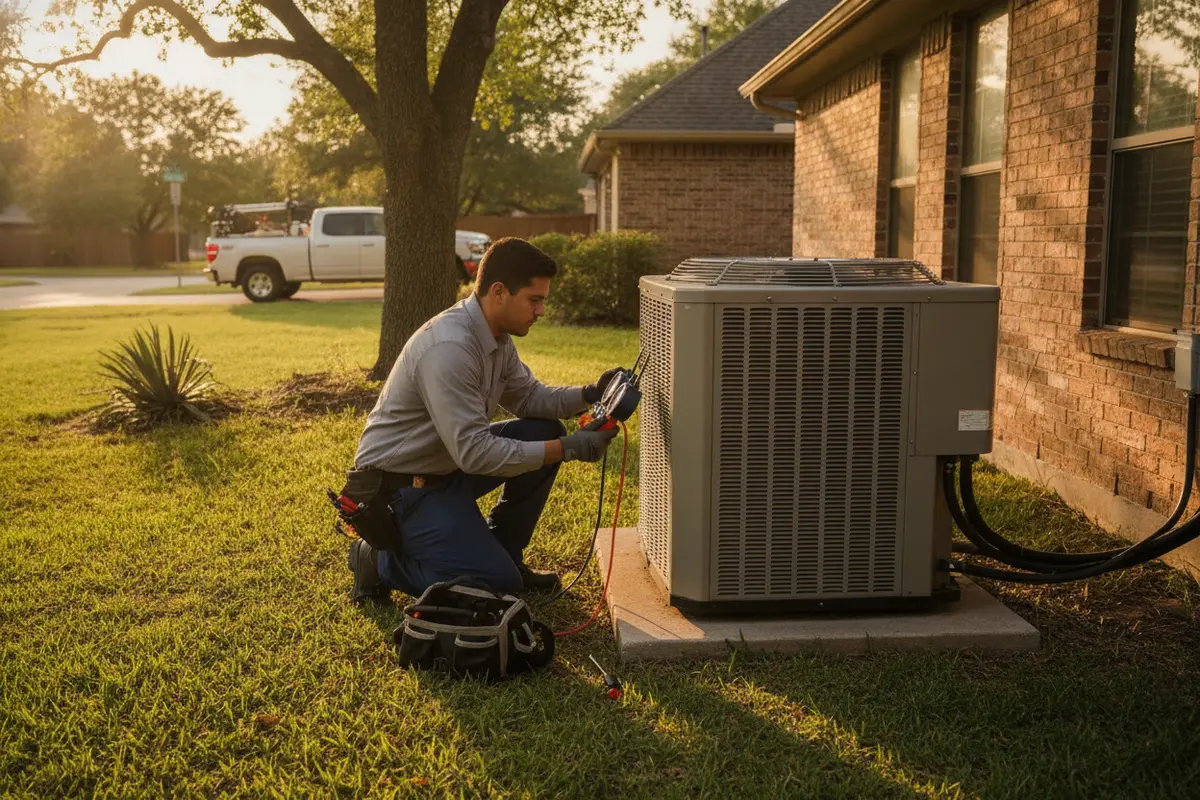
The indoor and outdoor units need appropriate locations and clear access for installation and future service. Existing electrical, condensate drainage, refrigerant lines, and controls also need review. The work plan should identify any site limitations or modifications instead of leaving them as a surprise on installation day.
Equipment selection should account for efficiency, comfort priorities, compatibility, and the homeowner’s budget. The contractor can explain the available options and the tradeoffs in plain language. For background on why matching size, efficiency, and placement matters, see the University of Florida IFAS resource on air conditioning in energy-efficient homes.
Before choosing equipment, find out what kind of project the installer believes the home needs. A like-for-like replacement may use existing ducts and some compatible connections, while a first-time installation or home addition can require a broader plan. Ask the contractor to distinguish what can reasonably remain from what needs repair or replacement. Reusing a component is not automatically a problem, but its condition and compatibility should be explained.
Also discuss how the system will be controlled and how it should serve the rooms you use most. For example, tell the assessor if a home office runs warm in the afternoon, a guest room is rarely occupied, or an addition is separated from the original floor plan. This context helps the contractor connect the proposed setup to daily use rather than selecting equipment from a basic floor-area estimate alone. Get any proposed changes to ducts, controls, or equipment placement listed clearly in the written scope.
Comparing quotes is easier when you line up the same details. A low total may reflect a narrower scope, while a more complete proposal may include equipment or site work that another quote leaves out. Ask each provider to identify the equipment, included work, exclusions, and what happens if an existing component needs attention.
| Option or project | What it may involve | Questions to ask |
|---|---|---|
| Replace existing central AC | Remove old equipment, install replacement equipment, connect compatible components, and test system operation. | Which existing parts will be reused? Is removal included? What work is excluded? |
| First-time central AC installation | Plan equipment locations and connections; assess whether ductwork or other building changes are needed. | What site preparation is needed? Is duct installation or modification part of this quote? |
| Installation with comfort concerns | Review equipment sizing along with airflow, ducts, insulation, and room-to-room differences. | How will the recommendation address the specific hot or cold rooms? |
| Repair before replacement decision | Diagnose the existing system and identify repair options and the condition of major components. | What caused the failure? What does the repair cover, and what risks remain? |
Prices are quote-based and depend on the equipment and work required at the property. Request a customized quote rather than relying on a broad online range. To understand the variables that commonly shape a proposal, review this DFW AC installation cost factors guide and the separate HVAC replacement planning guide. These resources can help you prepare questions; an in-person assessment is still needed for a property-specific recommendation.
Do not choose on equipment label or total alone. Two proposals are only comparable when you know what each covers. If recommendations differ substantially, ask each installer to explain the assumptions behind the proposed system and what site information led to that choice.
Imagine one proposal lists only the replacement unit and labor, while another also spells out removal, connection work, startup testing, and what will happen if the existing drain line or ductwork needs attention. The second total may look different because the stated scope is different. Before deciding, ask the first provider whether those tasks are included, excluded, or subject to approval after the work starts.
Likewise, if two installers recommend different equipment sizes, do not assume the larger proposal is safer or that the smaller one is automatically more efficient. Ask each provider which measurements and site conditions informed the recommendation. A useful answer refers to the actual home, such as its layout, sun exposure, insulation, windows, and duct condition. Keep the explanations with the quotes so you can compare their assumptions as well as the equipment and work.
The schedule and steps vary by home and project. A contractor should explain the process before work begins and let you know what preparations are needed. The overview below is a general guide, not a promise of a specific installation duration.
Review the equipment and work listed in the quote. Clear a route to the indoor and outdoor equipment, secure pets, and move fragile belongings near the work areas. Ask whether the crew needs access to an attic, closet, garage, or electrical area, and whether anyone should be home during the work.
For a replacement, technicians prepare the work area and remove the existing equipment as specified in the agreement. They may need to make adjustments to connections or the equipment base, depending on the installation. Ask in advance how the old equipment will be handled and whether any additional work requires approval.
The crew places the indoor and outdoor components, makes the connections included in the scope, and checks that accessible system parts are ready for startup. Work may differ where ductwork, electrical service, drainage, or equipment locations need changes. Discuss site-specific modifications before work proceeds.
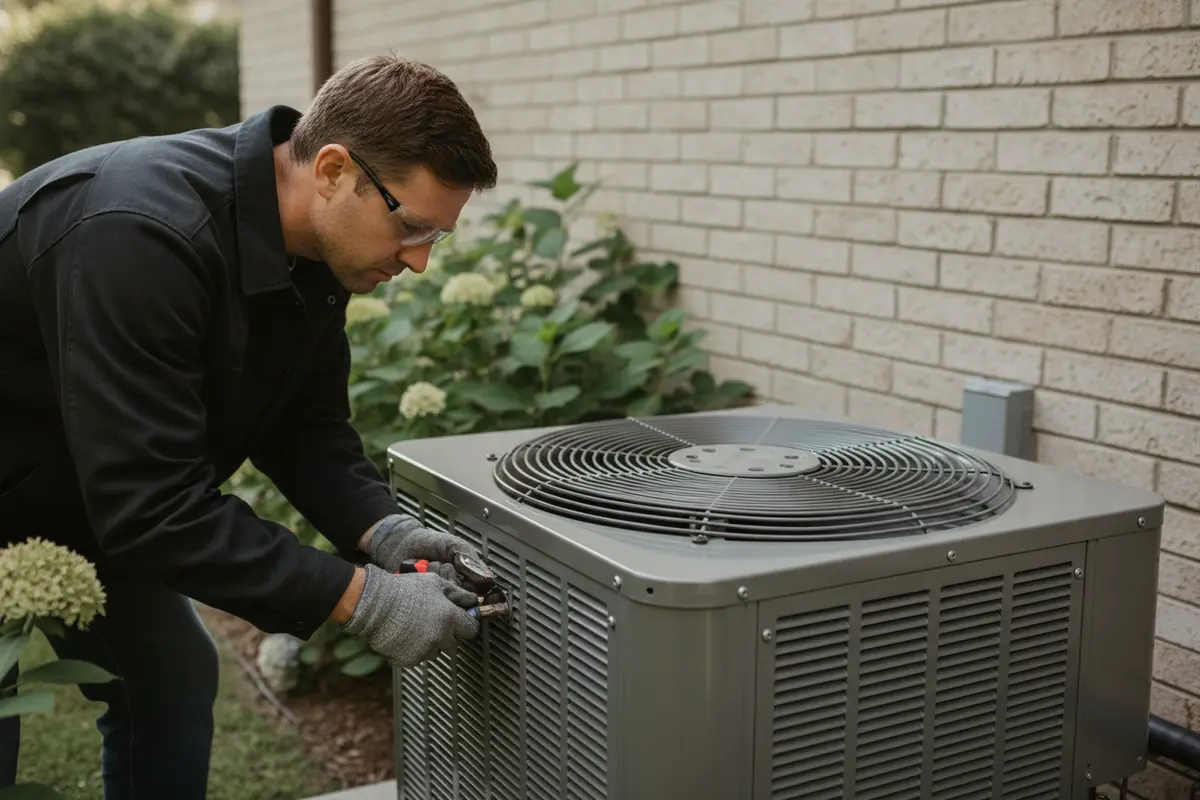
Before the job is considered complete, ask what operational checks were performed and whether the system is responding to the thermostat. The installer should explain basic controls, filter access, and any equipment documentation or maintenance guidance provided. If something seems unclear, raise it before the crew leaves.
Use the final walkthrough to make sure you know how to operate the system and whom to contact with questions. Ask the installer to point out the thermostat settings, filter location and size, and the indoor and outdoor equipment. Confirm that the work area has been cleared and that you have received any manuals or paperwork included with the job. If a room still feels different during the initial review, describe the concern and ask whether it needs immediate adjustment or follow-up observation.
It can help to write down the date of installation, the equipment model, and the maintenance instructions you were given. Keep these details with the quote and any warranty documentation supplied with the equipment. The goal is not to troubleshoot installation work yourself; it is to leave with a clear understanding of what was installed, what checks were completed, and how to ask for support if the system does not behave as expected.
For more detail on planning and sequencing, see the guide to preparing for a new AC installation and the related AC installation timeline overview. Actual work depends on the property and approved scope.
Good installation is one part of long-term comfort. Follow the manufacturer’s care instructions, keep the area around outdoor equipment clear, and pay attention to changes in airflow or cooling. Replace or clean filters as directed for the filter type and household conditions. A home with pets, renovation dust, or frequent use may need more frequent attention, but follow the equipment guidance rather than assuming one schedule fits every home.
If one room remains uncomfortable after installation, note when it happens and whether doors, blinds, or vents are positioned differently. This information can help a service professional assess airflow and controls. Avoid closing many supply vents to force air elsewhere unless the system professional recommends it; changing airflow without checking the system can create other comfort issues.
Routine maintenance can help identify issues before peak cooling periods. If you see visible dust buildup around registers or have concerns about accessible ductwork, ask a qualified provider what inspection or cleaning would address. Garland Heating and Air Conditioning offers residential duct cleaning using professional equipment to clean accessible supply and return ductwork. Duct cleaning is a separate service; it is not automatically required with every AC installation.
You can also review the company’s AC maintenance and repair information to understand options for keeping cooling equipment in working order. For questions about service availability, installation, or a customized quote, use the contact form.
Start with your address, the system’s symptoms or project goals, and a few details about the building. If you are replacing equipment, note its age if known, recent repairs, rooms that are hard to cool, and any renovation plans. Then ask a local provider to evaluate the home, explain the proposed size and scope, and provide a quote you can compare with other complete proposals.
Contact Garland Heating and Air Conditioning to discuss your installation
No. Proximity can be convenient, but you should also confirm that the company serves your address, evaluates the property, explains equipment sizing, and provides a clear written scope. Compare the assessment and included work, not just distance.
Square footage is useful background, but it does not describe every factor that affects cooling. Layout, windows, insulation, ductwork, heat gain, and room use can all matter. Ask what was considered and how the proposed equipment fits the building.
Not automatically. The ducts should be assessed for condition, airflow, and compatibility with the planned system. The quote should distinguish necessary duct repairs or changes from the equipment installation itself.
There is no single quote that fits every property. Cost depends on equipment and the work needed at the home, including whether existing components can be used or modifications are required. Request a customized, written quote that lists the scope and exclusions.
Share your service address, describe whether you need replacement or a first-time installation, and note any comfort concerns or renovation plans. Garland Heating and Air Conditioning has served the DFW metroplex since 1952; contact the company to discuss your project and request a customized quote.