July is the worst month to discover that your aging air conditioner cannot keep up with a Texas heat wave. If your system is struggling now, planning before the next peak season can give you more control over the equipment, timing, and installation process.
Schedule an AC replacement consultation with Garland Heating and Air Conditioning, or call (972) 278-3500 to discuss your system and request a customized quote.
The best time to replace ac unit texas homeowners can choose is usually spring, from March through May, or fall, from September through October. Shoulder-season weather generally offers more scheduling flexibility and time to make a careful equipment decision before extreme heat turns a planned project into an emergency.
Age, repeated repairs, weak cooling, rising energy use, or outdated R-22 refrigerant can all signal that another summer may be a gamble. Understanding what a new AC installation involves helps you compare options while your home is still comfortable. The first major consideration is what happens when replacement is delayed until peak summer.
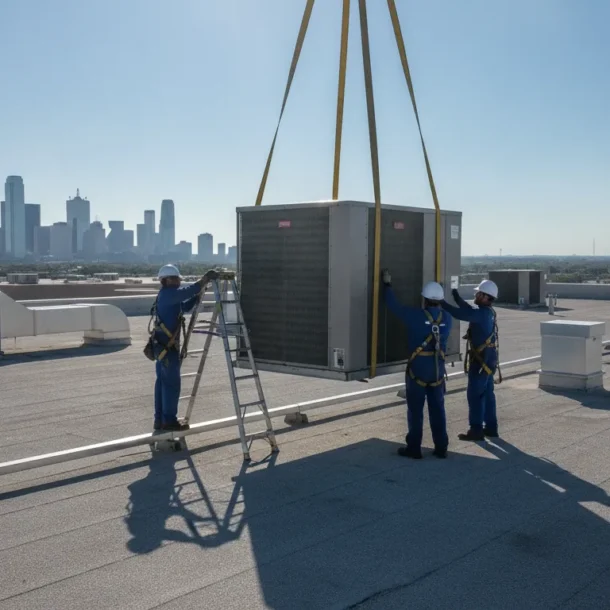
July and August are the most difficult months to replace an aging air conditioner in the Dallas-Fort Worth area. Texas summers can bring 40 to 60 days above 100 degrees, forcing older systems to run longer and work harder. That extreme load increases the chance of a breakdown precisely when homeowners need cooling most.
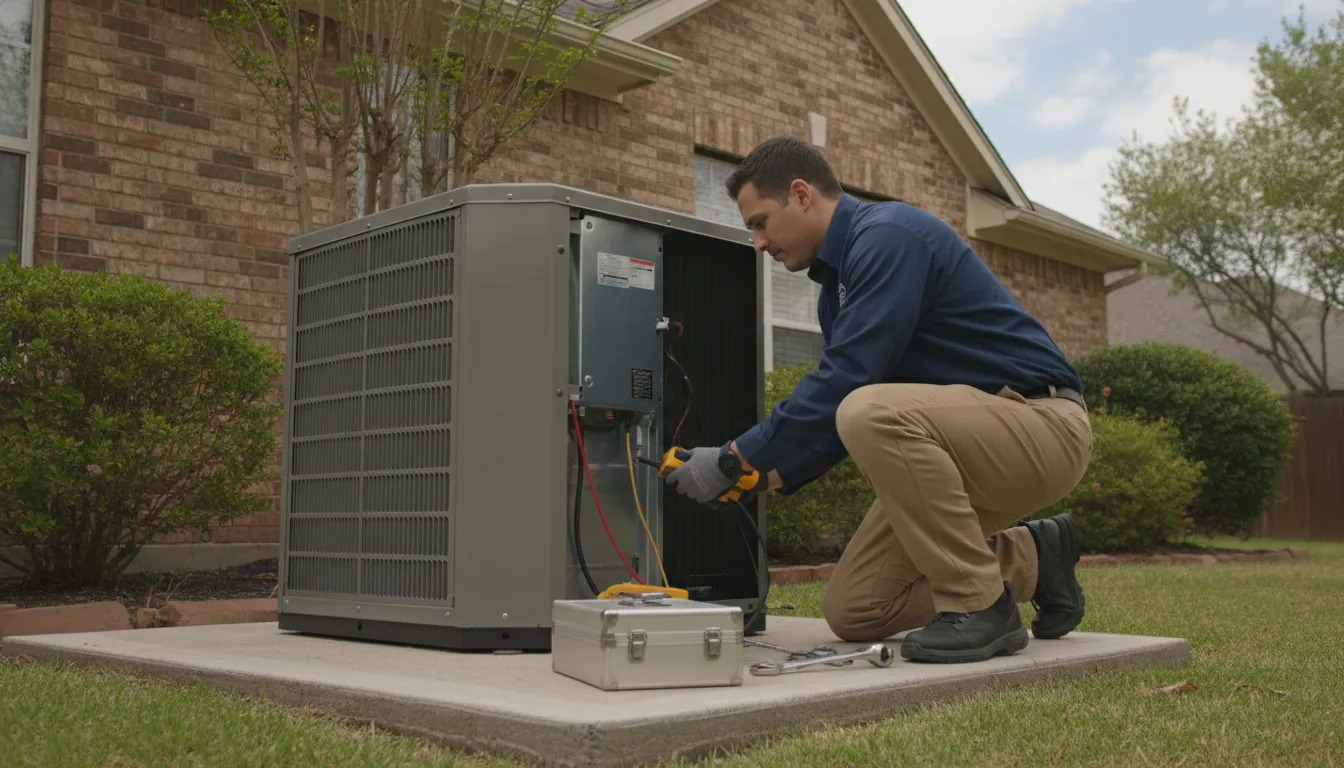
During peak heat, HVAC technicians are often focused on emergency service calls: homes without cooling, failed compressors, refrigerant leaks, and systems that can no longer keep up. A planned replacement can be pushed behind those urgent calls, leaving a homeowner to manage uncomfortable indoor temperatures while waiting for an installation opening.
Seasonal demand can put additional pressure on scheduling, equipment availability, and installation planning. That does not mean every summer replacement will cost more, and pricing depends on the home, equipment, and installation requirements. It does mean that an emergency leaves less room for careful comparison and advance budgeting. Homeowners should request a customized quote rather than rely on a generic price estimate.
Planning before the first sustained heat wave gives you time to evaluate the complete system, confirm proper sizing, and choose an installation date without waiting for a failure. Garland Heating and Air Conditioning has served DFW since 1952 and can help homeowners assess whether replacement should happen before the next peak season.
A: Schedule an evaluation during a lower-demand period, ideally before July, and discuss replacement options while the existing system is still operating. Spring and fall typically offer more scheduling flexibility than the height of summer, helping you avoid making a major decision during an emergency.
For most Dallas-Fort Worth homeowners, the best time to replace an AC unit is during the shoulder seasons: spring. From March through May, or fall, generally September through October. These milder periods give you more room to plan instead of making a rushed decision after an outdoor unit fails during a stretch of extreme heat.
Texas summers can bring 40 to 60 days above 100 degrees, placing sustained strain on aging equipment. Replacing before that demand arrives can reduce the chance that a breakdown becomes an emergency. It also gives the installer time to evaluate sizing, ductwork, controls, and the full system rather than focusing only on restoring temporary cooling.
| Factor | Spring: March to May | Fall: September to October |
|---|---|---|
| Timing | Before the heaviest summer cooling demand | After peak cooling demand begins to ease |
| Weather | Usually milder than the approaching Texas summer | Typically more comfortable than midsummer conditions |
| Why it helps | Allows thorough testing before the system faces its first major summer load | Provides more scheduling flexibility and time to verify cooling and heating operation before winter |
| Best for | Homeowners who want confidence before hot weather arrives | Homeowners who noticed declining performance during the summer and want to plan ahead |
Spring and fall are often less busy for HVAC contractors, which can mean better technician availability and faster scheduling. That flexibility matters when your existing system is still operating but showing warning signs. You may have more time to compare equipment options, request a customized quote, and schedule an installation that allows for careful commissioning.
Shoulder-season work can also potentially offer better pricing because demand is less concentrated than during the midsummer rush. Pricing remains specific to the home, equipment, installation requirements, and available options, so ask for a detailed quote rather than relying on a seasonal percentage or advertised number. For a broader overview of equipment selection and the process, review what a new AC installation involves.
If efficiency is part of your replacement decision, ask about ENERGY STAR certified equipment. The U.S. Department of Energy’s ENERGY STAR guidance notes that certified central air conditioners use less energy than standard models, which may help lower utility costs over time: ENERGY STAR replacement guidance.
North Texas summers can bring 40 to 60 days above 100 degrees, placing sustained demand on an aging air conditioner. If your system is already showing several of the signs below, planning a replacement before peak heat may be safer than waiting for an emergency failure.
No. Age is a planning signal, not an automatic verdict. A qualified technician should inspect the equipment, electrical components, airflow, refrigerant condition, and related indoor components. Compare the condition and expected repair needs of the existing system with a replacement’s projected performance before choosing.
Frequent refrigerant additions may indicate a leak that is difficult or too costly to repair. Have the leak and the full system evaluated, especially if the unit is also old, inefficient, or unreliable. Requesting a customized replacement quote before the next extreme-heat period can help you make a deliberate decision instead of reacting during a breakdown.
Replacing an air conditioner during a milder season gives you time to make a careful decision instead of choosing equipment during an emergency. Start several weeks before your preferred installation window so the assessment, estimate, equipment selection, and installation can be handled in the right order.
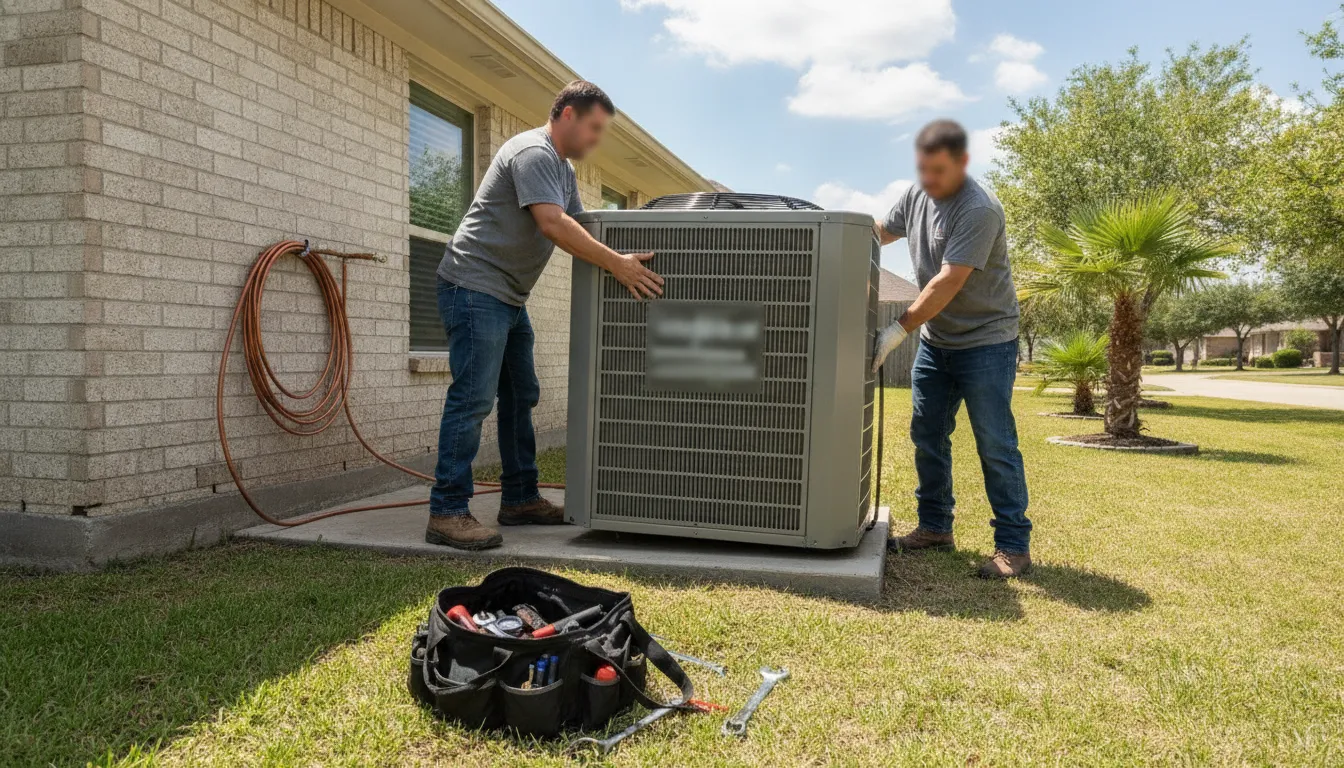
Ask a qualified HVAC professional to evaluate the existing system before you commit to replacement. A pre-retrofit assessment can identify performance problems and potential energy upgrades, according to the U.S. Department of Energy’s Building America Solution Center. The review should consider the outdoor unit, indoor coil, air handler, electrical components, and thermostat, rather than treating the compressor as the entire system.
Use that visit to discuss the home’s comfort history, including hot rooms, humidity concerns, unusual cycling, and repair frequency. If the current system can reasonably serve the home for another season, the assessment can also help you plan maintenance and a future replacement without rushing.
Request a customized estimate that explains the recommended equipment, installation work, labor, and any related ductwork or electrical needs. Pricing depends on the home and project scope, so avoid relying on a generic online number. For a practical budgeting overview, review these AC installation cost factors before comparing proposals.
Compare the cost of continuing to repair an aging system with the longer-term cost of a new, efficient unit. The U.S. Environmental Protection Agency’s ENERGY STAR guidance notes that lower energy use and reduced repair costs can help offset the initial investment. That comparison should support your decision, not pressure you into a particular model.
Equipment selection is more than choosing a brand or a capacity number. Proper sizing matters: an oversized air conditioner can cycle too frequently, remove less humidity, and create unnecessary wear. ENERGY STAR identifies sizing and installation as essential to achieving dependable performance.
Ask the installer to inspect accessible ductwork for leaks, insulation problems, or sizing issues. The Building America Solution Center recommends checking ductwork during replacement because leaky or poorly insulated ducts can reduce the benefit of a new system. You can learn more about New HVAC Installation in DFW, including equipment choices and what the process involves.
Once you decide to explore AC replacement, the contractor conversation should be about more than equipment availability. A careful evaluation helps ensure the new system fits your home, ductwork, comfort needs, and budget. Before scheduling installation with any DFW HVAC contractor, ask:
A useful estimate should identify the proposed equipment, efficiency rating, scope of work, installation timeline, warranty information, and any assumptions about electrical work, ductwork, permits, or disposal. Pricing should be quote-based and specific to the home, not presented as a one-size-fits-all promise.
Q: Should I wait until my AC fails before asking these questions?
A: No. Asking early gives you time to compare equipment, understand the assessment, review warranty and financing details. And choose a qualified installer before extreme heat turns the decision into an emergency. Garland Heating and Air Conditioning also provides 24/7 emergency service and same-day availability when urgent cooling problems cannot wait.
Schedule your AC replacement to talk through timing and request a customized quote before peak-season pressure returns.
Spring, especially March through May, and fall, especially September through October, are usually the most practical windows. Milder weather gives you more flexibility to compare equipment, schedule installation, and avoid relying on an aging system during the busiest part of summer.
Many systems last about 15 to 20 years, but Texas heat can accelerate wear. ENERGY STAR recommends considering replacement when a system is more than 10 to 15 years old, particularly if comfort or efficiency has declined. ENERGY STAR replacement guidance
It depends on the repair, the system’s condition, and the cost of continuing to operate it. Frequent breakdowns, rising energy use, or refrigerant issues, along with a major compressor or electrical failure. Are reasons to compare a repair with a replacement quote instead of deciding based on the latest repair alone.
Fall replacement lets you address cooling equipment after the hottest weather while contractor demand may be lower. It also gives the installer an opportunity to check the complete system and confirm that the heating side is ready before colder weather arrives.
Planning during the spring or fall shoulder season can give you more flexibility to choose equipment and prepare your home before extreme DFW heat arrives. Garland Heating and Air Conditioning can help you take the next step with a replacement plan tailored to your needs. Schedule your AC replacement online, or call (972) 278-3500 to talk with our team.