
Your air conditioner hums while the indoor temperature climbs past eighty-five degrees. This failure often signals a simple blockage rather than a total breakdown. Checking a few parts can save you from a long night without cooling.
Call now for AC repair and maintenance service if your DFW home is getting hotter or you notice electrical, burning, or refrigerant warning signs.
An AC running but not cooling your home typically stems from poor airflow or wrong thermostat settings. A common cause is a dirty air filter, which chokes the system and stops it from moving enough air to lower the heat. You should also check the outdoor unit for dirt or leaves that block the flow of air. If the thermostat is set to “ON” instead of “AUTO,” the fan blows warm air even when the system is not cooling. According to Any Hour Services, you should first check that your thermostat is on “Cool” and the setting is lower than the room temperature. If these simple steps do not bring back cold air, the problem likely involves a leak or a broken part that needs a pro.
North Texas families must deal with high heat that puts a strain on units. Understanding why an AC can run without cooling your DFW home is the first step toward a safe fix. The path to a cooler home begins with checking the thermostat, filter, vents, and outdoor unit.
Your AC may run all day but fail to lower the heat in your home. This is common in the Dallas area, where summer heat puts a huge strain on units. For 40 to 60 days a year, the air in North Texas stays above 100 degrees. This heat makes any small system flaw much worse.
Garland Heating and Air Conditioning knows how stressful this is for your family. A system that moves air but does not cool it often has a simple block or a setting error. Understanding how home cooling systems operate can help you find the cause fast.
A central AC does not create cold air. Instead, it pulls heat out of your home and moves it outside. The fan blows warm air over cold coils. These coils use a special liquid to soak up the heat. Then, the system pumps that heat to the outdoor unit to release it.
If any part of this loop breaks, your AC will run but the air will stay warm. Poor care leads to system strain that stops this heat transfer. The Centers for Disease Control and Prevention notes that poor care leads to lower power and extra stress on parts. Keeping your unit clean is the best way to avoid these letdowns.
Most cooling issues start with a lack of airflow. A dirty air filter is the main cause of a system that runs without cooling. A thick layer of dust can choke the unit. You should check your filter every 30 days during a hot Texas summer. If you cannot see light through it, you need a new one.
Check these other common airflow and setting spots:
If your filters and settings are fine, the issue may be outside. The outdoor unit needs space to dump the heat it pulled from your home. Dirt or leaves can coat the coils and trap heat inside. You can gently spray the unit with a hose to clear away this debris. This helps the system breathe and cool better.
Some problems go beyond what a homeowner can fix. A low charge of refrigerant or a bad motor often causes a total loss of cooling power. If you spot signs that require professional attention, it is time to call for help. Fixing a leak early can save you from a full system failure.
Garland Heating and Air Conditioning has helped North Texas families since 1952. We focus on regular AC maintenance to stop these breaks. Our pros can find hidden leaks and electrical flaws that you might miss. We offer same-day service to get your home cool again fast.
Start with five safe checks: confirm the thermostat is on Cool and Auto, replace a dirty filter, open blocked vents, clear loose debris around the outdoor condenser, and reset a tripped breaker only once. Stop if the breaker trips again or you see ice, smoke, water near wiring, or damaged parts.
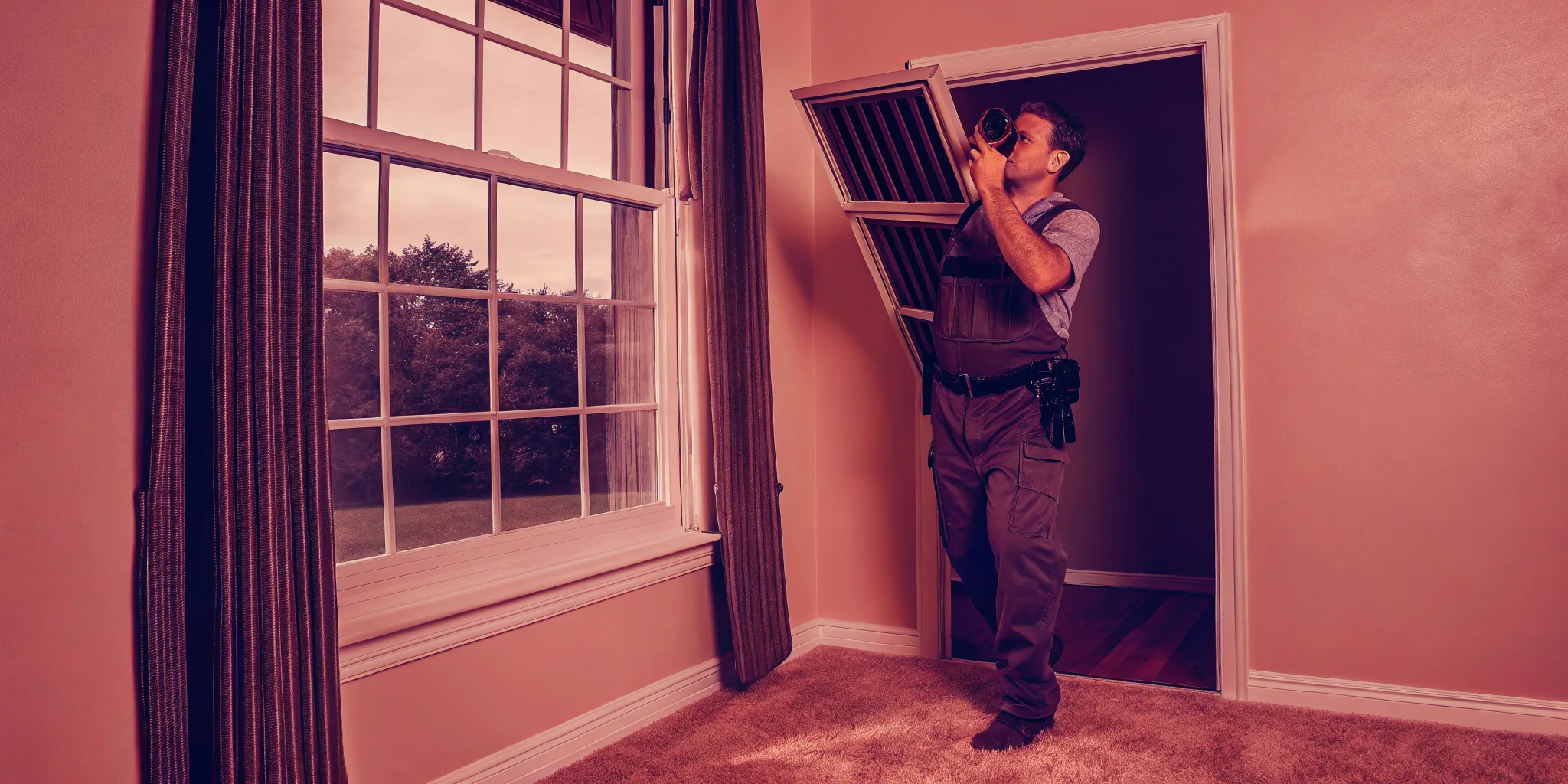
It is a hot day in North Texas and your home feels warm even though the air is on. You may feel like calling for help right away, but you should try a few simple checks first. In many cases, a small issue that you can fix yourself is the reason your AC is running but not cooling the house. These steps are safe and easy for most people to do on their own without special tools.
When your system works well, it needs a clear path for air to move. Even a thin layer of dust can cause a big drop in how well the unit cools your rooms. Follow these steps to find and fix common blocks in your cooling cycle.
Doing these checks can save you time and money. If you find that a clogged filter was the cause, you have just saved the cost of a service call. Most filters are cheap and you can swap them in less than five minutes. If these steps do not solve the problem, it might be a sign that you need regular AC maintenance to keep things running well.
The heat in Dallas and Fort Worth is very hard on cooling units. We often see 40 to 60 days each year where the heat goes over 100 degrees. This heat puts a big strain on your AC. When the air outside is that hot, your system has to work much harder to keep you cool. Even a small problem like a dirty coil can cause a total fail when the sun is out.
While the steps above are safe, you must know when to stop. Never try to open the panels of your HVAC unit or touch the wires inside. There are strict rules for HVAC service set by the gov to protect people from harm. Handling the fluids inside an AC unit is a job only for a trained pro.
If you see ice on the copper pipes or hear a loud hiss, those are signs that require professional attention. These issues often mean you have a leak or a broken part that you cannot fix with a simple tool kit. Garland Heating and Air Conditioning is ready to help if your home stays warm after you try these safe checks.
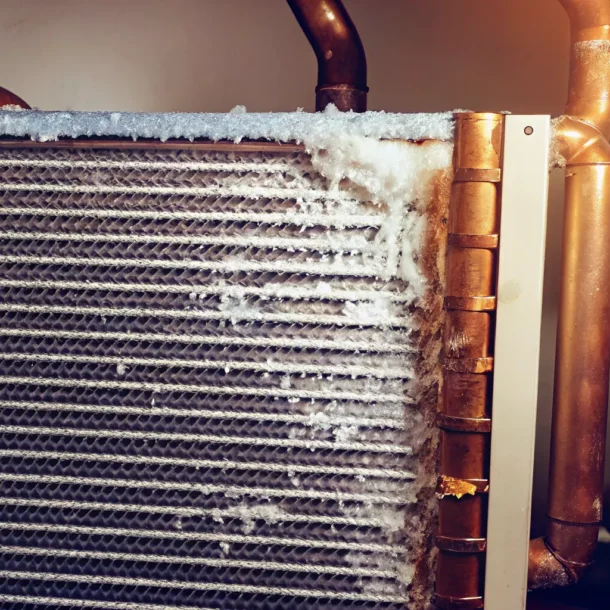
Restricted airflow can make the evaporator coil get too cold and freeze, leaving the system running without delivering cool air. Turn cooling off if you see ice, and do not scrape the coil. A technician should diagnose why it froze before you restart it.
If you notice your AC running but not cooling, the first place to look is your airflow. Your air conditioner needs a steady flow of air to pull heat from your home. If something blocks that flow, the system cannot do its job. A dirty air filter is the most common cause of this problem. Over time, dust and pet hair build up on the filter. This layer acts like a wall that stops air from moving. You can check your filter by holding it up to a light. If you cannot see any light through the mesh, it is time for a new one. Changing a filter often costs between $5 and $20 and takes less than five minutes.
Airflow issues do not just happen at the filter. You should also check your supply and return vents. Sometimes furniture or curtains can block these spots. This puts extra stress on your system. When vents are closed or blocked, it can cause poor cooling in other rooms. It can also lead to more strain on the unit. Poorly kept ventilation systems often fail to meet technical standards. This can lead to big problems over time. Following best practices for ventilation helps keep your system running well. You should make sure all vents in your home are open to keep the air moving freely.
A dirty evaporator coil can also slow down your system. This coil is inside your indoor unit. It stays cold to pull heat and moisture from the air. If the coil gets covered in dust, it cannot absorb heat well. This means the air blowing out of your vents will feel warm. It also makes the coil get too cold because the heat from your home is not warming it up. This leads to a major issue known as a frozen coil.
A frozen coil is a clear sign that something is wrong. You might see real ice on the copper pipes of your indoor unit. You may also notice water leaking around the base of the furnace or air handler. This happens as the ice melts. If your vents blow warm air while the outdoor unit is still running, the coil might be iced over. This state puts a lot of stress on your compressor. It is important to catch these signs early. You can find more signs that require professional care to prevent total system failure. Missing ice can lead to a broken unit that costs much more to fix.
If you find ice on your unit, you must act fast. First, turn the air conditioner off at the thermostat. This stops the cooling cycle so the ice can start to melt. You should then set your thermostat fan to the ON position. This keeps the fan running without the cooling unit. The moving air helps melt the ice on the coil. Do not try to scrape the ice off yourself. You could damage the soft metal fins on the coil. Let it melt on its own while you wait for a technician to arrive. This process can take several hours depending on how much ice has built up.
Once the ice is gone, do not just turn the AC back on. A frozen coil usually means there is a deeper issue like a refrigerant leak or a bad fan motor. You need a pro to find the real cause. Garland Heating and Air Conditioning offers regular AC maintenance to help you avoid these shocks. If your system keeps freezing up, it is time to call for help. Our team provides 24/7 emergency service to get your home cool again quickly. We have served the DFW area since 1952 and know how to handle Texas heat.
Call a certified HVAC technician for suspected refrigerant leaks, recurring breaker trips, failed capacitors or motors, compressor trouble, burning odors, or any issue inside an equipment panel. These problems require training and tools that make DIY repair unsafe.
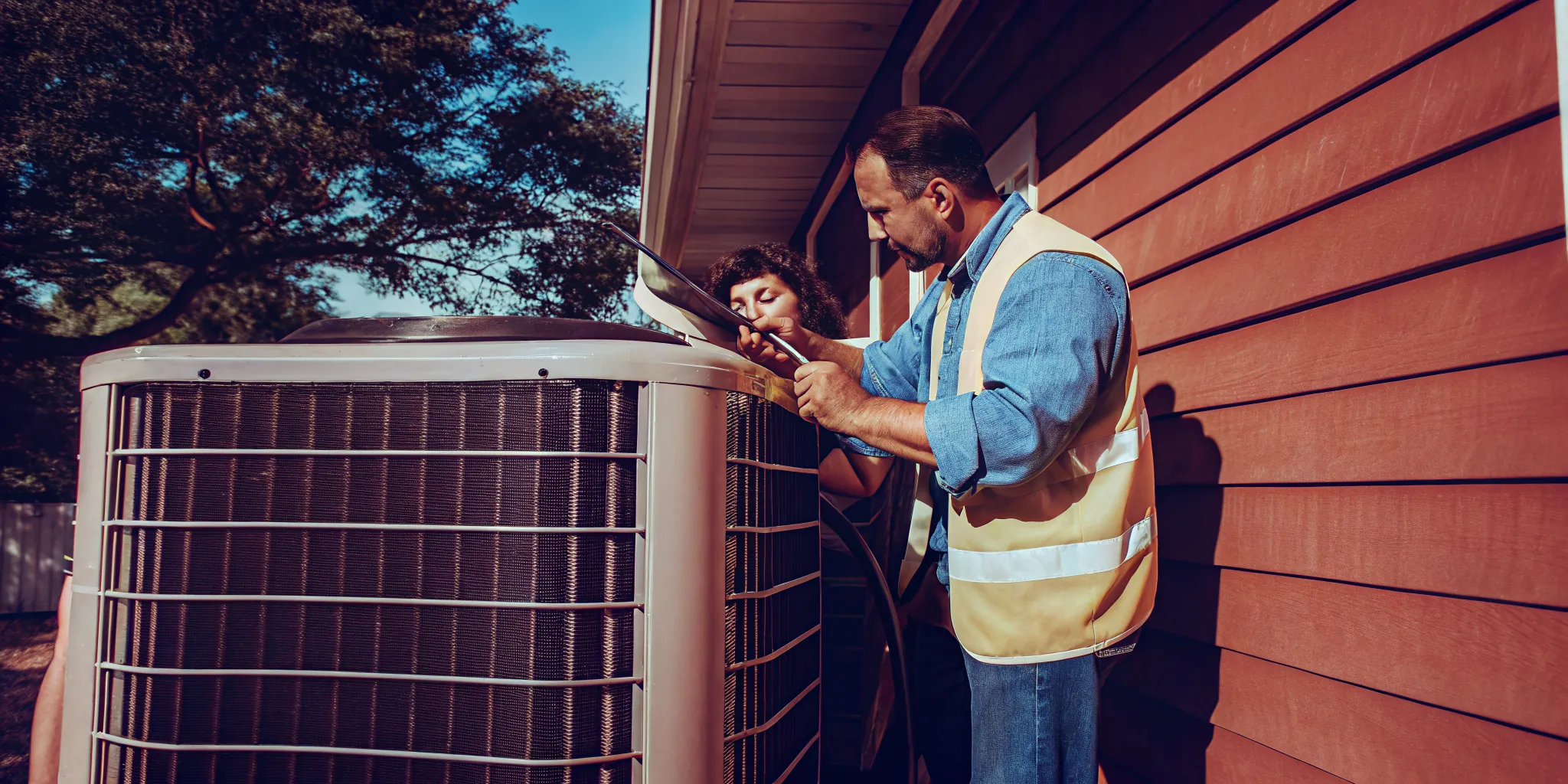
Sometimes your AC runs but the air stays warm. If you have checked your filter and settings, the issue is likely a deep mechanical fault. Some problems need a skilled hand to keep your system safe. You can spot these signs that require professional attention early to avoid a total breakdown.
Refrigerant is the fluid that moves heat out of your home. If your system has a leak, it cannot cool the air well. You might see ice on the copper lines or hear a hiss. These are clear signs of a leak. A low level of fluid is never normal because the system is sealed.
Adding more fluid is not enough. A technician from Garland Heating and Air Conditioning must find and fix the leak first. The EPA sets strict rules for how pros handle these chemicals. Only a certified tech should touch these lines to keep your home safe and follow the law. This work protects the air you breathe and the health of your system.
Parts like the capacitor or the fan motor can wear out over time. A capacitor works like a small battery to start the motor. If it fails, you might hear a hum but the fan will not spin. This part can hold a high electrical charge even when the power is off. It is not safe for an owner to swap this out.
Motors can also burn out or seize up. If the fan on your outdoor unit stays still while the AC is on, the motor needs a check. A pro can tell if the motor just needs oil or if it needs a full swap. Getting this fixed fast stops the heat from building up and hurting other parts.
| AC Problem | Common Symptoms | Why You Need a Pro |
|---|---|---|
| Low Refrigerant | Hissing sounds or ice on pipes | Must find leak and use EPA tools |
| Capacitor Failure | AC hums but fan does not start | Part holds dangerous high voltage |
| Compressor Trouble | No cooling and loud unit noise | Major mechanical work needed |
| Fan Motor Failure | Outdoor fan will not spin | Requires testing for power and parts |
| Electrical Faults | Frequent trips at the breaker box | Finds shorts to prevent home fires |
The compressor is the heart of your cooling system. If it fails, the issue of your AC running but not cooling becomes a major fix. This part is complex and sits inside the outdoor unit. It pumps the refrigerant through the coils. A loud clunk or a complete lack of cooling often points to a compressor issue.
Wiring can also fail due to heat or pests. Burnt wires can cause shorts that trip your breaker. If your AC keeps flipping the switch at the main box, do not just flip it back. This can cause a fire. A tech can find the loose or burnt wire and fix it the right way. Our crew at Garland Heating and Air Conditioning is ready to help with any big repair.
In the DFW heat, an AC failure is more than a bother. It can be a risk to your health during the hot summer months. Most experts suggest regular AC maintenance to catch these issues before they stop your system. When you need help, always choose a pro with the right tools and training.
An AC running but not cooling is an emergency when there is smoke, a burning smell, repeated breaker trips, water near electrical parts, loud mechanical noise, or dangerous indoor heat affecting a vulnerable person. Turn the system off and call for urgent help.
Most AC issues are simple fixes, but some problems are dangerous. In the Dallas Fort Worth area, summer heat is intense. High heat puts a huge strain on your system. If your AC runs but does not cool, it may be a risk to your home. You should know the signs that require professional attention to stay safe.
Electrical issues are the most urgent cooling emergencies. If you smell burning or see smoke from your vents, turn off your unit now. This often means a motor is failing or a wire is shorting. A tripped breaker that keeps flipping is another warning. It shows the system is drawing too much power, which can lead to a fire. Garland Heating and Air Conditioning technicians see these risks often in old units.
Water near your indoor unit is also a major concern. If water leaks onto electrical parts, it can cause a short. The U.S. Environmental Protection Agency (EPA) has rules for safe HVAC service to prevent these risks. If you see water near wires or hear loud grinding noises, stop using the AC and call for help. Sudden, loud bangs or clanking usually mean a part has broken loose and could cause more damage.
In Texas, an AC that does not cool is an emergency if people are at risk. Seniors, young children, and people with health issues need a cool home. When indoor temperatures rise fast, it can lead to heat stroke. This is a medical emergency that needs immediate care. If your home is too hot for your family, do not wait for a regular visit.
Garland Heating and Air Conditioning offers 24/7 emergency service for these times. We know that regular AC maintenance helps prevent these failures. But if your system stops on a 100-degree day, it is a crisis. You should have a plan to stay cool while a technician is on the way. Move to a lower floor or a shaded room to stay safe from the heat.
If you face a cooling crisis, act fast but stay safe. First, turn the system off at the thermostat. This prevents more damage and lowers the risk of fire. Check your air filters, as a clogged filter can cause the system to freeze up. If the filter is clean and the unit still fails, it is time for a pro. Our team provides same-day service to get your home cool again.
Do not try to fix complex electrical or refrigerant issues yourself. These tasks need special tools and training. For peace of mind, choose a team with background-checked technicians. Fast action can save your system and keep your family comfortable. Contact us to schedule a repair and get your air flowing cold once more.
A professional no-cooling diagnosis checks airflow, temperature change, thermostat operation, electrical components, refrigerant performance, the indoor coil, and the outdoor condenser before recommending a repair. A complete diagnosis identifies the cause instead of replacing parts by guesswork.
If your AC is running but not cooling, you need more than a quick guess. A full check from an expert finds the real cause of the problem. Garland Heating and Air Conditioning has served the Dallas Fort Worth area since 1952. We know how the Texas heat puts a big strain on your unit. Most years, we see 40 to 60 days with heat over 100 degrees in the DFW area. An expert check looks at every part of your system to find why it is failing.
The first step in a cooling check is looking at the air flow. Experts check your air filter and vents to see if anything blocks the air. A dirty filter is a common reason for a system that will not cool. Techs also test the air temperature coming out of your vents. This shows if the system is doing its job well. Proper air flow checks help find if your system meets the right standards. We also look at the outdoor unit for dirt or leaves that might stop the air from moving.
Blocked registers or closed vents can also cause uneven cooling in your home. Our team will make sure that all supply and return vents are open and clear. We look for dust on the coils that might stop the heat from leaving. This part of the check is needed to ensure your system does not work too hard. Constant strain from low air flow can lead to a total break down during a hot summer week. We use a set process to find these small issues before they turn into big ones.
Next, we move to the pro parts of the unit. This includes checking the electrical parts and the refrigerant levels. You should never try to do this work on your own. It involves high power and complex gases that need expert care. Our techs are certified and background-checked for your safety. They use special tools to find tiny leaks that could stop your home from staying cool. If we find a leak, we will give you a clear plan to fix it.
We follow strict rules when we check these systems. The U.S. Environmental Protection Agency (EPA) has specific safety standards for working on air units. These rules ensure that the work does not harm you or the air around you. Our team makes sure your system is safe and follows all laws during every repair. We also check the drain lines to ensure they are not clogged with dirt or slime.
After the check is done, we will give you a full report. We do not use a one-size-fits-all plan for our clients. Instead, we give you a custom quote based on what we found. This report helps you understand the signs that need expert help and how to fix them. We explain the problem in plain words so you can make a good choice. We want you to feel sure about the next steps for your home.
Sometimes a simple fix is all you need to get back to cool air. But if your unit is old, you may need to think about a new one. We can help you decide when to repair or replace your AC unit. Our goal is to give you the best value for your home and keep you cool. We focus on being fair and honest with every person we serve in the North Texas area. Our family-owned values mean we treat your home like our own.
Contact Garland Heating and Air Conditioning for a customized diagnosis and quote if the safe checks have not restored cooling.
Prevent many no-cooling problems by changing filters regularly, keeping two feet of clearance around the outdoor unit, leaving vents open, and scheduling professional maintenance before peak summer heat.
An AC running but not cooling is a big stress during DFW summers. Most of these issues are easy to stop before they start. By taking a few simple steps, you can keep your home cool and avoid big repair bills.
Garland Heating and Air Conditioning has helped families in North Texas stay comfortable since 1952. We know exactly what it takes to keep a system running in our local heat. We focus on family values and long years of local work to serve our neighbors.
A dirty air filter is the top cause of air flow issues. When the filter is full of dust, it blocks air from moving into your unit. This can make the system work too hard and stop cooling well.
You should check your filter every 30 days during the peak of summer. Most filters cost very little but save you a lot in power bills. If you cannot see light through the filter, it is time for a new one.
Regular changes help the system breathe. This simple habit keeps your unit from freezing up or failing when you need it most. Good air flow is vital for the system to meet technical rules for cooling.
You can learn more about air flow check ways to keep your air moving right. Most filters are easy to swap in just a few minutes. This task is the best way to protect your cooling unit for a low cost.
Your outdoor unit needs room to work. It lets out heat from your home into the outside air. If leaves, dirt, or tall grass block the unit, the heat has nowhere to go.
This causes the system to run without cooling the house. You should keep at least two feet of clear space around the whole unit. Clear away any trash or bins that might be too close.
Check the coils for dirt at least once a month. Use a garden hose to gently wash away dust or grass. Do not use high pressure, as it can bend the thin metal fins.
Keeping this area clean ensures your unit can shed heat well. This simple task is part of regular AC maintenance that every homeowner can do. Keeping the unit clear helps it work at its best for years.
Yearly service is the best way to catch small problems early. A pro can find leaks or worn parts before they lead to a total shutdown. DFW sees 40 to 60 days each year with heat over 100 degrees.
This extreme weather puts a lot of stress on every part of your AC. Regular checks help the system last longer and run better. Our staff are trained and background-checked for your peace of mind.
During a tune-up, a pro will clean the coils and check the fluid levels. They also check the electric parts for wear. This helps you avoid the signs that need a pro during a heatwave.
Setting up service in the spring ensures your unit is ready for the first hot day. This proactive care is the key to a cool home all summer long.
This issue often starts with poor airflow or a wrong setting. A dirty air filter is the most common cause because it blocks air from moving through the system. You should also check that your thermostat is set to “Cool” and the fan is on “Auto.” According to Any Hour Services, a system that runs without cooling might also have a refrigerant leak.
Yes, homeowners can safely perform basic checks to restore cooling. You can inspect the air filter and replace it if it looks dark or dusty. It is also safe to check your thermostat settings and clear debris like leaves from the outdoor unit. These simple tasks do not require a technician and often fix the problem. However, you should never open the electrical panels or touch the refrigerant lines yourself.
Most AC repairs in the Dallas area cost between $150 and $600. The final price depends on the part that failed and how long the fix takes. Simple tasks like a filter swap are cheap and cost about $5 to $20. According to ARS, more complex issues like a broken motor will cost more. Always get a clear quote before a professional starts any work.
A low cooling level and ice on the indoor coils are common signs of a leak. You might also hear a hissing or bubbling sound coming from the unit. This is a complex issue that homeowners cannot fix alone. According to Any Hour Services, a pro must find the leak and add more refrigerant to the system. Never try to add this liquid yourself as it requires special tools and training.
Waiting to fix a cooling problem puts more stress on your unit and risks a total breakdown during the next big Texas heat wave. Booking a repair now stops small issues like dirty coils from turning into costly motor faults that leave your home hot for many days. Our local team can find the root cause today so you can stay cool and avoid the high cost of fast work later this summer.
Ready to get your home cool? You can count on our local team at Garland Heating and Air Conditioning to provide fast and honest help. Call 972-278-3500 now to schedule an expert AC repair and keep your home safe from the heat all season long here in North Texas.