When an air conditioner fails during a North Texas heat wave, the problem can move from uncomfortable to urgent quickly. Smoke, burning odors, electrical trouble, refrigerant-related symptoms, or a complete loss of cooling can signal a safety risk or a failure that needs immediate professional attention. This guide explains when to request emergency AC repair DFW homeowners can rely on, when to turn the system off, and what you can safely do while help is on the way.
Call Now for 24/7 emergency AC repair from Garland Heating and Air Conditioning.
If anyone is in immediate danger, leave the area and contact emergency services first. Do not open electrical panels, touch damaged wiring, handle refrigerant, or attempt internal AC repairs yourself.
An AC problem is an emergency when continuing to run the system could threaten people, property, or the equipment itself. The clearest warning signs are smoke, fire, sparks, a strong burning smell, repeated breaker trips, exposed wiring, or water reaching electrical components. A complete cooling failure can also become urgent when extreme heat puts older adults, young children, or people with certain health conditions at risk.
Not every cooling complaint requires an after-hours call. A slightly warm room, a dirty return grille, or a unit that runs longer on an unusually hot afternoon may be handled through regular service. The difference is risk. If you are unsure whether the system is safe to run, shut it off at the thermostat and contact a trained HVAC technician.
Use the following warning signs to decide whether to stop the system and request urgent help. These are diagnostic clues, not instructions to repair the unit yourself.
Visible smoke or sparks require immediate action. Turn the system off only if you can safely reach the thermostat without approaching the hazard. Leave the home if smoke is spreading or you suspect a fire, then contact emergency services. A burning smell can point to overheating electrical components, damaged insulation, or a failing motor. Do not restart the unit to see whether the odor returns.
A breaker that trips once may be responding to a temporary fault. A breaker that trips again after being reset is warning you that a problem remains. Do not keep resetting it. Repeated trips may involve an overloaded motor, damaged wiring, or another electrical fault that needs professional diagnosis.
Grinding, screeching, banging, or metal-on-metal sounds can mean a moving component is loose, damaged, or failing. Continuing to run the system may turn a limited repair into broader equipment damage. Shut the unit off at the thermostat and arrange service.
Condensate drainage problems can produce water around an indoor unit. When water reaches wiring, outlets, or other electrical components, the situation becomes more urgent. Do not step into standing water to reach equipment or controls. Keep people away and call for help.
Ice can form when airflow is restricted or the system has a refrigerant-related problem. Running an iced system can strain the compressor and worsen the damage. Turn cooling off, leave the fan setting alone unless a technician advises otherwise, and schedule an inspection. Never chip ice from the coil or attempt to add refrigerant.
A complete loss of cooling deserves urgent attention when outdoor conditions make indoor heat unsafe. According to the National Institute on Aging, older adults can be especially vulnerable to heat-related illness. Move vulnerable household members to a safe, air-conditioned place while arranging service.
Hissing near the equipment, unexplained ice, or a sudden loss of cooling may occur with a refrigerant problem. Refrigerant must be handled by trained professionals. Keep people away from the equipment, ventilate the area if it is safe to do so, and seek professional guidance. If anyone feels ill, leave the area and contact the appropriate emergency or medical service.
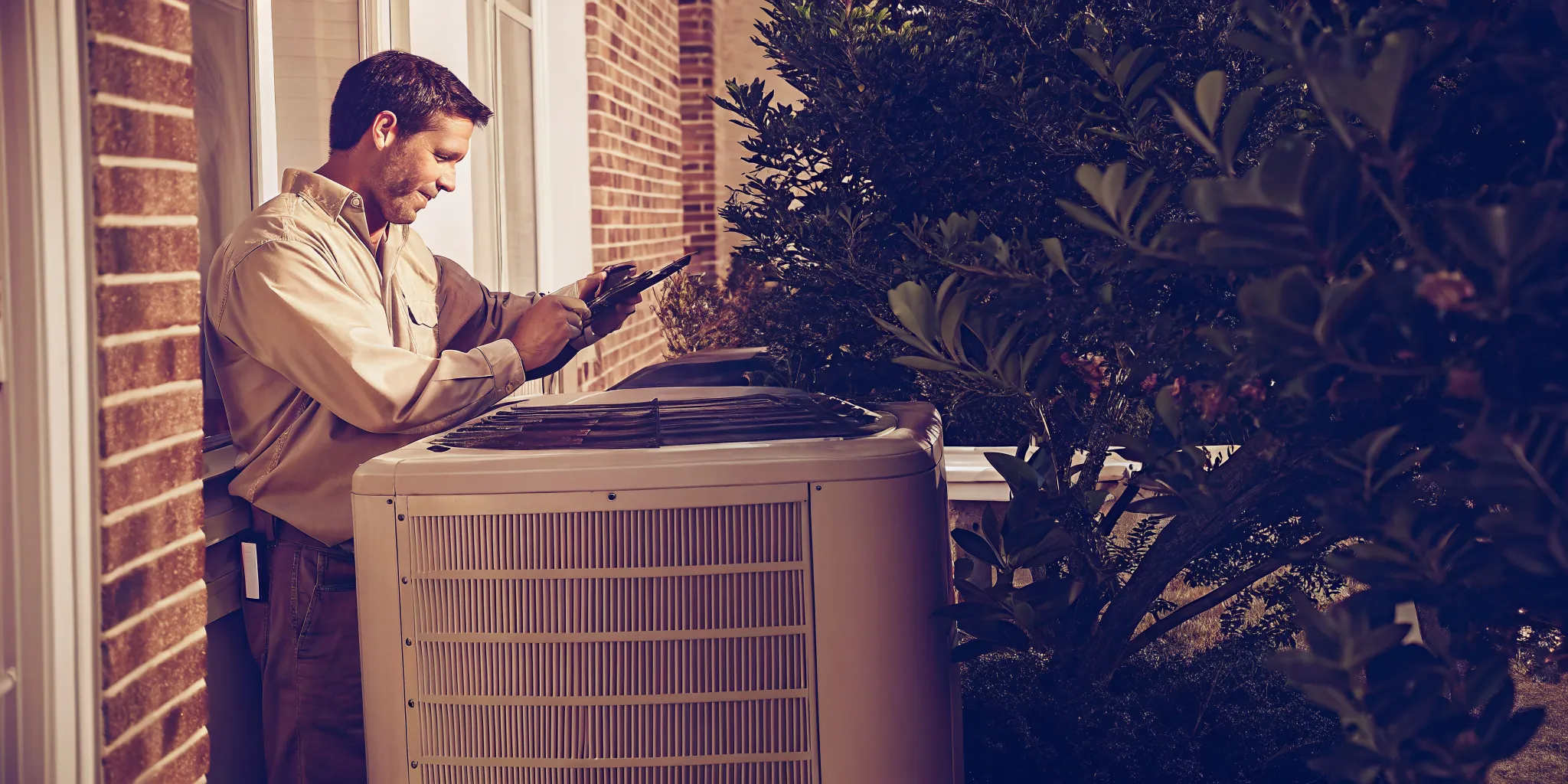
Shut the AC off at the thermostat when you notice smoke, a burning odor, severe mechanical noise, repeated breaker trips, significant ice, or water near electrical components. Turning off the thermostat can stop a compressor or blower from continuing to operate while damaged.
If the thermostat or equipment is close to smoke, sparks, exposed wiring, or standing water, do not approach it. Move away from the hazard and call emergency services or a qualified professional as appropriate. Safety matters more than protecting the equipment.
Once a serious warning sign appears, leave the system off until a technician evaluates it. Repeatedly restarting a damaged unit can increase electrical risk and may damage expensive components. Make a note of what you saw, heard, or smelled so you can explain it accurately when you call.
Homeowners should not remove service panels, touch capacitors, work on wiring, open refrigerant lines, or bypass safety controls. These tasks require training and proper tools. For non-urgent background information only, Garland Heating and Air Conditioning also provides a guide to common AC problems.
Call Now if your AC shows a safety warning sign or stops cooling during extreme DFW heat.
After you have turned off an unsafe system and called for service, focus on keeping people comfortable and giving the technician clear access. These steps do not involve opening or repairing equipment.
The U.S. Environmental Protection Agency advises taking steps to reduce exposure during extreme heat and paying attention to indoor air conditions. If symptoms such as confusion, fainting, or severe weakness appear, seek medical help rather than waiting for the AC repair.
A professional visit starts with safety and diagnosis. The technician will ask about the symptoms, when they began, and whether the system has been turned off. They may inspect the thermostat, electrical components, airflow, drainage, refrigerant circuit, motors, and outdoor unit as the situation requires.
The purpose of the inspection is to identify the actual failure and determine whether the unit can be repaired safely. Some problems have a direct repair path. Others may involve several damaged components or an aging system that needs a broader discussion. Garland Heating and Air Conditioning uses quote-based pricing, so the recommended work and customized quote depend on the diagnosis.
If available, tell the service team the system’s approximate age, any recent work, and whether the issue has happened before. You do not need to approach unsafe equipment to find a model number. Clear observations are more useful than guesses and help the technician begin efficiently.
Choosing the right service level helps you get an appropriate response without ignoring a real risk. Use emergency service for immediate safety concerns and time-sensitive cooling failures. Use scheduled service for performance problems that are stable and do not present a hazard.
| Symptom | Recommended response | Why |
|---|---|---|
| Smoke, sparks, or burning odor | Turn off if safe, leave if needed, and call immediately | Possible fire or electrical hazard |
| Repeated breaker trips | Leave system off and call immediately | Possible electrical fault |
| No cooling during dangerous heat | Move vulnerable people and request urgent service | Heat exposure can become unsafe |
| Water near electrical parts | Keep away and call immediately | Electrical and property risk |
| Weak airflow without other hazards | Schedule prompt service | Needs diagnosis but may not be an emergency |
| Uneven temperatures | Schedule service | Often a comfort or airflow issue |
For planned repairs and maintenance, review Garland Heating and Air Conditioning’s AC repair and maintenance service. If a technician determines that replacement is the safer or more practical long-term option, learn about new AC installation and replacement.
No maintenance plan can prevent every breakdown, but regular professional service can identify wear, drainage issues, electrical concerns, and performance changes before peak summer demand. It also gives you a baseline for how the system normally sounds and performs.
Schedule service when you first notice reduced airflow, new noises, frequent cycling, uneven cooling, or unexplained increases in energy use. Early attention can reduce the chance that a manageable issue becomes a hot-weather emergency.
Keep ordinary storage, leaves, and debris away from equipment without opening panels or touching internal parts. Confirm that supply registers are not blocked by furniture. For professional maintenance or a system evaluation, contact Garland Heating and Air Conditioning.
Not always. No cooling becomes urgent when extreme heat threatens household safety, when vulnerable people are present, or when the failure appears with smoke, electrical trouble, water near wiring, or another hazard. Move to a cool location if indoor conditions are becoming unsafe.
Do not repeatedly reset a breaker. If it trips again, leave the system off and call a qualified professional. Repeated trips indicate an unresolved issue and continued resets may increase risk.
No. Turn cooling off and arrange an inspection. Running a frozen system may add strain and worsen damage. Do not chip away ice or attempt to handle refrigerant.
Yes. Garland Heating and Air Conditioning documents 24/7 emergency service for urgent HVAC problems across the Dallas Fort Worth metroplex.
Garland Heating and Air Conditioning has served Dallas Fort Worth since 1952 and provides 24/7 emergency service. If your AC is smoking, creating an electrical hazard, making severe mechanical noises, or failing during dangerous heat, stop using it when safe and request professional help. Pricing is based on the diagnosis and a customized quote.
Call Now for emergency AC repair DFW homeowners can rely on.
Explore our residential HVAC services across DFW.