
A sudden gust of cool air during a Texas cold snap can make any homeowner panic. Understanding how heat pumps work helps you decide if you need a repair or just patience.
A heat pump blowing cold air is often a sign of normal function rather than a system failure. These units deliver warmth at about 85 to 92 degrees Fahrenheit, which is much cooler than the air from a gas furnace. Because this output is lower than human body temperature, the air can feel chilly as it moves across your skin. Research from Airflow Designs confirms that this lower temperature is a standard part of heat pump technology. Also, your unit may blow cool air during its defrost cycle to melt ice on the outdoor coils. While this feels like a failure, it is a vital function that keeps the system running during a cold winter.
Knowing when to ignore a draft and when to call for help is vital for home comfort. Our guide to the heat pump blowing cold air: normal or a warning? breaks down common causes so you can make the right choice. The path begins with
Finding that your heat pump is blowing cold air can be a surprise. In many cases, this is just part of how the system works. Unlike a gas furnace, a heat pump does not burn fuel to make heat.
Instead, the unit moves heat from one place to another. This process means the air coming from your vents may not feel as hot as you expect. This is a standard part of air-source heating.
At Garland Heating and Air Conditioning, we have served the Dallas Fort Worth area since 1952. We know how the local weather affects your comfort. Knowing the gap between a normal cycle and a real problem can save you time and stress.
If the air is cold for a long time, it may be a sign that your system needs a check. Our experts can help you find out if your unit is working as it should.
The main reason a heat pump might seem to blow cold air is the heat level of the air. A gas furnace often heats air to 130 degrees Fahrenheit. A heat pump usually gives off air between 85 and 92 degrees.
Since your body heat is about 98.6 degrees, this air can feel cool to the touch. This is a normal part of how heat pumps work in most homes. It does not mean the system is broken.
You may also notice this cool air more when the fan is on high speed. The air is still warming your home, but it does so in a slow and steady way. This constant flow helps the system work well.
If your home stays at the right heat on the thermostat, the cool air is not a sign of a break. Your system is likely just doing its job to keep the room comfy.
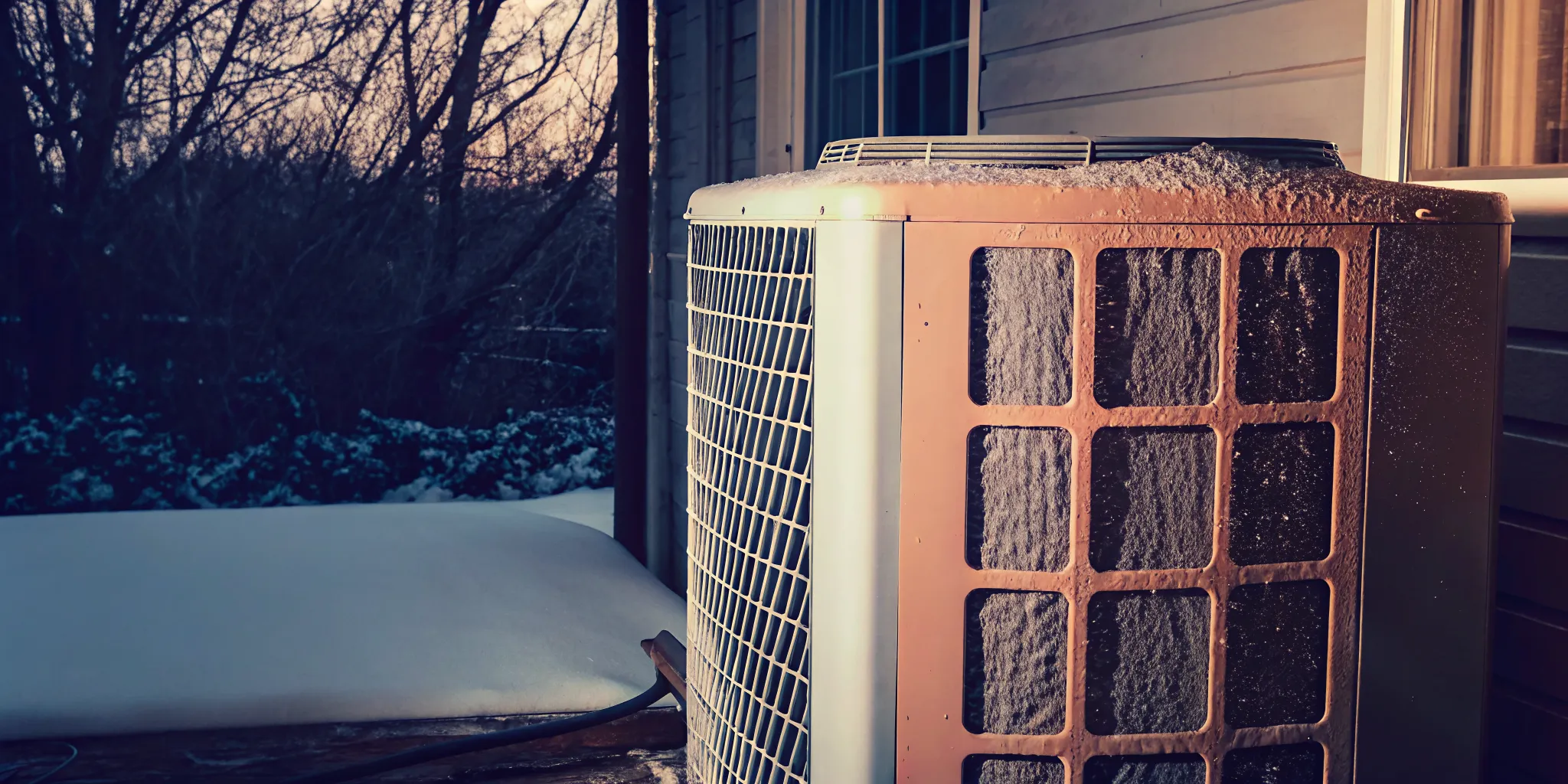
In cold weather, ice can form on the outdoor coils. Your system must melt this ice to keep working well. To do this, it starts a defrost cycle that briefly flips the flow of refrigerant.
This switch turns the system into a cooling mode for a short time to warm up the outdoor unit. While this happens, the indoor fan may keep running. You might feel a burst of cold air for five to ten minutes.
Many systems use a backup heater to take the chill off this air, but you may still notice a change. Once the ice melts, the system will switch back to heating your home as usual. This cycle is a key part of keeping the unit safe from ice damage.
If the air stays cold and your home heat drops, you may have a real issue. A tripped breaker, a dirty filter, or a low level of refrigerant can cause cold air. You should also watch for ice that does not melt after the defrost cycle ends.
These signs mean it is time to call a pro to look at your system. Our team at Garland Heating and Air Conditioning provides expert help all day and night. We have background-checked techs who can find the cause of your heating problem.
We offer same-day service to keep your home warm when the Texas winter hits hard. Getting expert heat pump repair can prevent a small issue from becoming a big repair bill.
| System Status | What You Feel | Is It Normal? |
|---|---|---|
| Standard Heating | Air feels lukewarm (85-92°F) | Yes |
| Defrost Mode | Cool air for 5-10 minutes | Yes |
| Low Refrigerant | Constant cold air from vents | No |
| Broken Reversing Valve | Only blows cold air in heat mode | No |
| Dirty Air Filter | Weak, cool airflow | No |
It can be a surprise when you find your heat pump blowing cold air in the winter. If you are used to a gas furnace, the air might not feel as hot as you expect. This does not always mean your system is broken. Learning how heat pumps work can help you feel more at ease.
A gas furnace can heat air to 130 or 140 degrees. A heat pump works in a new way. It moves heat from the outside air into your home using a refrigeration cycle. Because of this, the air from the vents is mostly between 85 and 92 degrees.
Your body is about 98.6 degrees. Since the air from the vent is cooler than your skin, it may feel cool to the touch. This is true even though the air is warm enough to heat your house to 70 degrees. The moving air can make this feeling even stronger.
When it is very cold outside, ice can build up on the outdoor unit. Your system has a built-in way to melt this frost. This is called a defrost cycle. During this time, the unit switches to cooling mode for a few minutes. This sends heat to the outdoor coils to melt the ice.
While the defrost cycle runs, your indoor vents may blow cool air. Most systems use a backup heater to keep you warm during this time. This part of the process is a normal way the system runs in the winter. If the cool air lasts for a long time, you may need a repair check.
Older systems turn on and off in short bursts. Many modern heat pumps run for longer times at a lower speed. This helps them save more power. This steady air flow can make the room feel not the same as a gas furnace.
Systems with variable speed fans work well to save money. They reduce the speed of the air when the home is close to the right heat level. This leads to a steady feel instead of a hot blast. If you notice common heating problems like cold spots, a tune-up might be needed.
A heat pump blowing cold air can be a big worry when it is cold outside. But you may not need a pro to fix the issue. Some common causes are easy for you to check. Garland Heating and Air Conditioning has served DFW homes since 1952. We know that a quick check can often solve the problem. Before you book a visit, try these safe steps. It is good to know how heat pumps work so you can spot these small issues fast.
Your first stop should be the thermostat. Make sure it is set to “Heat” mode. If it is on “Cool,” the system will blow cold air. Also, look at the fan setting. If the fan is set to “On,” it will blow air even when the unit is not heating. This air can feel cool. Change it to “Auto” so the fan only runs when the heat is on. You should also check your power. Heat pumps use separate power switches for the indoor and outdoor parts. Check your circuit board for any switches that have flipped off.
Be careful when you change your heat settings. Avoid big jumps in heat. Moving the heat up by three degrees or more at once can stress the system. It may turn on the backup heat, which can cost more. Small, slow changes are much better for your unit. If you have a ductless system, the unit reads the heat at the wall. You may need to set it a bit higher to stay warm on the floor.
Air must move freely for a heat pump to work. A dirty air filter is a common cause for a heat pump blowing cold air. When a filter is clogged, it stops the flow of air. This makes the system run poorly. You can learn more about heat pump maintenance tips to keep your unit in good shape. Check your filter every month during the winter. If it looks gray or dusty, swap it for a new one.
Also, check the vents in your rooms. Make sure they are open and not blocked by rugs or chairs. Closing doors to rooms you do not use can help the unit focus its heat. But for some systems, keeping doors open helps the air move better. Try both to see what works best. Modern units may move less air when the home is near the right heat. This is normal and saves on power bills.
Go outside and look at the main unit. Leaves, dirt, or ice can block the coils. If the coils are blocked, the unit cannot get heat from the air. Use a broom to clear away any debris or snow. You should also know about the defrost cycle, which is normal. During this cycle, the unit melts ice off the coils. It may blow cool air for a few minutes. If the air gets warm again soon, your system is likely fine.
These checks are safe for you to do. But you must never open the panels of your unit. Doing your own power work is not safe. It can also void your warranty. Stay away from the refrigerant lines as well. If these safe checks do not fix the problem, you need a pro. Expert heat pump repair and maintenance is the best way to handle deep issues. Our team is ready to help with safe and fast service.
When your home feels chilly, finding your heat pump blowing cold air can be stressful. You expect warm air to flow from your vents during a North Texas winter. But heat pumps work in a different way than gas furnaces. A gas furnace makes very hot air. This air often reaches 130 to 140 degrees Fahrenheit. On the other hand, air-source heat pumps move heat rather than making it. They usually make air between 85 and 92 degrees Fahrenheit. Since your body heat is about 98.6 degrees, this air can feel cool to the touch even when the system works well.
The first place to check is your thermostat. If the fan setting is on “On” instead of “Auto,” the blower will run all the time. This means the fan blows air even when the system is not heating. This air will feel cold because it is just room-temperature air moving through the ducts. Set your thermostat to “Heat” and the fan to “Auto.” This makes sure you get warm air only when you need it. Sudden changes to your settings can also cause issues. It is best to avoid moving the temp up or down by more than three degrees at once.
Your system may also be in a defrost cycle. This is a normal part of how heat pumps work in cold weather. When ice builds up on the outdoor unit, the system switches to cooling mode for a short time. This moves heat to the outdoor coils to melt the frost. During this cycle, your indoor vents might blow cool air for a few minutes. Most modern units turn on a backup heat source. This stops the house from getting too cold. If this backup heat fails, you will notice the drop in heat right away.
Low airflow is a common cause of a heat pump blowing cold air during the winter. If your air filter is dirty, the system cannot pull in enough air to heat it well. This puts a lot of stress on the unit. It can even lead to a full breakdown. You should check your filters once a month. Change them if they look grey or dusty. Blocked vents or dirty coils can also block the path of the air. Keeping the area around your outdoor unit clear of leaves and snow helps keep the right flow.
More complex issues like a faulty reversing valve or low refrigerant need a pro to find. The reversing valve is the part that tells the system to heat or cool. If it gets stuck, the unit might stay in cooling mode even when you need heat. Low refrigerant levels are also a big problem. The refrigerant carries the heat from outside to inside. A leak means there is no way to warm your home. These parts are under high pressure. They need expert heat pump repair and maintenance to fix safely. Pros can check for leaks and test the sensors that control the heating cycle.
Control board errors or broken sensors can also stop the heat. Modern heat pumps use many small parts to watch the air and pressure. If a sensor fails, the system might not know it needs to start the heating task. A pro can run a check to see if the computer parts are sending the right signals. They can also check the compressor, which is the heart of the system. If the compressor is not working, the refrigerant cannot move heat into your home. This leaves you with cold air coming from the vents.
Most heat pump issues start small. You might notice a slight drop in warmth or a small bump in your power bill. But knowing when to call for help can save you money and keep your home cozy. If you wait too long, a simple fix can turn into a big repair. Our team at Garland Heating and Air Conditioning has seen how fast these problems grow in the North Texas cold.
One of the most common signs of a problem is a heat pump blowing cold air when it should be warm. This can happen for a few reasons. Sometimes your unit enters a defrost cycle to melt ice from the outer coils. During this time, it might blow cool air for a few minutes. But if the air stays cold and your home feels chilly, you likely have a system fault. A bad valve or low fluid levels could be the cause.
You should also look for heavy ice on the unit. While a thin frost is normal, a thick block of ice means the system is failing. This often points to a faulty fan or a bad sensor. Other red flags include odd noises like loud bangs or grinding sounds. These often mean a part is loose or broken. If your system stops listening to the thermostat, it is time to seek expert heat pump repair and maintenance to find the root cause.
Some issues need fast action to keep your family safe. If you smell something burning or see smoke, turn the system off right away. This often means a wire is shorting out or a motor is burning. Never try to fix power parts yourself. Sparking or humming from the outdoor unit are also signs of a deep fault. If your breaker trips more than once, do not keep flipping it back on. This is a safety feature that tells you the unit is drawing too much power.
In these cases, you should call for 24/7 service. Quick care stops a small spark from becoming a house fire. At Garland Heating and Air, we put safety first. We check every wire and part to make sure your system is sound. It is better to be safe and turn the unit off until a pro arrives.
The best way to avoid a breakdown is to plan ahead. Most pros say you should get a checkup twice a year. This is because heat pumps work all year long to keep you cool in summer and warm in winter. Steady care helps find worn parts before they fail. It also keeps your system running well, which lowers your energy costs. A clean unit can move heat much better than a dirty one.
Modern heat pumps work well. They can move up to four times as much heat energy as they use in power, according to the U.S. Department of Energy. But they can only do this if they are in good shape. Clogged filters or dirty coils make the unit work harder. This wastes money and puts stress on the motor. Setting a visit now can prevent a cold house later this winter.
A few simple habits can help you avoid the stress of a heat pump blowing cold air. While some issues need a pro, you can manage many common problems with regular checks at home. Small steps now often prevent big repairs later.
Dirty filters are the most common cause of heating issues. When dust builds up, it blocks air from moving through your system. This makes your heat pump work harder and can even lead to a full shutdown. Check your filter once a month and replace it if it looks gray or dusty. This simple task helps your unit stay efficient and keeps your home warm.
Your heat pump needs plenty of space to pull in heat from the outside air. Clear away any leaves, dirt, or snow that may pile up around the outdoor unit. It is also wise to trim back bushes or plants to keep at least two feet of open space on all sides. When the unit is clear, it can transfer heat energy well, even when it is cold outside.
Modern heat pumps work all year long, which means they face a lot of wear and tear. To keep things running well, experts say you should schedule service twice a year. A tech can find small leaks or worn parts before they cause a breakdown. Garland Heating and Air Conditioning has served the Dallas-Fort Worth area since 1952. Our team knows how to prep your system for North Texas winters.
Make sure all your supply and return vents are open and not blocked by rugs or furniture. Closing too many vents can stop the airflow and strain the system. If you have rooms you do not use, keeping doors closed can help focus the heat where you need it most. These tiny changes help your heat pump maintain a steady, gentle flow of warm air through your house.
Heat pumps often feel cooler than gas furnaces because they deliver air between 85 and 92 degrees Fahrenheit. Since this is lower than your body temperature, the air may feel chilly even when it is heating your home. According to the U.S. Department of Energy, these systems move heat rather than creating it. This explains why the air temperature is lower than a traditional furnace.
Yes, it is normal for a system to blow cool air for a short time during a defrost cycle. When frost builds up on the outdoor unit, the system reverses the flow of refrigerant to melt the ice. This process temporarily stops the indoor heating. If your unit stays in this mode for more than fifteen minutes, call Garland Heating and Air Conditioning. We will check for a stuck valve or mechanical issues.
A heat pump with low refrigerant levels will struggle to extract enough heat from the outdoor air, resulting in lukewarm or cold air at the vents. You might also notice ice on the outdoor coils or a hissing sound near the unit. If you suspect a leak, it is best to have a professional from Garland Heating and Air Conditioning inspect the system. Low refrigerant can damage the compressor and lead to high energy bills.
When outdoor temperatures drop below freezing, a heat pump must work harder to find heat. While modern units are designed to work in cold weather, they may switch to backup heat if the demand is too high. If you feel cold air during a freeze, the system might be trying to defrost or could have a broken component. Regular maintenance is vital to ensure your system can handle the extreme Texas winter weather without failing.
A dirty or clogged air filter restricts the amount of air moving through your system. When airflow is too low, the heat exchanger cannot transfer heat to the air in your home effectively. This often leads to short cycling or air that feels lukewarm. Experts recommend checking your filters every month and replacing them whenever they look dirty. Keeping your filters clean is one of the easiest ways to maintain efficiency and prevent unneeded service calls.
If your system keeps blowing cold air, the indoor temperature is falling. Or you notice ice, unusual sounds, or an electrical warning sign, do not attempt an internal repair. Garland Heating and Air Conditioning has served Dallas Fort Worth homeowners since 1952, and its technicians can diagnose the cause and recommend the right next step.
Schedule Service for expert heat pump repair and maintenance.