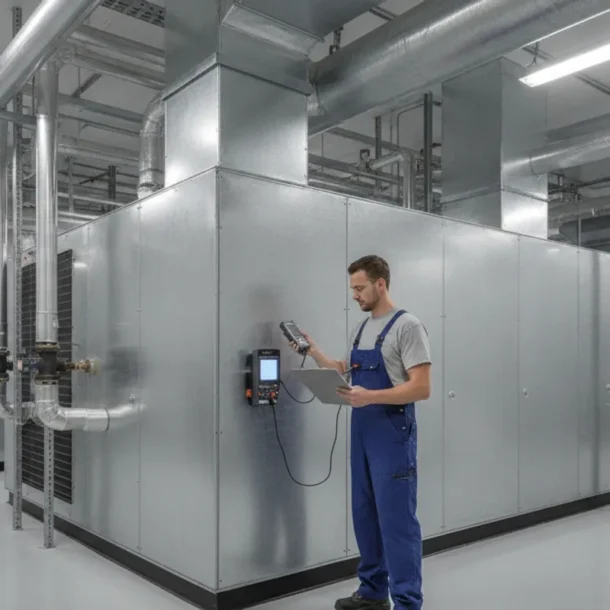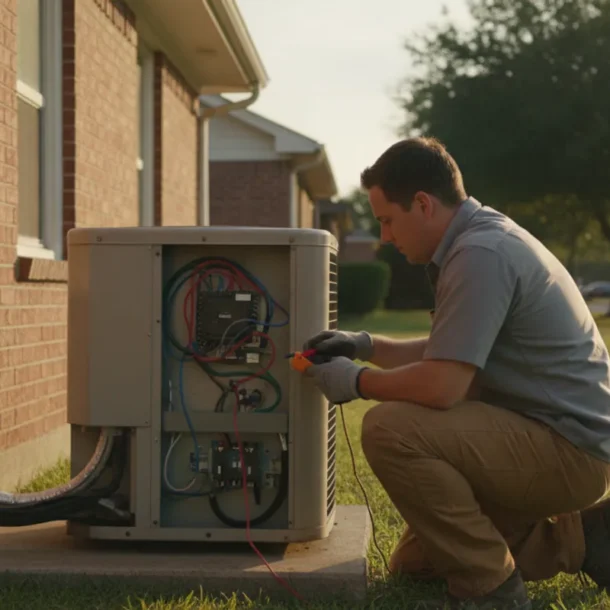

Trying to understand air handler repair cost before booking service? For Dallas-Fort Worth homeowners and property managers, the useful starting point is a clear diagnosis, not a generic price pulled from a symptom.
Schedule an air handler assessment
In brief: The quote depends on what failed, the parts and labor needed, equipment access, and the unit’s age and condition. Ask for an itemized explanation before approving work. Then compare the repair scope with the system’s history, comfort needs, and any reasonable replacement discussion. Garland Heating and Air Conditioning provides quote-based service; contact the company for a customized quote.
An air handler moves conditioned air through a building. Depending on the system, it may contain a blower motor and fan, controls, drain components, and a coil. Weak airflow, noise, or water near the unit can be clues, but none identifies a failed component by itself. Multiple faults can produce similar symptoms, so inspection and testing matter.
A simple adjustment or accessible component replacement is different from extended electrical troubleshooting or work on a difficult-to-reach part. The quote should describe the diagnosed fault and why the proposed work addresses it. If a recommendation is based only on a symptom, ask what tests support it.
Equipment may be in an attic, closet, or mechanical room. The space around it, safe access, and the steps needed to reach a component can affect labor. Parts availability and compatibility also influence timing and scope. If the system has several worn or damaged components, the technician may need to explain whether the additional issues are essential to address now or are separate concerns.
Ask whether the quote includes diagnostic work, parts, labor, cleanup, and post-repair testing. Clarify any exclusions or conditions that could change the work. A written scope helps you understand the decision and compare proposals fairly.
A visible symptom may be only the first clue. A technician might need to inspect the drain path, electrical connections, blower operation, and airflow before identifying the underlying issue. If testing finds more than one concern, ask the provider to separate the findings into urgent repair items, related work, and optional recommendations. This makes it easier to see what is required to restore operation and what can be considered separately.
For example, a proposal that includes replacing a failed motor and correcting a wiring issue should explain whether both findings contribute to the same operating problem. If an additional part is described as worn but still functioning, ask what signs indicate it needs attention and what could happen if you defer it. This is not a request to ignore a legitimate concern; it is a way to understand the basis and timing of each item.
Make a short record of what you notice: when the issue began, whether it affects one room or the whole building, whether airflow changed, and whether there are sounds, odors, or visible water. Note if the problem is continuous or comes and goes. These details help a technician focus the assessment without treating your observation as a diagnosis.
For example, weak airflow throughout a home could relate to a filter, blower, duct restriction, or another system condition. If only one room is affected, the cause may lie elsewhere in the air distribution path. The point is not to identify a part yourself; it is to describe the pattern accurately so the assessment can check plausible causes.
Check that the thermostat is set to the intended mode and temperature. Inspect an accessible filter and replace it with the specified size and type if it is visibly dirty. Make sure supply registers are open and not blocked by furniture or rugs. If symptoms persist after these basic checks, avoid repeatedly changing settings or attempting internal repairs.
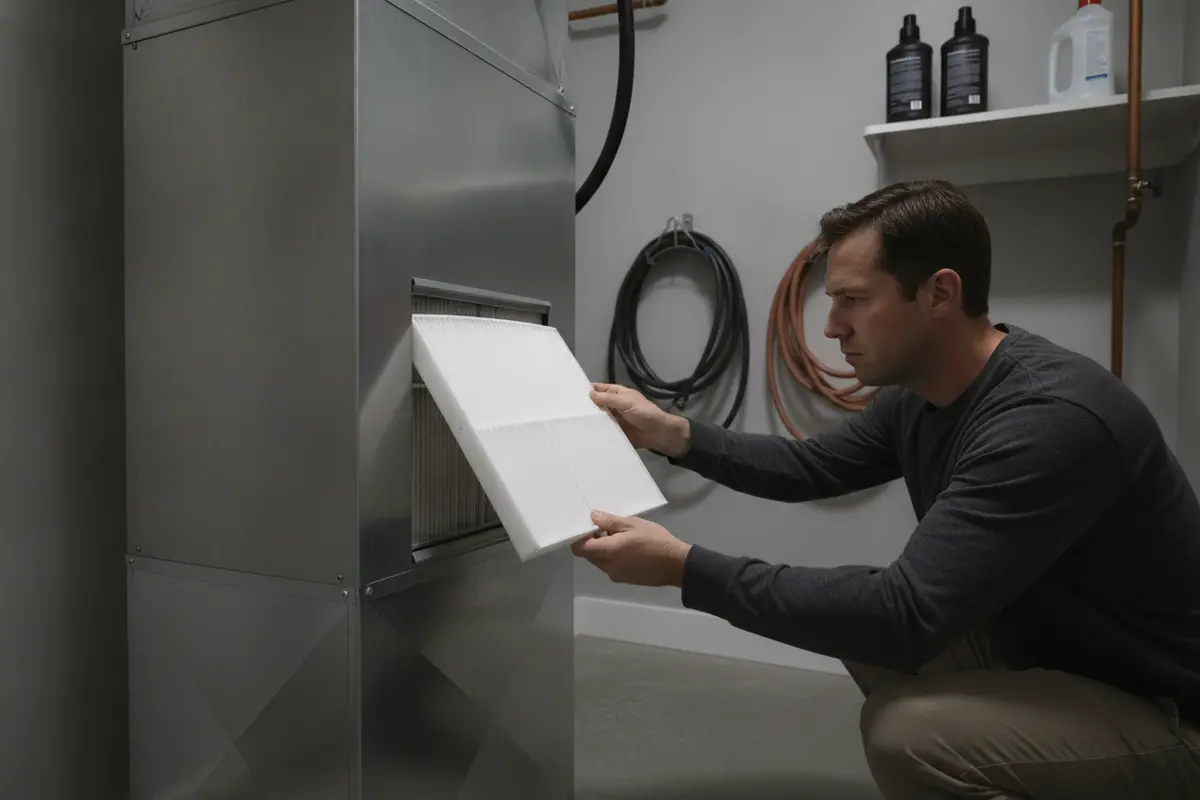
Do not open electrical compartments, handle wiring, or reach near moving parts. If you smell burning, see water around equipment, hear severe grinding, or find a breaker that trips again, stop troubleshooting and request professional help. If there is an immediate safety concern, leave the area and seek appropriate emergency assistance.
Share the symptom timeline and the safe checks you already tried. Mention whether the thermostat display changed, whether the system starts and stops, and whether the concern began after a power interruption, filter change, or other known event. Do not guess at a cause or conceal a previous repair; accurate context can help the technician decide which checks are relevant.
For a rental, business, or multi-zone property, specify which rooms or zones are affected and whether the issue disrupts occupants, equipment, or normal operations. That distinction helps frame the service visit. A single uncomfortable room may call for a different diagnostic path from a system-wide loss of airflow.
A sound assessment should identify the fault, explain the evidence, and state what work is proposed. Ask how the technician ruled out other likely causes. If a component is being replaced, ask what made it fail and whether a related condition needs attention. The goal is to understand the cause, not merely swap a part and hope the symptom disappears.
Ask how the equipment will be tested after the repair. Depending on the work, the technician should explain what operation or readings will be checked and what result would indicate normal function. You can also ask what signs to watch for afterward and what to do if the same symptom returns.
When you have more than one quote, check whether each addresses the same diagnosed issue. Compare the component, part details where relevant, labor, testing, and exclusions. One quote can appear lower because it covers less work; another may include troubleshooting or follow-up checks. Ask each provider to explain differences in plain language rather than selecting by the total alone.
| Decision point | When it applies | What to ask |
|---|---|---|
| Repair now | A specific fault is found and the rest of the system is in suitable condition. | What failed, what is included, and how will the repair be tested? |
| More diagnosis | Several causes remain possible or the findings are incomplete. | Which additional checks are needed and what will they establish? |
| Compare replacement | There are repeated failures, wider condition concerns, or a substantial repair scope. | What replacement options and customized installation quote should be considered? |
Put the proposals side by side and check each line, not just the total. Confirm whether both include the same diagnostic fee, component, labor, access work, testing, and cleanup. Note any assumptions, such as parts availability or a condition that could require a revised quote. If one proposal is vague, ask for a written explanation before comparing it with a detailed one.
Consider a hypothetical example: one quote identifies a specific blower problem and includes a post-repair operation check; another lists only “air handler repair.” The totals alone do not tell you whether the scopes match. Ask the second provider to clarify the diagnosed fault, included work, and test plan. The goal is not to pick the longest proposal, but to understand what each provider expects to do.
There is no single age or repair-price threshold that settles the choice for every property. Consider the diagnosed problem, overall condition, repair history, comfort, and whether the proposed work addresses a one-time failure or a pattern. An older unit with an isolated fault may still merit a repair discussion. A unit with recurring issues or several concerns may warrant comparing the repair plan with replacement options.
Ask the technician to explain the basis for either recommendation. If replacement is raised, request a separate scope that identifies what equipment and work are included. Garland Heating and Air Conditioning offers AC installation and replacement and heating installation and replacement; the relevant option depends on your system type and assessment.
Write down the repair quote, the work it covers, the reported condition of other components, and any follow-up needs. For a replacement comparison, include the proposed system scope and what the assessment says about comfort or operation. Avoid treating sunk costs, a single noisy day, or a general rule of thumb as the only deciding factor. A clear explanation allows you to weigh the immediate repair against a longer-term plan that fits your property.
Think through how the system is used. A household planning to remain in the home for years may weigh repeat service disruption differently from a property owner preparing a renovation. A commercial site may need to consider operating schedules and how long it can tolerate reduced comfort. These circumstances do not change the equipment diagnosis, but they do affect which option is practical to evaluate.
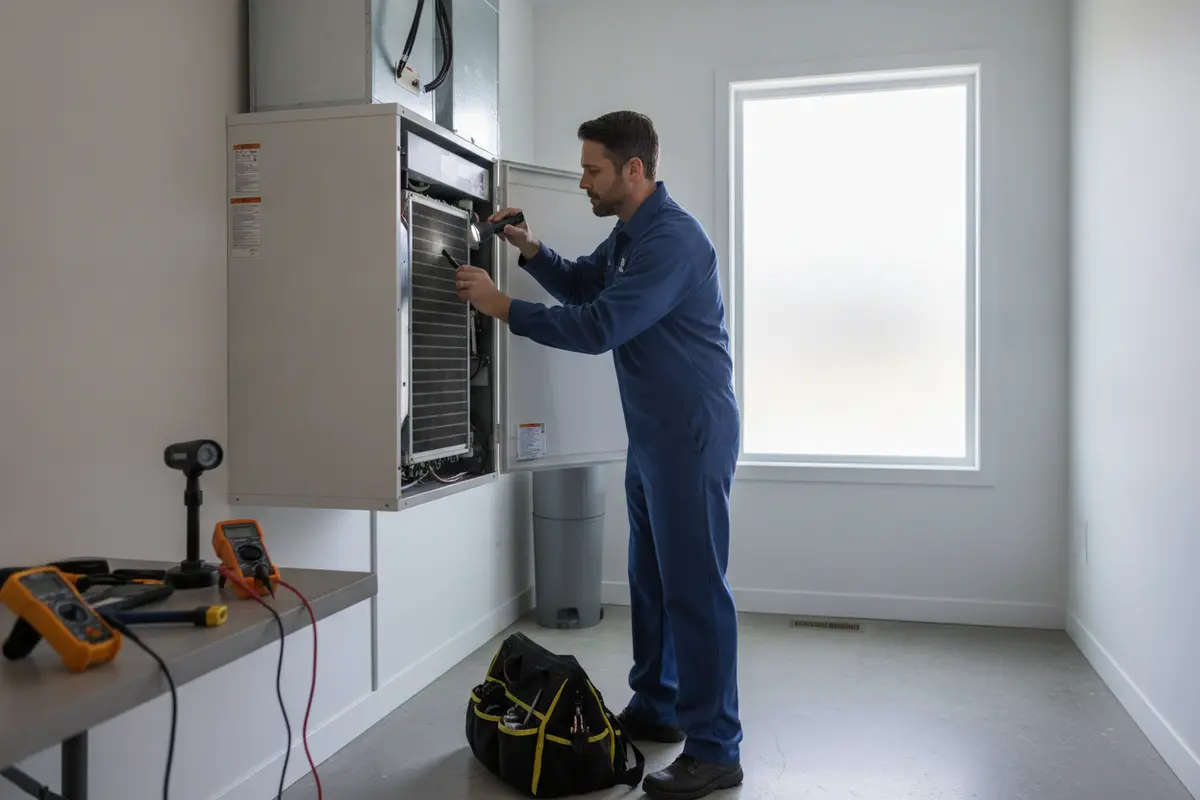
A replacement proposal should identify the equipment and work included, any related changes needed for installation, and how the system will be tested and handed over. Ask whether the comparison covers the same equipment scope and relevant site conditions as the repair decision. A replacement figure without defined inclusions is not a useful point of comparison with an itemized repair quote.
Keep the decision grounded in the actual unit and property rather than assuming that replacement always improves every concern. Ask what comfort or operating issue the proposed replacement is intended to address, and whether the existing ductwork or controls need separate evaluation. If the answer is uncertain, request clarification before treating replacement as the only path.
Clear a safe path to the indoor unit and keep pets away from the work area. If you know the equipment’s make, model, or approximate installation date, have it available. Note previous repairs, recent filter changes, and rooms that are warmer or cooler than expected. For attic equipment, mention access constraints before the visit if possible.
Residential and commercial equipment can differ in configuration and operating needs. Tell the service provider what kind of property and system you have, whether the issue affects one zone or the full building, and whether any business activity depends on the equipment. Garland Heating and Air Conditioning serves residential and commercial customers in the region. See its air handler repair service and Dallas-Fort Worth service area for relevant information.
These questions are useful whether you are in Garland, Richardson, Plano, or elsewhere in DFW. They keep the conversation centered on the actual equipment and proposed work. For general maintenance preparation, see Garland’s HVAC maintenance guide.
For a multi-unit building or commercial space, gather reports from occupants and record when each report came in. Ask whether the problem occurs at particular times or under specific operating conditions. If access requires a key, roof hatch, tenant notice, or escort, plan that in advance. Delays in access can limit what can be assessed during a scheduled visit.
Keep records from prior service visits available, including the date, work completed, and whether the same symptom returned. A concise timeline can help distinguish a new issue from a recurring one. Avoid promising occupants a repair outcome before diagnosis; share that the provider will identify the issue and explain the proposed work.
A clogged filter can restrict airflow, but replacing a filter does not resolve every air handler problem. Follow the equipment instructions for filter size and replacement interval; conditions in a home or building can affect how quickly it collects debris. Check that return grilles are not covered and that supply outlets are not obstructed. Persistent noise, uneven airflow, or water should be evaluated rather than attributed automatically to the filter. For broader background on indoor air quality, consult the U.S. Environmental Protection Agency’s indoor air quality resources.
Routine maintenance can help surface developing concerns and keep basic components in view, but it is not a guarantee that a system will avoid future repairs. Record dates of filter changes and service visits. If the same symptom returns soon after work, share the timing and what changed with the provider instead of assuming it is unrelated.
Homeowners can make visual observations and check accessible settings, filters, and registers. Internal electrical diagnosis, motor work, or repairs involving moving parts are different tasks. Attempting them without appropriate training can create hazards or worsen the equipment problem. If you are unsure whether a check is safe, leave it to a professional.
For a basic overview of how air moves through a system, Garland’s HVAC system guide can provide context. For an ongoing problem, a technician’s assessment is still needed to determine whether the air handler, ductwork, thermostat, or another part of the system is involved.
No. Weak airflow, noise, and water can have different causes. A professional assessment is needed to identify the work and prepare a customized quote.
Age is one consideration, not an automatic answer. Review the diagnosed issue, the unit’s condition and repair history, and the scope of the quote. Ask whether a replacement comparison would help you decide.
Yes, a dirty filter can restrict airflow. Replace it according to equipment requirements, and arrange an assessment if poor airflow continues.
Limit checks to safe basics such as thermostat settings, an accessible filter, and clear registers. Leave electrical and internal mechanical work to a professional.
Request a customized air handler service quote
Understanding the diagnosis, work scope, and alternatives gives you a sound basis for deciding what to do about air handler repair in your DFW home or property.