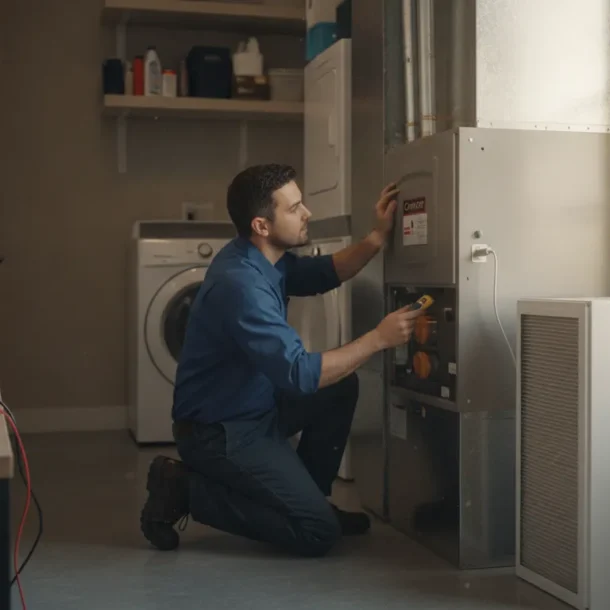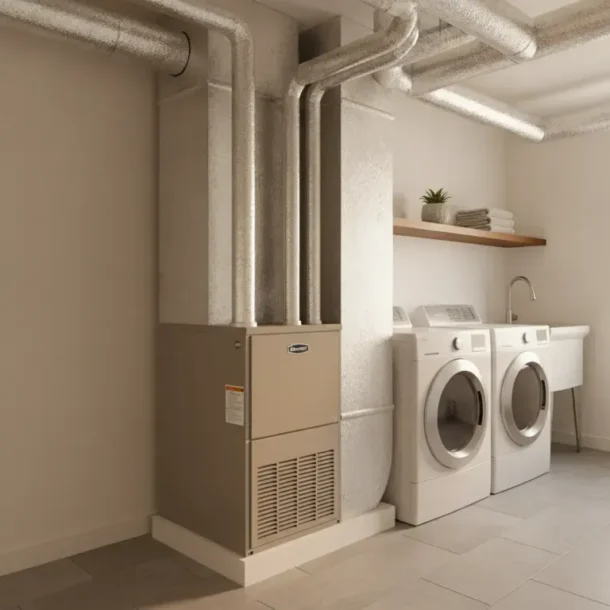

In Texas, a heat pump has to cool through intense summer demand and still provide dependable heat when a winter cold snap arrives. Request a customized installation quote from Garland Heating and Air Conditioning.
Before scheduling heat pump installation, know that this equipment can provide both heating and cooling. But the right design depends on your home’s size, insulation, ductwork, electrical service, comfort needs, and selected equipment. In DFW, a professional evaluation should also address auxiliary or backup heat for occasional freezing conditions.
Garland Heating and Air Conditioning has served the Dallas-Fort Worth area since 1952, helping homeowners evaluate system upgrades and replacements with site-specific recommendations. Understanding how the equipment moves heat between your home and the outdoors is the first step toward deciding whether this approach fits your home.
A heat pump moves heat instead of generating it directly. In winter, an air-source system draws available thermal energy from outdoor air and transfers it indoors. In summer, it reverses that process, removing heat from the home. That two-way operation gives a properly selected system one outdoor unit that can provide both heating and cooling. The U.S. Environmental Protection Agency explains how heat pumps transfer heat between a home and its surroundings.
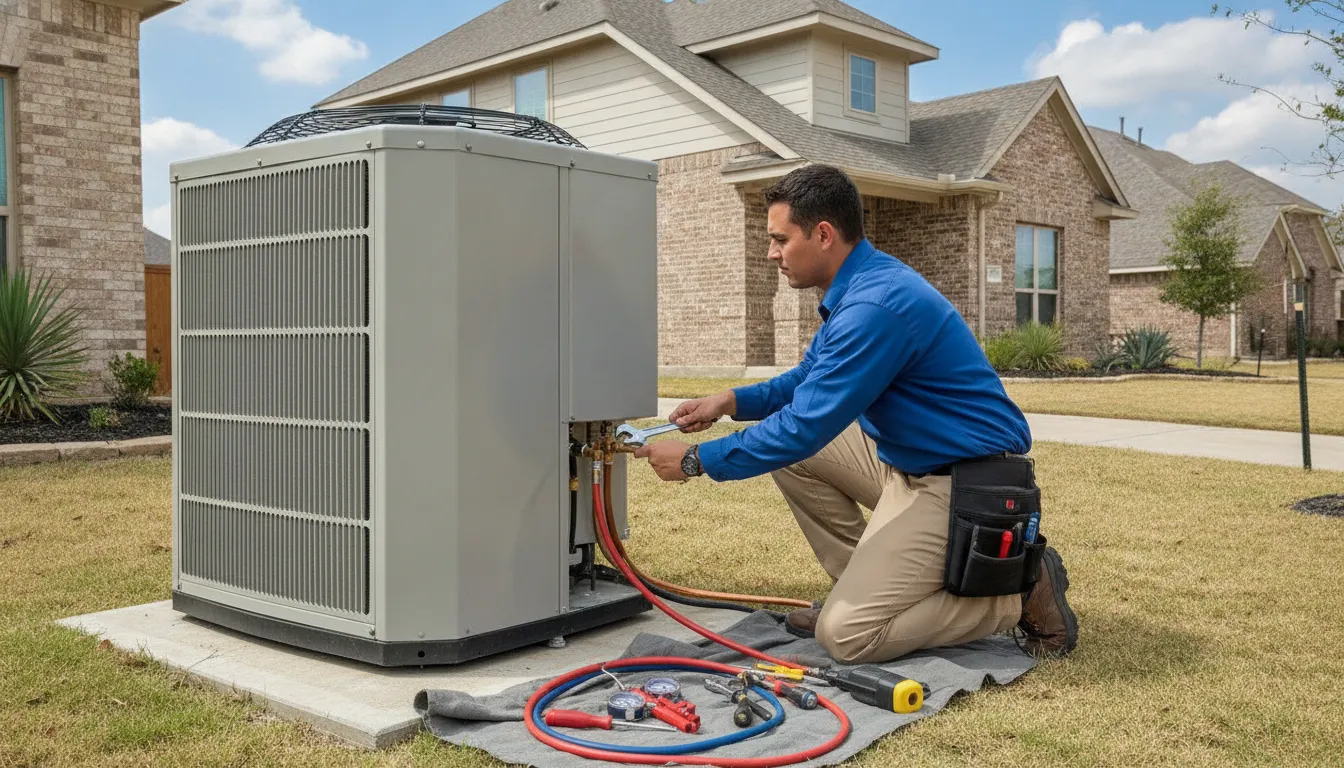
During heating mode, the outdoor coil absorbs heat from the air, even when the temperature feels cool. Refrigerant carries that thermal energy through the system, where the indoor coil releases it into the home. The blower then distributes the warmed air through the ductwork. A heat pump is not making heat in the same way a furnace does. It is using electricity to move heat from one place to another.
When the thermostat calls for cooling, a reversing valve changes the direction of refrigerant flow. The indoor coil absorbs heat from the rooms, and the outdoor unit releases that heat outside. Most heat pumps cool this way. The EPA notes that high-efficiency models may remove humidity more effectively than standard central air conditioners while using less energy. Actual comfort depends on the equipment, ductwork, controls, and condition of the home.
Air-source systems are the most common heat pump type and exchange heat with outdoor air. Ductless mini-split heat pumps can be useful in homes without existing ducts. Geothermal systems use relatively constant ground or water temperatures instead. These are different designs, so the right choice depends on the structure and the installation plan, not just the season.
Texas homeowners should also think beyond the hottest summer days. A heat pump must handle substantial cooling demand in the DFW area, while occasional freezing conditions make equipment selection and backup-heat planning important. A professional evaluation can account for the home’s layout, existing ductwork, electrical service, and comfort priorities before recommending heat pump installation. Garland Heating and Air Conditioning can also help homeowners plan related heating installation and replacement work.
A heat pump can be a practical choice for many DFW homes. The right system depends on more than replacing one piece of equipment with another. The evaluation should account for the home’s size, insulation, windows, ductwork, electrical service, comfort concerns, and how the household wants to handle both hot summers and occasional winter freezes.
Proper sizing is one of the most important parts of heat pump installation. An undersized unit may struggle to keep rooms comfortable, while an oversized system can cycle too frequently and manage humidity less effectively. A professional load calculation can consider the home’s climate, insulation, windows, orientation, and occupancy before equipment is selected. These details matter in established DFW neighborhoods, where homes can vary widely in age, construction, additions, and air-sealing.
Existing ductwork also deserves close attention. Leaks, restrictions, poor insulation, or unevenly sized ducts can limit comfort even when the heat pump itself is correctly selected. If a home does not have usable ducts, a ductless system may be worth discussing. The U.S. Environmental Protection Agency notes that homes without existing ducts might consider a ductless, or mini-split, heat pump: EPA heat pump guidance. The installation approach should follow the home’s layout rather than forcing every property into the same design.
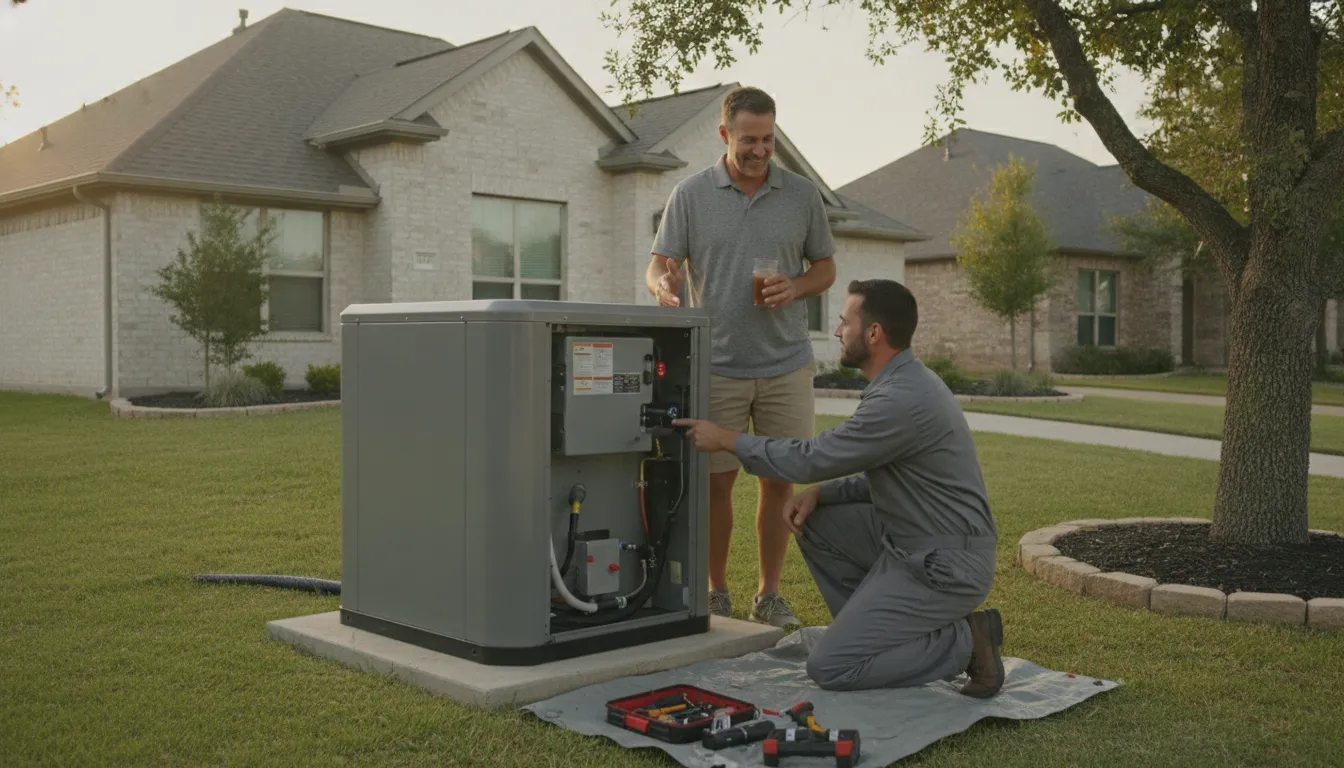
DFW homes need equipment that can handle substantial cooling demand as well as heating. Texas winters are often mild, but temperatures can occasionally fall below freezing. Heat pump efficiency can decline below about 40 degrees Fahrenheit, so auxiliary heat or a dual-fuel design may be relevant depending on the home and the selected equipment. That does not make one option right for every household. It makes the backup-heat discussion an important part of the assessment.
The contractor should also review the electrical service, indoor and outdoor equipment locations, controls, and any needed updates before work begins. Electrical and refrigerant work require professional attention, and installation should follow applicable safety and local-code requirements. Garland Heating and Air Conditioning provides heating installation and replacement, including upgrades and retrofits for homeowners considering a conversion. Since 1952, the family-owned company has evaluated DFW homes with different layouts and existing systems. A site-specific recommendation and customized quote are the best way to determine whether heat pump installation fits your home.
A professional heat pump installation is a coordinated process. It is not simply a matter of replacing one outdoor appliance. The installer evaluates the home, prepares stable equipment locations, connects the system safely, and verifies operation before turning it over to the customer. The exact work depends on the existing ductwork, electrical service, comfort needs, and selected equipment.
Garland Heating and Air Conditioning provides heat pump installation through its heating installation and replacement services. A careful assessment and documented startup help create a clear handoff, while future service needs can be addressed through professional heat pump repair and maintenance.
Choosing equipment for a new installation involves more than comparing a brand name or a rating on a brochure. The right system should match the home’s size, ductwork, electrical service, comfort goals, and the demands placed on it throughout the year. In DFW, that means considering strong cooling performance for long, hot summers as well as a practical plan for occasional freezing weather.
| Feature | What to compare | Why it matters |
|---|---|---|
| System type | Central air-source, ductless mini-split, or geothermal design | Air-source systems exchange heat with outdoor air. Ductless systems can serve separate zones where conventional ductwork is not practical. Geothermal systems use ground or water temperatures and require a different site plan. |
| Capacity and sizing | Load calculation, home size, insulation, windows, orientation, and occupancy | Correct sizing supports steady comfort and helps avoid short cycling or inadequate output. |
| Cooling and heating performance | Equipment ratings and expected seasonal operation | A DFW system must be selected for both heavy cooling demand and the home’s heating plan. |
| Electrical requirements | Available service, disconnect, wiring, and controls | The electrical plan should be reviewed before installation so the equipment can operate safely. |
| Backup heat | Auxiliary heat or dual-fuel options where appropriate | Backup planning can matter when temperatures fall below the system’s preferred operating range. |
| Ductwork or zoning | Existing ducts, duct repairs, or ductless distribution | Airflow and room-by-room comfort depend on the distribution design, not only the outdoor unit. |
| Controls | Thermostat compatibility and operating preferences | Controls should match the equipment and make the heating and cooling modes clear to the household. |
| Service plan | Maintenance access, filter needs, and future support | Ongoing care helps identify airflow, drainage, electrical, or refrigerant concerns early. |
A contractor should explain what each specification means for your home rather than handing you a generic equipment list. Ask which assumptions shaped the recommendation, what duct or electrical work is included, how the system will be commissioned, and who will handle future service. Garland Heating and Air Conditioning can discuss heat pump installation alongside related AC repairs and maintenance needs.
There is no responsible one-size-fits-all price for heat pump installation. Garland Heating and Air Conditioning prepares quote-based recommendations because the total depends on the home and the work required. A replacement with usable ductwork can involve different labor and materials than a conversion, ductless installation, electrical upgrade, or project that needs duct repairs.
Ask for a written scope that separates equipment, labor, modifications, commissioning, and recommended follow-up care. If you are comparing payment approaches, you can review Garland Heating and Air Conditioning’s HVAC financing options and confirm current terms directly with the company. Do not choose a system from a headline price alone. The better comparison is whether the proposed design fits the home and clearly explains the work.
Good heat pump performance depends on the installation and the care that follows it. After the system is commissioned, homeowners should understand filter access, thermostat modes, outdoor-unit clearance, and the service schedule recommended for the equipment. These simple details help the household spot changes before a comfort problem becomes an emergency.
Watch for uneven temperatures, unusual sounds, weak airflow, repeated cycling, ice that does not clear, water near the indoor unit, or a thermostat that cannot maintain the selected setting. These signs can have different causes, including airflow restrictions, drainage issues, control problems, refrigerant concerns, or equipment faults. Avoid guessing at a refrigerant or electrical repair. Turn off the system if there is a serious electrical odor or unsafe condition and seek professional help.
Keep the area around the outdoor unit clear of stored items and heavy debris. Replace or clean filters according to the equipment and household conditions. Keep service records so a technician can see what was installed, adjusted, or repaired. Garland Heating and Air Conditioning offers heat pump repair and maintenance for DFW customers who need ongoing system support.
Planned maintenance is also a useful time to review airflow, electrical connections, condensate drainage, controls, and the condition of the outdoor coil. The goal is not to promise that a system will never need repair. It is to keep the equipment understood, accessible, and serviced when the evidence calls for it. That practical approach helps protect comfort through the changing Texas seasons.
Installation time depends on the equipment, access, ductwork, electrical work, and any modifications required. A contractor should explain the expected schedule after reviewing the home rather than promising a universal timeline.
Many heat pump systems provide both cooling and heating. Whether one can replace the existing equipment depends on the home, selected design, distribution system, electrical service, and backup-heat plan.
They can provide heat in cold weather, but the system must be selected for the home and local conditions. Ask the installer about operating limits, auxiliary heat, or dual-fuel options for occasional freezing temperatures.
Yes. Ductless mini-split heat pumps are designed for homes or areas where conventional ductwork is not practical. A professional can compare ductless and ducted approaches based on the home’s layout and comfort goals.
Compare the scope, equipment, sizing method, duct and electrical work, commissioning, controls, and follow-up service. Garland Heating and Air Conditioning can provide a customized quote for a DFW home or business.
Heat pump installation should begin with a review of your home, current HVAC setup, comfort goals, and the work needed for a safe, well-matched system. Garland Heating and Air Conditioning has served Dallas-Fort Worth since 1952 and can help homeowners and commercial customers understand the available path. Contact Garland Heating and Air Conditioning to schedule a heat pump installation consultation or request a customized quote. You can also call (972) 278-3500 to discuss the next step.