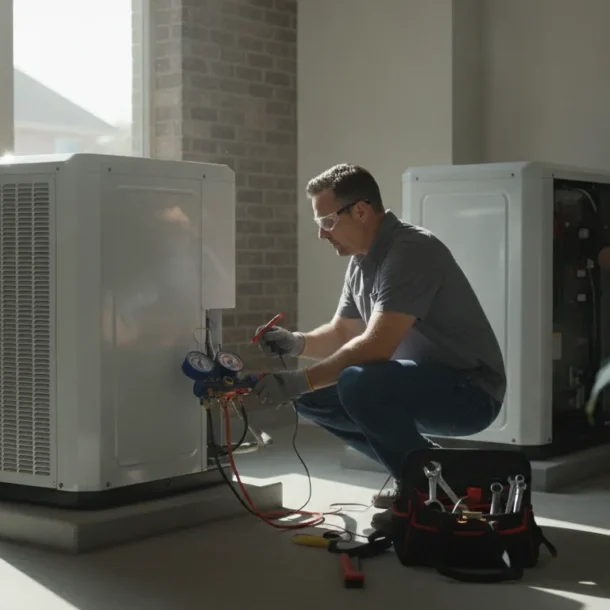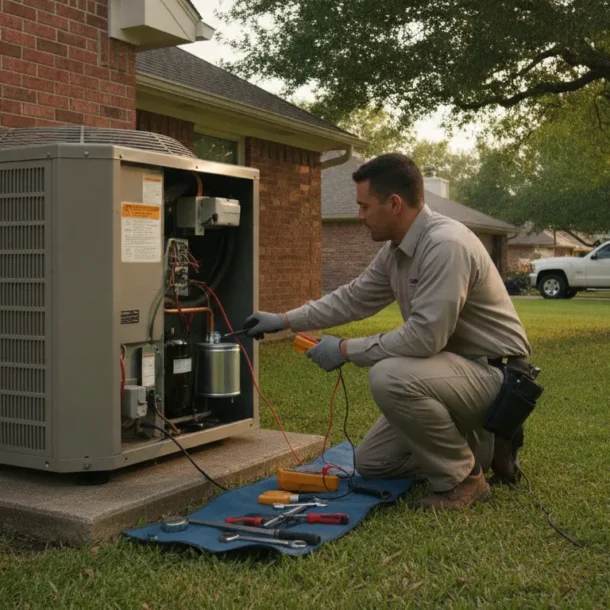
A heater can fail at the worst possible time, especially when a DFW cold snap suddenly increases demand. An unexplained number is less useful than knowing what drives the quote and what questions to ask before approving work.
Schedule service with Garland Heating and Air Conditioning for a system-specific evaluation.
Heater repair cost dallas fort worth depends on the heating system, failed component, and diagnostic findings. It also depends on parts, labor, equipment access, service timing, and whether repair or replacement is the better long-term choice. Garland Heating and Air Conditioning uses quote-based pricing rather than a single price for every home.
That approach matters because a furnace in a tight Dallas attic, a heat pump with a control issue. And a system with a history of repeated failures can require very different work. Understanding those variables makes it easier to evaluate a written estimate and choose a sensible next step.
For broader planning, see the HVAC cost guides for Dallas-Fort Worth before comparing repair, replacement, and financing questions.
Garland Heating and Air Conditioning uses quote-based pricing because no two heating repairs happen under exactly the same conditions. A customized estimate reflects the equipment, the confirmed failure, the work required, and the conditions at the property. That approach is more useful than an unexplained standard number when you are comparing heater repair cost in Dallas Fort Worth.
System type and age are important starting points. A gas furnace, electric system, and heat pump use different components and require different testing procedures. Age also matters because an older system may have worn multiple parts, use less-common components, or be closer to a repair-versus-replacement decision. Furnace repair pricing in the Dallas-Fort Worth area can vary with the system type, the problem, and how quickly service is needed, according to DFW furnace repair guidance.
The failed component is only one part of the picture. A technician may need to investigate thermostat signals, electrical controls, ignition, airflow, or a blower assembly before identifying the root cause. Symptoms and system history help shape that assessment, rather than assuming the first visible symptom is the complete repair. Recording when the issue began, unusual sounds or odors, and whether the system runs continuously can make the diagnostic visit more productive.
Parts and labor then depend on the repair itself. A readily available part may involve a different process from a specialized component, while labor can change when testing, removal, or additional safety checks are necessary. The estimate should explain what is being replaced and why.
Accessibility is a practical factor in DFW homes. Equipment located in a tight attic can take longer to reach, inspect, and service. Tight Dallas attic conditions can increase repair time, as noted in DFW HVAC repair cost guidance. The same principle can apply to crowded closets, difficult equipment clearances, or commercial locations with access requirements.
Timing can matter as well. Regular-hours service and urgent after-hours work may involve different scheduling conditions, particularly during an occasional DFW cold snap when demand rises. Availability should be confirmed for your location and time, not assumed.
Before approving work, ask for a written estimate that separates parts, labor, and any applicable after-hours fees. Also ask what the diagnosis found, whether the recommendation is repair or replacement, and whether the estimate includes all required work. Garland Heating and Air Conditioning can explain the options clearly so you can make an informed decision.
| Repair area | What a technician may check | Why the quote varies |
|---|---|---|
| Thermostat and controls | Signals, wiring, relays, breakers, and control boards | The visible symptom may have more than one cause |
| Ignition and flame sensing | Igniter, flame sensor, safety controls, and startup sequence | Gas-furnace safety testing may be required |
| Airflow and blower | Filter, return path, blower motor, wheel, and fan assembly | Access and related airflow problems can change the work |
| Heat exchanger and venting | Combustion, venting, and signs of unsafe operation | Safety concerns may require a broader evaluation |
The part that fails is only one piece of a heating repair quote. A technician also needs to confirm what caused the symptom, how accessible the equipment is, and whether the repair restores dependable operation. In Dallas-Fort Worth, that assessment may look different for an attic furnace in Garland than for an accessible air handler in Plano or a commercial heating system.
A thermostat issue can look like a furnace failure. The thermostat may not be communicating correctly, or the problem may involve thermostat wiring, a relay, a breaker, a capacitor, a contactor, or the system’s control board. These components manage when the system starts and how it responds to a call for heat. Replacing a control without testing the rest of the circuit can leave the underlying problem unresolved.
Before service, note what the thermostat displays and what happens when you raise the set point. Does the indoor unit respond? Does it start and stop quickly? Is the display blank, or does the breaker trip? Thermostat troubleshooting basics can help you document the symptom without opening electrical panels or attempting a repair.
Ignition and flame-sensing problems can prevent a gas furnace from establishing or maintaining a flame. A technician may need to evaluate the ignition sequence and related safety controls rather than assume the igniter alone needs replacement. Tell the technician whether the furnace starts, clicks repeatedly, runs briefly, or blows cool air. If you smell gas, leave the area and seek appropriate emergency assistance. Do not attempt gas-system repairs yourself.
Airflow problems can involve a restricted filter, blocked return, duct issue, blower motor, blower wheel, or fan assembly. Blower components may be inside an attic furnace or air handler, where limited working room can increase diagnostic and repair time. Weak airflow, unusual vibration, a humming sound, or overheating shutdowns are useful details to report.
A professional assessment should include your symptoms and system history, not just the visible failed component. Garland Heating and Air Conditioning provides heating repairs and troubleshooting, and its professional HVAC repair service guide explains what to expect from the diagnostic process. Ask which component failed, what testing confirmed it, whether related parts were checked, and what the recommended repair includes. Those answers make a customized quote easier to understand and compare.
A heat exchanger separates combustion gases from the air circulated through your home. In a combustion, or forced-air, furnace, that separation is essential because the furnace burns fuel while the blower distributes warmed air. A suspected crack, leak, or combustion problem should not be diagnosed from symptoms alone. It requires an in-person inspection by a qualified HVAC professional.
Combustion furnaces must be installed and vented correctly to reduce the risk of backdrafting, which can pull combustion gases into the living space instead of exhausting them outdoors. The U.S. Department of Energy explains that combustion furnaces need proper installation and venting to prevent backdrafting and pollutant accumulation: DOE guidance on HVAC combustion furnaces. Direct-vent systems draw combustion air from outside and discharge flue gases outside, but the equipment and venting still need to be inspected and maintained as a complete system.
A heat exchanger concern can overlap with other problems, including blocked or damaged venting, poor combustion, or a furnace that has not been maintained properly. Do not remove panels, bypass a safety control, test for a crack with household tools, or continue operating equipment that a technician has identified as unsafe. Turn the system off if doing so is safe, and arrange qualified service.
Carbon monoxide, or CO, is colorless, odorless, and toxic. The EPA notes that any fuel-fired appliance can produce CO when it lacks adequate ventilation or is improperly installed, maintained, or operated. A leaking furnace or chimney is one potential indoor source. Read the EPA carbon monoxide safety factsheet for alarm placement and response guidance.
For added protection, the EPA recommends CO alarms in a central location on every level of livable space, at least 15 feet from fuel-burning appliances, and monthly testing. Safety concerns should take priority over questions about heater repair cost Dallas Fort Worth.
The equipment in your home changes what a technician checks first. A gas furnace creates heat through combustion, while a heat pump moves heat between the indoors and outdoors. That difference affects the symptoms, components, safety checks, and repair options discussed during a visit.
Heat pumps operate in both heating and cooling modes, so diagnosis may involve the outdoor unit, refrigerant circuit, reversing valve, defrost controls, thermostat, airflow, and electrical components. A system that runs constantly, blows cool air, or struggles during a cold snap may have more than one possible cause. The reported symptom and the system’s service history help narrow the next test.
DFW winters are usually moderate, but occasional freezes can expose performance problems. Heat pump efficiency can drop significantly below 40 degrees F as outdoor conditions become more demanding. That general context does not prove a specific failure, however. A professional assessment should distinguish normal cold-weather operation from a faulty component, restricted airflow, control problem, or maintenance issue. Review heat pump repair and maintenance guidance before deciding what your system needs.
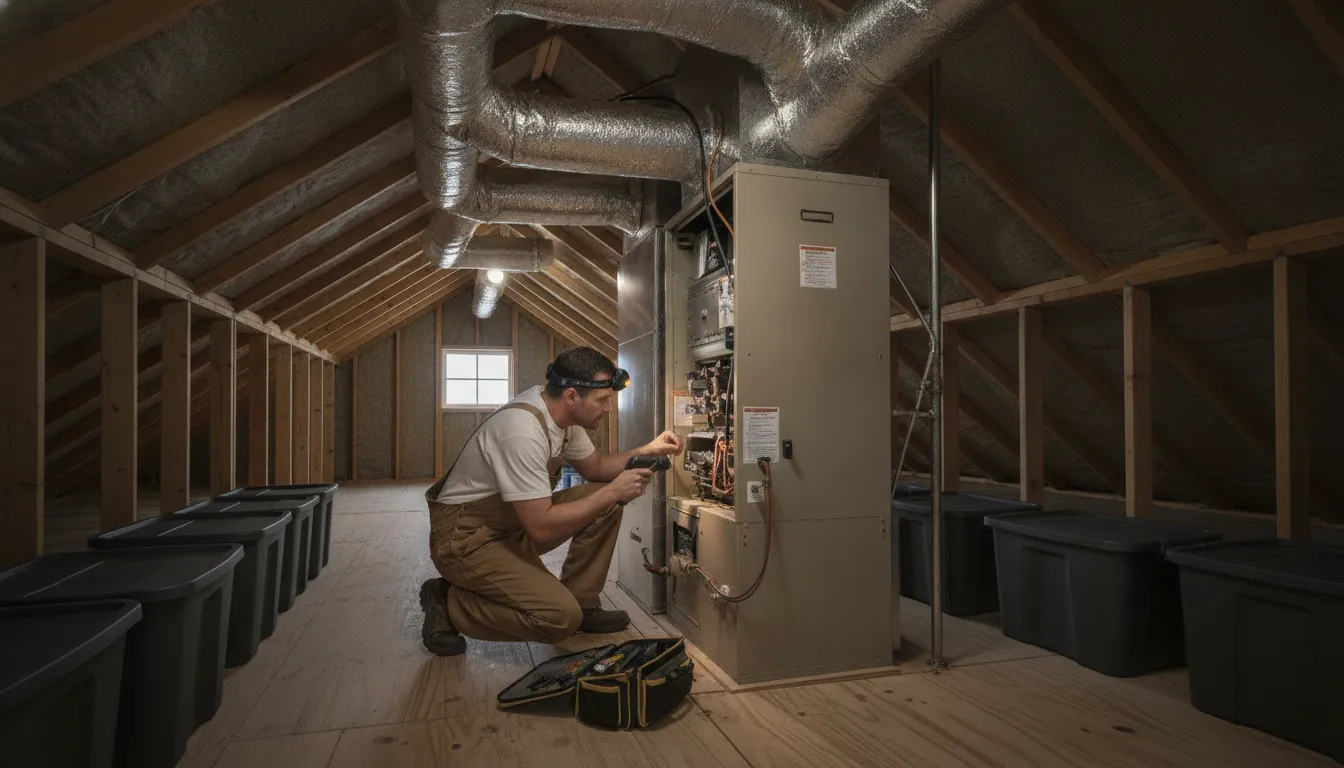
A gas furnace depends on ignition, burners, a heat exchanger, venting, controls, and a blower to deliver warm air safely. The repair decision therefore includes both performance and combustion-safety considerations. A furnace that short-cycles, fails to ignite, produces unusual odors. Or does not move enough air needs a careful inspection rather than a guess based on the symptom alone.
System age, repair history, the failed component, accessibility, and the timing of service can all shape the recommended next step. A furnace in a tight Dallas attic may take longer to access than equipment in a utility room. Ask the technician to explain the diagnosis, separate repair from replacement considerations, and provide a written scope of work. Garland Heating and Air Conditioning uses a quote-based process based on system requirements and site conditions, not a universal number for every home.
Repairing the immediate fault may be sensible when the system has a manageable issue and a solid service history. Repeated failures, declining performance, or an aging system can prompt a broader discussion about efficiency and reliability. If you are comparing future options, the heat pump versus furnace guide can help frame that conversation for North Texas conditions. The right decision depends on the equipment, home, symptoms, and maintenance record, not on the system label alone.
Yes. A seasonal check can identify restricted airflow, worn components, and safety concerns before a DFW cold snap puts extra demand on the system. Dallas-Fort Worth winters are usually mild, but below-freezing periods can arrive quickly and increase heating demand.
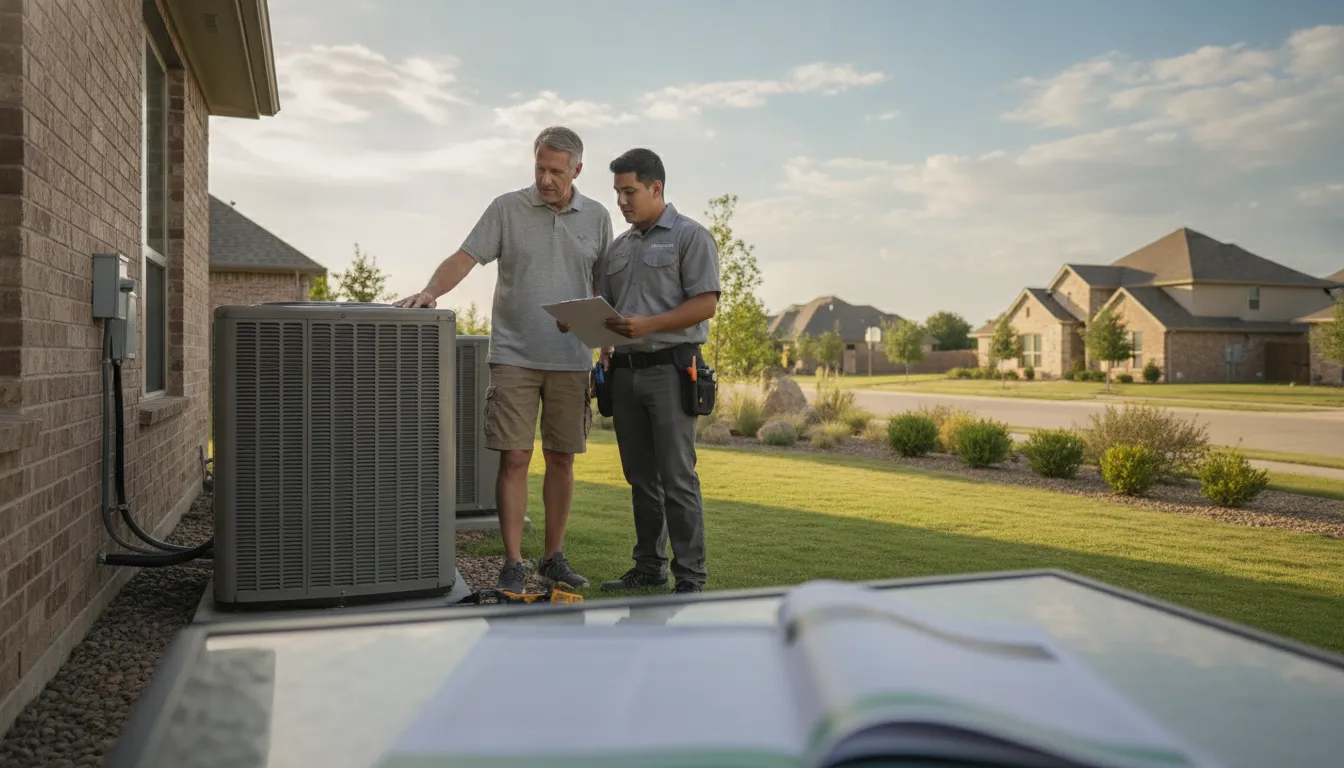
Maintenance cannot prevent every failure, but it can expose problems while scheduling is flexible and before a freeze makes the same issue urgent. A documented inspection also gives you useful information when comparing a repair with a longer-term system decision.
The right choice depends on more than the immediate symptom. A professional assessment should consider the system’s age, repair history, safety, efficiency, parts availability, and how the proposed repair compares with a replacement plan.
An older furnace or heat pump may still be a sensible repair candidate when the problem is isolated and the rest of the system has been dependable. Repair becomes less attractive when breakdowns keep returning, several major components are deteriorating, or the equipment no longer heats the home consistently. Bring a technician the system’s service records, if available, and describe when the problem began. That history helps distinguish a one-time failure from a pattern.
There is no universal age cutoff that makes replacement mandatory. System type, installation quality, maintenance, operating conditions, and the availability of suitable parts all matter. A repair that restores safe, reliable operation can be reasonable. If parts are difficult to source or the system has reached the end of practical support, replacement may offer a more dependable path.
Safety comes first. Gas-furnace concerns, damaged wiring, repeated breaker trips, unusual burning odors, or suspected combustion problems should not be treated as ordinary wear. Turn off equipment showing dangerous symptoms and seek qualified help. Do not attempt gas or high-voltage repairs yourself.
Efficiency is also part of the long-term comparison. A repair may restore an aging system, but it cannot change the limits of its design. Ask whether the equipment can deliver reliable heat through a DFW cold snap and whether continued repairs are likely to make sense. Garland Heating and Air Conditioning can evaluate furnaces and heat pumps, including the differences explained in this guide to heat pump versus furnace options.
Request a clear, written explanation of the diagnosis, recommended repair, parts, labor, expected outcome, and any repair-versus-replacement alternatives. Garland uses quote-based pricing because each recommendation depends on the equipment and site conditions. Qualified customers may have financing options for larger work, but current eligibility and terms should be confirmed directly.
Replacement is not limited to swapping the same equipment. Ask about capacity, efficiency, comfort goals, maintenance needs, and whether a heat pump or another system better fits the property. Review heating installation and replacement before deciding.
Garland Heating and Air Conditioning is family-owned, serving the DFW area since 1952 and supporting residential and commercial customers across more than 100 cities. Availability can vary by location and timing, including during a cold snap.
Schedule service with Garland Heating and Air Conditioning to discuss the diagnosis, repair path, or replacement options for your property.
A customized quote depends on the system type, failed component, diagnostic findings, parts, labor, access, timing, and whether repair or replacement is the better fit. A furnace in a tight attic, for example, may require more repair time than an easily accessible unit. Ask for a written estimate that separates parts, labor, and any after-hours charges.
Yes. A gas furnace involves combustion, ignition, heat exchange, and venting, while a heat pump transfers heat and uses different controls and components. The correct diagnosis depends on the equipment and symptoms. A qualified technician should identify the system type and failed part before recommending a repair.
Leave the area and seek immediate help if you suspect carbon monoxide exposure. Carbon monoxide is an odorless, colorless, toxic gas, and the EPA advises getting to fresh air immediately and seeking medical attention if poisoning is suspected: EPA carbon monoxide guidance. Do not attempt gas or electrical repairs yourself.
Ask what failed, how the diagnosis was confirmed, which parts and labor are included. Whether timing affects the quote, and how the repair fits the system’s age and service history. Also ask whether the technician recommends repair, further diagnosis, or replacement, and request the recommendation in writing.
Consider the system’s age, repair history, safety condition, efficiency, parts availability, and the expected value of the repair. When repair costs approach the value of a newer, more efficient system, comparing replacement options may make sense. A professional assessment can help you compare both paths without relying on a generic price rule.
A clear evaluation can help identify the heating issue and explain which repair options fit your system. Garland Heating and Air Conditioning provides customized, quote-based guidance for DFW homeowners and businesses. To schedule a heating repair evaluation or request a customized quote, schedule service through the contact page. You can also reach the team at (972) 278-3500.