Choosing an HVAC system for a Dallas-Fort Worth home is about more than the equipment’s efficiency label. The way a system changes capacity affects temperature consistency, indoor humidity, operating noise, and how comfortably it handles long Texas cooling seasons.
Schedule a consultation with Garland Heating and Air Conditioning to see which system matches your comfort goals and budget.
The two stage vs variable speed hvac system decision comes down to how precisely you want the system to match demand. A two-stage unit typically operates at a lower setting or full capacity, while a variable-speed system can adjust in smaller increments. Both can run longer and more steadily than a single-stage system, helping improve comfort and humidity removal when properly sized and installed.
Variable-speed equipment generally offers the finest control and strongest efficiency potential, but it also tends to carry a higher upfront cost. Two-stage equipment can provide a meaningful comfort upgrade without reaching the premium tier. Before comparing energy savings, start with the fundamentals and consider your home’s size, ductwork, insulation, and humidity conditions. Garland Heating and Air Conditioning can help you evaluate those factors alongside our HVAC installation guide.
The main difference is how much capacity the system can deliver at one time. A single-stage unit has one operating level, a two-stage system has two, and a variable-speed system can adjust in small increments as indoor conditions change. Those choices affect cycling, sound, temperature consistency, humidity control, and energy use.
In a Dallas-Fort Worth home, the ability to run at a lower output can matter during long cooling seasons and humid weather. Longer, gentler cycles may remove more moisture and avoid the chilly bursts that can follow a full-capacity cycle. However, a higher equipment tier is not automatically the best choice for every property. Variable-speed equipment depends on compatible controls, airflow, and ductwork, while any system can lose efficiency if it is oversized or installed incorrectly.
Proper sizing should be part of the decision, not an afterthought. A professional load calculation helps match capacity to the home’s layout, insulation, windows, and ductwork. Before comparing equipment options, review this guide to new HVAC installation in DFW so the system design and installation plan receive the same attention as the equipment’s capacity rating.
In Dallas-Fort Worth, an HVAC system has to manage more than the thermostat reading. Summer air can feel heavy even when the room reaches its temperature setting, especially in homes with limited airflow or frequent system cycling. That makes moisture control an important part of comparing equipment, not a minor comfort feature.
A single-stage system operates at full capacity or shuts off. When it cools a room quickly and cycles off, it may not run long enough to remove as much moisture from the air. A two-stage system can stay on its lower setting during moderate demand, while a variable-speed system can adjust output in smaller increments. Both approaches support longer, steadier cooling cycles.
Dehumidification happens while warm indoor air passes across the system’s cold evaporator coil. The longer the equipment runs, the more opportunity it has to collect moisture and send that condensate away. Research for this article identifies longer low-stage operation as a key reason two-stage systems generally provide better humidity control than single-stage equipment. Variable-speed systems can go further by adjusting capacity to the home’s changing load, which helps maintain more consistent temperature and humidity levels.
That difference is noticeable in DFW bedrooms, upstairs rooms, and spaces that feel muggy after the thermostat says the home is cool. A system that runs in shorter, harder bursts may satisfy the temperature setting while leaving the indoor air uncomfortable. A properly sized two-stage or variable-speed system can run more continuously and avoid that sharp cycle between too cold and too humid.
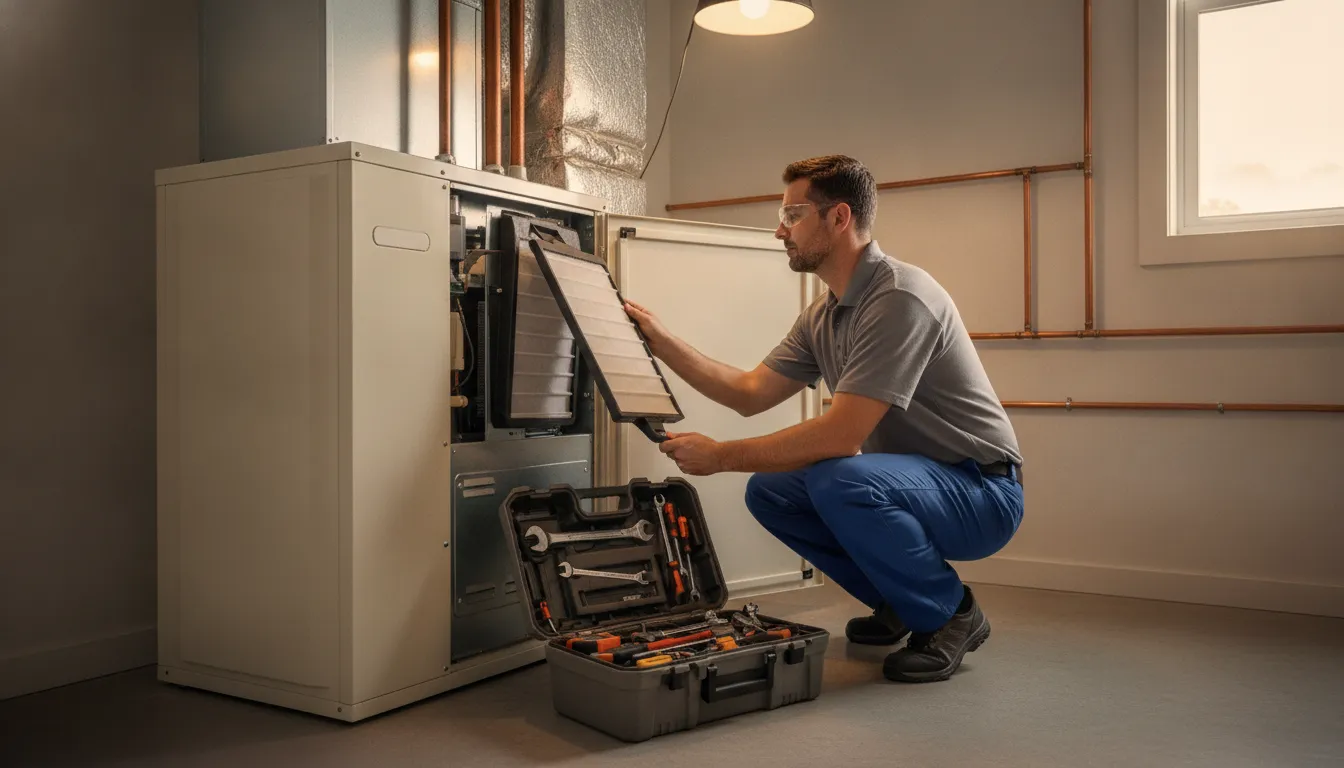
Humidity control does not depend on equipment alone. Sizing, ductwork, insulation, thermostat settings, and installation quality all affect how well a system removes moisture. A variable-speed unit cannot correct an oversized system or poorly designed airflow by itself. During a replacement, ask the contractor to evaluate the home’s load and ductwork rather than comparing equipment labels alone. Garland Heating and Air Conditioning can help homeowners connect this decision to a broader HVAC installation guide for DFW homes.
For many homeowners, two-stage equipment offers a meaningful step up in humidity control. Variable-speed equipment may be the better fit when consistent comfort across changing loads is the priority. The right choice is the one that matches the home, controls moisture effectively, and is installed correctly.
Usually, a variable-speed system offers the greatest energy-efficiency potential, but that does not automatically make it the best financial choice for every property. The answer depends on how often the system runs, the home’s cooling load, ductwork, humidity conditions, and the equipment’s actual SEER2 rating. A two-stage system can deliver a meaningful improvement over single-stage equipment without requiring the highest equipment tier.
| System type | Operation | Relative efficiency | Humidity control | Noise | Typical cost tier |
|---|---|---|---|---|---|
| Single-stage | Runs at full capacity or turns off | Baseline | Less consistent, especially during short cycles | More noticeable starts and stops | Entry |
| Two-stage | Uses a lower stage for moderate demand and full capacity when needed | Higher than single-stage | Improved through longer low-stage cycles | Quieter than single-stage for much of the run time | Mid-range |
| Variable-speed | Adjusts capacity in small increments, often from about 25% to 100% | Typically highest, depending on the matched system and SEER2 rating | Most consistent when properly sized and installed | Generally quiet at lower operating speeds | Premium |
Variable-capacity equipment can operate at lower, more efficient speeds for longer periods instead of repeatedly starting at full output. That operating pattern can reduce startup surges, support steadier indoor temperatures, and improve moisture removal. The U.S. Department of Energy’s research on variable-capacity heat pumps examines how right-sizing and variable operation affect seasonal performance.
In a humid Dallas-Fort Worth summer, longer cycles can be valuable because the system has more time to remove moisture from indoor air. Variable-speed operation may also help reduce hot and cold spots, particularly in larger or multi-story homes. However, these benefits depend on correct sizing, compatible ductwork, and professional commissioning. An advanced system cannot overcome restricted ducts or an oversized installation.
Two-stage equipment is often a strong middle-ground choice. It can run at a lower output during ordinary weather, improving comfort, humidity control, and efficiency compared with single-stage equipment. It may suit homeowners who want a substantial upgrade but do not need the maximum adjustment range of variable-speed equipment.
Compare the complete system rather than the motor label alone. Ask for the matched equipment’s SEER2 rating, a load calculation, and an assessment of the existing ductwork. Garland Heating and Air Conditioning can help connect those details to a broader HVAC installation guide for DFW properties. Payback depends on usage and climate, so a professional quote should evaluate expected savings rather than promise a fixed return.
The way an HVAC system operates affects more than the number on the thermostat. It also shapes how evenly your home feels from room to room and how well it manages moisture during a humid Dallas-Fort Worth summer.
A two-stage system can improve comfort by running at a lower capacity for moderate demand and switching to high stage when outdoor temperatures rise or the home needs a faster recovery. That lower-stage operation helps reduce the temperature overshoot and fluctuations often associated with single-stage equipment. Because the system can run longer and more steadily, it may also remove more moisture from the air than a system that frequently starts and stops.
Variable-speed equipment takes that adjustment further. Instead of choosing between only two operating levels, it changes capacity in smaller increments to better match the home’s needs. The result is typically longer, quieter cycles and more consistent temperature and humidity levels. For homeowners comparing options, understanding modern HVAC system technologies can make the comfort differences easier to evaluate.
Continuous, low-speed airflow is one of the most noticeable advantages of variable-speed operation. It keeps conditioned air moving through the home instead of allowing some areas to sit undisturbed between cycles. That can reduce hot and cold spots in rooms far from the air handler, upstairs spaces, and larger or multi-story homes where even distribution is more difficult.
Two-stage equipment can still deliver a meaningful comfort improvement, particularly when replacing an older single-stage system. It generally operates on low stage much of the time, which reduces abrupt temperature swings and operating noise. Variable-speed equipment is usually the stronger choice when the priority is the most even comfort possible, especially in a larger home or one with zoning.
Neither technology can overcome poor sizing or troubled ductwork. A professional assessment should account for the home’s layout, insulation, duct design, and humidity conditions before a system is selected. Correct installation is essential for two-stage and variable-speed equipment to deliver the comfort benefits they are designed to provide.
For many DFW homeowners replacing an older single-stage system, two-stage equipment offers a meaningful improvement without moving to the most advanced system tier. A single-stage unit generally operates at full capacity whenever it runs. A two-stage system can use a lower capacity during moderate conditions and switch to high capacity when Dallas Fort Worth heat demands it. Longer, lower-stage cycles can improve comfort, reduce cycling, and remove more moisture from indoor air.
That makes two-stage a sensible choice for homeowners who want better efficiency and steadier temperatures while keeping the project aligned with a defined budget. It can be especially practical when the existing ductwork is in workable condition and the home does not require highly individualized airflow control. Two-stage systems are often a cost-effective upgrade from single-stage equipment without the full equipment cost associated with variable-speed technology.
Variable-speed systems adjust capacity in smaller increments instead of relying on only low and high operation. That flexibility can help maintain more consistent temperatures and humidity levels, particularly during the long cooling season in North Texas. Variable-capacity equipment is also especially useful in larger or multi-story homes, where rooms far from the air handler may otherwise develop hot or cold spots.
Choose this tier when your priorities include top efficiency, tight temperature control, quieter operation, zoning, or stronger humidity management. The higher upfront investment may be worthwhile when the home has multiple levels, difficult comfort areas, or a household that values gradual, consistent operation. The right choice still depends on the home’s design and expected use, not simply on selecting the most advanced equipment.
Equipment performance depends on more than the model name. Ductwork must support the system’s airflow requirements, or a variable-speed unit may not deliver its rated performance. Leaks, restrictions, inadequate returns, or poorly balanced runs can limit the benefit of an upgrade. A professional load calculation is also essential because the system must be matched to the home’s actual heating and cooling needs across changing seasons.
Garland Heating and Air Conditioning provides system sizing and design as part of a properly planned replacement. Trained, background-checked technicians can evaluate the home, ductwork condition, comfort concerns, and long-term goals before recommending a tier. For a broader overview of planning a new HVAC installation in DFW, review the installation guide before requesting a quote. Pricing is quote-based, so the recommendation should follow the assessment rather than a generic package.
Schedule Service with Garland Heating and Air Conditioning to get a professional assessment of two-stage and variable-speed options for your DFW home. Our trained, background-checked technicians will evaluate your home, ductwork, and comfort goals before recommending the right tier.
Variable speed is usually the more advanced option for consistent temperatures, quieter operation, and humidity control. It adjusts capacity in smaller increments, while a two-stage system has a lower setting and a higher setting. The better choice depends on your budget, ductwork, home layout, and comfort priorities.
For many DFW homes, either can improve comfort over a single-stage furnace. A two-stage model may offer a practical balance of efficiency and upfront cost. Variable speed can be a stronger fit for larger or multi-story homes, zoned systems, or homeowners who want steadier airflow and temperature control.
It can be worth it when you want better comfort and humidity removal without choosing the highest equipment tier. The lower stage can run longer during moderate weather, which helps reduce frequent cycling and remove more moisture from indoor air. Proper sizing and installation still matter.
They may be, especially when long-term efficiency, quieter operation, and more even comfort are priorities. Variable-speed equipment generally costs more upfront, so the decision should compare the equipment quote, expected operating needs. Ductwork condition, and the home’s load calculation rather than relying on the equipment label alone.
Whether an efficient two-stage unit or a premium variable-speed system makes more sense for your home, the right answer starts with a professional assessment.
Schedule Service with Garland Heating and Air Conditioning for a properly sized installation backed by more than 70 years of serving Dallas-Fort Worth. Our certified, background-checked technicians will explain your options, walk through expected comfort and efficiency trade-offs, and give you a customized quote. Keep the phone number handy if you prefer to call directly: (972) 278-3500.