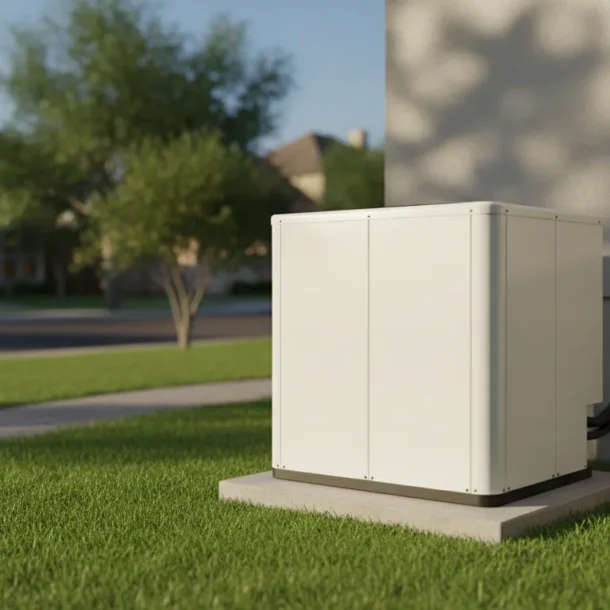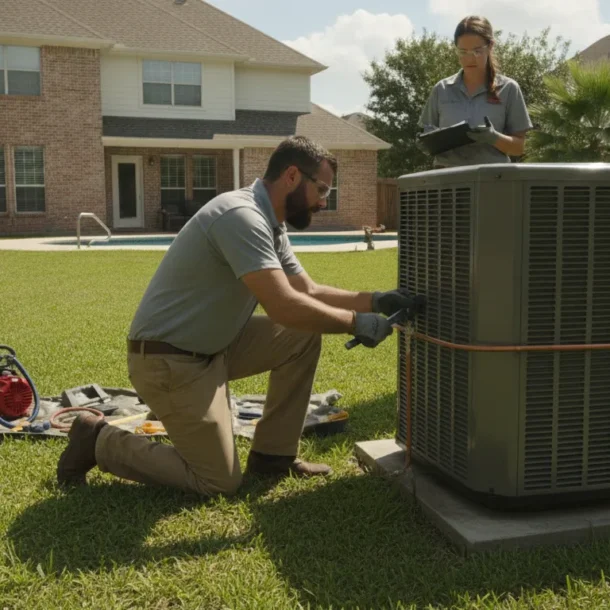

Triple-digit summer heat in North Texas pushes standard air conditioners past their breaking point. Fortunately, a dual-purpose system offers a highly efficient way to stay comfortable.
Contact Garland Heating and Air Conditioning, serving Dallas Fort Worth since 1952, at (972) 278-3500 for a customized quote. You can also check our complete guide to HVAC installation in Dallas Fort Worth.
A new heat pump installation dfw families choose replaces both the standard furnace and the air conditioner with a single efficient system. This setup works by moving heat instead of making it. This uses much less energy to keep your home comfortable through every North Texas heat wave. Under the Inflation Reduction Act, the government offers tax credits of up to $2,000 for qualifying systems, as shown by Energy Star. The entire process often takes about one day to complete, though a technician must first check your ducts and electrical panel to ensure a perfect fit. This clean upgrade cuts down your long-term energy use while providing steady comfort in every Texas season.
If you want to know what to expect during this upgrade, we are here to help. We will show you How Heat Pump Installation in DFW Differs from a Standard AC Replacement. The path begins with a clear look at how these systems compare.
Many homeowners in North Texas think that all heating and cooling systems are the same. But choosing a new system involves looking at different options. At Garland Heating and Air Conditioning, we help you find the best setup for your home. Two common choices are standard air conditioners and modern heat pumps. Knowing the differences between these systems helps you make the right choice.
A standard air conditioner only cools your home. It works with a separate furnace to give you heat when the weather gets cold. In contrast, a heat pump gives both heating and cooling in one single unit. This means you do not need to buy and run two separate systems. If you want to replace an old air conditioner, a heat pump can do the job of both units. For more details on these setups, see our complete guide to HVAC installation in Dallas Fort Worth.
Here are some key ways these systems differ:
| Feature | Standard AC + Furnace | Heat Pump |
|---|---|---|
| Heating source | Separate gas or electric furnace | Same unit, reversing valve |
| Cooling | Air conditioner | Heat pump |
| Winter efficiency | Burns fuel to make heat | Moves heat, uses less energy |
| Equipment to maintain | Two separate units | One combined system |
| Good fit for North Texas | Works, but two systems | Strong fit for mild winters |
How does a heat pump work? Standard air conditioners use refrigerant to absorb heat from inside your home and dump it outside. A heat pump does the exact same thing in the summer. But during the winter, the process reverses. The system takes heat from the outdoor air and moves it inside. Heat pumps move heat rather than generate it, which makes them highly efficient during mild winters. Because they do not create heat from fuel, they use much less energy than a furnace.
These systems are highly rated for saving power. Many models meet strict Energy Star guidelines for saving energy and lowering utility bills. This high rating means you can cut your monthly energy costs. It also helps the earth by using less power.
The weather in the Dallas-Fort Worth area is unique. We face blazing hot summers but our winters are often quite mild. This climate makes a heat pump a great fit for local homes. Since we do not have long periods of extreme freezing cold, a heat pump can handle our winter heating needs with ease. It operates at high efficiency for most of the year. Our team can help you look at your options and choose the right unit.
At Garland Heating and Air Conditioning, heat pump installation and maintenance are core offerings. We have served our neighbors across the metroplex for over seven decades. When you choose us, we do a full load calculation to ensure your new system is sized right. If you want a standard system instead, we also offer complete AC installation and replacement services. You can also read our heat pump vs furnace comparison to learn more about your choices. We give clear, quote-based pricing so you know exactly what to expect before we begin any work.
Replacing your heating and cooling setup is a big step for any homeowner. The team at Garland Heating and Air Conditioning makes sure your system fits your home well. Because each house is unique, our process is custom-built to match your space and local climate needs.
Before we place any new units, we must check the exact heating and cooling loads of your home. This step makes sure you get the right system size for the hot summers and mild winters in North Texas. Choosing the right size prevents short cycling and keeps your power bills low.
We also make sure your new setup meets all local rules. Under federal law, the Southern region has a new minimum standard of 14.3 SEER2. It is now illegal to install any system that does not meet this rating in the state of Texas.
You can learn more about these rules on the U.S. Department of Energy site. Our experts help you find a compliant unit that boosts your home efficiency. For a complete guide, read our post on understanding high-efficiency SEER2 ratings.
Our team handles residential replacements as a fast, one-day process. To see what a typical project looks like, check our HVAC installation in Dallas Fort Worth guide. The total time depends on your ductwork and wiring, but our crew works fast to limit downtime. Here are the main steps our team follows on the day of the job.
Each home has unique heating and cooling needs. Factors like your ductwork condition, home insulation, and electrical power all affect the total project cost. Because we do not use cookie-cutter pricing, our team provides quote-based estimates for all new installations.
This ensures you get a fair price for your exact needs. Talk to our staff to request a custom quote for your heat pump installation in the DFW area. For more details on budgeting, check out our budgeting for HVAC installation guide.
A heat pump runs on electricity to both heat and cool your home. Because of this, a new system needs a strong and steady flow of power to run well. When we plan for a heat pump installation, the unit must have its own dedicated circuit. This circuit is sized to match the power needs of your new unit so it does not overload your home.
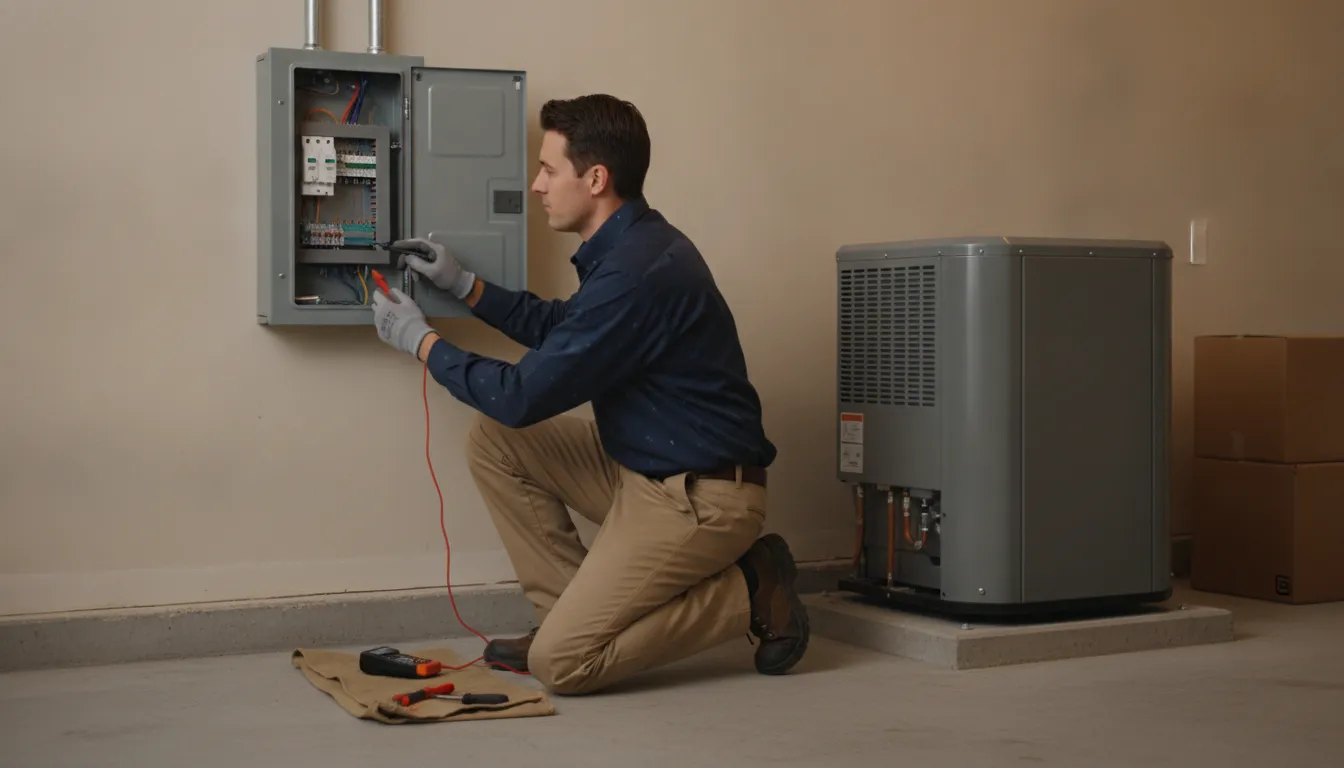
Many older homes in the Dallas-Fort Worth area were built for gas heat. These houses often have electric panels that only supply 100 amps of power. A modern heat pump may need more power than an old panel can give. If a panel is too small, the system cannot get the power it needs. This can cause the heat pump to work too hard or shut down. Our team checks your system load first so that your home stays warm in the winter and cool in the summer.
If you add a heat pump to a full panel, your breakers might trip when the system turns on. This is why we check your panel before we start any work.
During our initial site visit, a trained technician from Garland Heating and Air Conditioning will look at your electric panel. We do a full check of your home’s power load to see if your current setup can support the new unit. If your panel is already full, you might need a panel upgrade. But do not worry, because not every home needs a new panel. If you do need one, a licensed electrician can handle the work to make sure your home stays safe.
Here are a few common signs that your electric panel may need a check before your new heat pump is set up:
When you look at budgeting for HVAC installation, it helps to know what to expect. In the Dallas-Fort Worth area, the typical cost to install a new heat pump ranges from about $8,000 to $15,000. This range can change based on the size of the system, any ductwork repairs, and the cost of local permits. If you are ready for heat pump installation in DFW, the experts on our team can help you find the right system size.
If you need a panel upgrade, that will add to the final cost. Because every home is different, Garland Heating and Air Conditioning does not use fixed pricing. We give clear, quote-based prices after we check your home so you know the exact cost before we start.
A ducted heat pump moves warm or cool air through your home’s existing vents. This means your current ductwork plays a massive role in how well your new system works. When you schedule a HVAC installation in Dallas Fort Worth, the shape of your ducts can make or break how well your system performs. Poor ducts can cause the system to fail early and increase wear and tear on your parts.
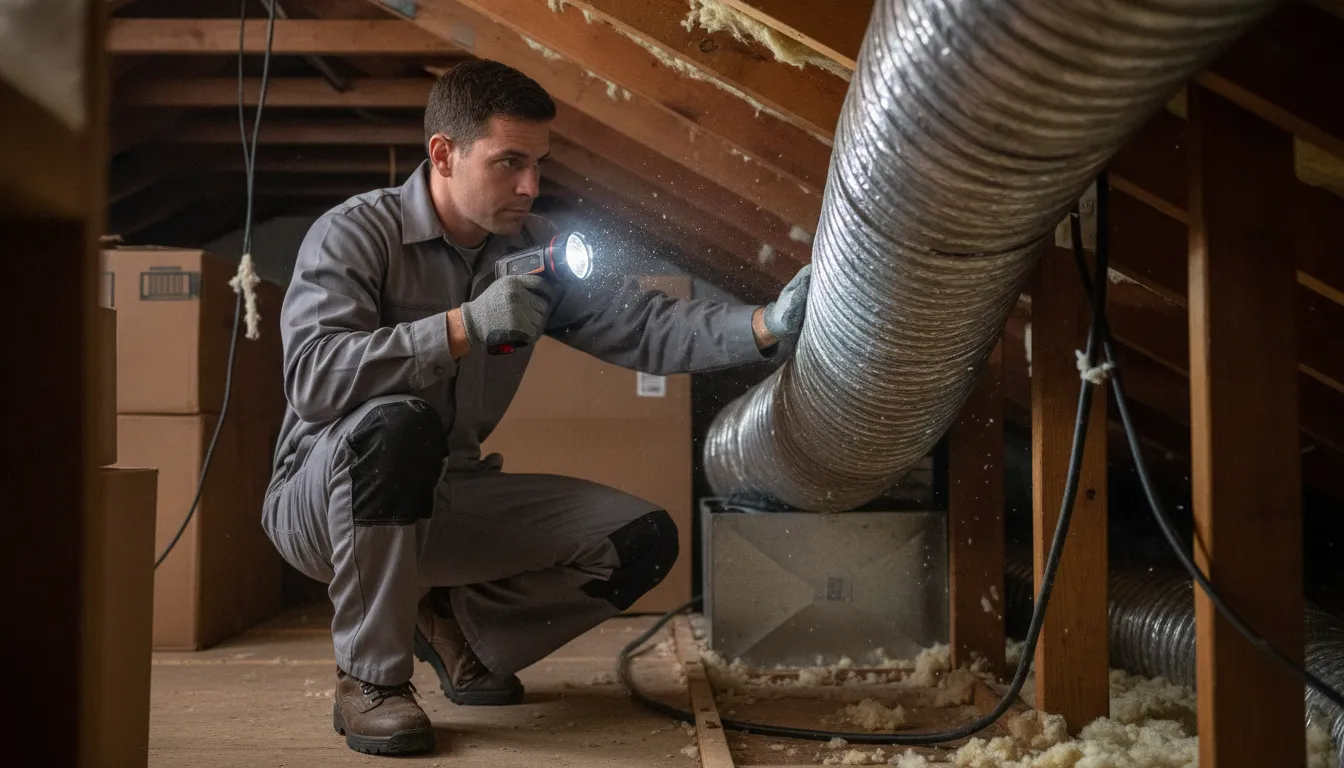
Duct condition affects performance, so existing ducts may need a check or repair before a new unit goes in. If the ducts are too small, they restrict airflow and choke the system. This leads to loud noise, hot spots, and cold spots in different areas of your home. A proper check ensures your duct system has the capacity to match your new equipment.
Older ducts are often too small for modern systems. They can also fall apart over time. A trained tech from Garland Heating and Air Conditioning will check your whole system during a first survey. They test the air flow and look for weak spots in your attic or crawl space. If they find thin or narrow runs, they can fix them to help you get the best performance from your system.
Small holes and loose joints let conditioned air escape. This forces your system to work much harder to keep your home comfortable. Heat pumps work well in DFW’s mild winters and extreme summers and can offset your cooling load, but leaking ducts will waste that energy. Sealing these leaks ensures that all the air you pay to cool or heat actually reaches your rooms.
Our team uses special tools to test duct pressure. If there are leaks, we seal them with strong mastic or foil tape. Garland Heating and Air Conditioning has served Dallas Fort Worth since 1952. We know how to prepare your home for a smooth heat pump installation dfw. Fixing these duct issues before your new system is put in ensures you get the full energy savings.
If your home does not have ducts, you still have great choices. You do not have to install a whole vent network to enjoy a modern heat pump. Many homeowners choose ductless mini-split heat pumps for areas without existing ductwork. These units mount on your wall or ceiling and connect to an outdoor pump with a small line.
Ductless systems are ideal for new home additions, converted garages, or older homes with no space for vents. They allow you to heat or cool single rooms on demand. This zoned control is a great heat pump vs furnace comparison point for Texas homes. Our team can help you look at your home layout and give you a quote for either ducted or ductless options.
When planning a new HVAC installation in Dallas Fort Worth, most homeowners want to know the timeline. A standard residential heat pump installation, DFW residents will find, takes just one day. Our crew at Garland Heating and Air Conditioning can usually finish the job in eight to ten hours.
During this visit, our technicians will remove your old equipment and set up the new indoor and outdoor parts. This includes securing the outdoor compressor. We also install the indoor air handler and test the system to make sure it runs at peak efficiency.
While most jobs take a single day, several factors can change your project timeline. The location of your old unit and how easy it is to reach can add or subtract hours from the job. Crawlspaces, tight closets, and steep roofs can slow down the work.
You may also need extra ductwork or electrical updates. If your existing ducts leak air, our team must seal them to protect your comfort and system efficiency. Upgrading your electrical panel might also be required. When planning these updates, budgeting for HVAC installation in advance helps you avoid surprises.
Local building permits can also add to the overall schedule. While the physical setup only takes a day, getting the right permits from your local city office might take a few days. We handle all the paperwork for you to keep the process moving as fast as possible.
When you decide to install a heat pump, scheduling lead times can vary. During mild spring or fall weather, we can often schedule your project within two days. But when the extreme Texas summer heat arrives, lead times for a new installation can stretch from two to ten days.
Scheduling your install early in the year helps you beat the summer rush. It gives you plenty of time to find high-efficiency systems. According to energy star guidelines, qualifying units can earn you federal tax credits. You can claim up to a $2,000 maximum per year.
At Garland Heating and Air Conditioning, we provide same-day response and 24/7 emergency service to keep your home safe. We offer quote-based pricing so you know exactly what to expect before we start. Contact our team today at (972) 278-3500 to schedule a customized quote for your home.
Homeowners who choose to upgrade their heating and cooling systems can reduce their costs through federal tax credits. The Energy Efficient Home Improvement Credit helps make these upgrades much more affordable. When planning an HVAC installation in Dallas Fort Worth, knowing about these savings can help you plan your budget. Garland Heating and Air Conditioning can help you choose eligible systems that qualify for these benefits.
The Inflation Reduction Act provides large benefits for families who buy energy-saving equipment. Under this law, federal tax credits for air source heat pumps can cover 30% of project costs up to a $2,000 cap each year. You can find detailed terms on the Energy Star website. This credit reduces what you owe on your federal taxes for the year you install the system.
Knowing how these limits work together helps you get the most from your tax savings. For example, pairing insulation work with a new heat pump in the same tax year allows you to use multiple credits. When budgeting for HVAC installation, these combined limits can guide your project planning and timing.
Timing is critical if you want to claim these federal tax credits. Under the current rules, tax credits for qualifying heat pump installations are available through December 31, 2025. Homeowners must have the system fully installed and running before this deadline. You can check the official rules on the IRS website to verify these dates.
Learning about different models and understanding high-efficiency SEER2 ratings will help you select a qualifying unit. Garland Heating and Air Conditioning can help you choose the right model for your home. Our team will install your system properly so that it meets all federal efficiency rules.
Every home has different heating and cooling needs, and tax laws can be complex. Because credit rules vary, we always direct our customers to confirm current credit amounts with a tax expert or their energy provider. We do not promise tax figures or personal eligibility because each person’s financial situation differs. A certified public accountant can review your taxes to ensure you get the maximum benefit.
Our team provides quote-based pricing for all of our services to make sure you get an accurate estimate for your home. While we can help you find systems that meet energy-saving standards, a tax expert is the best person to handle your filing. Contact us today to learn more about our options and request a custom quote.
Many local homeowners ask if a heat pump is a good idea in Texas, and the short answer is yes. The climate in the Dallas-Fort Worth area is a perfect match for these systems. With hot summers and mild winters, local homes get year-round comfort from a single unit. When you choose an expert HVAC installation in Dallas Fort Worth, your system can handle both heating and cooling with ease.
A heat pump is highly efficient because it moves heat rather than making it. During the winter, the system pulls warmth from the outdoor air and pumps it into your home. This process uses much less energy than standard electric furnaces that burn fuel or use coils to make heat. You can learn more about how air-source heat pumps work to save energy from ENERGY STAR.
In the extreme heat of a North Texas summer, your heat pump acts just like a standard air conditioner. It takes the warm air from inside your home and moves it outside. Today’s high-efficiency models use advanced blowers and compressors to keep your home cool while lowering your utility bills. This dual ability makes them helpful for our local climate.
To get the most out of your system, correct sizing is key. A unit that is too small will run non-stop during a hot July afternoon. A unit that is too large will turn on and off too fast, leaving your home humid and sticky. When planning a heat pump vs furnace comparison, you must also look at how well your home is sealed and insulated.
While our winters are mostly mild, North Texas still gets some freezing weather. Modern heat pumps are built to work even when the temperature drops below freezing. Many systems have backup heating coils that kick in during extreme cold spells to keep your home warm. Research from the Pacific Northwest National Laboratory shows that high-efficiency heat pumps can help reduce stress on the Texas power grid during winter storms.
Our team at Garland Heating and Air Conditioning has been serving Dallas Fort Worth since 1952. With over 70 years of local work, we know how to design and install systems that stand up to the tough Texas climate. We can help you find the right size and efficiency level for your household.
Standard costs for a new heat pump in the Dallas-Fort Worth area run from $8,000 to $15,000. Your final price comes down to unit size, duct conditions, and local permit needs. Because every home is unique, Garland Heating and Air Conditioning provides exact, quote-based pricing. For more help on planning your system costs, read our guide on budgeting for HVAC installation.
For most DFW homes, a standard heat pump replacement is a one-day process that takes about eight to ten hours. However, peak summer heat can extend lead times from two to ten days. Our trained team at Garland Heating and Air Conditioning handles the entire process from permit pull to final testing. To plan your project, view our HVAC installation in Dallas Fort Worth guide.
Yes, heat pumps are highly efficient for homes in Dallas-Fort Worth. They work by moving heat rather than creating it, which saves energy during our mild winters and helps offset cooling loads during hot summers. Garland Heating and Air Conditioning has served North Texas since 1952, helping local families find the right system. To compare options, read our heat pump vs furnace comparison.
Yes, approved high-efficiency heat pump systems can receive federal tax credits. According to Energy Star, homeowners can claim a tax credit of thirty percent of project costs up to a two thousand dollar yearly limit. Since credit rules and eligibility can change, you should check with a tax professional to confirm your exact savings. Garland Heating and Air Conditioning can help you choose matching units.
A new heat pump may need a circuit review to see if your current electrical panel can handle the load. A trained expert from Garland Heating and Air Conditioning will assess your system needs during your home visit. If an upgrade is needed, we will guide you through the process. To learn more about system setup, read our guide on HVAC installation in Dallas Fort Worth.
An outdated heating and cooling system can fail when you need it most. Delaying your upgrade risks high energy bills during extreme weather and leaves you waiting for help during peak-season busy times. By taking action today, you can avoid long lead times and ensure your home stays comfortable all year long. Garland Heating and Air Conditioning has served the Dallas-Fort Worth metroplex since 1952. Our local, family-owned company has the experience to help you choose the right high-efficiency setup for your budget. We will check your current ductwork and electrical panel to make sure your new heat pump runs at its best.
Ready to upgrade? You can call us at (972) 278-3500 or use our website to schedule a personalized heat pump installation quote today.