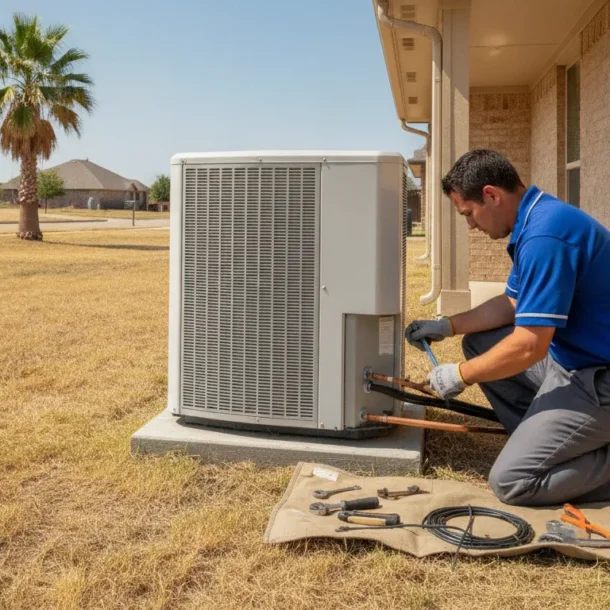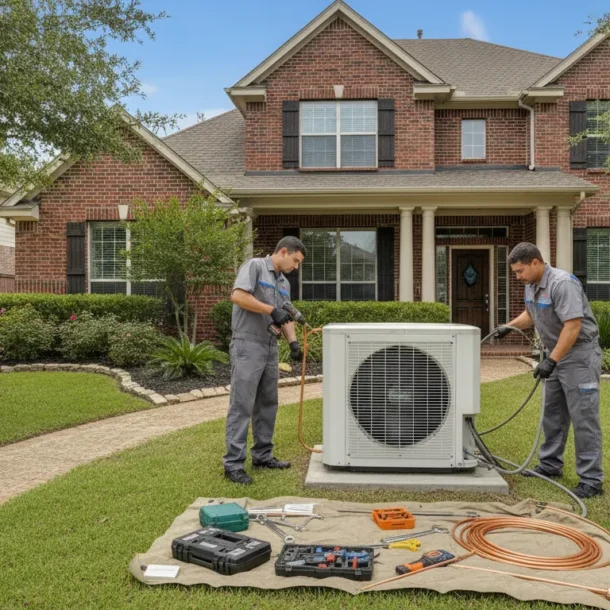

Deciding between a gas furnace and an electric heat pump is one of the biggest heating decisions a Dallas-Fort Worth homeowner will make. And the answer usually comes down to one question: the gas furnace vs electric heat pump cost comparison over the life of the system. The up-front installation price is only part of the story. Because the utility bill you pay every winter for the next 15 to 20 years can easily outweigh the equipment cost.
Request a customized quote from Garland Heating and Air Conditioning today and let a local team that has served DFW since 1952 help you weigh the real numbers for your home.
In short, gas furnaces are usually cheaper to install, while heat pumps can offer strong efficiency and year-round cooling. But which one saves you money depends on local gas and electricity rates, your home’s existing equipment, and how long you plan to stay. This guide breaks down installation costs, operating costs, AFUE and HSPF efficiency ratings. And 10-year maintenance expenses so you can make a confident decision for Garland, Plano, Richardson, or anywhere across the metroplex.
When homeowners ask for a straightforward cost comparison, installation is the number they usually expect first. According to the American Gas Association, new heat pumps typically cost between $2,500 and $10,000 to install depending on the home’s size. While natural gas furnaces typically run between $700 and $3,300. That wide range reflects equipment tier, brand, ductwork, and labor, all of which can shift a quote significantly in either direction.
An electric heat pump is a single unit that handles both heating and cooling, which means it frequently replaces a separate furnace and an air conditioner. Larger equipment, a matching indoor coil, and a possible heat-load calculation all add to the installed price. Homes that currently use natural gas may also need added electrical capacity. And rewiring for that can run roughly $2 to $4 per square foot according to the same industry data.
A natural gas furnace typically connects to ductwork you may already have and often requires less electrical work, which keeps the installed cost lower in many DFW homes. That said, a furnace handles only heating, so you still need a separate air conditioner for the brutal Texas summers. Every quote is custom here, so the true installed figure depends on your home’s layout and existing equipment.
Because there is no one-size-fits-all number for a house in Firewheel or Club Hill Estates, the smartest move is a professional load calculation. Read our complete guide to new HVAC installation in DFW to see exactly what the process involves before you compare quotes.
| Factor | Gas furnace | Electric heat pump |
|---|---|---|
| Typical installed cost | $700 to $3,300 | $2,500 to $10,000 |
| Handles cooling too | No, needs separate AC | Yes, heats and cools |
| Extra electrical work | Rarely needed | Often needed for capacity |
| Best for | Lower up-front budget | All-in-one efficiency |
Installation is a one-time cost, but operating cost is the number you pay for decades, which is why it deserves the most attention in any cost comparison. The dividing line in Texas is the price of natural gas compared to the price of electricity in your specific utility service area.
Nationally, natural gas is more affordable than electric heat pumps in 41 of 50 states when comparing ENERGY STAR gas furnaces to ENERGY STAR electric heat pumps. According to the American Gas Association. Even the least efficient natural gas furnace can heat a home more cheaply than the most efficient electric heat pump in 36 states. In a warm-climate state like Texas, where electricity demand spikes through the summer and gas rates historically trend lower. That balance often favors gas for pure heating fuel cost.
An energy-efficient product is only cost-effective when its lifetime energy savings exceed its higher up-front price, so a premium heat pump does not automatically pay for itself. Heat pumps also deliver cooling, which means you may not need a separate air conditioner, and that can change the total ownership picture. The DFW climate, with its extreme summer heat, loads both systems heavily, so efficiency really matters for your utility bill.
A simple way to think about it is in cost per unit of usable heat. A furnace’s AFUE rating tells you how much gas becomes heat, while a heat pump’s HSPF tells you how much heat you get from each kilowatt-hour of electricity. Plugging your own gas rate, electricity rate, and those ratings into a quick calculation shows which one wins for your particular utility plans and home size.
Your monthly real cost comes down to the rates on your actual plans. For a personalized look at the process, review our complete new HVAC installation guide which walks through sizing, budgeting, and what to expect when you upgrade your heating system.
To read a cost comparison correctly, you have to understand how efficiency is measured for each system. Furnaces use AFUE (Annual Fuel Utilization Efficiency), while heat pumps use a heating-season rating called HSPF, and the two ratings reflect very different forms of energy.
AFUE tells you how much of the gas you buy becomes usable heat. A 96% AFUE furnace converts 96 cents of every dollar of gas into heat for your home, with only a small percentage lost. The US Department of Energy’s ENERGY STAR threshold for the highest-efficiency gas furnaces is a 97% AFUE rating. So a standard high-efficiency model loses very little of the fuel you pay for.
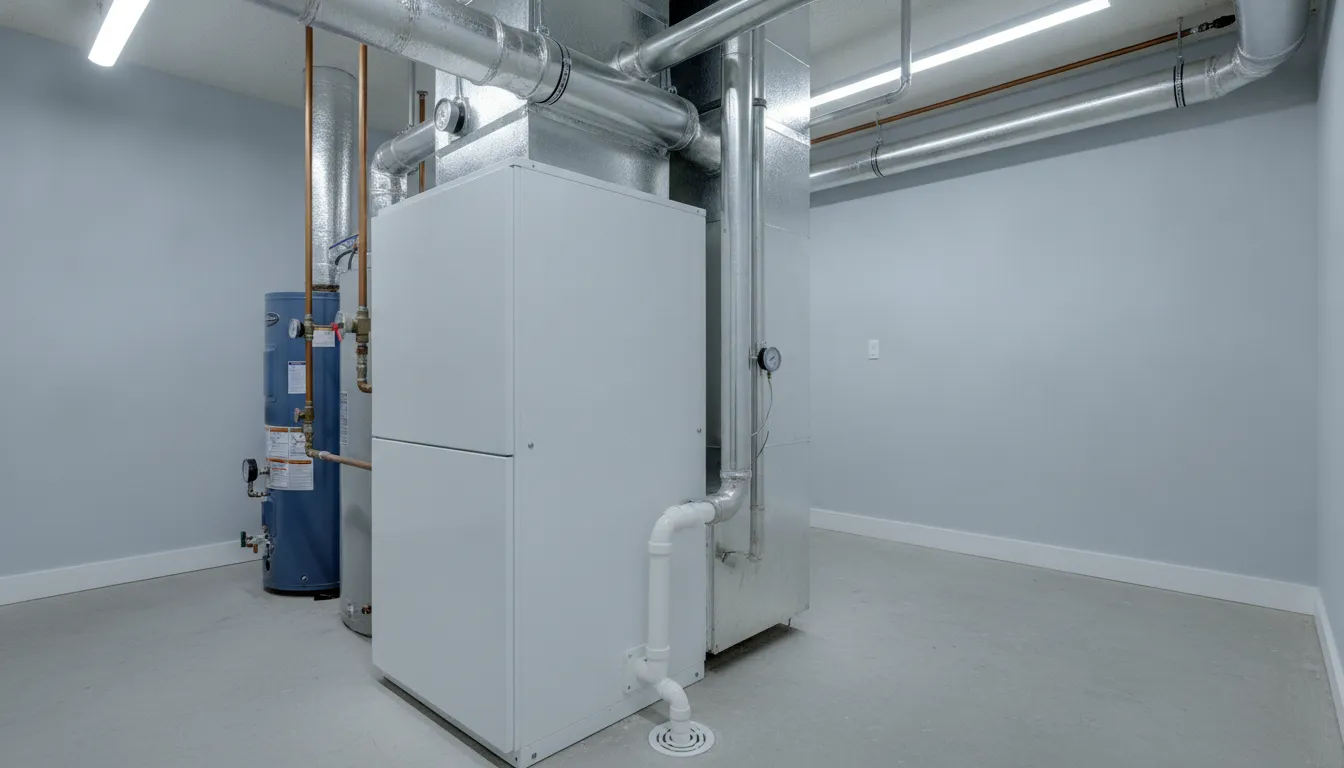
HSPF measures how efficiently a heat pump turns electricity into heat over a typical heating season. Heat pumps do not burn fuel; they move heat from the outside air into your home, and even the air on a cold morning contains thermal energy. Modern cold-climate heat pumps are engineered to keep delivering efficient heating even when outdoor temperatures drop as low as -22 degrees F. So cold weather alone is no longer a reason to rule them out.
Because a heat pump both heats and cools, learn what a heat pump is and how it works to see how the same unit can replace a separate furnace and air conditioner. For the full equipment picture, see our new HVAC installation guide which explains the installation process from start to finish.
Beyond the monthly energy bill, a realistic cost comparison has to account for maintenance, because both systems need attention to keep working efficiently. The good news is that many of the routine tasks are the same. And the ongoing care plays a big role in whether you get your money’s worth over a decade.
Air filters are a recurring cost for both a furnace and a heat pump. And in dusty DFW conditions they should be changed regularly to protect the equipment and keep airflow strong. A professional tune-up at least once a year is recommended for both systems so technicians can catch small problems before they turn into expensive repairs.

A gas furnace needs its burners and heat exchanger inspected and cleaned because combustion introduces byproducts that must be safely vented. A heat pump, by contrast, needs its outdoor coil kept free of debris, its refrigerant charge checked, and its defrost cycle verified during winter. Because the heat pump runs as both a heater and an air conditioner. It does double duty across all four seasons, which can mean more operating hours a year in a climate like ours.
Equipment that lasts 15 to 20 years is common for both when maintained well, so the 10-year window rarely forces a replacement, but repair costs can vary. A poorly maintained heat pump can lose efficiency fast, while a neglected furnace can develop heat-exchanger issues. Choosing the best heater for your home starts with understanding what each system will ask of you over the years.
The best way to control 10-year costs is a simple schedule: change filters on a regular cadence. And book a professional tune-up before the season when the system will work hardest. Combustion-based components on a furnace and refrigerant-based components on a heat pump both benefit from an expert eye before peak demand. And a small repair found early almost always costs less than the same issue caught mid-summer or mid-winter.
There is no single answer for every Dallas-Fort Worth household, but a clear framework turns this cost comparison into a decision. Weigh the four numbers side by side: the installed price, the expected yearly operating cost, the efficiency you actually capture, and the 10-year maintenance demands.
Choose a gas furnace when natural gas rates in your area are low, your ductwork is already in place, and the lower up-front installation cost fits your budget. Gas heating is historically very affordable to operate in most states, and the heat it produces is warm and comfortable even during a cold snap.
Choose a heat pump when you want one system that cools and heats, when you are retiring an aging air conditioner anyway. Or when you want top year-round efficiency and are willing to accept a higher installed price. A dual-fuel, or hybrid, setup pairs a heat pump with a gas furnace and automatically uses whichever source is cheaper at the current temperature and energy prices. Which can be the most cost-effective of all.
Your final decision should rest on your utility rates, home size, existing equipment, and how long you plan to stay. A professional evaluation from a company that has served DFW families since 1952 can run the numbers for your specific situation. Explore the full new HVAC installation process so you walk into the conversation knowing exactly what to expect.
As a useful starting point, homeowners who want the lowest entry cost and already have natural gas often lean toward a furnace. While those replacing an aging air conditioner and wanting one efficient year-round system often lean toward a heat pump. A dual-fuel system blends both benefits and is worth pricing out before you decide. Whatever you choose, the goal is the same: comfortable, efficient home heating that respects the budget you actually have.
Request a customized quote from Garland Heating and Air Conditioning today so we can run your exact gas furnace vs electric heat pump numbers and show you what each system will cost to install and operate in your DFW home.
It depends on the electricity and natural gas rates in your area. In about four out of five states, natural gas is more affordable to run than an electric heat pump when comparing ENERGY STAR equipment. In Texas, your specific utility rates decide the answer for your home.
New heat pumps typically cost between $2,500 and $10,000 to install, while natural gas furnaces typically cost between $700 and $3,300. The final figure depends on your home’s size, layout, equipment tier, and any required electrical work.
Heat pumps are efficient at moving heat and also cool your home, but gas heating is often cheaper to operate where natural gas rates are low. The yearly comparison is driven by the local prices you actually pay for gas and electricity.
A dual fuel system pairs a heat pump with a gas furnace and automatically uses whichever source is more cost-effective at the current temperature and energy prices. Installation costs vary by equipment and home, so a customized quote is the best way to plan a budget.
Yes. Modern cold-climate heat pumps are designed to provide efficient heating even when outdoor temperatures drop as low as -22 degrees F. So DFW winters are well within their comfort zone.
The gas furnace vs electric heat pump cost comparison is unique to your home, your utility rates, and your lifestyle. Our certified and background-checked technicians will size your system, walk you through AFUE and HSPF options, and give you a clear, quote-based recommendation you can trust. We offer financing options to help make the right upgrade fit your budget.
Request a customized quote from Garland Heating and Air Conditioning or call us at (972) 278-3500 to schedule service. As a family-owned DFW company since 1952, we are here 24/7 for emergency service, same-day appointments, and honest guidance on every heating and cooling choice you make.