
Dallas-Fort Worth winters are notoriously unpredictable, shifting from mild, sunny afternoons in the 60s to sudden, bone-chilling freezes in a matter of hours. For North Texas homeowners, choosing the right heating system is not just about keeping the indoor air comfortable during mild autumn days. It is about ensuring your home remains safe and warm when a severe winter storm strikes. If you are comparing a heat pump versus a gas furnace for your home in Dallas, Plano. Or Richardson, understanding how each system handles extreme North Texas cold is the first step toward making an informed investment. In this comprehensive guide, we compare the heating capabilities, energy efficiency. And overall reliability of heat pumps and gas furnaces to help you choose the best setup for your household. When planning your home comfort strategy, it is also essential to know your local resources for reliable AC Repair and Emergency HVAC Service in Dallas-Fort Worth so that you are never left without assistance during an extreme weather event.
Need immediate heating service or a professional consultation? Schedule your Garland Heating and Air Conditioning service online or call us directly to speak with a local expert.
Dallas-Fort Worth winters are characterized by mild average temperatures punctuated by sudden, severe cold snaps that can plunge temperatures well below freezing. The historic winter storm of February 2021 serves as a critical case study, demonstrating that North Texas heating systems must be prepared to handle extreme, sub-zero conditions.
While the average daily temperature in Texas during the winter is a moderate 65.3 degrees Fahrenheit according to historical climate data. The region is highly susceptible to Arctic blasts. These weather events occur when cold polar air sweeps southward across the Great Plains. Trapped between the Rocky Mountains and the Appalachian range, and collides with the warm, humid air of the Gulf of Mexico. This unique geographic corridor allows temperatures in the DFW metroplex to plummet by 30 to 40 degrees in a single afternoon. Turning a mild autumn day into a freezing winter emergency.
The severe winter weather event of February 14 through February 19, 2021, completely transformed how Texas homeowners evaluate their home heating needs. During this historic Arctic blast, the National Weather Service recorded a low temperature of -2 degrees Fahrenheit at the Dallas-Fort Worth International Airport on February 16, 2021. This was the coldest temperature recorded in the DFW metroplex since 1989 and represented several consecutive days where temperatures remained well below freezing. The prolonged, extreme cold placed an unprecedented load on the local electrical grid and exposed critical vulnerabilities in standard residential heating systems. Particularly all-electric heat pumps operating without a reliable backup heat source.
The February 2021 winter storm taught North Texas homeowners several hard truths about home heating:
Yes, modern heat pumps are highly effective at heating Dallas-Fort Worth homes during typical winter weather. But their efficiency and heating capacity decline significantly when outdoor temperatures fall below 35 degrees Fahrenheit. In extreme cold snaps, a standard heat pump must rely on auxiliary heat strips to maintain comfort, which can increase electrical consumption.
Unlike furnaces, which generate heat through combustion or electrical resistance, heat pumps do not create heat. Instead, they transfer existing heat from one location to another. Even when the outdoor air feels cold, it contains thermal energy. In heating mode, a heat pump uses an outdoor condenser coil to absorb this heat. Compresses the refrigerant to increase its temperature, and circulates it through an indoor evaporator coil to warm your home. Because they move heat rather than creating it, heat pumps are incredibly efficient, often achieving coefficient of performance ratings of 3.0 or higher during moderate winter days.
Standard heat pumps are optimized to operate at peak efficiency in moderate climates where temperatures remain above 35 degrees Fahrenheit. According to manufacturer specifications, standard heat pumps typically output supply air between 90 and 110 degrees Fahrenheit under normal operating conditions. However, as the outdoor temperature drops, the amount of available heat in the air decreases, and the system must work harder to extract it. Once the outdoor temperature dips below 30 to 35 degrees Fahrenheit, the heating capacity of the heat pump drops. And it can no longer offset the heat loss of a typical home. To compensate, the system automatically activates auxiliary heating, which consists of electric resistance coils (heat strips) located inside the indoor air handler.
While electric heat strips are highly reliable and provide instant warmth, they are also extremely expensive to operate. Electric resistance heating is essentially a giant hair dryer inside your ductwork. While a heat pump moving heat can operate at 300 percent efficiency. Electric resistance heating operates at 100 percent efficiency, requiring three times as much electricity to produce the same amount of heat. If your heat pump is forced to rely on auxiliary heat for extended periods during a North Texas freeze, your winter electric bills can surge dramatically. To prevent unnecessary wear on your equipment and ensure your system is operating at maximum efficiency, regular expert heat pump repair and maintenance is highly recommended.
Are you planning to upgrade or replace your home heating system before the next winter storm? Learn about our flexible financing options and schedule your customized estimate with Garland Heating and Air Conditioning today.
Gas furnaces provide unmatched heating power and reliability during extreme cold snaps because they generate heat through the combustion of natural gas. Which is completely independent of outdoor temperatures. This makes gas heating the gold standard for home comfort during severe North Texas freeze events.
A gas furnace operates by burning natural gas inside a combustion chamber, which heats a metal component called a heat exchanger. The indoor blower fan then pushes air across the hot exterior of the heat exchanger, warming the air before distributing it through your home’s ductwork. Because gas combustion produces highly concentrated thermal energy, gas furnaces typically output supply air at temperatures between 110 and 140 degrees Fahrenheit. This hot air warms a home much faster than the warm air of a heat pump. Providing a feeling of cozy comfort that many homeowners prefer during a cold winter night.
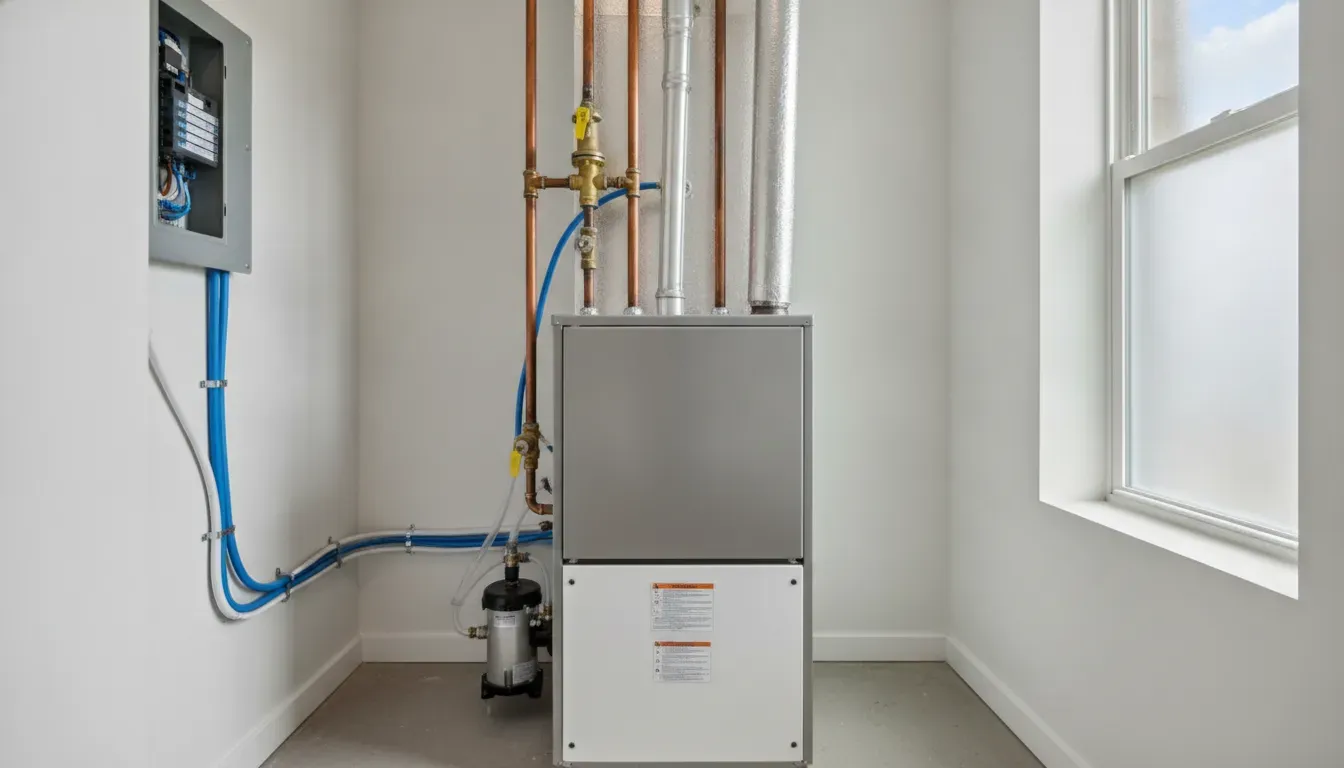
The primary advantage of a gas furnace during an Arctic blast is its consistent performance. Because the combustion process relies on a steady supply of natural gas, the heating capacity of a furnace does not decline when outdoor temperatures drop. Whether it is 45 degrees or -2 degrees outside, a gas furnace will deliver the exact same high-temperature heat to your home. This reliability is especially crucial in North Texas, where homes are typically built to vent heat quickly during hot summers. Making them vulnerable to rapid heat loss during a freeze. If you need a new system, contacting a professional for a heating installation and replacement consultation is the best way to ensure your home has the proper heating capacity.
With proper care and annual professional service, a high-quality gas furnace can easily provide reliable comfort for 15 to 20 years. However, because gas furnaces involve combustion, they require regular safety inspections to check for gas leaks, proper venting, and heat exchanger integrity. A cracked heat exchanger can allow carbon monoxide to enter your home’s indoor air, creating a serious safety hazard. Regular heating repairs and maintenance service is the best way to prevent dangerous failures and keep your furnace running safely all winter long.
A dual-fuel system, also known as a hybrid heating system. Combines an electric heat pump with a gas furnace to deliver the ultimate balance of energy efficiency and reliable freeze protection for Dallas-Fort Worth homes. This setup automatically selects the most efficient heating source based on the outdoor temperature.
A dual-fuel system pairs an electric outdoor heat pump with an indoor gas furnace. The system is controlled by an intelligent smart thermostat that monitors the outdoor temperature. During mild winter days, when temperatures are between 40 and 60 degrees Fahrenheit, the system runs the electric heat pump. Because heat pumps are incredibly efficient in this temperature range, you enjoy low operating costs and gentle, even warmth. When an Arctic cold front arrives and temperatures drop below 35 degrees, the thermostat automatically shuts off the heat pump and activates the gas furnace. This transitions your home to powerful, combustion-based heating when the heat pump would otherwise struggle and rely on expensive electric heat strips.

The DFW climate is perfectly suited for dual-fuel technology. Because North Texas winters consist primarily of mild days with occasional, severe freezes. A dual-fuel system allows you to capitalize on the high efficiency of a heat pump for roughly 80 to 90 percent of the heating season. For the remaining 10 to 20 percent of the season, when temperatures plummet, the gas furnace provides the reliable, high-temperature heat needed to protect your home. This prevents the high electrical bills associated with electric resistance backup heat and reduces wear on your heat pump compressor during extreme cold.
While the initial cost of installing a dual-fuel system can be higher than a standalone heat pump or furnace. The long-term utility savings and peace of mind make it a highly valuable investment. By optimizing fuel usage, a hybrid system helps protect you from fluctuating energy prices. Allowing you to use whichever utility (electricity or natural gas) is most cost-effective at any given time. Additionally, because the system always has a high-heat backup, you will never have to worry about your home becoming cold or uncomfortable during an unexpected North Texas freeze.
The best heating system for a Dallas-Fort Worth home depends on your home’s existing infrastructure, your budget, and your personal comfort preferences. While a dual-fuel system offers the most comprehensive solution, standalone gas furnaces and heat pumps both have clear advantages for specific situations.
| Feature | Heat Pump | Gas Furnace | Dual-Fuel System |
|---|---|---|---|
| Heating efficiency | 300% COP (above 35 degrees) | 80-98% AFUE | Best of both |
| Cold weather performance | Declines below 35 degrees, needs auxiliary heat | Consistent in any temperature | Heat pump above 35 degrees, gas furnace below |
| Supply air temperature | 90-110 degrees | 110-140 degrees | Varies by active source |
| Average lifespan | 10-15 years | 15-20 years | Component-dependent |
| Operating cost (mild winter) | Low | Moderate | Low |
| Operating cost (freeze event) | High (auxiliary electric heat strips) | Moderate | Moderate |
| Best for | Homes without gas access, mild climates | Homes with gas lines, freeze-prone areas | DFW homes wanting year-round optimization |
A standalone gas furnace is generally the best choice if your home already has an established natural gas connection and you prioritize reliable, high-temperature heating during winter storms. If you are replacing an older gas furnace, installing a new, high-efficiency gas model is a straightforward process that utilizes your existing gas lines and flue venting. This setup provides powerful heat and ensuring your home remains warm during the coldest nights. To ensure your system is safe and efficient, always rely on a professional for heating installation and replacement.
An electric heat pump is the ideal choice for homes that do not have access to natural gas or for homeowners who want to minimize their carbon footprint through home electrification. Modern, high-efficiency heat pumps are exceptionally good at cooling your home during brutal Texas summers and are highly cost-effective during typical, mild winters. If you choose an all-electric heat pump, ensure your system is properly sized and paired with an adequate electric auxiliary heating element to handle occasional cold snaps. Routine, professional AC repairs and maintenance service will help extend the lifespan of your heat pump and keep your system running smoothly year-round.
Regardless of which heating system you choose, its performance and efficiency will be severely compromised if your home’s ductwork is clogged with dust, debris, and allergens. Poor airflow forces your furnace or heat pump to work harder, increasing energy consumption and accelerating equipment wear. To maximize your heating efficiency and improve your home’s indoor air quality, consider scheduling professional duct cleaning. Garland Heating and Air Conditioning is currently promoting a $300 coupon on comprehensive duct cleaning services, helping you maintain a clean, efficient, and healthy home all year long. Be sure to check our website and take advantage of our current duct cleaning services and special promotions.
Don’t wait for a North Texas freeze to catch you off guard. Schedule your heating system maintenance tune-up today with the experienced team at Garland Heating and Air Conditioning.
Yes, a heat pump is an excellent option for the Texas climate because our winters are generally mild and our summers are extremely hot. A heat pump acts as a highly efficient air conditioner during the summer and provides energy-saving heat during the spring and autumn months. Making it a highly versatile and cost-effective home comfort solution.
The 20 degree rule refers to the temperature difference that a standard air source heat pump can efficiently manage. When outdoor temperatures drop below 30 to 40 degrees Fahrenheit, the system’s efficiency begins to decline. Once temperatures fall below freezing (32 degrees). The heat pump may struggle to extract enough heat from the outdoor air to keep the home comfortable without relying on auxiliary heating.
Yes, heat pumps are highly effective for the vast majority of the Texas winter season. However, because Texas can experience sudden polar vortex events and severe freezes, all-electric heat pumps require a secondary heating source. Such as electric resistance heat strips or a gas furnace backup, to remain effective when temperatures plummet into the teens or single digits.
A heat pump is more energy-efficient and cost-effective than a furnace during mild winter days (above 40 degrees). However, a gas furnace is much more reliable and provides warmer indoor comfort during extreme cold snaps. For DFW homes, a dual-fuel system that combines both technologies is often the absolute best option.
A modern heat pump can keep a house warm in freezing temperatures, but it must rely on its auxiliary electric heat strips to do so. Running auxiliary heat strips for extended periods consumes a significant amount of electricity, which will cause your winter utility bills to rise sharply during a North Texas freeze.
With regular professional maintenance, a gas furnace typically lasts between 15 and 20 years, while an electric heat pump has an average lifespan of 10 to 15 years. Regular filter changes and annual tune-ups from a licensed technician are the most effective ways to maximize your system’s lifespan and prevent emergency breakdowns.