A failed cooler can turn a normal shift into a costly scramble. Products may need to be moved, service may slow, and staff must make fast choices while serving customers. A clear commercial refrigeration maintenance DFW routine helps restaurants, retailers, and facility managers spot small changes before they become urgent problems.
Schedule commercial refrigeration maintenance service with Garland Heating and Air Conditioning before a small concern disrupts your DFW operation.
This commercial refrigeration maintenance DFW checklist separates the tasks your team can handle from the work that belongs to a trained professional. Use it to create consistent daily habits, keep useful records, and know when to schedule service. Garland Heating and Air Conditioning has served the Dallas Fort Worth area since 1952 and supports local businesses with commercial refrigeration services.
Good maintenance starts with a simple plan that people can follow during a busy day. Assign each task to a role, set a clear schedule, and keep the completed checklist near your temperature records. Your equipment manual and food-safety plan should always guide the exact process for each unit.
Each month, compare equipment performance with prior logs. Note units that run longer, create more frost, or need repeated staff attention. Schedule professional service based on manufacturer guidance, equipment use, site conditions, and prior findings. High-use kitchens and dusty locations may need closer attention than low-use spaces.
| Frequency | Team task | Escalate when |
|---|---|---|
| Daily | Log temperatures and inspect the area | A reading drifts or a visible issue appears |
| Weekly | Check seals, doors, logs, and safe surfaces | Damage or a repeat pattern is found |
| Monthly | Review trends and open issues | Performance has changed since the last review |
| Scheduled | Arrange trained professional maintenance | Technical testing, repair, or cleaning is needed |
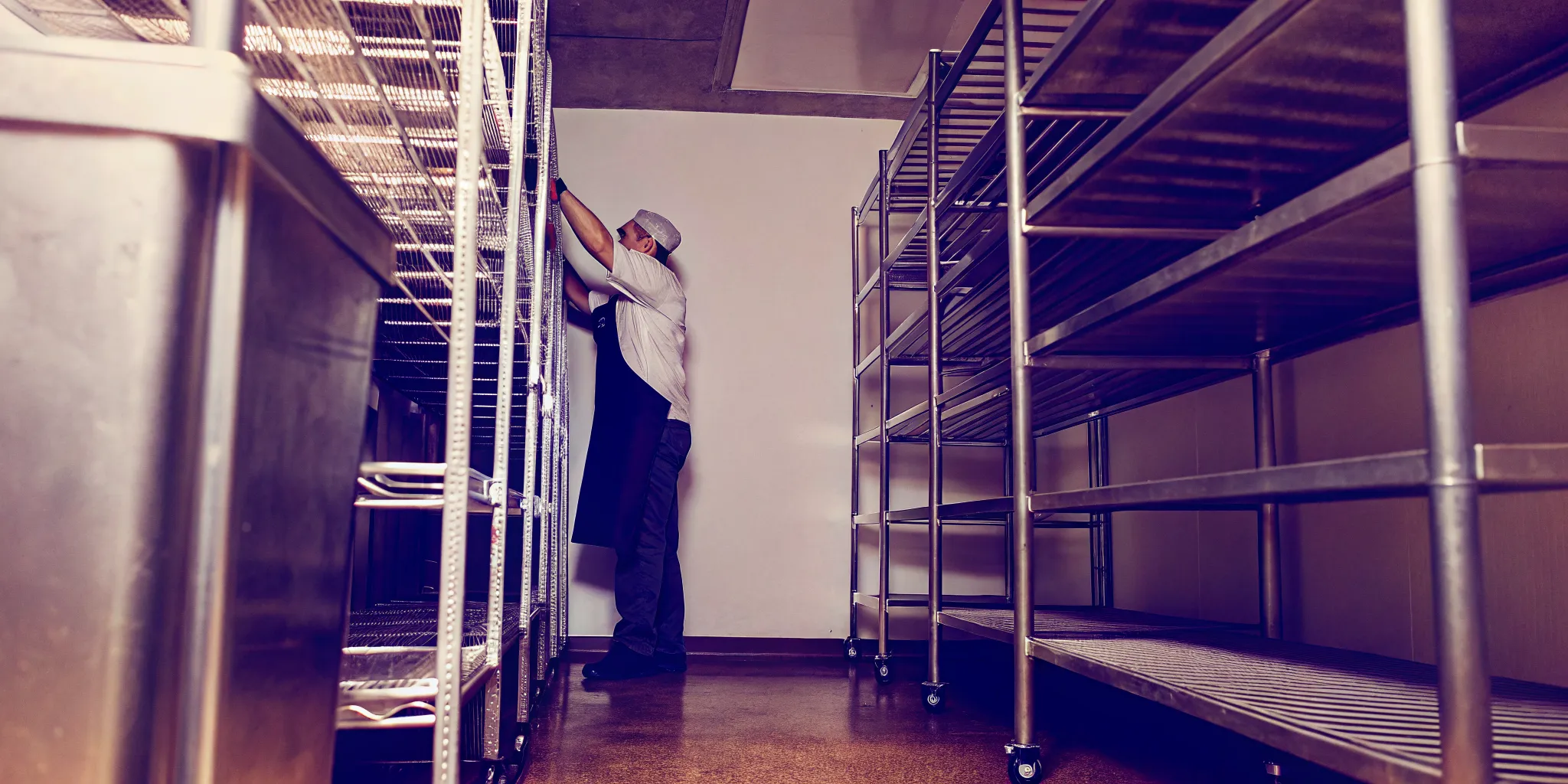
Record each unit’s displayed temperature at consistent times and compare it with the approved range in your food-safety plan. Document unusual conditions and the team’s response. This repeatable process reveals drift, gives technicians useful context, and helps managers follow the limits and response steps in equipment documentation and applicable rules.
Do not erase a strange reading after the unit returns to normal. Keep the entry and note what the team did. That record can help a technician understand whether the change is tied to door use, a heavy product load, a recurring fault, or another condition.
A reading taken after a delivery may differ from one taken during a quiet hour. Note recent door activity, loading, cleaning, or a power event. These details give context without encouraging staff to dismiss a problem. If a reading remains outside the approved range, follow your safety plan and call for help.
Cold air needs room to move. Avoid packing goods against vents or fans, and follow loading guidance for each case or cooler. Poor product placement can create uneven conditions and make the system work harder. Staff should also close doors promptly and confirm that nothing prevents a full seal.
Clean equipment is easier to inspect and less likely to hide an early warning sign. It also helps doors seal and air move as designed. Staff can handle routine housekeeping, but technical cleaning and any work behind guards or panels should be left to trained professionals.
Use products and methods approved for the equipment and your operation. Wipe spills quickly, clean reachable interior surfaces, and remove debris near the unit. Do not spray liquid into controls, fans, wiring, or other electrical areas. If you are unsure whether a part is safe to clean, stop and ask your service provider.
Door gaskets deserve regular attention because crumbs and residue can prevent a tight seal. Clean them gently, then inspect for splits, loose sections, or hardened material. A damaged gasket may let warm, humid DFW air enter the cabinet and can contribute to frost or longer run times.
Boxes, supplies, and waste should not crowd equipment or block needed airflow. Keep the surrounding area orderly, and follow the clearance requirements in the unit manual. Outdoor and back-of-house equipment may also face dust, grease, and summer heat, which makes routine inspection important.
Coils, electrical parts, refrigerant circuits, motors, and controls require the right tools and training. Staff should never remove safety covers or attempt a repair as part of routine cleaning. A professional can inspect and service those parts while checking the system for issues that are not visible during daily housekeeping.
Fast attention is needed when a unit shows repeat temperature drift, changing run patterns, new frost, excess moisture, unusual sounds, odors, or physical damage. Staff should protect products under the business’s safety plan, document the change, and report it quickly. Diagnosis and technical repairs belong to a trained professional.
A unit that no longer holds its normal conditions needs attention. The same is true when it seems to run constantly, cycles in an unfamiliar way, or struggles after routine use. Review the log, check that doors are closed and airflow is clear, then follow your escalation process if the concern remains.
New frost patterns, excess condensation, or water near a unit can point to several possible issues. Do not guess at the cause or simply wipe the area and move on. Mark any slip hazard, protect nearby goods, document what you see, and contact a professional when the issue is not part of normal operation.
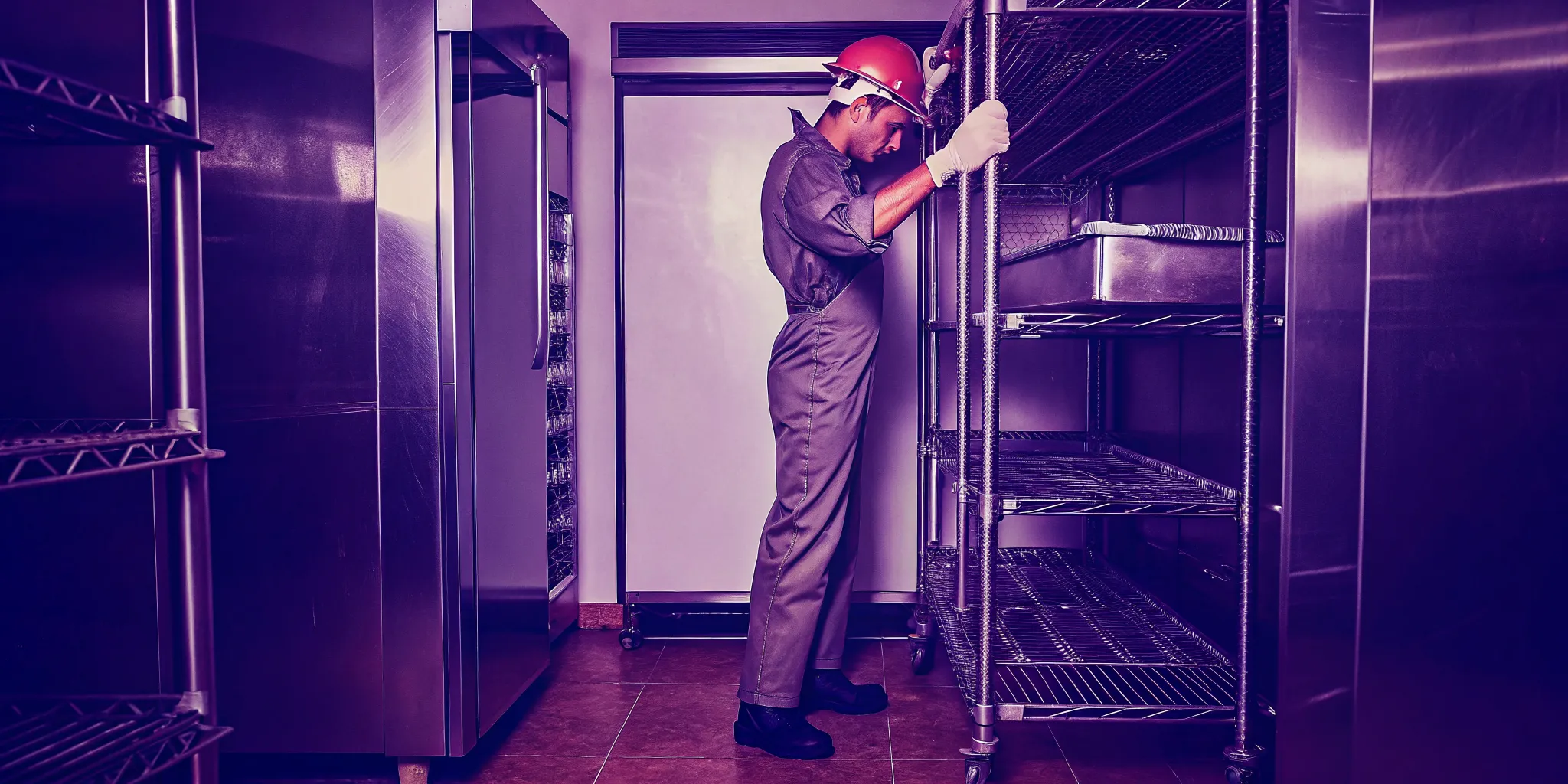
Grinding, rattling, buzzing, repeated clicking, or a new odor should be reported. Staff should also watch for torn seals, loose handles, doors that do not close, damaged wiring, or signs of impact. Shut down or isolate equipment only when your approved response plan calls for it.
When a problem could affect stored food or other temperature-sensitive goods, follow the applicable safety rules and your facility’s written plan. A service call addresses equipment, but product-safety decisions must follow the standards that govern your business.
Call a commercial refrigeration professional when a unit cannot maintain approved conditions, a warning sign returns, water or electrical concerns appear, or staff suspect a safety issue. Professional help also makes sense before peak seasons and after repeated minor problems. Prompt service can reduce operational disruption compared with waiting for a full failure.
A qualified technician can inspect system performance, controls, electrical parts, airflow, doors, drains, and other components as appropriate for the equipment. The exact work depends on the unit, its condition, and the service agreement. Share recent logs and observed changes so the technician has a clear starting point.
Garland Heating and Air Conditioning provides commercial refrigeration service for DFW businesses. The team also supports a broad range of heating and cooling needs, backed by more than 70 years of local experience.
Planned service gives managers a chance to review recurring concerns and prepare for upcoming business demands. It also creates a written history that can guide repair and replacement choices. For urgent problems, ask about available emergency response. For planned work, schedule a time that limits disruption.
Schedule Service for your commercial refrigeration equipment and get a maintenance plan shaped around your facility and operating needs.
Facilities that need coordinated comfort-system support can also explore Garland Heating and Air Conditioning’s light and heavy commercial AC services. For a customized quote or help planning service, use the contact page.
A checklist only helps when people use it. Turn the document into a routine with assigned owners, short training, and a simple review process. The goal is not to make every employee a technician. The goal is to help them notice, record, and report changes consistently.
Name the role responsible for each daily and weekly task. At a restaurant, that may be an opening manager and closing manager. At a retail or multi-building site, it may be a facility lead. Assign a backup so checks do not stop when the main owner is away.
Maintain a file for each unit with its identity, normal operating notes, temperature logs, service dates, and open concerns. Keep invoices and technician recommendations in the same record. A complete history helps managers see which problems are isolated and which keep returning.
Set a brief monthly review. Look for missing checks, repeat temperature drift, damaged seals, ongoing frost, and units that receive frequent attention. Close resolved items and assign next steps for anything still open. Businesses with several locations can use the same checklist while adapting each site’s response contacts.
Use the review to plan ahead for busy periods, large deliveries, menu changes, store resets, and seasonal demand. Confirm that every shift knows who to contact and where records are kept. A short review now can save valuable time when a unit begins to act differently.
Garland Heating and Air Conditioning is a family-owned local provider serving the Dallas Fort Worth metroplex. Visit the Garland Heating and Air Conditioning website to learn more about the company and its commercial capabilities.
Daily and weekly checks should be part of normal operations, while professional maintenance should follow the equipment maker’s guidance, site conditions, usage, and technician recommendations. High-use or demanding environments may need more frequent attention. Build a schedule around each unit rather than using one rule for all equipment.
Employees can usually log temperatures, inspect doors and seals, keep safe areas clean, maintain airflow, and report warning signs. They should follow the equipment manual and workplace procedures. Repairs, technical cleaning, electrical work, refrigerant work, and tasks behind panels belong to trained professionals.
Keep temperature logs, staff observations, service dates, repair records, technician recommendations, and equipment identity details. Note unusual events such as power interruptions or heavy loading. Clear records help teams respond faster and give service technicians useful context.
Treat a problem as urgent when equipment cannot maintain approved conditions, safety may be at risk, water or electrical concerns appear, or a major failure disrupts operations. Follow your product-safety and workplace response plans, then contact a commercial refrigeration professional.
A consistent checklist helps your staff find changes early, but trained service keeps technical work in the right hands. Garland Heating and Air Conditioning brings more than 70 years of local experience to DFW businesses that depend on reliable refrigeration.
Schedule Service for your commercial refrigeration equipment and get a plan based on your facility, units, and operating needs.