We often only think about calling an AC repair technician when something is already broken. But what if their most valuable work happens before you ever have an emergency? A technician’s role is not just about responding to crises; it’s also about preventing them. Through routine maintenance, they can identify and address small issues before they become major, expensive breakdowns. This proactive approach is the key to extending the life of your system, keeping your energy bills low, and ensuring your home stays cool all summer long. This article explores the full range of a technician’s responsibilities, from emergency repairs to preventative care, showing you how a partnership with the right professional can save you money and stress.
When your air conditioner gives out during a Texas heatwave, the person you call for help feels like a first responder. But what does an AC repair technician’s job involve beyond showing up to save the day? Their role is a blend of detective work, technical skill, and preventative strategy. These are trained professionals who do more than just fix what’s broken; they ensure your system runs safely and efficiently for the long haul.
A technician’s day can involve anything from diagnosing a mysterious rattling sound to performing a detailed tune-up that keeps your energy bills in check. They work with complex machinery, high-voltage electricity, and chemical refrigerants, which is why their expertise is so critical. Understanding the scope of their work helps clarify why professional service is an investment in your home’s comfort and your system’s longevity. They aren’t just providing a quick fix, they’re delivering a reliable solution to keep you cool.
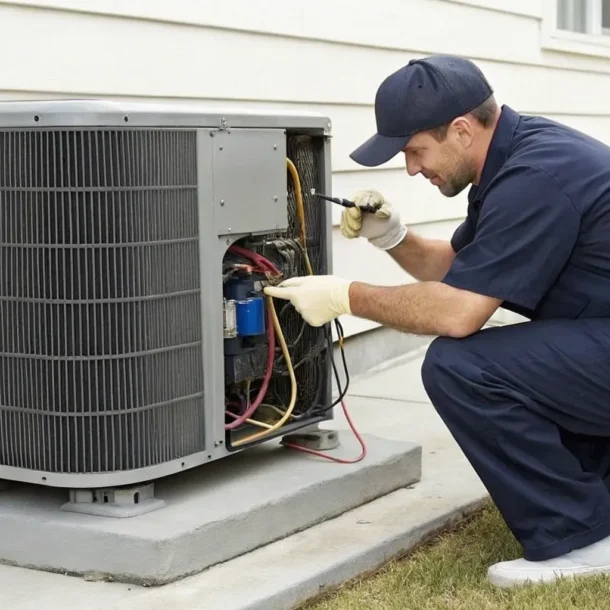
The first and most critical step in any AC service call is figuring out exactly what’s wrong. This is where a technician’s diagnostic skills come into play. It’s not a matter of guesswork; they use specialized tools and a deep understanding of HVAC systems to trace the problem to its source. They’ll check refrigerant pressures, test electrical components, inspect airflow, and look for signs of wear or damage. A great technician is determined to find the root cause, whether it’s a failing capacitor or a hidden leak. This careful, hands-on approach ensures the right repair is made the first time, preventing future headaches and unnecessary costs.
Think of routine maintenance as a wellness check for your air conditioner. An ounce of prevention is truly worth a pound of cure, especially when it comes to your HVAC system. During a maintenance visit, a technician performs a comprehensive inspection, cleaning coils, tightening electrical connections, checking refrigerant levels, and lubricating moving parts. This proactive service is essential for keeping your unit running at peak efficiency. Scheduling regular AC repairs and maintenance service can extend the life of your system by years, improve your indoor air quality, and even lower your monthly energy bills. It’s the easiest way to avoid a sudden breakdown when you need your AC the most.
When a part fails, a technician is equipped to handle the replacement safely and correctly. From swapping out a faulty fan motor to installing a new thermostat, they have the training to work with the intricate electrical and mechanical components of your unit. Attempting these repairs without the right knowledge can be dangerous and may cause more damage. If your system is older or facing constant issues, a technician can also provide expert advice on whether it’s time for an upgrade. They can walk you through the process of a new AC installation and replacement, helping you select an energy-efficient model that fits your home’s needs and your budget.
Your AC is your best friend during a Texas summer, but even the most reliable systems can run into trouble. Sometimes, the signs are obvious, like a complete breakdown. Other times, they’re more subtle. Ignoring these clues can lead to bigger, more expensive problems down the road. Here are five clear signs that it’s time to call in a professional.
When it’s scorching outside, the last thing you want is lukewarm air coming from your vents. If your AC is running but not cooling, do a quick check of your thermostat to make sure it’s set to “cool” and at your desired temperature. A dirty air filter can also restrict airflow, so it’s worth checking that too. If those simple steps don’t solve the problem, you could be dealing with low refrigerant or a failing compressor. These are issues that require an expert, so it’s best to schedule an AC repair service call to get things cool again.
Your air conditioner should operate with a gentle hum, not a soundtrack of clanking, grinding, or squealing. These unusual noises often point to mechanical problems, like a loose part or a failing motor. Similarly, you should pay attention to any strange smells. A musty odor could mean mold in your ductwork, while a burning smell can indicate a serious electrical issue. Don’t just get used to the noise or the smell; these are your system’s ways of telling you it needs immediate attention from a qualified technician.
Have your electricity bills shot up without any obvious reason? Your air conditioner might be the culprit. When an AC system isn’t running efficiently, it has to work much harder to cool your home, which uses a lot more energy. This inefficiency can be caused by anything from aging components to a slow refrigerant leak. Scheduling regular AC repairs and maintenance service can catch these issues early, restoring your system’s performance and helping to keep your energy costs in check.
If your AC runs for just a few minutes, shuts off, and then quickly turns back on again, it’s a process known as “short cycling.” This is not only ineffective at cooling your home, but it also puts major stress on the compressor, one of the most expensive parts of your unit. Short cycling can be caused by several issues, including an oversized system, a clogged air filter, or a faulty thermostat. A professional can diagnose the exact cause and perform the right repair to stop the cycle and prevent premature system failure.
Ice on your air conditioner is a definite red flag, even on the hottest days. It typically signals a problem with airflow, like a dirty filter, or a low level of refrigerant. You might also notice water pooling around your indoor or outdoor unit, which can be caused by a clogged condensate drain line. While it might be tempting to just let the ice melt, this won’t fix the underlying issue. A technician can find the source of the problem and ensure your system is running safely and effectively.
When your AC gives out on a sweltering Texas day, you need help, and you need it fast. But how can you be sure the person you call is truly qualified to fix the problem? Not all technicians have the same level of skill or professionalism. Knowing what separates a good technician from a great one can save you from future breakdowns, unnecessary costs, and a lot of stress. A great technician doesn’t just have the right tools; they have the right training, experience, and communication skills to get the job done correctly and give you peace of mind.
First things first, a qualified technician must be properly certified and licensed. This isn’t just a nice-to-have; it’s a legal and safety requirement. In Texas, any technician who handles refrigerants (the chemical that cools the air in your AC) must have an EPA Section 608 certification. This ensures they know how to handle these substances safely without harming the environment or your system. Beyond that, look for technicians who work for a licensed and insured company. This protects you and shows the company is serious about following state regulations and maintaining professional standards.
While state licensing is the minimum, the best technicians often have additional credentials. The most respected in the HVAC industry is the North American Technician Excellence (NATE) certification. Think of it as an honors-level achievement. NATE certification is voluntary and requires passing rigorous exams, proving a technician’s real-world knowledge of HVAC systems. Because the technology in air conditioners and heat pumps is always advancing, a commitment to ongoing training is crucial. A NATE-certified technician is dedicated to staying current, which means they are better equipped to service even the newest, most efficient systems.
Certifications tell you a technician has the knowledge, but experience shows they know how to apply it. An experienced technician has likely seen an issue like yours before and can diagnose problems more quickly and accurately. This is especially true for complex AC repairs and maintenance. Just as important is clear communication. A great technician will walk you through the problem, explain your options in plain English, and provide a clear, upfront estimate. You should feel informed and confident, not confused or pressured. They should be happy to answer your questions and ensure you understand the work being done to your home.
Finding the right person to fix your AC can feel overwhelming, especially when you’re already dealing with the Texas heat. You need someone reliable, honest, and skilled. The good news is that a few simple steps can help you confidently choose a great technician who will get your system running smoothly again. Taking the time to do a little homework will ensure you get quality service and peace of mind.
Start by asking people you trust. Friends, family, or neighbors in the Dallas Fort Worth area are great sources for referrals, as they can give you an honest account of their experience. After you have a few names, check out recent online reviews. Look for patterns in the feedback. Are customers consistently happy with the communication, timeliness, and quality of the work? A company with a long history of positive feedback is usually a safe bet. This initial research helps you build a shortlist of trustworthy professionals.
Once you have a few potential companies, it’s time to confirm they are legitimate. In Texas, HVAC contractors must be licensed, so don’t be shy about asking for their license number. You should also verify that they have proper insurance, including liability and worker’s compensation. This is incredibly important because it protects you from any liability if an accident happens on your property. A professional company will have no problem providing this information, ensuring you’re protected throughout the AC repairs and maintenance service.
Never agree to work without a clear, written estimate. A reputable technician will inspect your system and provide a detailed quote that breaks down the costs for parts and labor. Avoid anyone who gives you a vague price over the phone. It’s also smart to ask about the warranty. What kind of guarantee do they offer on their repair work and the parts they use? Understanding the warranty gives you peace of mind that the company stands behind its service, especially for bigger jobs like a new AC installation and replacement.
Trust your gut; if something feels off, it probably is. Be cautious of technicians who use high-pressure tactics to get you to make a decision on the spot. A professional will give you time to review the estimate and ask questions. Other red flags include vague answers, an unwillingness to provide a written quote, or a request for a large cash payment upfront. A trustworthy company will be transparent about pricing and the work required. Remember, a quality repair is an investment in your home’s comfort, not a source of stress.
Knowing what happens during a service call can make the process feel a lot less stressful. When a professional technician arrives, they should follow a clear, systematic process to get your home comfortable again. You should feel informed and in control from the moment they arrive until the job is done. It’s not just about fixing the problem; it’s about providing peace of mind. A great technician will walk you through their findings, explain your options without pressure, and give you tips to keep your system running smoothly in the future.
First things first, your technician will play detective to figure out exactly what’s going on with your AC. This initial diagnosis is a crucial step. They’ll likely start with the simple things, like checking your thermostat settings, before moving on to a more detailed inspection of the entire system. This includes examining critical components like the compressor, fan, and coils to identify the root cause of the issue. A thorough inspection ensures they aren’t just treating a symptom but are finding the actual problem, which is the foundation of an effective and lasting AC repair.
Once the technician has identified the problem, they should explain their findings to you in plain English. You should receive clear options and upfront costs before any work begins. If a simple repair will solve the issue, they’ll outline what needs to be done. However, if your unit is older, requires frequent fixes, or needs a particularly expensive repair, they might suggest that a new AC installation is a more cost-effective solution in the long run. A trustworthy professional will give you all the information you need to make the best decision for your home and budget, without any high-pressure sales tactics.
A great service call doesn’t just end with the repair. Your technician should also offer some practical advice to help you prevent future breakdowns. Simple habits can make a huge difference in your system’s health and longevity. This includes changing your air filters regularly and keeping your outdoor unit clear of leaves, dirt, and other debris that can obstruct airflow. They will also likely recommend scheduling routine AC maintenance to catch small issues before they become big, expensive problems. Think of it as a small investment that protects your much larger one.
Let’s talk about one of the biggest questions on every homeowner’s mind when the AC goes out: “How much is this going to cost me?” The answer isn’t always straightforward, but understanding the variables can help you feel more prepared. The final price tag depends on whether you need a quick fix or a more involved repair, along with a few other key factors that determine the scope of the work. Knowing what to expect can take some of the stress out of the situation.
On average, you can expect an AC repair to cost between $150 and $500. For smaller issues, like replacing a faulty capacitor or fixing a thermostat, you might be on the lower end of that range, typically around $150 to $300. These are often quick jobs that get your system back up and running without too much fuss. However, for more significant problems, such as repairing a refrigerant leak or replacing a motor, the cost can climb. These major overhauls can range from a few hundred dollars to over $1,500, depending on the part and the labor involved. A professional technician can diagnose the issue and give you a clear estimate for any needed AC repairs and maintenance service.
Several things can affect your final repair bill. The age of your AC unit is a big one; parts for older systems can be harder to find and more expensive. Whether your unit is still under warranty can also make a huge difference, as it might cover the cost of parts or even labor. Of course, the specific problem is the main driver of the price. A simple rule of thumb you can use is the “5,000 rule.” Just multiply your unit’s age by the estimated repair cost. If the total is more than $5,000, it might be more financially sensible to consider a new AC installation instead of sinking more money into an aging system.
An ounce of prevention is truly worth a pound of cure, especially with HVAC systems. Investing in regular maintenance is one of the smartest ways to avoid surprise repair bills. Technicians can spot and fix small problems during a tune-up before they turn into major, costly breakdowns. Consistent upkeep not only helps you sidestep expensive repairs but also keeps your unit running efficiently, which can save you up to 15% on your annual energy bills. Plus, a well-maintained AC unit can last 5 to 10 years longer than one that’s neglected. Scheduling routine expert heat pump repair and maintenance or AC service is a small investment that pays off big time.
It’s the question every homeowner with a struggling AC unit faces: do you pay for another repair, or is it time to invest in a new system? This can be a tough call, especially when you’re dealing with the Texas heat. There isn’t a single right answer for everyone, but a few key factors can help you make a confident and cost-effective decision for your home. An honest technician will walk you through your options, but understanding these points yourself will empower you to choose what’s best for your budget and comfort.
One of the first things to look at is your AC’s age. Most air conditioners have a lifespan of about 10 to 15 years. If your unit is over a decade old, it’s likely much less efficient than modern models and is probably out of warranty. Here’s a simple guideline some people use, called the “5,000 rule”: multiply your unit’s age by the quoted repair cost. If that number is more than $5,000, it’s often more economical in the long run to put that money toward a new, energy-efficient model. A new system can significantly lower your monthly energy bills and provide more reliable cooling.
Are you on a first-name basis with your repair technician? While we love seeing our customers, needing frequent service calls is a major red flag. If your AC needs a fix every season, or even multiple times in one summer, those costs add up quickly. Think of it this way: each repair is like a patch on a tire that’s wearing thin. Eventually, you need a new tire. Constant breakdowns suggest your system’s core components are failing. Instead of continuing to spend money on temporary fixes, it might be time to consider an upgrade. Investing in a new unit can save you from the stress and expense of unexpected AC repairs and keep your home consistently cool.
How often should I have my AC serviced if it seems to be working fine? Even if your air conditioner appears to be running without any issues, scheduling a professional maintenance check once a year is a smart move. Think of it as a wellness visit for your system. A technician can clean essential parts, tighten connections, and spot small problems before they turn into major breakdowns during a Texas heatwave. This proactive step helps your unit run more efficiently, potentially lowering your energy bills and extending its overall lifespan.
Is it better to repair my old AC or just get a new one? This is a big decision that often comes down to simple math. A good guideline is the “5,000 rule”: multiply your AC unit’s age by the estimated repair cost. If the result is over $5,000, replacement is often the more sensible long-term investment. If your system is over 10 years old and needs frequent, costly repairs, putting that money toward a new, energy-efficient model will likely save you more on future repair bills and monthly energy costs.
What are some simple things I can check before calling a technician? Before you pick up the phone, there are two quick things you can check yourself. First, look at your thermostat to confirm it’s set to “cool” and the temperature is lower than the current room temperature. Second, check your air filter. A dirty, clogged filter can severely restrict airflow and is a very common reason for poor cooling. If you’ve checked both of these and your system still isn’t working correctly, it’s time to call a professional.
Why can’t I just ignore a strange noise if my AC is still cooling? Unusual sounds like grinding, squealing, or clanking are your air conditioner’s way of telling you something is wrong internally. While the system might still be producing cool air, these noises often point to a mechanical problem, such as a loose part or a failing motor. Ignoring the sound allows the problem to get worse, which can lead to a more complex and expensive repair, or even a complete system failure, down the line.
What makes NATE certification so important for a technician? While Texas requires technicians to be licensed, NATE (North American Technician Excellence) certification is a voluntary, higher standard of achievement. It means a technician has passed rigorous, real-world exams that prove their deep knowledge of HVAC systems. Choosing a NATE-certified technician ensures you are getting someone who is dedicated to their craft and stays current with the latest technology, giving you confidence that the job will be done right.