A failed air conditioner compressor does not automatically mean you need a whole new system, but it does call for a careful diagnosis.
Schedule an evaluation with Garland Heating and Air Conditioning so a qualified technician can assess the equipment and explain your options.
AC compressor replacement may be appropriate when the compressor has failed and the remaining system is compatible and serviceable. Repairing a related component may be enough when the compressor itself is operating properly. Full-system replacement may make more sense when the equipment has broader condition or compatibility concerns. The right choice depends on the diagnosis, system details, and site conditions, not a standard price or one-size-fits-all rule.
That distinction matters for both DFW homeowners and commercial operators, where equipment condition, comfort needs, and operational continuity can shape the decision. Understanding the compressor’s role is the first step toward comparing repair, component work, and replacement with better information.
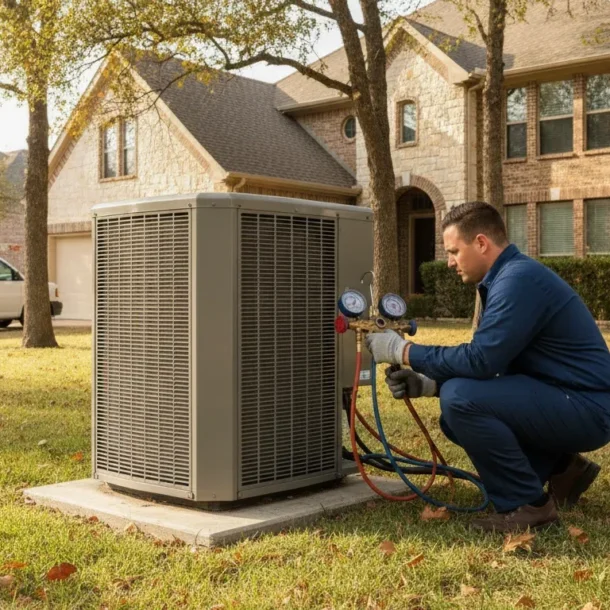
The compressor is one of the central working components in an air conditioning system. It helps move refrigerant through the equipment so the system can transfer heat and deliver cooler air indoors. When the compressor is not operating correctly, the problem can affect the system’s ability to cool. But a cooling complaint does not automatically prove that the compressor itself has failed.
During a cooling cycle, the compressor works with other components to circulate refrigerant between the indoor and outdoor portions of the system. That process supports the heat-transfer work required for air conditioning. Because the compressor is connected to the broader system, a technician must consider the surrounding equipment rather than evaluate the part in isolation.
For a homeowner in Garland, Richardson, Plano, or another DFW community, this distinction matters. An air conditioner that runs without cooling, struggles to maintain the thermostat setting, or repeatedly stops may have a compressor-related issue. But similar symptoms can also involve electrical components, controls, airflow, refrigerant conditions, or another system fault. A qualified assessment is needed to separate those possibilities.
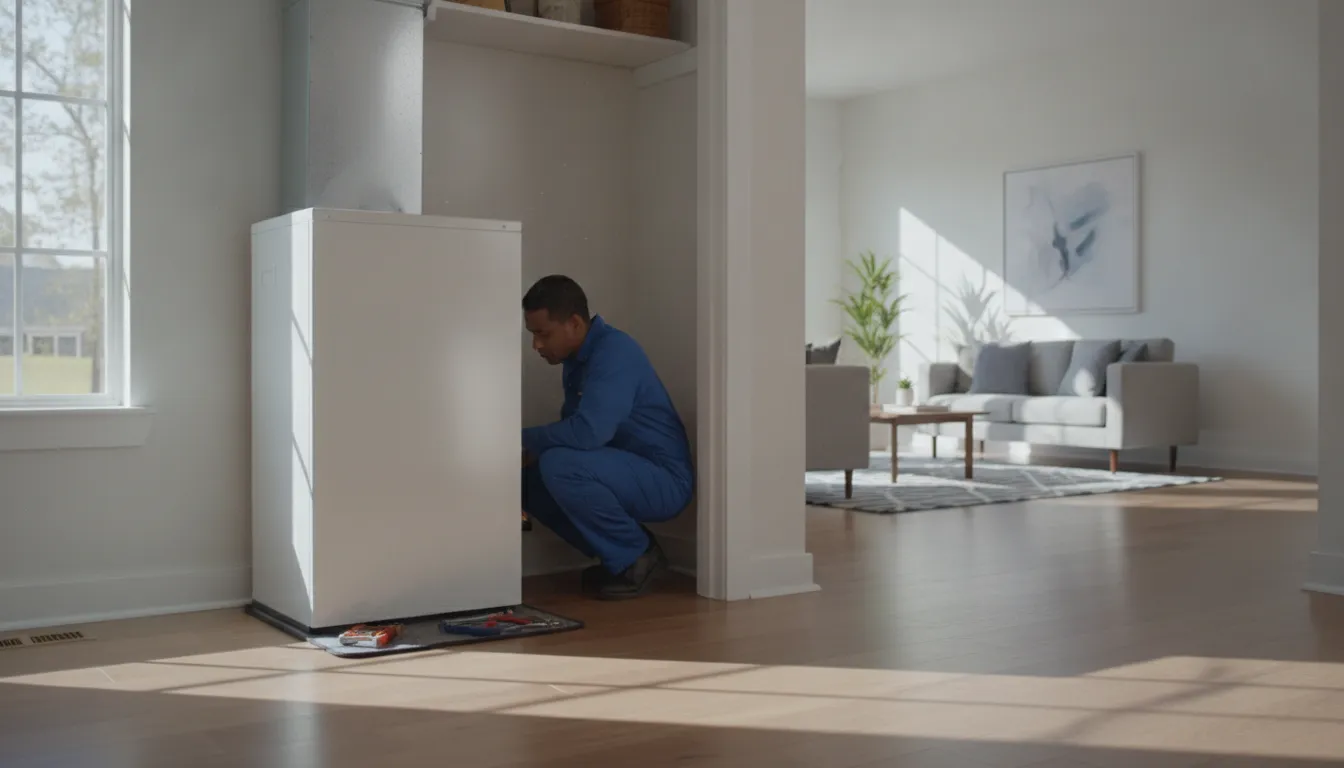
AC compressor replacement is a focused repair decision, not the same as replacing the entire air conditioning system. The work centers on the compressor while the rest of the equipment remains in service, provided the system is otherwise suitable for continued operation. That makes the condition of the remaining components, system compatibility, access for labor, and the equipment’s overall condition important parts of the conversation.
A compressor replacement assessment should also confirm that the compressor is the actual source of the failure. Replacing a major component without identifying the underlying problem can leave the customer with the same cooling issue or expose another weakness later. The right recommendation depends on the diagnosis and the particular system, not on a one-size-fits-all rule.
Garland Heating and Air Conditioning serves residential and commercial customers throughout the Dallas Fort Worth area and has provided HVAC service since 1952. Its approach is to explain the available options and provide a quote based on the system requirements and site conditions. Customers can use the company’s AC repair and maintenance service route when they need a system evaluation, repair, or maintenance discussion.
A struggling air conditioner can show several warning signs, but a symptom alone does not prove that the compressor has failed. Weak cooling, unusual sounds, repeated breaker trips, or a system that will not start can also result from an electrical problem. Restricted airflow, a refrigerant concern, or another component fault may create similar symptoms. The right decision begins with separating what the system is doing from why it is doing it.
A compressor may deserve attention when the outdoor unit hums without starting, makes unusual mechanical noises, or runs while the system produces little or no cooling. A breaker that trips when the equipment attempts to start can also indicate an electrical or compressor-related issue. However, these signs overlap with other failures. A failed capacitor, damaged wiring, a control problem, or an issue with the outdoor fan can create a similar experience for the person inside the home or building.
That is why replacing a compressor based only on noise or poor cooling can lead to the wrong repair. The technician needs to consider the equipment’s overall condition, how consistently the symptom occurs, and whether the rest of the system remains serviceable.
For a homeowner in Garland, Richardson, Plano, or another DFW community, ask what test results show that the compressor is the source of the failure. A noise or cooling complaint alone is not enough.
A proper evaluation should examine the electrical components, controls, wiring, refrigerant conditions, airflow, and compressor operation as part of the same diagnosis. Electrical testing can help distinguish a compressor problem from a failed starting component or power issue. Refrigerant-related concerns also matter because a system that is not cooling properly may have a leak, an incorrect charge, or another condition that must be addressed separately. Component and refrigerant compatibility can affect which repair options are practical.
The evaluation should also account for system age, physical condition, labor access, and the condition of the remaining equipment. If the compressor is confirmed to be defective but the surrounding system is otherwise serviceable, compressor replacement may be worth considering. If several major components are deteriorating, the technician may need to compare that work with a complete system replacement. Neither conclusion can be made responsibly from a symptom checklist alone.
DIY compressor replacement is not a safe substitute for professional diagnosis. Compressor work involves electrical equipment, refrigerant, specialized tools, and system-specific procedures. Garland Heating and Air Conditioning provides AC repair in Dallas Fort Worth for customers who need the failure identified before choosing an option. Ask for the diagnosis, the recommended repair, and a quote based on the actual equipment and site conditions. That information gives you a clearer basis for deciding whether compressor replacement, another repair, or broader replacement is appropriate.
A compressor problem does not always mean the compressor itself must be replaced. The outdoor unit can stop cooling because of a related electrical, refrigerant, control, or airflow issue. Correctly identifying that cause is important before choosing between a component repair, compressor replacement, or a larger system decision.
A technician should evaluate the complete system rather than treating every no-cooling complaint as a failed compressor. Depending on the findings, the problem may involve an electrical component, a control issue, restricted airflow, a refrigerant concern, or another part that can be serviced without replacing the compressor. Maintenance may also address conditions that place unnecessary strain on the equipment, such as neglected filters, dirty coils, or other service needs identified during the visit.
This is where routine service has practical value. Preventive maintenance and timely repairs can help identify developing problems before they become a larger comfort or operational issue. Garland Heating and Air Conditioning provides AC repair and maintenance for residential and commercial customers throughout the Dallas Fort Worth area.
Compressor replacement becomes a more relevant option when testing shows that the compressor has failed and the rest of the system remains serviceable. The decision should account for the system’s age and overall condition, the compatibility of the replacement component, refrigerant and equipment requirements, access for the work, and the condition of other major parts. A compressor can be only one part of a larger system, so replacing it may not be the best fit if several connected components are also approaching the end of their useful service.
There is no reliable quote based on a symptom alone. A professional assessment should confirm what failed, explain whether the suspected fault is repairable, and identify the available paths. Ask whether the diagnosis was based on electrical and system testing, which components would be repaired or replaced, whether the existing equipment can support the proposed work, and what condition the rest of the system is in. Then request a customized, quote-based recommendation rather than assuming that the first suspected component is the only option.
For homeowners and businesses in Garland, Richardson, Plano, and nearby DFW communities, the right choice depends on the equipment in front of the technician, not a generic repair-versus-replacement rule.
A compressor can fail while the rest of an air conditioning system remains serviceable. In that situation, compressor-only work may be a reasonable path. However, a compressor is one part of a connected system. If other major components are worn, incompatible, or repeatedly failing, replacing the entire system may provide a more practical long-term solution. The right choice depends on a qualified assessment of the equipment, not on the compressor symptom alone.
Start by looking beyond the failed component. The technician should assess the outdoor unit, indoor coil, electrical components, refrigerant circuit, controls, duct connections, and overall installation condition. A compressor replacement addresses the compressor, but it does not automatically correct problems elsewhere in the system. If several parts show significant wear, the homeowner or property manager should compare the scope of one-component work with the scope of a complete replacement.
Recurring breakdowns also matter. One compressor failure does not, by itself, prove that the whole system needs to be replaced. A pattern of related faults, repeated service visits, or equipment that no longer performs reliably can change the decision. Ask which issues are confirmed, which are possible, and whether the remaining components are expected to support the proposed repair.
Compatibility is another central question. Compressor selection depends on the system design and the other components that work with it. Refrigerant requirements, electrical characteristics, physical fit, and manufacturer specifications all need to be considered. A full-system replacement may make more sense when compatible parts are difficult to source or when the existing equipment cannot be evaluated as a dependable combination.
| Consideration | Compressor-only replacement | Full AC system replacement |
|---|---|---|
| Primary scope | Addresses the diagnosed compressor issue | Replaces the connected AC equipment as an installation project |
| Best fit | The remaining system is compatible and serviceable | Condition, compatibility, or recurring faults affect the wider system |
| Key question | Can the existing equipment support the replacement component? | What system design and installation scope fit the property? |
Full replacement involves more than changing one part. The assessment may include equipment selection, sizing, indoor and outdoor unit compatibility, electrical work, refrigerant connections, controls, duct transitions, and access to the installation area. For a home or business in Garland, Richardson, Plano, or another DFW community, the property and the existing installation should guide that scope.
Garland Heating and Air Conditioning provides new AC installation and replacement for customers who need to evaluate that broader option. Pricing is quote-based because system requirements and site conditions vary. Qualified customers may also ask about HVAC financing options, without assuming approval or specific terms.
The most useful comparison is a written explanation of both paths: what the compressor work includes, what condition the remaining system is in, what full replacement would involve, and which uncertainties still need inspection. That gives you a practical basis for choosing between targeted repair and a complete installation.
Choosing between an AC compressor replacement, a related component repair, or a complete system replacement is easier when the decision is based on the condition of the equipment rather than one symptom. A compressor can stop operating because of an electrical problem, a refrigerant issue, a control failure, or internal damage. Each possibility can lead to a different recommendation.
Start with the specific failure. Ask which tests were performed, what component failed, and whether the compressor itself is damaged. If the diagnosis points to a contactor, capacitor, wiring problem, control, or another serviceable component, the right repair may be smaller than compressor work. If the compressor has failed internally, ask what evidence supports replacement and whether the surrounding system can continue serving the property.
For broader context, compare this compressor-specific evaluation with Garland Heating and Air Conditioning’s repair-or-replace decision guide. That resource addresses the larger equipment decision, while this article focuses on what changes when the compressor is the suspected failure.
In Dallas Fort Worth, a cooling failure can affect a home, office, retail space, or facility differently. Residential customers may need to weigh comfort, household schedules, and the condition of the existing system. A business may also need to consider operating hours, tenant or customer comfort, equipment access, and the effect of downtime. Garland Heating and Air Conditioning serves both residential and commercial customers across the DFW area, so the evaluation should match the property and the equipment rather than rely on a generic recommendation.
For a commercial property, an AC compressor decision affects more than one comfort zone. It can influence tenant operations, customer experience, employee conditions, product handling, and the schedule for other building work. The right choice depends on the equipment, the affected area, the system’s maintenance history, and how the property can operate while service is planned.
Start by identifying which spaces depend on the equipment and whether the affected system serves one area, several zones, or multiple units. A compressor problem in a small office may be evaluated differently from a problem serving a retail floor, restaurant, warehouse, or multi-unit property. Property owners and operators should also consider occupancy, sensitive equipment, inventory, and any operational requirements that could be affected while the system is diagnosed or repaired.
Planning does not mean assuming that compressor replacement is automatically the best answer. A qualified technician should confirm the fault and explain whether the practical options include repairing a related component, replacing the compressor, or considering a broader equipment upgrade. Having the service history available can help clarify whether the issue is isolated or part of a recurring pattern. It also helps the business request a quote based on actual site conditions rather than relying on a generic estimate.
Commercial systems can involve larger equipment, rooftop access, dedicated controls, multiple circuits, and more complicated scheduling than a typical residential system. Access requirements matter, as do crane or lift planning, roof conditions, electrical considerations, and coordination with a building manager or other contractors when applicable. These details can affect the scope of an AC compressor replacement even before the equipment itself is evaluated.
Garland Heating and Air Conditioning provides commercial AC services that include repair, maintenance, installation, system design, and multi-unit properties. Light commercial and heavy commercial needs should be discussed in the context of the building and its equipment, not treated as identical service calls.
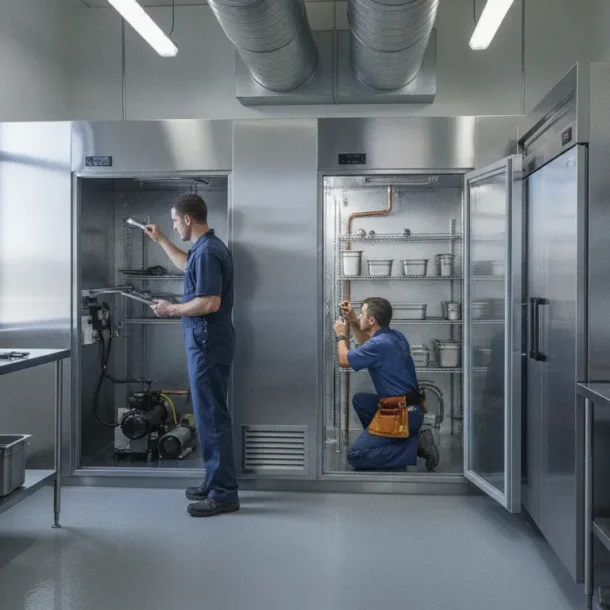
If the property also relies on coolers, freezers, or other refrigeration equipment, keep those needs distinct from comfort-cooling decisions. Refrigeration supports different operational requirements and may need its own inspection and planning. A business can ask for both areas to be reviewed while keeping the recommended work, scheduling, and quote clear for each system. Garland Heating and Air Conditioning serves commercial HVAC and refrigeration customers across the Dallas-Fort Worth area, with options based on the equipment and site.
Request a written AC compressor repair or replacement comparison for your DFW property.
It can be, but the right choice depends on the diagnosis, the condition of the rest of the system, equipment compatibility, and your operating needs. A compressor replacement may address a confirmed compressor failure, while a related electrical or refrigerant issue may call for a different repair. If the system has recurring problems or broader condition concerns, compare the compressor work with full-system replacement before deciding.
There is no responsible one-size-fits-all price. The quote depends on the equipment, site conditions, the confirmed fault, required parts, and whether additional work is needed. Garland Heating and Air Conditioning uses quote-based pricing for AC replacement and can provide a customized quote after evaluating the system. See the contact page to request an assessment.
Symptoms such as poor cooling, unusual sounds, or an outdoor unit that does not operate can have more than one cause. These symptoms do not confirm compressor failure by themselves. A qualified technician should perform system diagnostics and check related components before recommending compressor replacement. This helps separate a failed compressor from an electrical, control, or other equipment problem.
Compressor work is not a suitable do-it-yourself project. It requires professional diagnosis and specialized HVAC procedures, and an incorrect repair can leave the original fault unresolved or damage the system. For a home or business in Dallas Fort Worth, have a qualified technician evaluate the equipment and explain whether component repair, compressor replacement, or full-system replacement is the appropriate option.
The right choice depends on what the diagnosis finds and how the equipment fits your home or business. Garland Heating and Air Conditioning can help you compare compressor replacement, related repair, and full-system options with a customized recommendation.
Schedule an evaluation with Garland Heating and Air Conditioning.