You wouldn’t drive your car for years without getting an oil change, right? That essential service keeps the engine running smoothly and prevents major damage. Your home’s heating and cooling system deserves the same attention. It’s a complex piece of machinery that faces incredible demands, from scorching summer heat to sudden winter cold snaps. Without routine care, its performance declines, energy bills rise, and its lifespan shortens. Think of professional hvac maintenance as a tune-up for your home’s engine. It’s a simple, preventative step that keeps you comfortable and protects one of your most important investments.
Think of your HVAC system as the heart of your home or business. It works tirelessly behind the scenes to keep you comfortable, especially during those sweltering Dallas Fort Worth summers and chilly winter nights. Just like you’d go for a regular check-up to stay healthy, your HVAC system needs routine care to perform at its best. Skipping maintenance might seem like a way to save a few dollars now, but it often leads to bigger headaches and higher costs down the road. Regular tune-ups are one of the smartest investments you can make in your property, ensuring your system runs efficiently, lasts longer, and keeps your air clean and comfortable year-round.
A well-maintained HVAC system is an efficient one, and an efficient system uses less energy. It’s that simple. When components are clean and calibrated, your unit doesn’t have to work as hard to heat or cool your space. This regular care helps your system run more efficiently, which means lower energy bills. On the flip side, neglecting your system can cause it to lose efficiency over time. This not only makes your space less comfortable but can also inflate energy costs by as much as 30%. Scheduling routine AC repairs and maintenance service is a straightforward way to keep your system in top shape and your utility costs under control.
Your HVAC system is a major investment, and you want it to last as long as possible. Just like regular oil changes protect your car’s engine, consistent maintenance protects your heating and cooling equipment. Proper care can significantly extend the lifespan of your HVAC system, giving you many more years of reliable comfort. A preventative maintenance plan is the best way to safeguard your investment and catch small issues before they snowball into major component failures. By keeping everything clean, lubricated, and running smoothly, you can delay the need for a costly heating installation and replacement and get the most out of your current unit.
There’s never a good time for your air conditioner to break down, but it always seems to happen on the hottest day of the year. Regular maintenance is your best defense against unexpected system failures. During a tune-up, a technician can spot and fix minor issues before they escalate into expensive emergencies. The longer a problem goes unaddressed, the more likely it is to turn into a bigger, more complex repair. Recognizing the signs of HVAC distress early can prevent costly breakdowns and ensure your system operates efficiently when you need it most. This proactive approach gives you peace of mind, knowing your system is ready to handle whatever the Texas weather throws at it.
Your HVAC system does more than just control the temperature; it also plays a huge role in your indoor air quality. Over time, dust, pollen, and other allergens can build up in your system and circulate through your home or business. Regular maintenance, including cleaning filters, coils, and ducts, reduces dust and allergens, making the air you breathe healthier. If you notice more dust around or your allergies seem worse indoors, it could be a sign that your system’s filters need attention. This is especially important for light and heavy commercial AC services, where clean air contributes to a healthier and more productive environment for employees and customers.
When you schedule a professional tune-up, you’re getting much more than a quick glance at your system. It’s a comprehensive service designed to catch small issues before they become big problems, ensuring your unit runs efficiently and safely all year long. Think of it as a detailed physical for your home’s comfort system. Knowing what a technician actually does during a visit helps you understand the value of regular maintenance and gives you peace of mind that your investment is protected. From cleaning essential components to performing critical safety checks, every step is designed to keep your system in top shape, especially with the demands of the Dallas Fort Worth climate.
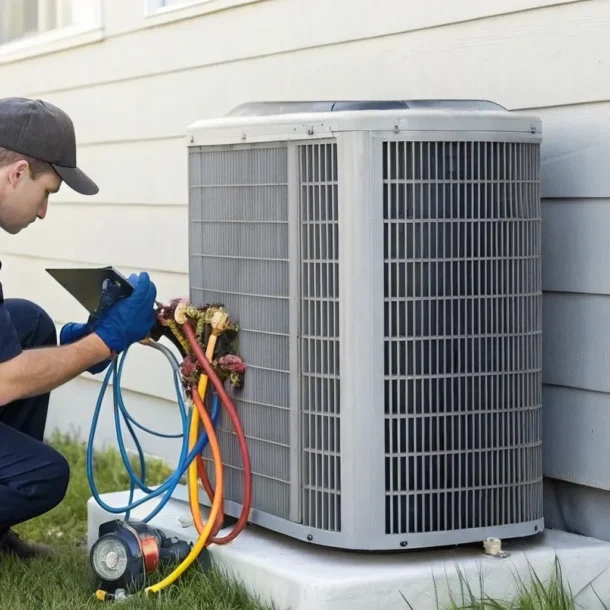
The first thing a technician will do is perform a thorough inspection of your entire HVAC system. This isn’t just about looking at the main unit; it involves checking all the moving parts to see how they work together. Regular maintenance is crucial for extending the lifespan of your equipment, whether it’s in your home or at your business. For our local businesses, we know that commercial HVAC systems are vital to daily operations. During the inspection, the technician will examine electrical connections, test voltage on motors, check the condition of belts and pulleys, and inspect safety controls to make sure everything is functioning as it should.
A clean system is an efficient system. Over time, dirt and debris build up on the evaporator and condenser coils, which are the parts that handle the heat exchange for cooling and heating. When these coils are dirty, your system has to work much harder to keep you comfortable, driving up your energy bills. A technician will clean the coils and also check refrigerant levels for air conditioners and heat pumps to ensure optimal performance. While you should be changing your air filters regularly, a professional will also inspect the filter housing and make sure you’re using the right type for your system during an AC repair and maintenance service.
Your HVAC unit could be in perfect condition, but if your ductwork is leaky, you’re losing conditioned air and money. A key part of a tune-up is checking the air ducts to make sure they aren’t leaking and to confirm there is proper airflow throughout your home. Poor airflow can lead to hot and cold spots, reduced comfort, and diminished air quality. A technician will inspect accessible ductwork for tears or gaps and measure airflow to ensure your system is distributing air evenly and efficiently. This simple check can make a huge difference in how comfortable your home feels, especially when you need reliable heating in the winter.
Think of your thermostat as the brain of your HVAC system. It tells your unit when to turn on, when to shut off, and what temperature to maintain. If it isn’t calibrated correctly, it can cause your system to run inefficiently, either cycling too frequently or not enough. During a maintenance visit, a technician will check and adjust the thermostat to ensure it’s reading the room temperature accurately and communicating properly with the rest of the system. This simple step helps you save energy and keeps your home consistently comfortable without you having to constantly fiddle with the controls.
Above all, a professional tune-up is about keeping you and your family safe. Technicians perform several key safety checks to prevent hazardous situations. This includes inspecting the heat exchanger for cracks that could leak carbon monoxide, checking for any frayed or burnt electrical wires, and ensuring all safety controls are working correctly. Overheating electrical components can create dangerous odors and pose a fire risk, so addressing these problems promptly is crucial. Whether you have a furnace or a heat pump, these safety inspections provide peace of mind that your system will operate reliably when you need it most.
While a professional tune-up is essential for the deep cleaning and technical checks your system needs, there are a few simple things you can do yourself to keep it running efficiently. Think of these tasks as the small, helpful habits that prevent minor issues from turning into major headaches. Performing these quick checks once a month can improve performance, lower your energy bills, and extend the life of your HVAC system. It’s about being proactive, not reactive.
By taking just a few minutes each month to care for your system, you’re making a smart investment in your home’s comfort and your wallet. These steps don’t require any special tools or technical know-how, just a little bit of attention. They are straightforward ways to support the work your professional technician does during their annual visit, ensuring everything runs smoothly all year long. This routine maintenance helps you spot potential problems early, giving you a chance to address them before they lead to an unexpected breakdown on the hottest day of the year. It’s a great way to stay in tune with your home’s most important system and ensure you’re getting the most out of your investment.
This is one of the easiest and most impactful tasks you can do. A clogged air filter forces your HVAC system to work much harder to pull in air, which wastes energy and puts extra strain on the components. Check your filter every month and plan to replace it every one to three months. If you have pets, live near a construction zone, or have family members with allergies, you’ll likely need to change it more frequently. A clean filter is the first step to better air quality and a healthier system.
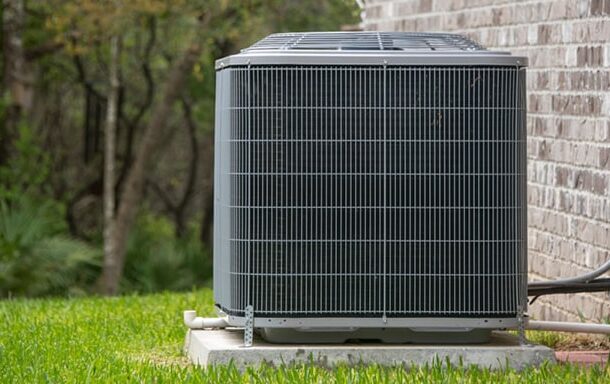
Your outdoor AC unit, or condenser, needs to breathe. It works by pulling air from the outside to release heat from your home. If it’s surrounded by leaves, grass clippings, or overgrown shrubs, it can’t do its job effectively. Once a month, take a quick walk around your unit and clear away any debris within a two-foot radius. For a deeper clean, you can turn off the power to the unit at the breaker and gently rinse the exterior fins with a garden hose. This simple step helps prevent your system from overheating during our hot Texas summers.
For your HVAC system to work properly, air needs to circulate freely throughout your home. Take a moment to walk through each room and make sure that none of your supply vents or return air registers are blocked by furniture, rugs, or curtains. Blocked vents can lead to uncomfortable hot and cold spots and make your system run longer than necessary. While you’re at it, use a vacuum with a brush attachment to clean any dust from the grilles. This helps maintain good airflow and reduces the amount of dust circulating in your home.
Your air conditioner removes humidity from the air, and that moisture has to go somewhere. It’s carried away through a condensate drain line, which is usually a small PVC pipe. Over time, this line can get clogged with algae and sludge, causing water to back up and potentially damage your home or shut down your system. You can help prevent this by periodically checking the outlet of the drain line to ensure water is dripping out when the AC is running. If you notice standing water in the drain pan, it’s a sign of a clog that needs professional AC repairs and maintenance service.
Your thermostat is the brain of your HVAC system, so it’s important to make sure it’s working correctly. Pay attention to how your system responds. Does it turn on and off when you expect it to? Does the temperature in your home feel consistent with the thermostat setting? If your thermostat is battery-powered, start by replacing the batteries. If the screen is blank or your system is acting erratically, it could point to an electrical issue or a problem with the thermostat itself. Catching these issues early can prevent bigger problems and keep your home comfortable.
Your heating and cooling system is one of the hardest-working appliances in your home or business, but it can’t exactly speak up when something is wrong. Instead, it sends out subtle (and sometimes not-so-subtle) clues that it needs attention. Learning to spot these warning signs can help you catch small problems before they turn into major, expensive breakdowns. If you notice any of the following issues, it’s probably time to call in a professional.
Do you have to wear a sweater in the living room but feel like you’re in a sauna in the bedroom? When you notice significant temperature differences from one room to the next, your HVAC system is likely struggling. These hot and cold spots are a classic sign of an underlying issue. It could be caused by leaky ductwork, a blocked vent, or a problem with your system’s balancing. An inefficient system has to work harder to compensate, which means you’re paying for conditioned air that isn’t even reaching you. A professional can diagnose the root cause and ensure consistent comfort throughout your space.
Your HVAC system should operate quietly in the background. If you start hearing new or unusual sounds like grinding, squealing, or banging, don’t just turn up the TV to drown them out. These noises often point to mechanical problems, such as a worn-out belt or a failing motor. Similarly, you should never ignore strange odors. A musty smell might suggest mold growth in your ductwork, while a burning odor could signal a dangerous electrical issue. Addressing these problems promptly is crucial for your safety and can prevent a complete system failure. If you hear or smell something off, it’s best to schedule an AC repair and maintenance service call right away.
One of the most obvious signs of a struggling HVAC system shows up in your monthly utility bills. If you see a sudden spike in your energy costs without a corresponding change in your usage, your system is likely losing efficiency. As components wear out or get dirty, your unit has to run longer and work harder to maintain the temperature set on your thermostat. This decline in performance means you’re paying more for the same level of comfort. Don’t just accept higher bills as a fact of life; it’s a clear signal that your system needs a professional tune-up to get back to peak performance.
If you find yourself dusting more often or notice that your family’s allergies are acting up indoors, your HVAC system could be the culprit. Your system is designed to filter out dust, pollen, and other airborne particles, but when it’s not working correctly, it can end up circulating these irritants throughout your home. The problem might be as simple as a dirty air filter that needs changing. However, it could also indicate leaky ductwork that is pulling in dusty air from your attic or crawlspace. Improving your indoor air quality starts with a well-maintained HVAC system, so it’s an important sign to pay attention to for your family’s health and comfort.
So, what’s the magic number for HVAC maintenance? While there isn’t a single answer that fits everyone, the general rule is simple: be proactive, not reactive. The ideal frequency depends on whether you’re managing a home or a business, and it’s heavily influenced by our local climate. Getting the timing right ensures your system runs smoothly when you need it most, preventing inconvenient breakdowns and keeping your energy bills in check. Let’s break down the best schedule for your specific situation.
For your home’s HVAC system, think of maintenance like a seasonal check-up. We strongly recommend scheduling professional service twice a year: once in the spring to prepare your air conditioner for the summer heat, and again in the fall to get your furnace ready for winter. This prepares your equipment for the heavy lifting ahead. At the very least, an annual AC repairs and maintenance service is essential. Consistent care helps your system last longer, operate more efficiently, and avoid those frustrating and expensive surprise repairs on the hottest day of the year.
Commercial HVAC systems are the unsung heroes of a productive workplace, but they work much harder than residential units. Because of this constant demand, we recommend quarterly inspections for most businesses. This proactive approach allows us to catch small issues before they cause major disruptions to your operations. Regular maintenance for your light & heavy commercial AC services is the best way to prevent unexpected downtime, maintain comfortable conditions for your employees and customers, and keep your energy costs under control. Think of it as an investment in your business’s continuity and bottom line.
Here in the Dallas Fort Worth area, our weather doesn’t mess around. The intense summer heat and unpredictable winter cold snaps put an incredible strain on any HVAC system. That’s why the twice-a-year maintenance schedule isn’t just a suggestion; it’s a necessity for North Texas homeowners and businesses. A spring tune-up ensures your AC is ready to handle months of triple-digit temperatures without failing. Likewise, a fall check-up for your heating installation and replacement system gives you peace of mind when a cold front rolls in. Staying ahead of the seasons is the smartest way to guarantee year-round comfort.
Choosing the right partner to care for your HVAC system is just as important as the system itself. You want a team that is reliable, knowledgeable, and transparent. When you start your search, focus on a few key areas to find a provider who will keep your system running smoothly for years to come. A little research now saves you a lot of headaches later.
When it comes to your home or business, experience matters. A company with a long history in the Dallas Fort Worth area understands the specific challenges our climate presents, from scorching summers to unpredictable cold snaps. Look for a provider with certified technicians (like NATE certification) who have proven their expertise. For business owners, a preventative maintenance contract is the best way to safeguard your investment in commercial HVAC services and catch small issues before they become major problems. A team that’s been around for decades, like ours has since 1952, brings a level of trust and local knowledge you can count on.
A good HVAC provider knows that every home and business is different. Avoid companies that offer a rigid, one-size-fits-all maintenance plan. Instead, look for a partner who offers flexible service agreements tailored to your specific system and needs. Some people assume that a new HVAC unit is immune to problems for the first few years, but that’s a risky assumption. Regular check-ups are essential from day one. A quality maintenance plan should clearly outline what’s included, how often service will occur, and what it costs, giving you peace of mind without locking you into services you don’t need. This is a core part of any good AC repairs and maintenance service.
Your HVAC provider should have a strong, verifiable reputation in the community. Check online reviews, ask for references, and see how long they’ve been serving your area. A company with deep roots is more likely to stand by its work. Just as important is pricing transparency. While it’s tempting to focus on the upfront cost of a maintenance plan, it’s helpful to understand the hidden costs of neglecting HVAC maintenance, which can include higher energy bills and expensive emergency repairs. A trustworthy company will provide clear, upfront pricing for their maintenance plans so you know exactly what you’re paying for.
A knowledgeable HVAC partner will also help you separate fact from fiction. For example, you may have heard that closing vents in unused rooms saves money. In reality, it’s far more effective to work with an expert to optimize your system’s settings without restricting airflow, which can strain your unit. Another common myth is that you can save money by skipping scheduled maintenance. While it might seem like a small saving in the short term, experts agree that it almost guarantees higher costs later through inefficiency and breakdowns. A great provider will not only service your system but also give you practical advice for your home’s heating and cooling needs.
Does regular maintenance actually save me money? Yes, it absolutely does, and in two significant ways. First, a well-maintained system runs more efficiently, which means it uses less energy to cool or heat your space, leading to lower monthly utility bills. Second, professional tune-ups help catch small issues before they become major, expensive breakdowns. The cost of a maintenance visit is minimal compared to the price of an emergency repair or a full system replacement.
Is getting my HVAC checked twice a year really necessary? For the Dallas Fort Worth area, we strongly recommend it. Think of it this way: your air conditioner and your heater are two separate systems that face their own peak seasons. A spring check-up ensures your AC is ready for the intense summer heat, while a fall visit prepares your furnace for winter. This seasonal approach is the best way to prevent system failure when you need it most and ensure each part of your system is ready for the demands ahead.
I change my filters regularly. Do I still need a professional tune-up? Changing your filters is one of the best things you can do for your system, so keep it up. However, a professional tune-up goes much deeper. A technician will clean internal components like the coils, check electrical connections for safety, test refrigerant levels, and calibrate your system for optimal performance. These are tasks that require specialized tools and knowledge to ensure your system is not just running, but running safely and efficiently.
My AC is still blowing cold air, but it’s making a weird noise. Should I be worried? You should definitely pay attention to it. Even if your system seems to be working, new sounds like grinding, squealing, or clanking are often early warnings of a mechanical problem. A part might be loose or wearing out. Ignoring the noise can lead to a more serious failure down the line. It’s always better to have a professional diagnose the sound early to prevent a small issue from turning into a costly emergency.
How can I make my current HVAC system last as long as possible? Consistent, proactive care is the key to extending your system’s lifespan. The combination of scheduling professional maintenance twice a year and performing simple monthly tasks yourself is the most effective strategy. Keeping the outdoor unit clear of debris, changing your filters on time, and keeping your vents unblocked all support the deep cleaning and technical adjustments made by a professional. This teamwork approach ensures your system runs smoothly for as many years as possible.