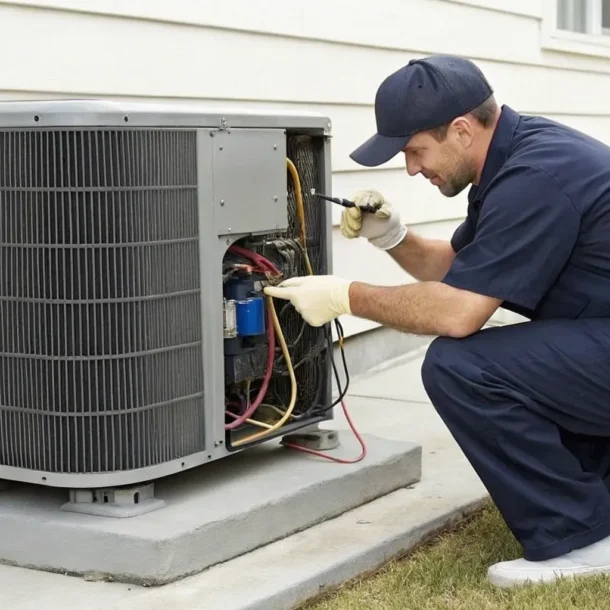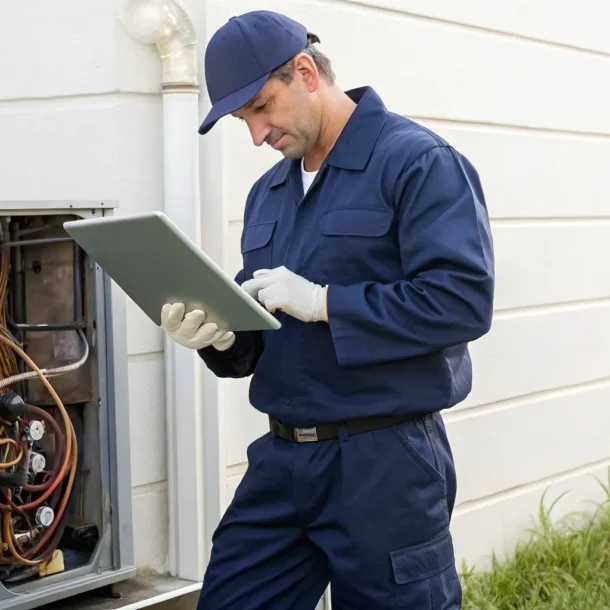
No one wants to face a broken air conditioner in the middle of July. The best way to avoid that stressful situation is with proactive care. While emergency repairs are sometimes unavoidable, a scheduled air conditioning service is your first line of defense against unexpected breakdowns and costly problems. Think of it as a wellness check for your HVAC system. It keeps your unit running at peak efficiency, improves your indoor air quality, and gives you peace of mind. This article will explain exactly what happens during a service call, from routine maintenance to complex repairs, for both residential and commercial systems.
When you hear the term “AC service,” it can mean a few different things depending on your system’s current state. It’s not always about fixing something that’s already broken; sometimes, it’s about preventing problems before they start. A comprehensive service can range from a simple preventative check-up to a complete system overhaul. It’s helpful to think of it in three main categories: routine maintenance to keep things running smoothly, emergency repairs for when things go wrong, and full system installation when it’s time for an upgrade. Each type of service plays a critical role in the health and longevity of your air conditioner.
Understanding what’s involved in each service helps you know what to expect when you call a professional and why each one is so important for keeping your home or business comfortable, especially during a Texas summer. Whether you’re a homeowner wanting to avoid a mid-July breakdown or a facility manager responsible for a large commercial unit, knowing the scope of AC service ensures you can make informed decisions. Let’s break down what each of these services includes so you feel prepared for your next appointment.
This is all about preventative care. During a routine check, a technician will perform a thorough inspection to catch small issues before they become big, expensive problems. This includes cleaning the indoor and outdoor coils, checking refrigerant levels, testing electrical connections, and making sure your thermostat is calibrated correctly. These regular tune-ups are designed to keep your system running at peak performance. Even small adjustments can lead to significant gains in efficiency and reliability over time. Scheduling AC repairs and maintenance service helps extend your unit’s lifespan and can lower your monthly energy bills, giving you peace of mind.
Sometimes, even with the best maintenance, things break. An emergency repair service is for when your AC stops working correctly. Maybe it’s making a strange noise, not cooling your space evenly, or won’t turn on at all. If you see water pooling around your unit or condensation on your windows, it’s a clear sign you need a professional. When you call for a repair, our first step is to diagnose the exact cause of the problem. From there, we’ll explain the issue and what it will take to fix it, whether it’s a simple part replacement or a more involved heat pump repair.
When repairs are no longer cost-effective or your old unit just can’t keep up, it’s time for a replacement. A new AC installation is a major project, but it’s also an opportunity to improve your comfort and efficiency. The process involves more than just swapping out boxes. We’ll help you find the right system by considering factors like your property’s size, your budget, and your energy-saving goals. Choosing an energy-efficient air conditioner is a great investment for both your wallet and the environment. Our team handles everything from removing the old unit to installing and testing the new one, ensuring it’s set up for years of reliable cooling.
Your air conditioner is pretty good at communicating, you just have to know what to look and listen for. Long before a complete breakdown, your system will usually give off warning signs that it’s struggling. Paying attention to these clues can help you catch small issues before they turn into major, expensive problems. If you notice your system acting up, it’s a clear signal that it’s time to call in a professional. Let’s walk through some of the most common signs that your AC is asking for help.
Do you have that one room in your house or office that just never seems to cool down? Or maybe you’ve noticed the air coming from your vents feels weak. These hot spots and inconsistent airflow are more than just minor annoyances; they’re signs that your AC system isn’t distributing air properly. This could be due to a number of issues, from clogged filters or blocked ductwork to a problem with the blower fan. Ignoring it won’t make the problem go away. Instead, it’s a clear indicator that your system needs professional attention to get it running efficiently again and restore comfort to your entire space.
Your air conditioner should operate in the background, not sound like it’s preparing for takeoff. If you start hearing unusual sounds like grinding, squealing, or banging, it’s a red flag. These noises often point to a loose part or a failing component that needs immediate attention. Another telltale sign is constant cycling, where the system turns on and off more frequently than usual. This suggests your AC is struggling to maintain the set temperature, which puts extra wear and tear on the unit. Don’t just turn up the TV to drown it out; these are clear calls for help that require professional AC repairs and maintenance service.
Have your electricity bills been creeping up, even though your habits haven’t changed? Your AC might be the culprit. When an air conditioning system isn’t running efficiently, it has to work much harder to cool your space, which uses a lot more energy. This inefficiency can be caused by anything from a refrigerant leak to a failing compressor. You might also notice excess moisture or puddles forming around the indoor or outdoor unit. These are all signs that your system is under stress. If your AC is older and consistently causing high bills, it might be time to consider a new AC installation and replacement for a more energy-efficient solution.
Keeping your space cool is the goal, whether it’s your living room or your storefront. But the equipment and expertise required to cool a home versus a business are worlds apart. Commercial air conditioning isn’t just a scaled-up version of a residential unit; it’s a completely different beast with unique demands for installation, maintenance, and repair.
Understanding these differences is key to getting the right service for your property. A system that’s right for a 2,000-square-foot house in Plano simply won’t cut it for a bustling restaurant or a multi-story office building in Dallas. Let’s break down what sets residential and commercial AC services apart.
Commercial HVAC systems are intricate by design. They have to manage airflow across much larger and more varied environments, from open-plan offices to heat-generating kitchens or server rooms. This requires a modular design with multiple components and sophisticated control panels to maintain different temperatures in different zones. Unlike a home AC unit that’s usually placed on the side of the house, commercial units are often located on the roof or in a basement utility room. This placement alone makes them harder to access and service, requiring specialized equipment and safety training.
Because of this complexity, you need a technician with specific experience in light and heavy commercial AC services. They have the knowledge to work on these larger, more powerful systems and understand the unique demands of a business environment, where a breakdown can mean lost revenue.
For your home, we recommend scheduling professional maintenance twice a year: once in the spring to prepare your AC for the summer heat and once in the fall to get your heater ready for winter. This proactive approach helps catch small issues before they become major, expensive problems. Regular AC repairs and maintenance service keeps your system running efficiently and can extend its lifespan.
Commercial systems, however, work much harder and require more frequent attention. At a minimum, a commercial HVAC unit should be professionally serviced twice a year. For businesses with high-demand environments like restaurants or data centers, quarterly inspections are often a better choice to ensure reliability and prevent costly downtime.
As a business owner, you can take a few steps to support your system’s health between professional service calls. First, ensure the unit is properly sized for your building’s needs. An undersized or oversized system will run inefficiently, drive up energy costs, and wear out faster. This is a critical factor to discuss during a new AC installation and replacement.
Also, make a habit of keeping the area around your HVAC units clear of debris, which can obstruct airflow and strain the system. Regularly changing the air filters is another simple but effective task that improves air quality and performance. Ultimately, the best tip is to partner with a trusted HVAC provider who can create a maintenance plan tailored to your business.
Having a technician come to your home or business can feel a bit disruptive, but knowing what to expect makes the entire process smoother. Whether you’ve scheduled a routine tune-up or called us for an emergency, our service calls follow a structured process designed to get your system running efficiently as quickly as possible. Our goal is to be transparent and thorough, so you’re never left wondering what’s happening with your air conditioner.
From the moment our technician arrives, they are focused on identifying the root cause of any issue and performing the necessary work to restore your comfort. We believe in clear communication, so we’ll walk you through our findings and explain our recommendations in plain English. Think of it as a check-up for your AC system. We’ll inspect its health, perform preventative care, and give you a clear plan for its long-term performance. This methodical approach ensures we don’t just put a bandage on a problem; we provide a lasting solution.
The first thing our technician will do is perform a complete inspection of your AC system. This isn’t just a quick glance; it’s a deep dive into your equipment’s health. We’ll check all the essential components, from the electrical connections and controls to the refrigerant levels and airflow. If you’ve noticed issues like puddles of water near your unit or condensation on your windows, be sure to let us know. These clues help us pinpoint the problem faster. This diagnostic step is the foundation for any successful AC repair and maintenance service, as it allows us to understand exactly what’s going on before we start any work.
Once we’ve diagnosed the issue, we get to work. For a routine maintenance visit, this involves cleaning key components like the evaporator and condenser coils, which can get clogged with dirt and debris over time. We’ll also make minor adjustments to optimize performance, like tightening electrical connections and lubricating moving parts. These small steps can make a huge difference. Consistent maintenance not only improves your system’s efficiency, which can help lower your energy bills, but it also helps you avoid unexpected breakdowns on a hot Texas day. It’s all about keeping your system in top shape for reliable comfort.
After the service is complete, our technician will review everything with you. We’ll explain what we found, what we fixed or tuned up, and provide clear recommendations for the future. This might include suggesting a proactive service schedule to keep your system running smoothly year-round. It’s a common misconception that new HVAC units don’t need regular attention, but every system benefits from maintenance, regardless of its age. Whether the next step is scheduling your next tune-up or discussing options for a new AC installation if your unit is nearing the end of its life, we’ll make sure you have all the information you need to make the best decision for your home or business.
Talking about money can be tricky, but we believe in being upfront about what goes into the cost of an AC service. Whether you’re planning for routine upkeep or facing an unexpected repair, knowing what to expect financially helps you make the best decision for your home or business. The price depends on the type of service, the specifics of your system, and a few other key factors. Let’s break it down so you can feel confident about your investment in comfort.
The cost of AC service falls into three main categories. Routine maintenance is a proactive expense designed to keep your system running smoothly and prevent future problems. For a commercial building, this can range from $200 to over $1,000, depending on the size and number of units. Residential tune-ups are typically more straightforward. An AC repair service has a different cost structure, as it depends on the specific parts and labor needed to fix a problem. Finally, a new AC installation is the largest investment, with costs varying widely based on the unit you choose and the complexity of the job.
Several factors determine the final price of any AC service. The size and type of your HVAC system are the most significant. The scope of the work also plays a huge role; for example, replacing a single component is much different from a full system overhaul. When you’re buying a new unit, you’ll find a tradeoff between the initial cost and long-term savings. A system with a higher energy-efficiency rating (EER) may cost more upfront but will save you money on utility bills over its lifetime, making it a more cost-effective solution in the long run.
You can manage HVAC expenses with a little planning. For larger projects like a new system, financing options can make the upfront cost much more approachable. The most effective way to control costs over time, however, is through a preventative maintenance plan. Regular service helps you avoid unexpected, expensive breakdowns and extends the life of your equipment. It’s a common myth that new systems don’t need checkups, but routine maintenance is the only way to safeguard your investment from the start. We can help you find the right plan for your home or your light and heavy commercial AC services.
Living in the Dallas Fort Worth area means you understand that a reliable air conditioner isn’t just a luxury; it’s essential. With temperatures regularly soaring above 90°F for nearly three months of the year, your AC system is put under incredible strain. This intense heat demands more than just any AC service. It requires specialized expertise from a team that knows the unique challenges of our climate inside and out. That’s where we come in. Since 1952, Garland Heating and Air Conditioning has been the trusted partner for homes and businesses, ensuring they stay comfortable no matter what the Texas weather brings.
Our seven decades of experience mean we’ve seen it all. From historic homes in Garland to modern commercial buildings in Plano, we have the knowledge to handle any issue. For business owners, we know your HVAC system is the backbone of a productive and safe environment. We offer dedicated Light & Heavy Commercial AC Services to prevent disruptions that could affect your operations. For homeowners, we provide peace of mind with prompt and effective solutions that keep your family cool and comfortable all summer long.
We believe in a proactive approach to climate control. A preventative maintenance plan is one of the smartest ways to protect your investment, catching small problems before they turn into costly emergencies. Whether you need routine AC Repairs and Maintenance Service or a complete system upgrade, our focus is on providing durable, energy-efficient solutions. Choosing an efficient system not only helps manage your utility bills but also supports a healthier environment. Our team is committed to delivering honest recommendations and high-quality workmanship, ensuring your system runs smoothly for years to come.
How often should I get my home AC serviced if it seems to be working fine? For homeowners in Texas, we recommend having your system professionally serviced twice a year. A technician should check your air conditioner in the spring to prepare it for the summer heat and inspect your furnace in the fall before winter arrives. This proactive schedule helps keep your system running efficiently, catches small issues before they become expensive emergencies, and can even lower your monthly energy bills.
Is a strange smell coming from my vents a reason to call for service? Yes, you should definitely treat any unusual odor from your vents as a sign to call a professional. A musty smell could indicate mold or mildew growth within your system or ductwork, while a burning smell might point to an electrical problem or an overheating motor. A technician can properly diagnose the source of the smell and ensure your system is operating safely and your air quality is healthy.
My AC is old but still cools my house. How do I know when it’s time to replace it instead of just repairing it? Deciding between another repair and a full replacement is a big decision. A good rule of thumb is to consider replacement if your unit is over 10 to 15 years old, needs frequent and costly repairs, or causes your energy bills to climb steadily higher. While a new system is a significant investment, it often pays for itself over time through better energy efficiency, improved reliability, and greater peace of mind.
Can I perform my own AC maintenance to save money? While changing your air filters regularly is a great habit for any homeowner, most AC maintenance and repair tasks should be left to a trained professional. Air conditioning systems are complex and contain high-voltage electrical components and chemical refrigerants. A certified technician has the right tools and expertise to safely diagnose the root cause of a problem, not just a symptom, ensuring the job is done correctly and effectively.
What is the real benefit of a maintenance plan versus just calling when something breaks? Think of a maintenance plan as preventative care for your home’s comfort system. Instead of reacting to a sudden, stressful, and often expensive breakdown, you are proactively keeping your system in top condition. This regular attention helps your AC run more efficiently, extends its operational life, and reduces the likelihood of a system failure during the hottest days of summer. It’s an investment in reliability and long-term savings.