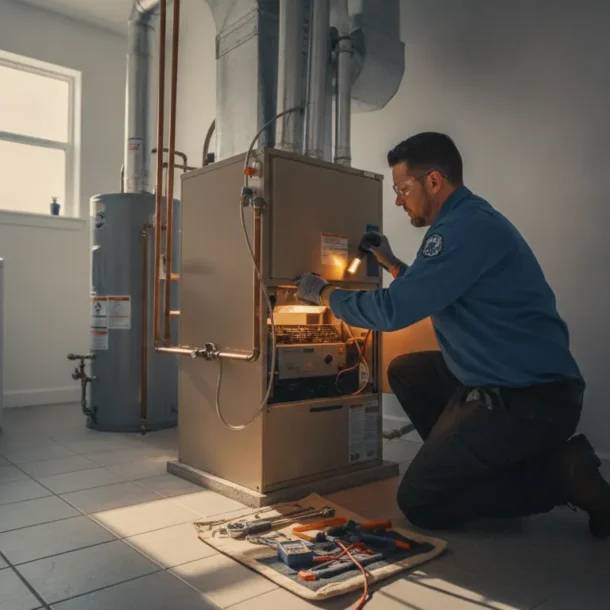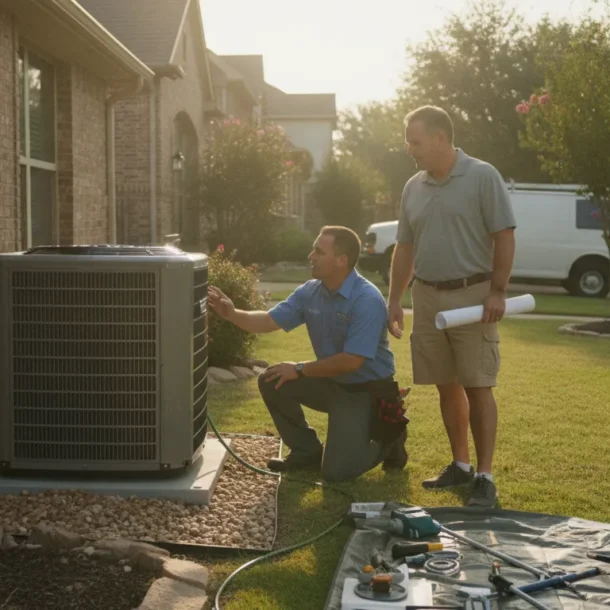
When an air conditioner hums without starting, or its outdoor fan will not spin, a failed capacitor may be the reason. A technician can diagnose the system safely before a small electrical problem causes more damage.
Schedule AC service with Garland Heating and Air Conditioning
For broader planning, review the HVAC cost guide for Dallas Fort Worth homeowners alongside this component-specific guide.
AC capacitor replacement cost depends on the capacitor type, the equipment it serves, technician labor, system access, diagnosis, and service timing. Published industry guidance may show a broad range, but it is not a Garland Heating and Air Conditioning quote. DFW homeowners and businesses should request a personalized, quote-based evaluation, especially when service is needed after hours.
A capacitor stores electrical energy, so attempting to test or replace one can create a serious shock hazard, even after the system is switched off. The right next step is understanding what this component does, how failure develops, and what a technician checks before recommending replacement.
An AC capacitor is an electrical component that helps the system’s motors start and continue running. It stores and releases electrical energy at the right moment, supporting the compressor, outdoor fan motor, or indoor blower motor. When the component weakens, the air conditioner may struggle to start, lose airflow, or stop cooling even though the thermostat is calling for service.
A start capacitor provides an extra electrical boost when a motor begins turning. It works briefly during startup, then drops out of the circuit. A run capacitor supports the motor while it operates, helping the compressor or fan maintain consistent performance. These are different jobs, so a technician must identify the system’s design before selecting a replacement.
Many residential systems use a dual-run capacitor. This single component supports both the compressor and the outdoor fan motor, with separate ratings for each motor. That design makes accurate testing especially important. Replacing the wrong component or using an incompatible rating can create additional operating problems instead of correcting the original failure.
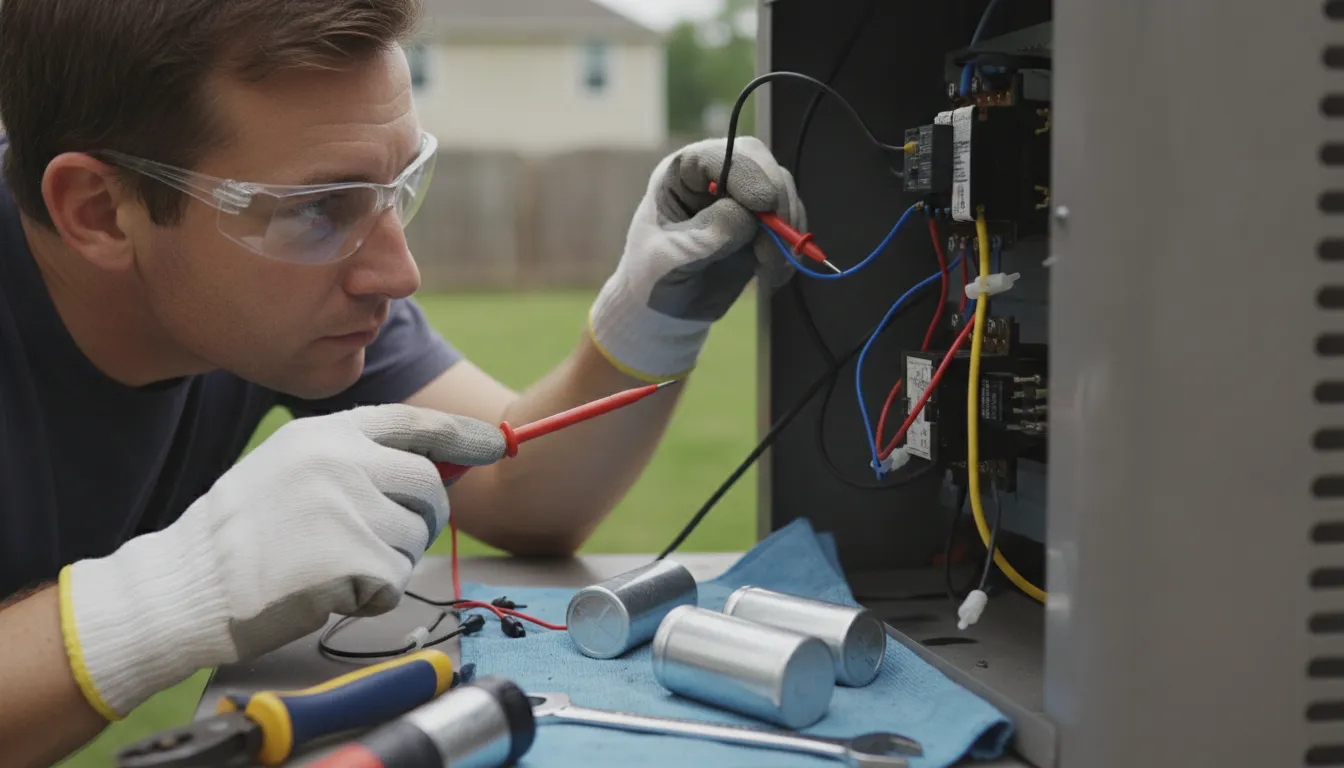
Heat, electrical stress, poor connections, and related system problems can contribute to capacitor failure. In an older HVAC unit that has difficulty starting, a technician may consider a hard-start capacitor as part of the repair plan. That recommendation should follow testing and an evaluation of the equipment, not a guess based only on the unit’s age.
Common symptoms include an outdoor unit that hums but does not start, or a fan that fails to spin when the system is turned on. These signs can point to a faulty capacitor, but they can also overlap with other electrical or motor issues. Regular maintenance and diagnostics help identify developing component problems before they become larger system failures. Professional AC repairs and maintenance can help homeowners and DFW businesses get the correct diagnosis.
Capacitors can retain an electrical charge even after the system is switched off. Working on an energized HVAC unit, including handling capacitors, creates a serious electrocution risk. Turn the system off and arrange professional service rather than opening the access panel or attempting a replacement yourself. A qualified technician can test the component, verify the motor and wiring, and explain whether the repair involves a standard replacement or additional startup support.
There is no single answer to the question of AC capacitor replacement cost because the part is only one part of the service. A technician must identify the failed component, confirm the correct replacement, and safely install it within the existing system. Garland Heating and Air Conditioning uses quote-based pricing, so your total should reflect the equipment and work at your property rather than an assumed flat rate.
The following factors commonly affect the scope of work. They apply to both residential systems and larger commercial equipment, although commercial repairs may require additional troubleshooting and coordination.
| Cost driver | What the technician evaluates | Why it matters |
|---|---|---|
| Part specification | Whether the system needs a start, run, or dual-run capacitor, along with the electrical rating and physical fit. | The replacement must match the equipment requirements. Using the wrong component can create additional electrical or performance problems. |
| Diagnosis | Whether the capacitor is the actual failure, or whether the motor, wiring, contactor, or another control is also involved. | A humming outdoor unit or fan that will not spin can point toward a capacitor issue, but symptoms alone do not identify every failed part. Professional diagnostics help define the complete repair. |
| Equipment access | How easily the electrical compartment can be reached and whether panels, rooftop equipment, or commercial layouts complicate the work. | Restricted or elevated access can require more preparation and time than a readily accessible residential condenser. |
| Timing | Whether service is scheduled during normal hours or needed urgently after hours, on a weekend, or during a holiday. | DFW emergency service may involve additional surcharges beyond standard business-hour service, as described in published HVAC service guidance. |
| System type | The design, capacity, location, and controls of the air-conditioning equipment. | A residential split system, packaged unit, heat pump, and commercial system may use different components and require different testing procedures. |
| Additional repairs | Whether damaged wiring, a failing motor, or a hard-start component is found during testing. | Some older units struggling to start may need a hard-start capacitor, which can change the repair scope. Maintenance and diagnostics can also help identify component problems before they cause a larger failure. |
Published HVAC guidance describes replacement as a combination of the component and professional service or labor, rather than a part-only purchase. The U.S. Department of Energy review supports that distinction. For a DFW property, ask what part was diagnosed, what rating it requires, whether the quote includes testing, and whether any related repair is optional or necessary. Garland Heating and Air Conditioning can evaluate the system and provide a personalized quote before the work proceeds.
These components support different moments in an air conditioner’s operation, so a technician cannot identify the correct replacement by appearance alone. The diagnosis starts with the equipment’s design, the symptoms, and the electrical specifications printed on the existing part.
A run capacitor helps an operating motor maintain the electrical phase support it needs while the compressor or fan runs. A start capacitor provides an extra boost during startup, then drops out of the circuit once the motor is running. Some residential and commercial systems use a dual-run capacitor, which combines two run-capacitor functions in one housing, often serving the compressor and outdoor fan.
A hard-start kit is different from simply choosing a larger replacement capacitor. It adds starting assistance for a system that has difficulty getting a compressor moving, which may be considered for some older units struggling to start. The technician must determine whether that support fits the equipment and addresses the actual problem. A technician may consider a hard-start capacitor for some older, hard-starting units, but the accessory is not appropriate for every system.
During diagnosis, the technician checks the capacitor type, voltage rating, capacitance values, wiring, and the equipment manufacturer’s requirements. They also inspect related electrical connections and test the system rather than assuming that the capacitor is the only failed component. A start capacitor, run capacitor, dual-run capacitor, and hard-start kit are not interchangeable just because they serve the same general system.
The component itself is only one part of the work. The U.S. Department of Energy describes replacement cost as the combination of the capacitor price, the professional service call, and installation labor. That cost structure is explained in its residential HVAC literature review. A quote can also reflect diagnosis, equipment access, system configuration, and whether additional starting assistance or related repairs are needed.
That is why the answer to an online search for ac capacitor replacement cost should be treated as planning information, not a guaranteed price. Garland Heating and Air Conditioning evaluates the equipment and provides a quote based on the actual part and work required. Avoid opening the cabinet or handling the component yourself because capacitors can retain a dangerous electrical charge, even after power is disconnected.
An AC capacitor problem can look like a minor startup issue at first, but it can leave the system unable to cool your home or business. The symptoms below are useful clues, not a substitute for electrical testing. A failing capacitor can resemble problems with the motor, contactor, wiring, refrigerant charge, or control board.
For additional examples, review these bad AC capacitor symptoms before scheduling an inspection.
Capacitors store electrical energy, and they can remain charged even after the air conditioner is turned off. Opening the cabinet or touching the component creates a severe electrocution hazard. Do not remove the service panel, discharge the capacitor, bridge terminals, or attempt a replacement based only on a visual inspection. A swollen case can be a clue, but a capacitor can also fail without obvious exterior damage.
Turn the system off at the thermostat if it is behaving abnormally. If there is smoke, a burning odor, exposed wiring, or repeated breaker activity, switch off the appropriate disconnect only if you can do so safely and keep people away from the equipment. Then arrange an evaluation by a qualified HVAC professional. The technician can test the capacitor and related electrical components, confirm the correct specifications, and identify whether the symptom comes from another part of the system.
Regular maintenance and diagnostics help identify developing electrical and mechanical problems before a component fails during extreme DFW weather. For a complete evaluation, connect with Garland Heating and Air Conditioning for professional AC repairs and maintenance. A proper diagnosis is the safest way to decide whether the next step is capacitor replacement, another repair, or broader system service.
Usually, a capacitor replacement is a sensible repair when the rest of the air conditioning system is in serviceable condition. The key question is not simply how old the unit is. A technician should look at the system’s overall condition, operating history, comfort performance, and likely repair needs before recommending a larger investment.
Replacing the failed component may be appropriate when the diagnosis points to the capacitor as the primary problem and the compressor, fan motor, controls, coil, and electrical connections are operating properly. If the unit has provided dependable cooling, maintains indoor comfort, and has not required repeated repairs, a focused repair can restore operation without replacing equipment that still has useful service potential.
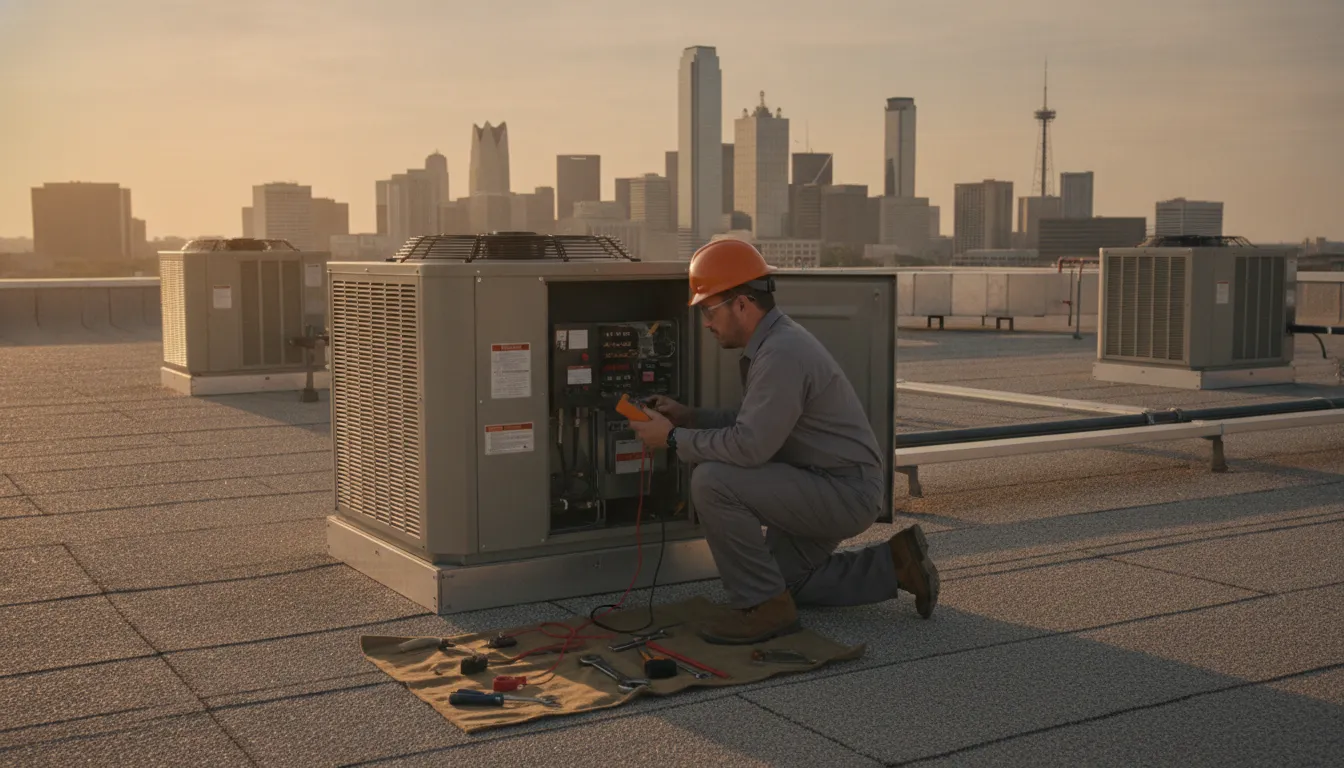
Proper maintenance and diagnostics can also help prevent premature failure of important HVAC components, including electrical starters and related parts. The U.S. Department of Energy discusses the role of regular HVAC diagnostics in identifying developing problems before they become broader system failures. Review the HVAC diagnostics guidance for additional technical context.
A capacitor may be only one symptom of a system under broader strain. Ask for a more complete evaluation when the unit has recurring electrical failures, uneven cooling, frequent breakdowns, unusual operating noise, or rising difficulty maintaining the desired temperature. Repeated service calls can make a narrow repair less useful if other major components are also deteriorating.
Some older units that struggle to start may need a hard-start capacitor or another starting aid. That recommendation should follow testing, not guesswork. The appropriate solution depends on the equipment and the cause of the starting problem. It can also change the scope of the work and the total quote, so ask the technician to explain what was tested and why the part is recommended.
Have the technician document the diagnosed failure, the condition of the major components, and any repairs that are likely to be needed next. Then compare that information with the system’s comfort, reliability, and operating goals. Garland Heating and Air Conditioning provides quote-based service rather than promising a flat online price for every system. You can review the AC repair decision guide for more planning context, or explore new AC installation and replacement when the evaluation points toward a complete system upgrade.
For a residential or commercial unit in Garland, Richardson, Plano, or elsewhere in DFW, the best decision comes from a system-specific diagnosis and a clear explanation of the available options.
A clear service conversation helps you compare the proposed work with the symptoms, equipment, and urgency involved. Whether you manage a home in Garland or a commercial property elsewhere in DFW, ask the technician to explain the diagnosis and the complete scope before authorizing the repair.
Garland Heating and Air Conditioning uses quote-based pricing rather than a flat online repair price. Request a personalized scope and quote before approving work, especially when a capacitor diagnosis reveals a wider equipment concern.
Schedule service for an AC capacitor diagnosis and quote
Symptoms such as humming, hard starting, intermittent cooling, or a fan that will not start can point to a capacitor problem. But they can also indicate motor, wiring, or control issues. A technician should test the system and electrical components before recommending a replacement.
Professional replacement is the safer choice because capacitors can retain an electrical charge after the system is turned off. The correct part must also match the equipment specifications. Incorrect handling or installation can damage the system or create a shock hazard.
The total quote may reflect the capacitor specification, diagnostic time, equipment access, service timing, and whether additional wiring or component work is needed. Residential and commercial systems can have different requirements, so part-only estimates do not show the full scope.
Not necessarily. The decision depends on the unit’s overall condition, repair history, efficiency, and the likely cost of additional repairs. A technician can explain whether replacing the capacitor is a practical repair or whether a broader replacement evaluation makes more sense.
Contact Garland Heating and Air Conditioning with the equipment details and symptoms, then request a diagnostic visit and personalized quote. The company provides residential and commercial HVAC service across the DFW metroplex, including emergency response for climate control failures.
A suspected capacitor problem can affect whether your system starts, runs, and keeps your space comfortable. Garland Heating and Air Conditioning can review the symptoms, evaluate the equipment, and explain the repair scope before you decide how to proceed. Share whether the system serves a home or commercial space, what you have noticed, and when the issue began so the team can prepare for the conversation.
Request AC service through the Garland Heating and Air Conditioning contact form