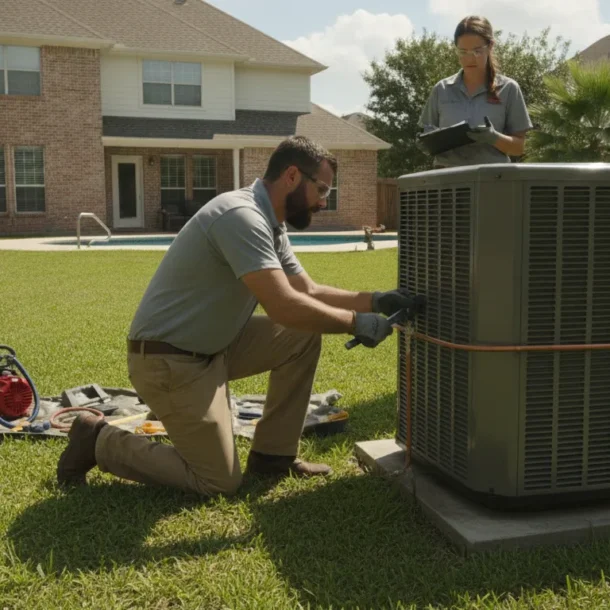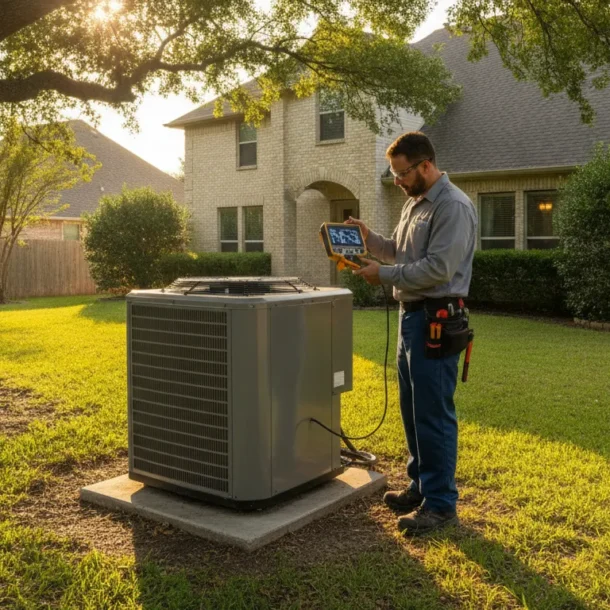

Replacing an air conditioner is more than a single appointment: the timeline includes choosing equipment, preparing the site, and completing the installation safely.
Get a quote for your DFW AC installation from Garland Heating and Air Conditioning at (972) 278-3500.
So, how long does ac installation take? A standard replacement usually takes about 4 to 8 hours when the existing system, ductwork, and electrical are in good condition. From the initial research and quote process through scheduling, the overall timeline can range from a few days to roughly two weeks. Larger homes, commercial spaces, new ductwork, electrical upgrades, or a combined furnace and AC replacement may require a full day or several days.
Garland Heating and Air Conditioning has served the Dallas-Fort Worth area since 1952. Understanding the professional HVAC installation process helps homeowners and business owners plan for each stage, from the first assessment to the final comfort check.
The timeline has two parts: the time spent deciding and scheduling, followed by the work performed at your home or business. From initial research and multiple quotes to the day cool air returns, the complete process can take a few days to two weeks. Your pace in comparing options, selecting an installer, and arranging the appointment affects the total. Learn about the professional HVAC installation process before you choose a contractor.
Many homeowners spend one to three days gathering professional quotes, then another one to three days reviewing the recommendations and choosing an installation team. Equipment availability and the contractor’s schedule add another variable. If your system has stopped working during a DFW heat wave, the appointment may be arranged quickly. A planned replacement usually allows more time to compare equipment, confirm the scope of work, and prepare the property.
For a standard changeout, expect about four to eight hours when the existing system, ductwork, and electrical infrastructure are in good condition. The technician generally removes the old equipment, installs the new indoor and outdoor components. Connects the refrigerant and electrical lines, checks operation, and explains the thermostat and system controls. The work should not be rushed simply to meet the shortest estimate. Correct sizing, airflow, and refrigerant charge are important parts of a dependable installation.
A larger project may take a full day or two to three days if it includes new ductwork, electrical upgrades, or a combined furnace and AC replacement. Replacing both systems at once is commonly estimated at eight to 14 hours of labor, depending on the property and scope. Commercial spaces, larger homes, unusual equipment locations, and infrastructure that needs modification can also require additional time.
That difference is why a site assessment matters. A written quote should explain what is included, which existing components can remain, and whether preparation work could change the schedule. The installation day is only one milestone in the overall process, but careful planning helps Garland Heating and Air Conditioning deliver a cleaner transition to reliable cooling.
| Project Type | Typical Timeline |
|---|---|
| Standard AC changeout (ductwork and electrical in good condition) | 4 to 8 hours. |
| Combined furnace and AC replacement | 8 to 14 hours. |
| New central air with new ductwork | 1 to 3 days. |
| Full process from research and quotes to scheduling | Few days up to 2 weeks. |
The first step is a site assessment that turns a general cooling problem into a practical installation plan. For a home or business in the Dallas-Fort Worth area. Garland Heating and Air Conditioning typically aims to complete this assessment the same day or the next day, depending on scheduling and the project. The process is designed around the property, existing equipment, and comfort needs rather than a one-size-fits-all package.
The technician reviews the size and layout of the home or business, examines the current air conditioning equipment, and looks at the condition of the ductwork. Electrical capacity, access to the equipment, drainage, and the location of the indoor and outdoor components also matter. These details help identify whether the project is a straightforward replacement or whether ductwork, electrical work, or other preparation may be needed.
A load calculation helps determine how much cooling the property actually needs. Equipment that is too large can cycle on and off more often, provide poorer dehumidification, and increase operating costs. Equipment that is too small may struggle to maintain comfort during demanding DFW weather. The assessment should therefore connect the recommended system to the building’s size, construction, insulation, windows, occupancy, and existing airflow conditions.
Garland Heating and Air Conditioning uses the findings to build a customized quote for the specific home or business. Pricing is quote-based, so this article does not assign a generic rate or promise a free service. The quote should explain the recommended equipment, expected scope, installation requirements, and any factors that could affect scheduling. If you are comparing options, review your AC installation and replacement options and consider when to replace your AC unit.
Getting multiple professional quotes can take about 1 to 3 days. And reviewing those quotes and selecting an installer can take another 1 to 3 days, according to Trane’s installation timeline guidance. Those decision windows are separate from equipment availability and scheduling. A careful assessment early in the process helps prevent an installation timeline from being based on assumptions that do not fit your property.
Since 1952, the family-owned Garland Heating and Air Conditioning team has served DFW customers with a local, personalized approach. A thorough assessment gives you a clearer answer about the work involved and what needs to happen before installation day.
After you approve a quote, your installer orders the specific system selected for your home or business. That includes the correct capacity, efficiency level, configuration, and accessories needed for the planned installation. The equipment cannot be chosen by a generic model name alone, because the right match depends on the building, existing ductwork, electrical setup, and comfort needs.
Ordering and delivery time varies by equipment availability and brand. A commonly stocked system may arrive quickly, while a less common configuration may require additional coordination with the distributor. For that reason, the full process from research and quoting through scheduling can take anywhere from a few days to two weeks, according to Trane’s AC installation timeline guidance. This is a planning range, not a promise for every Garland, Richardson, or Plano project.
Once the equipment is confirmed or its arrival is scheduled, the installation team can reserve a service window. The available date depends on delivery timing, technician schedules, and the complexity of the work. A straightforward replacement may be coordinated around the equipment arrival, while a commercial system or a home requiring additional preparation may need more planning.
Permits, inspections, or coordination with a city or property manager can add scheduling time as well. These details are especially important for commercial properties, multifamily buildings, and projects involving electrical or ductwork changes. Your installer should explain which approvals apply and identify any decision that could affect the calendar before the work begins.
Garland Heating and Air Conditioning can use the assessment and approved quote to outline what happens next, including equipment status and the expected installation window. Ask about availability and scheduling when you review the proposal so you can plan around work, tenants, or family needs without relying on an unsupported lead-time guarantee.
Installation day should follow a clear sequence, with the technician protecting your home while replacing the equipment and verifying that the new system operates correctly. A standard changeout usually takes 4 to 8 hours when the existing ductwork and electrical infrastructure are in good condition. Replacing a furnace and air conditioner together typically takes 8 to 14 hours. A first-time central-air installation that requires new ductwork can take 1 to 3 days.

Do not switch the system on independently while installation is still underway. Wait until the technician confirms that evacuation, pressure testing, electrical connections, drainage, and startup checks are complete. Once the technician authorizes operation, allow the system to run through its initial cycle and report unusual noises, weak airflow, or water around the equipment promptly.
A straightforward AC changeout can often stay within the planned installation window, but several site conditions can add time. Brand-new ductwork requires more measuring, fabrication, sealing, and testing than replacing equipment on an existing, usable duct system. Electrical upgrades can also extend the project, especially when the home or commercial space needs updated wiring, disconnects, or capacity before the new equipment can operate safely. Larger buildings take longer than smaller spaces because the installation may involve more zones, duct runs, controls, and equipment. An 8,000-square-foot space, for example, will generally require more installation work than a 2,000-square-foot space.
Before installation day, the technician should inspect accessible ductwork for damage, leaks, poor connections, and airflow restrictions. If ducts need repair or replacement, that work should be included in the plan rather than treated as an afterthought. New ductwork can move a project from a standard replacement into a larger installation, while careful preparation helps prevent return visits caused by inaccessible connections or uneven airflow.
Homeowners deciding when to replace your AC unit should ask whether the existing duct system and electrical service are ready for the selected equipment. Addressing those questions during the assessment makes the schedule more predictable.
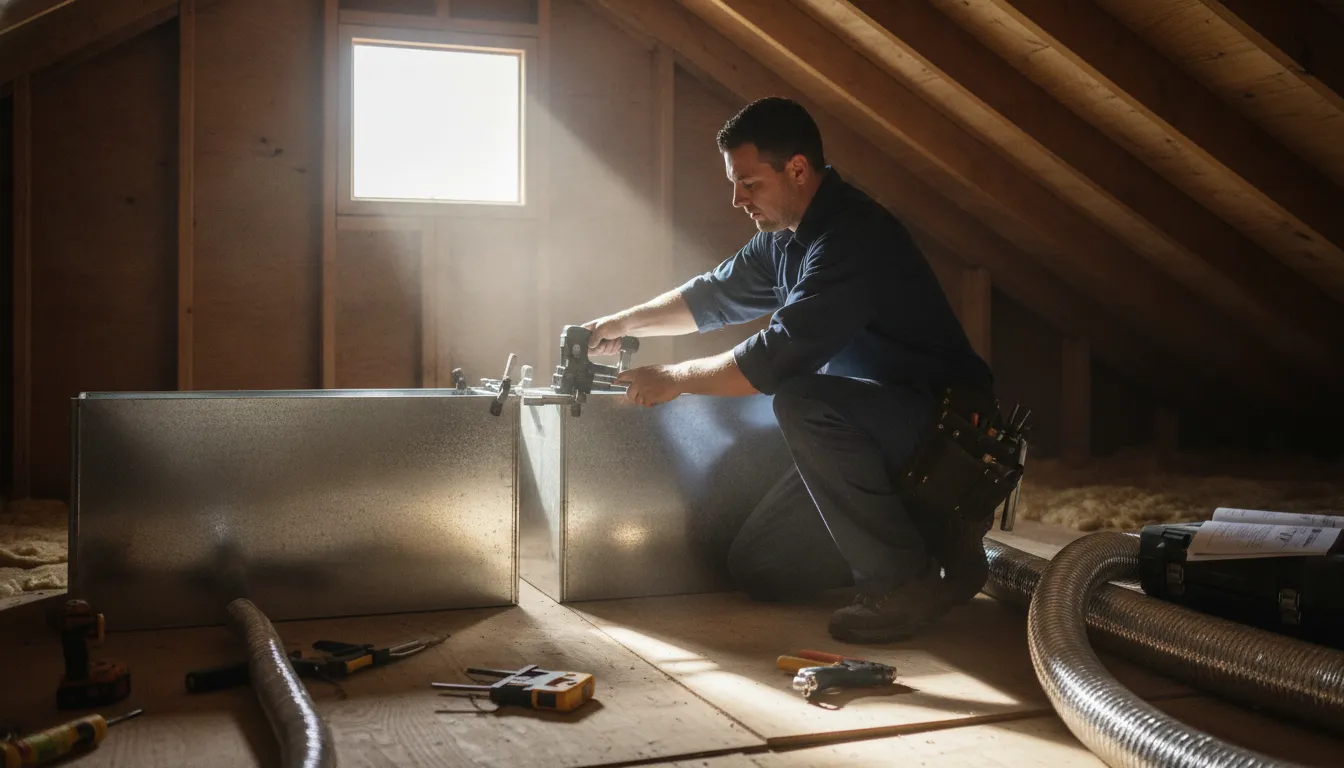
Speed should never come at the expense of correct sizing and commissioning. The U.S. Environmental Protection Agency reports that an improperly sized or installed air conditioner can lose up to 30 percent of its performance. Its guidance also connects improper refrigerant charge with problems ranging from reduced efficiency to complete system freeze-up. Oversized equipment may cycle too frequently, resulting in poor dehumidification and higher operating costs. These issues can create the worst kind of delay: a completed installation that requires troubleshooting and rework.
A quality installation includes matching equipment capacity to the space, verifying refrigerant charge, checking airflow, and testing the system before the crew leaves. The EPA identifies these checks as part of proper cooling-equipment installation: EPA installation guidance. Research published by the National Institute of Environmental Health Sciences likewise cautions that an efficiency label means little if the equipment is installed incorrectly: NIEHS efficiency and installation overview. In DFW, a detailed assessment and experienced installation team can help keep the project moving while protecting comfort, humidity control, and long-term reliability.
A standard replacement usually takes about four to eight hours when the existing ductwork, electrical service, and other system components are in good condition. The full process, including researching options, comparing quotes, choosing an installer, ordering equipment, and scheduling, can take anywhere from a few days to two weeks. Your home’s size, equipment selection, site conditions, and contractor availability can change that timeline. Sources: ENERGY STAR and Trane.
With usable ductwork and electrical infrastructure already in place, installation is often completed in one workday. The technician still needs to remove the old equipment, set the new indoor and outdoor components. Connect refrigerant and electrical lines, verify airflow and refrigerant charge, and test the system. If the inspection finds duct leaks, inadequate electrical capacity, or other repairs, the crew should explain the added work before proceeding.
Replacing both systems together generally takes longer than replacing an air conditioner alone. A commonly cited range is eight to fourteen hours, while projects that also require substantial ductwork or electrical upgrades may extend to a full day or several days. The installer should confirm whether the work can be completed in one visit and what temporary comfort arrangements may be needed. Source: U.S. Department of Energy.
Ask the installing technician before turning on the system, because the correct timing depends on the equipment and the completed commissioning checks. The crew should verify connections, airflow, thermostat operation, and refrigerant charge first. Once the technician confirms that testing is complete, follow the recommended thermostat settings and startup instructions rather than forcing the system to cool the space immediately.
A clear quote helps you understand the recommended equipment, project scope, and next steps before installation day. For a tailored timeline for your DFW home or business, get a quote for your AC installation or replacement from Garland Heating and Air Conditioning.
Prefer to talk it through? Contact the family-owned Garland Heating and Air Conditioning team at (972) 278-3500 by visiting our contact page to discuss your project and request a customized quote. You can also reach us online, and our DFW HVAC specialists can walk you through what to expect from assessment to the day cool air returns.
Garland Heating and Air Conditioning has served Dallas-Fort Worth since 1952 with certified, background-checked technicians, 24/7 emergency service, and same-day availability across the metroplex. Let us help you plan a smooth, well-timed AC replacement.