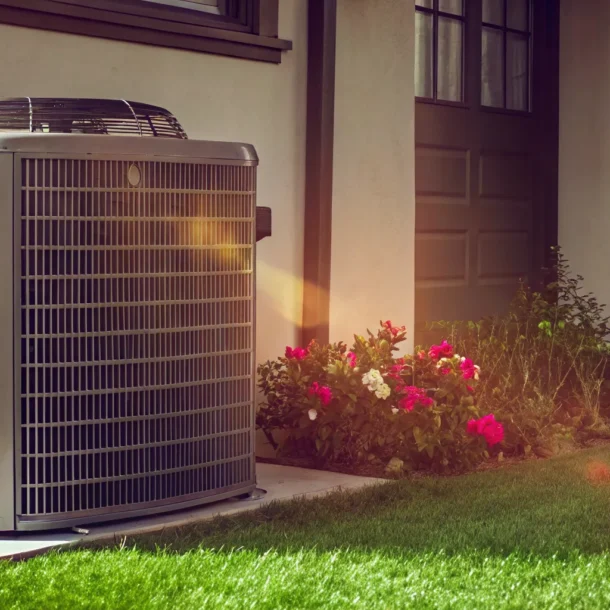

North Texas summers often reach 100 degrees for sixty days or more each year. This extreme heat forces local air conditioners to work at their limit for months. This heavy use can make a system fail years too early.
Get a free quote for a new, high-efficiency AC system designed for Texas heat. Get a free quote for AC installation and replacement →
How long does an AC unit last in Texas depends on heat stress and regular care, though most residential systems are built for 15 to 20 years. According to ASHRAE lifespan data, the extreme Dallas Fort Worth climate often limits this to 10 or 15 years due to the intense summer heat. The relentless summer heat puts heavy strain on the compressor and other vital parts of your system. If you do not schedule annual tune-ups, change filters monthly, and ensure professional installation, the life of your unit could drop more than you expect. Proper sizing from an expert also plays a major role in how many years of cooling service you get from your unit in the local area.
Most central air systems in the United States have a design life of 15 to 20 years. This number comes from the ASHRAE equipment life expectancy chart, which sets the rules for HVAC parts. But these numbers show a national norm based on mild states. In the Dallas-Fort Worth area, the harsh weather changes the math for homeowners. The truth is that most units in North Texas last between 10 and 15 years before they need to be replaced.
The climate in Texas is much tougher than in most other states. While a unit in a cooler spot might only run for a few hours a day, a Texas system works hard for months. The DFW climate forces cooling systems to work at peak capacity for extended periods. This sustained demand keeps the system cycling constantly to keep your home comfortable. The constant cycling and high load put a big strain on every inner part of the machine.
Garland Heating and Air Conditioning has seen how these conditions impact local systems since 1952. The mix of high heat and damp air means the cooling unit rarely gets a break during the peak months. Over ten years of these long summers, the wear and tear add up. This is why a unit that might last 20 years in a cooler state often starts to fail much sooner in Garland or Richardson. To protect your cost, you should look for ways to extend your AC unit’s lifespan through smart use and regular care.
Proper size and setup also play a huge role in how the unit handles this stress. A system that is too small will run forever and burn out its motor. A system that is too big will turn on and off too fast, which wears out the parts. As a family-owned team with over 70 years of local skill, we know how to match the right unit to your home. We know that a Texas AC unit needs to be tough and well-sized to survive our brutal July and August heat.
AC makers build most compressors to last for about 15 years under normal use. The compressor is the heart of your cooling system and moves the refrigerant through the coils. When it fails, the cost to fix it is often so high that buying a new unit makes more sense. In Texas, the high demand can cause these parts to wear out long before they hit that 15-year mark. Poor care or lack of service can cut that time even shorter. If a unit is not kept clean, it has to work even harder to fight the heat.
Regular checks by a pro can help you get the most out of your system. Small issues like low refrigerant levels or a dirty coil can lead to a total breakdown if you miss them. When your system starts to struggle or makes odd sounds, it is best to call for professional AC repair services right away. Catching a small problem early can prevent the main compressor from burning out. You cannot change the Texas weather, but you can control how well you care for the gear that keeps you cool.
Keeping up with your filters and clearing brush from around the outdoor unit also helps. When air cannot flow freely, the system heats up and the parts wear out fast. Taking these small steps can add years to the life of your unit. Our goal is to help you reach that 15-year mark despite the heat. By choosing a local team with deep roots in the area, you get the expert care needed for the unique tests of the DFW climate.
The climate in the Dallas Fort Worth area is uniquely hard on cooling systems. While a unit in a milder state might coast through the summer, a system here must fight high heat for many months. This constant strain is the main reason why choosing the right air conditioner for the local climate is so vital for long term success.
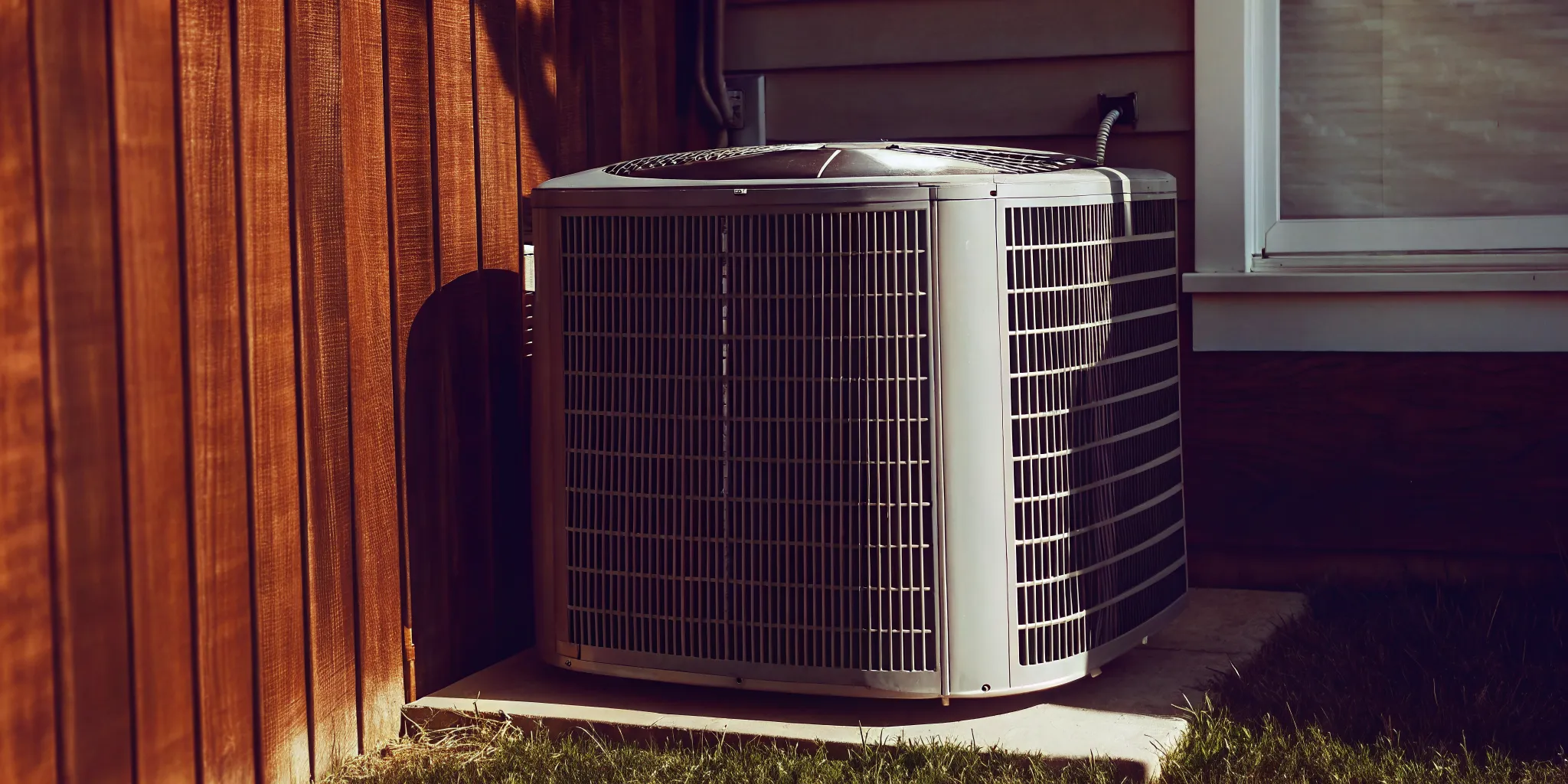
Texas summers routinely bring weeks of triple-digit heat. The National Weather Service reports the DFW area experiences more 100-degree days than most US cities. From May through September, temperatures stay above 95 degrees for long stretches, forcing your AC to run nearly all day.
When an AC unit runs for long hours, its parts wear down much faster. The compressor and fan motor face more friction and heat than they were built to handle. Over time, this heavy use can cut years off the life of the system. This is why how long does an AC unit last in Texas depends on how hard it has to work each year.
Cities like Garland, Richardson, and Plano deal with a fact known as the urban heat island effect. Concrete and roads soak up heat during the day and release it at night. According to the EPA, these urban zones can be 2 to 10 degrees warmer than the rural areas nearby. This extra heat means your unit never gets a chance to rest, even after the sun goes down.
The lack of a night cooldown puts even more stress on the machine. Most units are built to cycle on and off, which lets the parts cool down. In a hot city setting, the system may cycle too often or stay on for hours. This leads to early component failure and higher repair costs for local homeowners.
Weather patterns in North Texas are also changing. Experts find that extreme heat events are becoming more common and lasting longer. As these events grow more severe, your HVAC system will need more care to keep up with the rising load. Regular checks are the best way to extend your AC unit’s lifespan as the Texas sun gets even hotter.
Your air conditioner has a tough job in the DFW area. The local heat and humidity put a lot of pressure on the system every day. Many things decide how long a unit stays in good shape. By knowing these facts, you can make better choices to save money and stay cool. Here are the four main things that impact the life of your unit.
The life of your system starts the day a crew sets it up. If the team does a poor job, the unit will struggle for years. You must hire experts who know the local climate. Garland Heating and Air Conditioning has served North Texas since 1952. We make sure every unit is set up to handle our local weather.
Size also matters more than most people think. An AC that is too big will turn on and off too much. This causes parts to wear out fast. If it is too small, it will run all day and never cool the home. You should choose the right air conditioner that fits the size of your home. This helps the unit work at the right speed and last longer.
Regular care is the best way to keep a system running well. Many AC compressors are built to last 15 years. But without good care, they can fail much sooner. You should change your air filters every month to keep air moving. Blocked filters make the motor work too hard, which leads to early breaks.
You also need to keep the area around your unit clean. You should trim bushes and clean the cooling coils to let air flow freely. Expert tune-ups twice a year are also vital. A tech can find small leaks or worn parts before they cause a full system crash. This small step can add years to the life of your unit.
The way you use your cooling system directly affects how long it lasts. Running the unit at maximum capacity for months at a time adds significant wear. In DFW, the cooling season stretches from May through September, meaning your system cycles far more than in milder climates.
The number of times a unit cycles on and off also plays a role. If you set your thermostat very low, the unit must work harder to hit that goal. In DFW, the extreme heat drives up the demand for cooling. Constant cycles can stress the motor and other power parts. Keeping a steady setting can help reduce some of this daily strain.
Even the best units reach the end of their path. Most AC systems begin to lose efficiency after about 10 years. Parts like the fan motor or coils start to wear down from use. As these parts age, the unit uses more power to cool the same space. This makes your monthly bills go up over time.
The state of the unit is just as important as the age. A ten-year-old unit that had good care might run better than a newer one that was ignored. Part wear is a natural part of any cooling system. When repairs start to cost more than the unit is worth, it may be time for a change. Knowing the age of your system helps you plan for the future.
Texas heat puts a lot of stress on your home cooling system. Most people want to know how long does an AC unit last in Texas before they need to buy a new one. While a good unit can last 15 years, the DFW sun often cuts that time short. You should watch for clear signs that your system is failing. Catching these signs early can save you from a hot house in the peak of July.
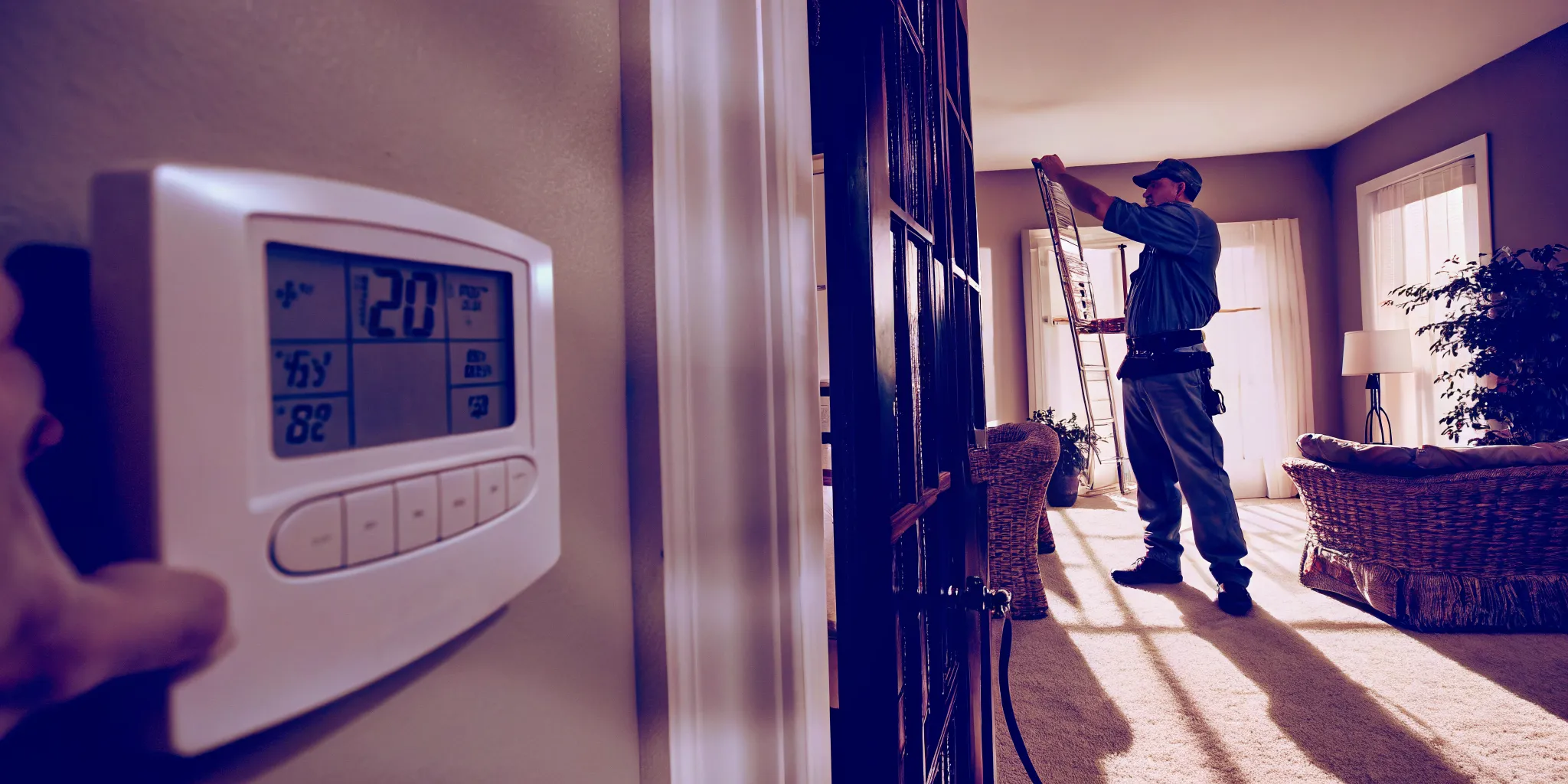
One of the first signs of an old AC is a jump in your power bill. As the system ages, it must work harder to cool your home. This extra work uses more energy and costs you more money each month. Many units start to lose their cooling power after they hit the 10-year mark. This is a key time to look at the health of your system.
Part wear is a big reason for this drop in power. Parts like the motor and the compressor start to fail over time. This wear leads to a steady loss of cooling power as the years go by. You can find more facts on how AC efficiency drops from experts at RSI. If you see your bills going up every summer, your unit might be near its end.
Does your living room stay hot while your bedroom feels like ice? Uneven cooling is a classic sign of a dying AC. The system may lack the power to push air through your whole house. You might also notice the unit turns on and off too often. This is called short cycling. It happens when the AC cannot maintain a steady temperature.
You should also listen for odd sounds. Healthy units should run with a low hum. If you hear grinding, squealing, or banging, call a pro right away. These sounds often mean a part is loose or broken. If you need help, you can book professional AC repair services to check the unit. They can tell you if a simple fix will work or if you need a new system.
The age of your unit often dictates what type of refrigerant it uses. Many older systems use a gas called R-22. This gas is no longer made or sold in large amounts. Because it is rare, the price to fix a leak is high. Some people try to use other types instead of the right gas. The EPA notes that using the wrong refrigerant, such as propane-based 22a, is risky. It can damage the unit or even cause a fire.
If your AC needs more refrigerant every year, it has a leak. Fixing leaks in an old unit is often not worth the cost. At this point, the money is better spent on a new, high-efficiency model. A new unit will use less power and keep your home much cooler. It will also come with a warranty to give you peace of mind during the hot Texas summers.
Do you have your repair tech on speed dial? If you fix your AC more than once a season, the end is likely near. Small fixes add up fast. You might pay for a new fan motor one month and a start kit the next. These costs can soon reach half the price of a new system. Most experts say that if a repair costs more than half the value of the unit, you should replace it.
A trusty AC is a must in Garland and Plano. You do not want to wait for the system to die before you act. A dead unit in a Texas heat wave is a real crisis. By watching for these signs, you can plan your next move. Garland Heating and Air Conditioning can help you choose the best unit for your home without the stress of a breakdown.
Deciding between a repair and a full replacement is a big choice for any homeowner. In the DFW area, the choice often comes down to age, cost, and how well the unit cools your home. If your unit is older and breaks down often, it may be time to look at AC installation and replacement options.
One common way to decide is to use the $5,000 rule. To use this, multiply the age of your unit by the cost of the repair. If the total is more than $5,000, you should likely buy a new unit. If the total is less, a repair might be the better path for now.
| Factor | Repair | Replace |
|---|---|---|
| Unit age | Under 10 years old | 10 years or older |
| Repair frequency | First repair in 2+ years | Two or more repairs per season |
| Cooling performance | Cools evenly and quickly | Uneven temps, struggles on hot days |
| Energy bills | Stable or slight increase | Steady rise of 20% or more |
| $5,000 rule | Age x repair cost under $5,000 | Age x repair cost over $5,000 |
| Refrigerant type | Uses R-410A (modern) | Uses R-22 (phased out) |
Age is a key part of this math because most units in Texas last about 10 to 15 years. Units that are over 10 years old often have frequent breakdowns. In these cases, it is often more cost-effective to replace the system rather than pay for many small fixes, according to industry experts.
Many air conditioners start to lose efficiency once they reach the 10-year mark. This drop in performance serves as a vital benchmark for owners. When a unit uses more power to give less cool air, your monthly bills will rise. This happens because parts wear out and can no longer meet high demand.
A loss of efficiency is a sign that major repairs or a full swap are near. You can find more data on how efficiency declines over time from technical schools. If your unit is at this age, a new system with a higher SEER2 rating could save you money each month on your power bill.
It is best to plan for a new unit before your current one fails completely. When you plan ahead, you have time to research and find the best fit for your home. Reactive repairs often happen during the hottest weeks of the year when you need cool air the most. This can lead to long wait times and high costs for emergency work.
ASHRAE, a top trade group, notes that planning for replacement based on age and performance helps reduce downtime. By acting before a total failure, you can choose a system that meets your needs. If you are unsure about your unit, you can call for professional AC repair services to get a full check. Garland Heating and Air Conditioning can give you a professional assessment and a free quote for a new system.
Texas heat is tough on your cooling system. When you live in the DFW area, you deal with many days of high heat each year. This stress makes you ask how long does an AC unit last in Texas when it runs all day. While the local weather is harsh, you can take simple steps to help your unit stay strong for years. Good care is the best way to get the most value from your system.
Small tasks make a big difference for your comfort. You should focus on keeping air moving freely through your home. Blocked filters or dirty parts force the motor to work harder. This leads to early failure and higher costs. By staying on top of these chores, you can extend your AC unit’s lifespan and keep your bills low. Clear air flow is the key to a long-lasting machine.
Expert care is just as vital as your home tasks. Most pros recommend a full check-up before the summer heat hits. A spring visit lets a tech find small problems before they turn into big breaks. The EPA suggests annual check-ups to make sure your home cooling system is ready for peak heat. This smart step helps you avoid the stress of a system failure in July.
Garland Heating and Air Conditioning has helped DFW families stay cool since 1952. Our team knows how to spot the early signs of wear that Texas heat causes. We offer 24/7 emergency service if your unit stops working when you need it most. Regular service is the best tool to keep your home cool all summer long. When you take care of your system, it takes care of you.
Most central air systems in the Dallas area last about 10 to 15 years. While units are built to run for 15 to 20 years according to ASHRAE, extreme heat in Texas adds heavy stress. High use during hot summers causes parts to wear out faster than in cooler states.
It is rarely worth fixing a unit that is 20 years old. Most systems lose a lot of their power and efficiency after 10 years. Large repairs on an old unit often cost more than a new one in the long run. New systems also save money on monthly bills by using less energy to cool your home.
The $5000 rule helps you decide when to replace your system. You multiply the age of the unit by the cost of the repair. If the total is over $5,000, it is usually better to get a new unit. This rule helps homeowners avoid spending too much on a system that is near the end of its life.
Texas weather features 40 to 60 days per year with heat over 100 degrees. This extreme heat makes the system work much harder and for longer hours. According to the EPA, urban areas can also be up to 10 degrees warmer than rural spots. This extra heat causes components like the compressor to fail sooner.
The best way to help your system last is with regular care. You should change your air filters often and clear dirt from the outdoor unit. Experts recommend getting a professional tune-up every year before the summer heat starts. Good care keeps the system running well and helps to extend your AC unit’s lifespan.
An old air conditioner will work harder and cost much more to run each month as it nears the end of its useful service life. If you wait for your system to fail during a DFW heat wave, you might wait a long time for a repair crew to arrive. Avoid the stress of a hot home and high repair costs by planning your replacement with Garland Heating and Air Conditioning today.
Ready to get a free quote for AC installation and replacement? Get a free quote for AC installation and replacement to schedule your project. Call our local team to get the expert help you need today.