A loud hum from your outdoor unit often means your AC is struggling to start. This sound is a common sign that a small part has failed. We can help you find the fix before your home gets too hot.
The most common **bad AC capacitor symptoms** include a loud humming sound from the outdoor unit. You might also notice warm air blowing from vents or an AC that takes too long to start. This part acts like a power pack that gives your system the surge of energy it needs to start. When it fails, your AC unit may click but never fully start, which puts stress on the compressor. According to Bryant, failed capacitors cause about seven out of ten AC repair calls. Other signs include a burning smell or a sudden rise in your power bill. If you notice these issues, seek expert help to avoid damage. Garland Heating and Air Conditioning provides fast care to get your cooling back on track.
Need immediate AC repair? Call Now to schedule professional AC capacitor diagnostics and repair with Garland Heating and Air Conditioning!
You need to know how these parts work to keep your home cool and spot small issues before they turn into costly repairs. To get started, you should first ask: **What is an AC Capacitor and What Does It Do?** The answer begins with understanding how this part functions.
An air conditioner capacitor is a small electrical part that stores power for your cooling unit. It works much like a battery but releases its energy in a quick burst. This surge of power gives the motors the push they need to start running. Without this part, your AC unit could not get through the tough job of starting up in the North Texas heat.
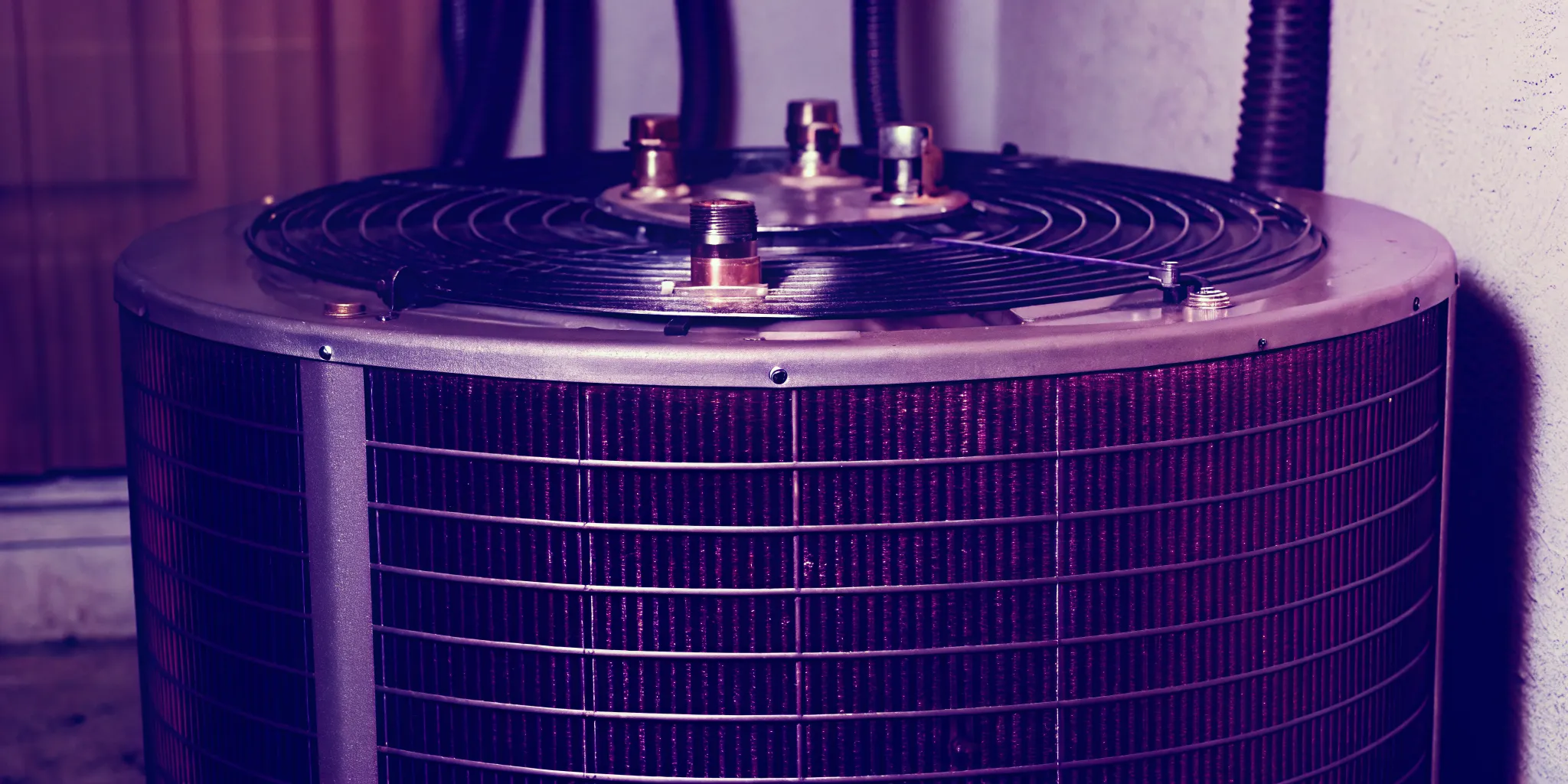
The main job of a capacitor is to start the compressor and the fan motor. When your AC first turns on, it needs a lot of power to get moving. This part gives a power surge that is often three to five times higher than what the unit needs to stay running. If the part starts to fail, you may notice bad AC capacitor symptoms like humming noises or a system that will not kick on.
Because these parts handle so much power, they can be the source of many common repair calls. In fact, many experts say that bad capacitors are among the most common reasons for an AC service visit. It is a small part that does a very big job for your home comfort.
When a capacitor starts to go out, you might notice these signs:
You might have a single or dual run capacitor in your system. A single run part helps just one motor, like the fan or the compressor. A dual run capacitor is more common and helps both of those motors at the same time. These dual parts save space and help the system run more smoothly.
Most modern homes in the Dallas-Fort Worth area use these dual parts. They are built to be tough, but the constant work can wear them out. When one side of a dual capacitor fails, the whole part usually needs to be swapped out by a pro. This keeps the way the electrical parts work at its best.
In places like Garland and Plano, high heat is a main cause of part failure. High heat from the sun can make the inner wrap inside electrical parts break down faster. Over time, the materials inside the capacitor simply wear out and can no longer hold a charge.
While a well-kept part can last many years, the heavy load of a Texas summer can shorten that life. Regular check-ups can help find a weak part before it stops working. If you think your unit is struggling, it is best to call for professional AC capacitor repair to keep your home cool and safe.
Your AC unit needs a small part to start its motor. This part is the capacitor. It acts like a battery to give the unit a big kick of power. In fact, it sends a surge of energy that is three to five times the normal load to get the compressor going. When this part fails, your home can get hot fast. Spotting bad AC capacitor symptoms early helps you fix the issue before the whole system stops.
A failed part is a common reason for a house call. Some pros say these parts cause nearly 7 out of 10 repair visits. In the DFW area, the harsh summer heat is a big factor. High heat can lead to thermal degradation of the stuff inside the part. When the inner layers break down, the part can no longer do its job. If you see these signs, you should book an AC repair service right away.
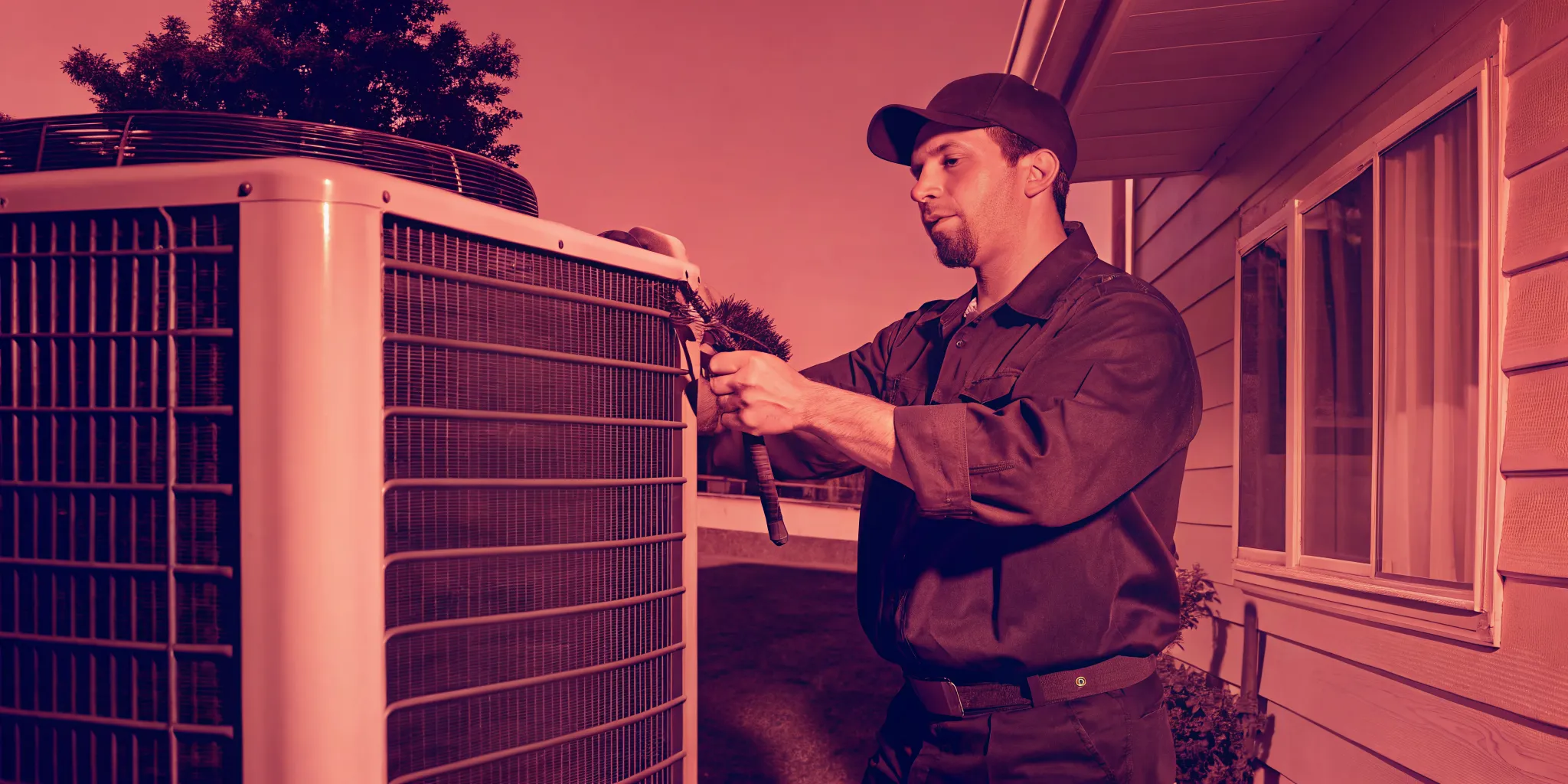
Heat is the top enemy of the power parts in your AC. In cities like Garland and Plano, summer temps often stay above 100 degrees for many days. This heat causes the oil and film inside the part to break down over time. Once the part gets too hot, it may bulge or leak. This is a clear sign it is about to fail. Checking these parts is a key step during a regular bad AC capacitor symptoms check.
You should never try to swap this part on your own. It holds a high-voltage charge even with the power off. This can be very dangerous if you do not have the right tools. Our team at Garland Heating and Air Conditioning has the skills to handle these repairs. We have served the local area since 1952 and know how to keep your home cool. Getting a pro to look at your unit can save you from a big motor failure later on.
A capacitor is a small, silver cylinder that sits inside your outdoor unit. Its job is to store and give off energy to start your cooling system. When it works well, your AC starts fast and runs with little noise. But when you spot bad AC capacitor symptoms, your system may struggle to cool your home or fail to start at all.
You can often see when a capacitor starts to fail. A healthy one has a flat top and straight sides. It looks like a clean soda can. Over time, high heat can cause the part to swell. This leads to a bulging or domed top. In some cases, oil may leak from the part. This is a clear sign you need an AC repair service.
Stress and age can also cause the metal to rust. These changes happen because of thermal degradation of the parts inside. If you see a leak or a bulge, the part is no longer safe to use. Garland Heating and Air Conditioning can help you find the right fit for your unit.
A failing capacitor changes how your AC sounds and feels. A good part gives the system a quick surge to start the motor. A weak one makes the system work much harder. You might hear a loud hum as the motor tries to turn. If the part fails, your AC might blow warm air because the compressor cannot start. This is one of the bad AC capacitor symptoms that many people miss.
| Feature. | Healthy Capacitor. | Failing Capacitor. |
|---|---|---|
| Top Shape. | Flat and level. | Bulged or swollen. |
| Body State. | Clean and dry. | Leaking oil or rusted. |
| System Start. | Quick and smooth. | Hard start or hum noise. |
| Air Flow. | Cool and steady. | Warm or room-temp air. |
| Energy Use. | Normal and low. | Big spikes in power bills. |
Heat is the biggest enemy of your AC parts. During a hot North Texas summer, the air inside your unit can get very hot. This heat speeds up the rate of electrical insulation degradation in the part. Power surges and loose wires can also cause a failure. While some parts can last for years, most need a check every spring. Regular AC system maintenance helps you find these issues before they stop your cooling. Garland Heating and Air Conditioning gives expert care to keep your home cool all year long.
Your air conditioner relies on a small but vital part to start its heavy motors. This part is the capacitor. It holds a charge and sends a high-voltage burst to get the system moving. When it fails, you may notice bad AC capacitor symptoms like humming sounds or warm air. Many things can cause this part to break down over time. Garland Heating and Air Conditioning can find these issues during a routine check.
Texas summers are hard on electrical parts. The heat in a Dallas attic or outside unit can climb very high during July and August. This heat causes the coating inside the part to break down. This process is called thermal degradation. High heat levels are a key factor that speeds up the failure rate of these parts. When the heat is too much, the part can no longer hold the charge it needs to work. This often leads to a system that will not start at all. Your AC unit must work harder in the heat, which adds even more stress to the part.
Power surges and loose wires are also common causes. A power surge from a storm or a grid spike can hit the unit with too much voltage. This sudden hit can burn out the capacitor fast. Loose wires can also cause big problems. If a connection is not tight, it creates extra heat and resistance. This stress wears the part out much faster than normal. Safe work for these systems depends on strong high-voltage film capacitors that can handle the load. Small sparks from loose wires can slowly damage the part over many months.
Even with good care, every part has a limit. Most capacitors are built to last a long time, but they still age. The natural and inner bits inside break down as they are used year after year. This aging is a slow process that gets faster with high heat and electrical stress. In the Dallas Fort Worth area, we see many parts fail after 10 to 15 years of use. Routine checks can help find a weak part before it dies and leaves you in the heat. Staying on top of system care helps you keep your home cool and safe all summer long.
You should not try to run your air conditioner if you think a part has failed. While a system might run for a short time, doing so puts your unit at risk. A bad capacitor cannot give the power boost needed to start the motors. This stress makes the compressor and fan motor work too hard, which often leads to a break. If you notice bad AC capacitor symptoms, turn the unit off right away.
The compressor is the heart of your cooling system. It is also the most expensive part to fix. When a capacitor fails, the compressor may struggle to start or turn on and off too fast. This struggle makes high heat that can burn out the motor. Research shows that heat is a main cause that speeds up the rate of electrical insulation failure in parts. Running the unit with a weak start can turn a small fix into a big bill.
Don’t risk damaging your AC compressor. Schedule professional AC repair today to avoid expensive failures!
The outdoor fan motor also needs a capacitor to spin the blades. These blades pull heat away from your home. If the fan does not spin at the right speed, the whole system will overheat. This extra strain can melt wires or cause a short in the motor. Good AC system maintenance helps find these weak parts before they break. Experts at the National Institute of Standards and Technology say that regular checks are key to a long life for your system.
A bad capacitor makes your system use much more power to do the same job. You might see a big jump in your bills as the unit runs longer and works harder to cool your home. More importantly, these parts hold a high charge even after you turn off the power. Because of this risk, you should call for professional AC capacitor repair. Our team at Garland Heating and Air Conditioning can safely swap the part to get your home cool again.
An air unit may run with a weak part, but it will find it hard to start. If the part breaks, the fan or compressor motors will not turn on. This can cause the motor to burn out if it tries to run without enough power. Based on Chapman Heating, a bad part is a top cause of warm air or a system that will not start at all.
A tech uses a tool called a multimeter to test this part. First, they look for clear signs of a break, like a top that bulges or leaks oil. Then, they use the tool to check if the part still holds the right charge. Since these parts store high voltage, this test is not safe for home owners. A pro from Garland Heating and Air Conditioning can find the fault fast during a spring check-up.
It is not safe to swap this part on your own. These parts hold a high-voltage charge even after you turn off the power to your home. If you touch the wrong lead, you could get a bad shock. Expert help is needed to drain the power and install the right new part. As noted by experts, expert repair is the best way to keep your system and your family safe.
If you do not fix a bad part, you could face a much larger repair bill. A weak capacitor makes your fan and compressor motors work much harder. This extra stress can cause those motors to burn out. A new motor costs far more than a simple capacitor swap. Regular care and fast AC repair service will help you avoid the cost of a full system swap.
Leaving a weak capacitor alone can cause your AC compressor to burn out or lead to other major electrical parts failing in your home unit. Taking action now keeps your home cool during a hot Texas summer and stops your cooling bills from going up due to a struggling air unit. Our local team can reach your house very fast to find the problem and provide professional AC capacitor repair with honest work and fair prices.
Ready to get your home cool again before the next heat wave hits the Dallas-Fort Worth area? Contact Garland Heating and Air Conditioning today to schedule professional AC diagnostics and repair!