If your winter survival strategy involves a collection of mismatched space heaters and a pile of blankets, it might be time for an upgrade. While that old portable heater might take the edge off a chilly room, it could be costing you a fortune in electricity without really making you comfortable. A modern heater isn’t just about producing heat; it’s about doing it efficiently, safely, and reliably. Whether you’re looking to warm up a drafty home office or considering a whole-home solution, understanding your options is the first step. Let’s explore what makes a great heater and determine if your current setup is truly getting the job done.
Choosing a heater can feel overwhelming with so many options on the market. But it really comes down to what you need to heat and how you want to heat it. Are you trying to warm up a chilly home office, or do you need a powerful solution for a whole building? Each type of heater has its own strengths. Let’s walk through the most common options so you can find the perfect fit for your space and your budget. From small, portable units to whole-home systems, understanding the basics is the first step to staying warm and comfortable.
If you just need to warm up a single room, an electric heater is often the simplest solution. Think of them for taking the chill out of a bedroom, home office, or bathroom. They are typically lightweight, portable, and just need a standard wall outlet to work. Most models come with adjustable thermostats and are very quiet, so they won’t disrupt your sleep or your work-from-home concentration. While they are convenient for supplemental heat, keep in mind that relying on them to heat your entire home can get expensive on your electricity bill. They are best used for targeted warmth right where you need it.
When you need serious heating power, especially in areas without electricity, gas and propane heaters are the heavy lifters. These are fantastic for outdoor patios, workshops, or construction sites. Because they generate a lot of heat quickly, they are also a reliable option for emergency heating during a power outage. It’s important to remember that these heaters require proper ventilation since they consume oxygen and produce combustion byproducts. They are generally not intended for use in enclosed, unventilated living spaces, so always follow the manufacturer’s safety guidelines carefully.
Infrared heaters work a little differently than traditional heaters. Instead of just warming the air, they radiate heat that warms up the objects and people in the room directly, much like the sun does. This creates a feeling of warmth that can feel more immediate and pleasant. Because they heat surfaces, not just the air, they can be more efficient in rooms with high ceilings or drafty spots. This method of heating also avoids circulating dust and allergens, which is a great benefit for anyone with allergies or sensitivities. They offer a gentle, consistent heat that many people find very comfortable.
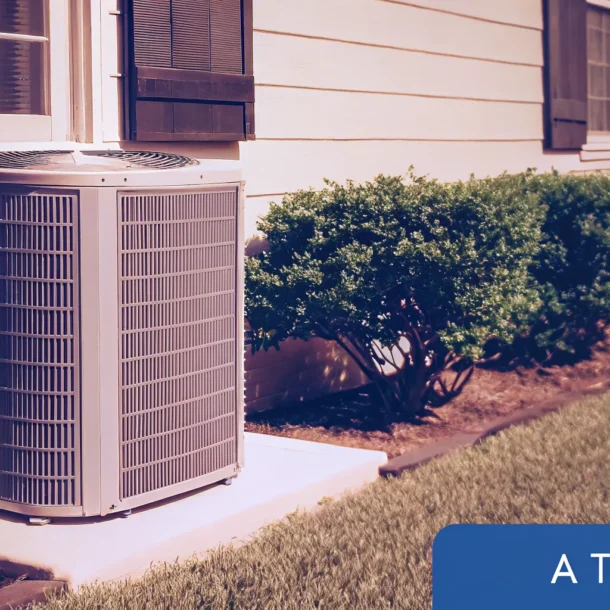
A heat pump is an incredibly efficient all-in-one system for year-round comfort. Instead of generating heat, it cleverly moves it from one place to another. In the winter, it pulls heat from the outside air (yes, even when it’s cold) and transfers it inside. In the summer, it reverses the process to cool your home. Because they transfer heat rather than creating it, they use significantly less energy than furnaces or electric heaters. If you’re looking for a single system to handle both your heating and cooling needs, a heat pump is an excellent investment. Regular service is key to keeping them running efficiently, so it’s wise to have an expert perform heat pump repair and maintenance.
Oil-filled radiant heaters are the silent workhorses of the portable heater world. They work by heating a special oil sealed inside the unit, which then radiates warmth into the room. They are completely silent, making them a perfect choice for bedrooms or quiet offices. One of their best features is that they continue to release heat for a while even after they’ve been turned off, as the oil cools down slowly. This provides a gentle, sustained warmth that is very different from the blast of hot air you get from a fan heater. They are a safe and effective way to maintain a comfortable temperature in a single room.
For large, open spaces like a garage, barn, or a commercial job site, you need a heater that can move a lot of air. That’s where portable forced air heaters come in. These rugged units are designed to quickly bring up the temperature in big, drafty areas. They use a fan to push air across a heating element, distributing warmth rapidly and effectively. While they are too powerful and noisy for a typical living room, they are the perfect solution for workshops or industrial settings. For businesses needing to heat large areas, these can be a practical part of your overall commercial AC and heating services.
Choosing the right size heater is about more than just picking the most powerful one. A heater that’s too big for your space will cycle on and off frequently, wasting energy and causing uncomfortable temperature swings. On the other hand, a unit that’s too small will run constantly without ever making the room feel warm, driving up your energy bills. Finding that “just right” fit ensures your space stays consistently comfortable and your heater operates efficiently. Let’s walk through how to match a heater to your specific needs, whether you’re warming up a chilly bedroom or an entire commercial warehouse.
When you start shopping for heaters, you’ll see the term “BTU” everywhere. BTU stands for British Thermal Unit, and it’s simply a way to measure heat output. The higher the BTU rating, the more heat the unit can produce. To find the right match, you need to consider the size of your room. A good rule of thumb is that small rooms around 150 square feet or less need about 5,000 to 10,000 BTUs. For medium rooms between 150 and 400 square feet, look for something in the 10,000 to 20,000 BTU range. If you have a large, open-concept living area or a space over 400 square feet, you’ll likely need a heater with 20,000 BTUs or more.
Are you trying to make a drafty home office cozier, or are you looking for a solution to heat your entire house? Your answer changes the game. Small space heaters are fantastic for supplemental or occasional heating in a single room. According to the Department of Energy, they can be very effective when used correctly. However, if you find yourself running multiple space heaters all winter, it might be time to consider a more permanent, whole-home solution. A central system or a heat pump installation is often more efficient and cost-effective in the long run than trying to heat an entire house one room at a time.
The right heater for your home office is probably not the right one for a large, airy workshop or restaurant patio. The power source and design matter. Electric heaters are a popular choice for homes because they are clean, quiet, and easy to use indoors. For businesses, especially those with large, open, or outdoor spaces, propane or kerosene heaters often make more sense. They can generate a massive amount of heat needed for warehouses or construction sites. When choosing for a commercial space, you have to think about ventilation and the scale of the heating challenge, which is where professional commercial services can provide critical guidance.
Once you’ve figured out the right type and size of heater for your space, it’s time to compare the features. Think of this as customizing your comfort. The right features can make your life easier, lower your energy bills, and keep your home feeling just right all winter. Instead of getting bogged down in technical jargon, focus on these five key areas to find a heater that truly fits your needs and lifestyle.
An energy-efficient heater isn’t just good for the planet; it’s great for your wallet. When you’re looking at central furnaces, you’ll see an Annual Fuel Utilization Efficiency (AFUE) rating. This percentage tells you how much fuel is converted into heat. An 80% AFUE rating means 80% of the fuel becomes heat, while the other 20% is lost. For heat pumps, look for the Heating Seasonal Performance Factor (HSPF). The higher the AFUE or HSPF rating, the more you’ll save on your monthly bills. Choosing a high-efficiency model is a key part of any new heating installation and replacement, ensuring you get long-term value.
How you control your heater is just as important as the heater itself. While basic models come with manual dials, investing in a programmable thermostat is a game-changer. These devices let you set a heating schedule that matches your routine, so you aren’t wasting energy heating an empty house. Smart thermostats take it a step further, learning your habits and allowing you to adjust the temperature from your phone. Upgrading your thermostat is a simple way to gain more control over your home’s comfort and energy usage.
Your heater’s installation needs will depend entirely on the type you choose. Portable electric heaters offer the ultimate convenience: just plug one into an outlet, and you’re good to go. They are perfect for warming up a single chilly room or a garage. On the other hand, a central heating system or a heat pump requires professional installation to ensure it operates safely and efficiently. While the upfront work is more involved, a professionally installed system provides consistent, whole-home comfort that a portable unit can’t match. Our team handles new AC installation and replacement with the same expertise we bring to heating systems.
Modern heaters come packed with features designed for convenience. Many models now include remote controls and timers, so you can adjust settings from across the room or schedule shut-offs. Wi-Fi-enabled heaters with dedicated apps give you even more freedom, allowing you to turn on the heat on your way home from work or check the temperature from another room. These smart controls aren’t just for show; they help you fine-tune your energy use by ensuring your heater only runs when you truly need it.
A heater should warm your home, not disrupt it. Noise level is an often-overlooked feature that can make a big difference in your daily life, especially if the heater is in a bedroom or office. Noise is measured in decibels (dBA), and many manufacturers list this rating in the product specifications; a lower number means a quieter unit. While most modern heaters are designed to run quietly, a sudden increase in noise from your existing system can be a sign that it’s time for a check-up. Regular expert heat pump repair and maintenance can keep your system running smoothly and silently.
When you’re buying a heater, the brand name matters. It’s more than just a logo on a box; it’s a signal of quality, reliability, and the company’s commitment to safety. With so many options out there, sticking with a reputable brand gives you peace of mind that your heater will perform well and last for years. Some brands are masters of the portable space heater, perfect for warming up a drafty office or bedroom. Others build heavy-duty systems designed to heat entire homes or commercial buildings.
While a portable heater is a great tool for targeted warmth, it’s often a temporary fix for a larger problem. If you find yourself constantly moving a space heater from room to room, it might be time to consider a more permanent, whole-home solution. A professionally installed central heating system provides consistent, efficient warmth everywhere you need it. We’ll look at some top brands for portable heaters, but for a lasting upgrade to your home’s comfort, a professional heating installation is the best investment you can make.
Honeywell is a name that’s practically synonymous with home comfort and control. They’ve built a solid reputation for reliable and efficient heating solutions, and their portable heaters are no exception. What I really appreciate about Honeywell is their strong emphasis on safety. Many of their heaters include essential features like overheat protection and tip-over switches, which is incredibly important for homes with kids or pets. You’ll often see them topping the best-seller lists for indoor space heaters for this very reason. Their long history with thermostats also shows their deep understanding of what it takes to create a comfortable and safe indoor environment.
If you’ve ever shopped for a space heater, you’ve likely come across Lasko. They are a well-regarded brand known for offering a wide variety of models, from compact ceramic heaters to oscillating tower heaters that distribute warmth across a room. Lasko heaters are often praised for their straightforward, user-friendly designs and dependable performance. They are a go-to choice for anyone needing a simple and effective way to add extra warmth without a lot of fuss. Because their products are consistently recognized for performance and safety in expert tests, you can feel confident you’re getting a solid, reliable appliance.
For those who believe appliances should be as stylish as they are functional, De’Longhi is a brand to know. They offer a range of high-quality heaters, including sleek oil-filled radiators and ceramic models that blend seamlessly into your home decor. De’Longhi is recognized for its effective heating capabilities paired with elegant Italian design, proving that you don’t have to sacrifice aesthetics for warmth. It’s no surprise that home decor experts at The Spruce often recommend their heaters for this perfect marriage of style and function. A De’Longhi heater can feel less like a utility and more like a piece of furniture.
Dreo has quickly made a name for itself by bringing modern technology to the world of space heaters. If you love smart home gadgets and convenience, this is a brand to watch. Dreo’s innovative heaters often feature advanced technology like smart thermostats that maintain a precise temperature, app integration, and remote controls. This focus on user convenience has made them a top choice for modern homes, and you’ll frequently see them on Amazon’s best-seller lists. Their efficient designs are built to provide powerful warmth while giving you complete control, whether you’re across the room or across town.
While the other brands on this list are fantastic for residential rooms, Qmark and Marley specialize in more robust heating solutions. These brands are known for their durable and efficient heaters designed for commercial, industrial, and large residential spaces like garages or workshops. You’ll find their electric heaters in settings that require serious, reliable warmth. If you’re a business owner or need to heat a larger, more demanding area, these brands offer the kind of heavy-duty performance you need. For these types of applications, professional advice and installation are key to ensuring safety and efficiency, which is where our expertise in commercial services comes in.
When you start shopping for a portable heater, you’ll see a lot of the same names and models pop up. While a space heater can be a great temporary fix for a drafty room, it’s helpful to see how they stack up against each other and how they compare to a whole-home solution. Let’s break down what you can expect from popular portable heaters in terms of power, price, and what other owners have to say.
How well a heater actually heats is, of course, the most important factor. Testing labs often measure this by seeing how much a heater can raise the temperature of a standard-sized room (around 200 square feet) in about 15 minutes. Some of the most powerful portable units can increase a room’s temperature by over six degrees in that time, which is great for warming up a chilly office or bedroom. However, if you need consistent and powerful warmth throughout your entire home, a portable unit will struggle. For that kind of performance, a professionally installed central heating system is the only way to guarantee powerful, even heat in every room.
You don’t need to break the bank to get a little extra warmth. Most effective portable space heaters cost less than $100, making them an accessible option for many. Budget-friendly models are known for providing quick, direct heat for a very low price. While these are great for personal use, remember that the upfront cost is just one part of the equation. A less efficient portable heater can drive up your electricity bill over time. Investing in a high-efficiency central heating unit or a heat pump has a higher initial cost but often leads to significant long-term savings on your energy bills.
Reading reviews is a great way to get a feel for a heater’s real-world performance. You’ll find that owners often praise brands like Dreo and Shark for their reliability and features. One of the biggest factors in owner satisfaction, and one you might not think about until it’s too late, is noise. A loud, rattling heater can be incredibly disruptive, whether you’re trying to work or sleep. Reputable testing organizations like Consumer Reports even include noise level in their ratings. If your current central heating system is making more noise than it used to, it might be a sign that it’s time for a check-up. Regular maintenance can keep your system running quietly and efficiently for years.
Once you’ve found a heater that fits your space and budget, the most important consideration is using it safely. While modern heaters come with many safety certifications, user error is still a leading cause of accidents. Keeping your home warm shouldn’t come at the expense of your peace of mind. Following a few simple rules can make all the difference in preventing fires, electrical issues, and other hazards.
Whether you’re using a small portable unit to warm up a chilly office or relying on a central system, these safety practices are universal. Think of them as the non-negotiable habits that keep you and your family safe all winter long. From giving your heater enough breathing room to knowing the signs of a ventilation problem, these tips will help you stay cozy and secure. For your home’s main system, the best safety guarantee is always an annual professional maintenance check.
One of the easiest and most critical safety rules is the “three-foot rule.” You should always keep your portable heater at least three feet away from anything that can burn. This includes furniture, curtains, bedding, rugs, and even stacks of paper. This clear zone ensures that heat can circulate properly without creating a fire hazard. It’s also a good idea to place your heater on a flat, stable, and hard surface where it won’t be easily knocked over. Never place a heater on top of furniture or under a desk where it could overheat or ignite nearby items.
Proper ventilation is crucial, especially if you use any type of fuel-burning heater. Unvented combustion heaters, for example, can release dangerous gases like carbon monoxide (CO) directly into your home. CO is colorless and odorless, making it impossible to detect without a dedicated alarm. For this reason, these types of heaters are not recommended for indoor use. Always ensure your home has working carbon monoxide detectors, and if you have any concerns about your central heating system’s ventilation, it’s best to have a professional inspect your heating installation.
When it comes to electrical heaters, how you plug them in matters. Always plug your heater directly into a wall outlet. Avoid using extension cords or power strips, as they can overheat and create a serious fire risk. If you absolutely must use an extension cord, make sure it is a heavy-duty cord (14-gauge wire or larger) rated for the amperage of your heater. Even then, the cord should be as short as possible and should not be run under rugs or furniture where it can be damaged or overheat.
When shopping for a new portable heater, look for models with built-in safety mechanisms. The U.S. Department of Energy highlights several important safety features to prioritize. A tip-over switch is a great feature, especially in homes with children or pets; it automatically turns the unit off if it gets knocked over. Overheat protection is another essential function that shuts the heater down if its internal components get too hot. These features provide an extra layer of protection against common accidents and are standard on most reputable modern heaters.
When it comes to keeping your home warm, there are plenty of old wives’ tales and misconceptions floating around. Believing them can do more than just leave you chilly; it can cost you money on your energy bills and even shorten the life of your heater. Let’s clear the air and tackle some of the most common heater myths so you can make smarter, safer, and more efficient choices for your home.
It’s a cold day, you just got home, and you want to get comfortable fast. It’s tempting to crank the thermostat up to 85 degrees, thinking it will act like a turbo button for your heater. Unfortunately, that’s not how it works. Your furnace or heat pump produces heat at a steady, constant rate. Setting the thermostat to a much higher temperature doesn’t make it work faster; it just tells the system to run for a longer period until it reaches that higher set point. This extra runtime wastes energy and drives up your utility bill without warming your home any quicker. The best approach is to simply set it to your ideal temperature and let your heating system do its job.
Out of sight, out of mind, right? Many people treat their heating system like a household appliance that you can just forget about until it breaks. This is one of the most costly myths you can buy into. Your heater is a complex piece of machinery with many moving parts, and just like your car, it needs regular tune-ups to perform its best. Neglecting it can lead to decreased efficiency, surprisingly high energy bills, and a greater risk of a complete breakdown, often on the coldest day of the year. Scheduling expert heat pump repair and maintenance ensures your system runs safely and effectively, catching small issues before they become expensive emergencies and helping your heater last for years to come.
The word “radiation” can sound alarming, leading some to believe that infrared heaters are unsafe. This is a complete misunderstanding of how they work. These heaters use infrared light, which is a safe, natural form of energy that we feel as heat from the sun or a warm fire. Unlike systems that heat the air, radiant heating warms objects and people directly in its path. This process is very efficient and doesn’t involve any harmful radiation like UV rays. As long as you follow the manufacturer’s instructions for placement and clearance, an infrared heater is a perfectly safe and effective way to add warmth to a room.
When you’re shopping for a new heater, your main goal is probably finding something that keeps you warm and cozy. But it’s also worth thinking about how your choice affects the environment. Your heating system is a major energy consumer in your home, so picking an efficient model can make a real difference for both the planet and your utility bills. The fuel source, whether it’s electricity, natural gas, or propane, plays a big role in a heater’s overall carbon footprint.
Making an eco-conscious choice doesn’t mean you have to sacrifice comfort. In fact, many of the most efficient and environmentally friendly options are also the most effective and cost-efficient in the long run. From understanding how your electricity is generated to choosing models with smart, energy-saving features, you have the power to make a responsible decision. If your central system is old, a modern heating installation and replacement might be the greenest move of all, as new systems are built to much higher efficiency standards.
Electric heaters are often seen as a greener choice because they don’t burn fuel to create heat, meaning they don’t produce carbon emissions inside your home. However, their true environmental impact depends on how your electricity is generated. If your power comes from renewable sources like wind or solar, your electric heater is a very clean heating solution. When you’re shopping, look for products with clear sustainability features. Some brands highlight that their products are “ClimatePartner certified,” which means they are actively working to reduce their carbon impact. Others use recycled materials in their construction, further reducing their environmental footprint and helping you make a choice you can feel good about.
Gas and propane heaters work by burning fossil fuels, which directly releases carbon dioxide into the atmosphere. Because of this, they have a larger carbon footprint than their electric counterparts. Most portable gas and propane heaters are designed specifically for outdoor use or in large, well-ventilated areas like a garage. It’s extremely important to follow the manufacturer’s guidelines and never use an outdoor-rated heater indoors. Doing so is not only a serious safety hazard but also releases emissions directly into your living space. Adhering to safety protocols is the best way to minimize the environmental and health risks associated with these powerful heaters.
When you’re ready to pick a heater, a few key details can point you toward a more sustainable option. First, always look for a model that has the Underwriter’s Laboratory (UL) label. This certification means the heater meets rigorous safety standards, which is a top priority. For energy conservation, choose a heater that includes a built-in thermostat. A thermostat prevents the unit from running constantly, saving energy by shutting it off once the room reaches your desired temperature. This simple feature prevents overheating and wasted electricity, making it one of the most important things to look for in eco-friendly small space heaters.
Finding the best value in a new heater isn’t just about snagging the lowest price tag. True value comes from a combination of the upfront cost, long-term energy savings, and the heater’s overall lifespan. A cheap unit that guzzles electricity or needs frequent repairs will cost you far more in the long run. To make a smart investment, you need to think about the total cost of ownership. This means looking beyond the initial purchase and considering how your choice will impact your utility bills and maintenance budget for years to come. It’s about finding that sweet spot where a reasonable price meets excellent performance and efficiency. A heater is a major home appliance, and making a thoughtful choice can pay dividends for a decade or more. By planning your purchase strategically and prioritizing features that lead to long-term savings, you can find a heating solution that keeps your home comfortable without breaking the bank.
It’s a familiar story: the first real cold front hits Dallas, and suddenly everyone remembers their old heater is on its last legs. The problem is, waiting until you’re desperate for warmth is the most expensive time to buy. When demand is high, prices are firm, and installation appointments can be hard to get. The best time to shop for a new heater is actually during the off-season, like spring or early fall. Retailers and HVAC companies are often looking to clear out last season’s inventory to make room for new models, which can lead to significant discounts. Planning ahead gives you the time to research without pressure and take advantage of seasonal sales.
The sticker price is only one part of the equation. A heater’s long-term running cost is where you can find major savings. Look for models with high energy-efficiency ratings, as these units use less power to produce the same amount of heat. Investing in a programmable thermostat is another fantastic way to cut costs. These devices let you schedule heating cycles, so you aren’t wasting energy warming an empty house. Before you buy, it’s also worth checking for manufacturer rebates or local utility incentives for purchasing an energy-efficient model. When you’re ready for an upgrade, a professional can help you select and install a system that maximizes these savings. A proper heating installation and replacement ensures your new unit operates at peak efficiency from day one.
Sometimes, the problem isn’t that you have the wrong heater, but that your current one needs a little help from an expert. While it’s tempting to try and fix things yourself, some issues are too complex or dangerous for a DIY approach. Recognizing the signs that your heater needs professional attention can save you time, money, and a lot of frustration. It also keeps your home safe. So, before you start troubleshooting on your own, here’s how to tell when it’s time to put down the tools and pick up the phone.
Certain signs are clear indicators that your heating system needs a professional look. The most obvious is when your heater is running but no warm air is coming out of the vents. You should also listen for strange noises like banging, clanking, or hissing, as these often point to mechanical problems that need an expert diagnosis. Another major red flag is a flickering or yellow pilot light instead of a steady blue one. This can signal a serious ventilation issue or gas buildup, which is a safety hazard. When you notice these symptoms, it’s best to call for a professional heating repair to ensure the problem is fixed correctly and safely.
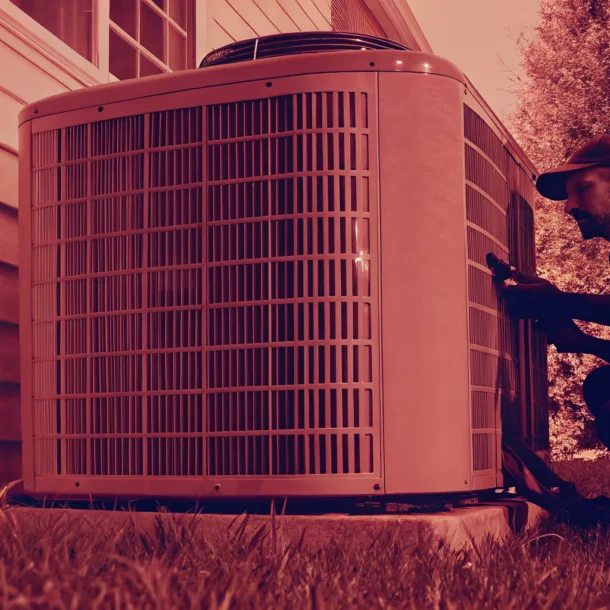
Calling a professional does more than just get your heat working again. A proper repair can improve your system’s efficiency, lower your energy bills, and extend the life of your heater. For those of us in the Dallas Fort Worth area, having a reliable team on call is essential. Regular maintenance can prevent unexpected breakdowns during a cold snap. If your system is a heat pump, scheduling an expert heat pump repair and maintenance visit can keep it running smoothly year-round. And if it turns out that a repair isn’t the most cost-effective option, a trusted technician can walk you through a new heating installation and replacement to find a long-term solution for your home.
I use a couple of space heaters to get through the winter. When should I consider a whole-home system instead? If you find yourself constantly moving space heaters from room to room or worrying about tripping a circuit breaker, it might be time to think about an upgrade. While portable heaters are great for a little extra warmth, relying on them to heat your whole house can lead to high electricity bills and inconsistent temperatures. A professionally installed central heating system or a heat pump provides even, reliable warmth everywhere in your home. It’s a long-term investment in your comfort that is often more efficient and cost-effective than juggling multiple small heaters.
Are portable electric heaters really safe to use, especially with kids and pets around? Modern portable heaters are much safer than older models, especially when you choose one with built-in features like a tip-over switch and overheat protection. The key is to use them correctly. Always follow the “three-foot rule” by keeping the heater at least three feet away from flammable items like curtains, bedding, and furniture. It’s also important to plug it directly into a wall outlet, not an extension cord. For ultimate peace of mind, a central heating system is an inherently safer choice because all the heating components are installed out of the way, with no hot surfaces or cords in your living space.
Which type of heater is the most energy-efficient? The answer really depends on what you need to heat. For a small, enclosed room, an energy-conscious portable model like an oil-filled radiator can be quite effective. However, when you look at the big picture of heating your entire home, a heat pump is one of the most efficient systems you can choose. Instead of burning fuel to create heat, it cleverly moves existing heat from the outside air into your home. This process uses significantly less energy. A modern, high-efficiency furnace is also an excellent choice for powerful and cost-effective warmth.
My heater seems to be working okay. Do I really need to schedule a professional maintenance check every year? Yes, you really do. Thinking of a heater as a “set it and forget it” appliance is one of the most common and costly mistakes a homeowner can make. Just like your car needs regular oil changes to run well, your heating system needs an annual tune-up. A professional check-up ensures all the components are clean and working correctly, which helps the system run more efficiently and lowers your energy bills. More importantly, it allows a technician to catch small issues before they turn into a major breakdown on the coldest night of the year.
I’m on a tight budget. Is it better to buy a cheap space heater or save up for a better system? It’s tempting to go for the lowest upfront cost, but that doesn’t always equal the best value. A cheap, inefficient space heater can drive up your monthly electricity bill, costing you more in the long run. When thinking about value, it helps to consider the total cost of ownership, which includes the purchase price plus the ongoing energy and maintenance costs. Investing in a high-quality, energy-efficient central heating system may have a higher initial cost, but it pays you back over time with lower utility bills and reliable performance for years to come.