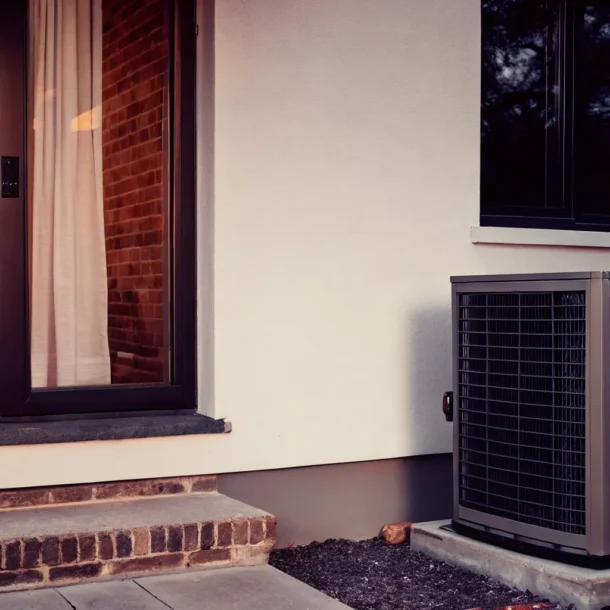

Replacing an old air conditioner in the Dallas area requires knowing the latest efficiency standards. Federal rules changed how cooling efficiency is tested in 2023. You need the facts to make a smart choice for your home and budget.
The SEER2 rating Texas homeowners see on new AC units measures seasonal cooling efficiency under updated federal test conditions. It replaced the older SEER metric in 2023. Texas is in the Southeast region. Split-system air conditioners below 45,000 Btu/h must meet 14.3 SEER2, while larger split systems must meet 13.8 SEER2. Split-system heat pumps must meet 14.3 SEER2 nationally. A higher rating indicates greater tested efficiency, but actual energy use depends on sizing, installation, ducts, weather, and household habits. Garland Heating and Air Conditioning can help you compare properly matched systems for your home and budget.
Homeowners in the DFW area often feel confused by all the different terms used in the HVAC industry. Start with these SEER2 rating Texas definitions, then use the comparison and quote checklist below to evaluate your options.
The U.S. Department of Energy (DOE) set the SEER2 rating system into place on January 1, 2023. This metric stands for Seasonal Energy Efficiency Ratio 2. It tracks how well an air conditioner cools your home over a full summer season. For Texas homeowners, this number helps you know which units meet local laws and how much power they use.
The main goal of SEER2 is to show real-world performance. Older SEER tests did not always account for the air pressure found in home ductwork. The DOE changed the test methods to better reflect how units work in a real house. A higher number means the unit is more efficient. Choosing a high rating is a smart move for understanding efficiency in new HVAC systems during the hot Texas summers.
Buying a unit with a strong rating can lead to lower power costs. The DOE notes that new units meeting these standards can save you money on your monthly bills. It is also a legal must for local HVAC teams to only install units that hit these regional marks. Our team at Garland Heating and Air Conditioning has helped North Texas stay cool since 1952 by using these clear standards.
You may also see HSPF2 and EER2 when you look at new units. HSPF2 tracks how well a heat pump works in the winter. It stands for the Heating Seasonal Performance Factor 2. If you are looking for a year-round tool, you should check the SEER2 efficiency ratings for heat pumps to see the full picture of your potential savings.
EER2 is slightly different because it measures efficiency at a fixed high heat. It does not account for the whole season, just a single peak point. While SEER2 is the standard for Texas home cooling, EER2 can show how a unit handles our hottest July days. Both numbers help you find a system that fits your home size and needs.
A good SEER2 rating does not guarantee low bills on its own. The rating shows what the unit can do in a lab, but your home is different. Factors like attic insulation, duct leaks, and window seals all change how hard your AC must work. You need a pro to size and set up the system to get the best results.
Proper sizing is vital to reaching the performance goals listed on the yellow label. If a unit is too big or too small, it will cycle too much or run too long. This wastes power and puts stress on the parts. Working with a local expert helps ensure your new system lives up to its rating for years to come.
The SEER2 system is a new way to measure how much power an AC unit uses. It took the place of the old SEER rating on January 1, 2023. While the names look the same, they come from tests that are not the same. The U.S. made SEER2 to show how units work in real homes. It helps you see how much you might save on your light bill each month. These rules have been around in some form since 1992 to help cut power waste.
Before this change, tests did not always match the way homes are built today. The goal of the new mark is to be clear. It gives a better idea of how well a system cools a home during a hot Texas summer. High SEER2 ratings mean good power use and more savings for you. When you look at new units, keep in mind that these two marks are not the same thing.
The big change is how labs test each unit. Old tests did not look at the air pressure in home ducts. This made units look better in the lab than in a real house. In a real home, ducts create a drag that makes the fan work harder. SEER2 tests now use more air pressure to mimic this drag. This change makes the scores match what you will see in your own home once the unit is set up.
This new test method was made to solve an old problem. Many people found that their new units did not save as much power as the old lab tests claimed. By raising the pressure in the test, the DOE can now give a more honest score. This helps you pick the right unit for your needs. It also ensures that understanding efficiency in new HVAC systems is easier for all.
Because the new test is harder, most SEER2 scores look lower than old SEER scores. A unit with a 14 SEER score might now have a 13.4 SEER2 score. The unit is not worse. It is just being judged by a tougher set of rules. Think of it like a harder test in school. Even if the grade is lower, the person is still just as smart. The new test simply shows a truer picture of how the unit uses power.
| Comparison point. | SEER, older metric. | SEER2, current metric. |
|---|---|---|
| Effective January. | Used before 2023. | Used since 2023. |
| External static pressure. | Lower test pressure. | Higher test pressure. |
| What it indicates. | Seasonal cooling efficiency. | Seasonal cooling efficiency under updated conditions. |
| Can numbers be compared directly? | No. It used the older procedure. | No. It uses the updated procedure. |
For the SEER2 rating in Texas, the rules are firm. Texas is part of the South area. We must follow higher rules than the North because of our heat. The U.S. is split into areas based on how much heat and cold they get. Since we have very hot days, our units must work harder to save power. This helps keep the power grid safe and your costs low.
When you shop for a new unit in Dallas or Fort Worth, ask the contractor to confirm that the complete matched system meets the applicable regional standard. You should also check SEER2 efficiency ratings for heat pumps if you want a system that both heats and cools. Choosing the right unit is a big step for your home’s comfort.
Texas homeowners must follow specific federal rules for their home cooling systems. On January 1, 2023, the U.S. Department of Energy (DOE) started the SEER2 rating system. This new system took the place of the old SEER metric. It gives a better look at how units work in real homes. Texas sits in the South region of the United States. This means our state has some of the strictest rules for new cooling gear in the country. If you are understanding efficiency in new HVAC systems, you must know how these ratings work in our local heat.
The DOE splits the country into zones based on the local weather. They use a measure called Heating Degree Days (HDD) to set these regions. States with fewer than 5,000 HDD fall into the South region. Since Texas deals with long, hot summers, it is part of this group. The regional approach started in 2015. It makes sure that cooling gear can handle the high heat of a Texas summer. These rules ensure that the units we use in Dallas are built for our needs rather than a cold northern climate.
It is now a legal matter for both pros and homeowners. In the South and Southwest zones, it is illegal for a pro to install a unit that does not meet the SEER2 floor. These rules apply to all new installs and full system swaps. If you need a new unit for your home, it must hit the minimum SEER2 rating for our zone. This law saves power and stops you from buying old gear that costs more to run over time.
The federal rules treat air conditioners and heat pumps differently. In the Southeast region, split-system air conditioners below 45,000 Btu/h must meet 14.3 SEER2. Split-system air conditioners at or above 45,000 Btu/h must meet 13.8 SEER2. These capacity-based thresholds make it important to compare the exact matched system on each quote.
Split-system heat pumps must meet a national minimum of 14.3 SEER2 and 7.5 HSPF2. A heat pump moves heat to provide both cooling and heating. You can review our guide to heat pumps to see whether this type of system may fit your Texas home.
Finding the right SEER2 rating for your Texas home is about more than just a number on a box. To get the best results, you need a unit that is the right size and has a professional setup. This is why working with a local team is so important. Since 1952, Garland Heating and Air Conditioning has helped Dallas-Fort Worth homeowners compare systems that fit both codes and budgets.
New units that meet these rules are built to help you save on power. The DOE notes that a central air unit meeting the new standards can save you money through lower utility bills. But you must verify the matched gear with your pro before you buy. A mix of different brands or old and new parts might not meet the legal code for SEER2. Read the official DOE standards FAQ for latest updates to make a smart choice for your home comfort.
Most families in Dallas want to save money on power. In a place as hot as Texas, air conditioning is a must. Since the Department of Energy set new SEER2 rules in 2023, many ask if they should buy the highest rating. A higher SEER2 rating means the unit uses less power. But the best choice depends on more than just one number. You must look at your budget, your house, and how long you plan to stay. Finding the right fit is key to knowing efficiency in new HVAC systems.
The main reason to pick a high SEER2 unit is to save on power. Units with high ratings use smart tech to cool your home with less waste. This is good for your wallet over time. But you have to think about the start cost. A unit with a very high rating can cost much more than a base model. If you only plan to stay in your home for a few years, you might not save enough to cover that extra cost. We call this the payback time. Some things to think about include:
For many families, a mid-range SEER2 rating offers the best value. It gives you good savings without a huge price at the start. You should also check for local deals that can help lower the price of high-efficiency models. At Garland Heating and Air Conditioning, we have helped local folks find this balance since 1952.
Efficiency is about more than just your light bill. High SEER2 units often have better ways to handle the air in your home. Many use two-stage or variable-speed parts that can run at a low speed for a long time. This is very helpful for SEER2 efficiency ratings for heat pumps and standard air units. When a unit runs longer at a low speed, it does a better job of pulling water out of the air. This helps keep your home from feeling sticky and damp on a hot day.
If your home always feels damp, a high-SEER2 unit might be a great choice. It can keep the air moving and keep the humidity low. This makes your home feel cooler even at a higher heat. You might find that you can set your wall control a few degrees higher and still feel great. Think about how your home feels now before you decide which rating you need. We can help you find a unit that fits your comfort needs and your budget.
Even the best air unit cannot do its job if your house has leaks. Your SEER2 rating is a measure of what the unit can do in a lab. Real-world results are different. If your attic has leaks or your windows are old, a high-efficiency unit will still have to work too hard. The most common problem we see in Dallas is bad ductwork. If your ducts are too small or have big holes, they will waste the cool air. Proper sizing and setup are the only ways to reach the true power of your new system.
Before you spend more on a high-SEER2 unit, look at the rest of your home. It might be better to fix your ducts or add more wall padding. A tight home with a mid-range unit often stays cooler than a leaky home with a top-tier unit. Our team can look at your whole house to see where you are losing air. Getting the right size for your home is also vital. A unit that is too big will turn on and off too much. This wastes power and wears out the parts fast.
Comparing HVAC quotes in Texas can feel like a big task. The SEER2 rating system changed how we measure unit power use in 2023. These new scores help you know how a system will work in a real home. You should check each quote to see if it meets the SEER2 rating Texas needs for our hot climate. Higher SEER2 scores show better power use for central air units.
A good quote must start with a Manual J load check. This math looks at the size of your home, your windows, and your insulation. It tells the tech exactly how much cooling power you need. If a contractor just guesses the size, the system may not keep you cool. Proper sizing is the first step to understanding efficiency in a new unit.
A new AC unit is more than just an outdoor box. To get the best results, you must have matched indoor and outdoor parts. If the parts do not match, the unit might not reach its full SEER2 score. Garland Heating and Air Conditioning has served DFW homes since 1952. We know that a full system match is the only way to get the savings you expect from a new unit.
Matching the indoor evaporator coil with the outdoor condenser is vital. If a quote suggests using your old indoor coil, you should ask why. An old coil may not be able to handle the pressure of new refrigerants. This could lead to leaks or a total system failure within just a few years. A fully matched system ensures your SEER2 rating is right and your factory warranty stays valid.
You should also look for AHRI data on each quote. This paper gives proof that the indoor and outdoor parts will work well together. The Department of Energy sets strict rules for these tests. Without this proof, you cannot be sure about the real SEER2 score of the system. This data also helps you get any local rebates or tax credits that might be open to you.
Follow these steps to find the right deal for your home:
The lowest price on a quote is often not the best deal. A cheap setup can lead to high power bills or early break downs. When you check quotes, look at the warranty terms for both parts and labor. High SEER2 units often come with better tech that lasts longer and runs with less noise. Choosing a high-efficiency unit now can save you a lot of money over the next ten years.
Think about how much you will pay for power each month. A system with a high SEER2 efficiency rating uses less energy to do the same job. This lowers your utility bills during the peak of the Texas summer. Make sure you compare the total cost of owning the unit, not just the price to buy it today. A good setup is key to making sure the system hits its promised goals.
Buying a new HVAC unit is a big step for any homeowner in North Texas. You want to be sure your new system keeps you cool during hot Dallas summers. Before you say yes to a quote, you should know what to expect. A good pro will look at your whole house, not just your old unit. This helps them find the best fit for your home and your budget.
The SEER2 rating system began on January 1, 2023. This new scale shows how well a system works in real homes. In Texas, there are strict rules about which units a pro can set up. Ask your team about the SEER2 rating Texas requires for your house. They should show you how a high rating leads to better use of power and lower monthly bills.
You must have the right size unit to get the best results. A system that is too big or too small will not work well. It may also cost you more to run each month. Professional sizing and set up are key to achieving expected SEER2 performance in your home. Ask if the team will do a load check. This looks at your home size, windows, and walls to find the best match for your needs.
Before you sign, ask what the quote covers. Some may only cover the main unit. Others might include new vents or tools to control the heat. It is also good to know if they will take your old unit away. When you are understanding efficiency in new HVAC systems, ask about plans for care. Regular checkups help your new unit last longer and keep your home cool for many years.
Most homes use a split system, but you may have other choices. Some people like mini-split units for certain rooms. These systems also fall under the new DOE standards for efficiency because of how they are built. Ask your pro which type of system is best for your layout. They can help you pick a unit that keeps every room at the right feel all year long.
Texas is in the southern region. New air conditioners must meet a minimum rating of 14.3 SEER2 for split systems. This rule from the Department of Energy began on January 1, 2023. These standards help make sure that new units use less energy. Higher ratings are also sold and can offer even better results and lower costs.
SEER2 is a new way to measure how well an air conditioner works. The Department of Energy made this system to better match how units run in real homes. Old SEER tests did not account for the high pressure found in ductwork. SEER2 tests use more pressure to give a more accurate look at energy use. This change helps you make a better choice for your home.
Yes. A higher rating means the system is more efficient. According to the Department of Energy, units that meet the new standards will save you money through lower utility bills. While a high-efficiency system may cost more at first, it uses less power over time. This helps reduce the amount you pay for cooling each month, especially during the hot Texas summer.
It is illegal for an HVAC contractor to install a system that does not meet the standards for your area. Texas homeowners must use units that meet the southern regional rules set by the Department of Energy. These laws make sure that all new air conditioners help save energy. You can still use your current unit if it works, but any new system must meet these rules.
Heat pumps must also meet new rules in Texas. For split system heat pumps, the minimum rating is 14.3 SEER2 and 7.5 HSPF2. The Department of Energy set these levels to improve heating and cooling efficiency. Like air conditioners, heat pumps that meet these rules help lower energy use. A local expert can help you find a heat pump that meets these standards for your home.
Old units use lots of power and may stop working when the Texas heat is at its worst. If you wait until July, you could face long wait times while your home stays hot. Acting now lets you pick a unit that saves power before the peak heat starts. This helps you beat the rush and lower your monthly bills right away. A new SEER2 system keeps your family cool and prevents a break that leaves you in a bind. We will help you find a model that fits your home size and your budget. Do not let an old unit drain your bank account or leave you sweating.
Ready to request? Book your visit now to get a free quote.