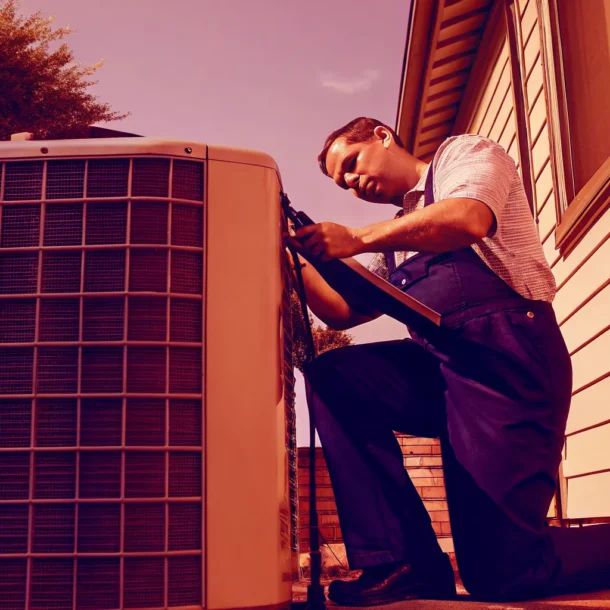
We all love a good DIY project, but your home’s cooling system is one area where it’s best to know your limits. While you can and should change your air filters regularly, many AC issues require specialized knowledge and tools. Attempting to fix electrical components or handle refrigerants without proper training is not only dangerous but can also cause more expensive damage and void your warranty. Knowing when to step back and call a professional air conditioner repair technician is the smartest move you can make. It ensures the problem is fixed safely and effectively, protecting both your system and your family.
When your air conditioner stops working, it’s easy to imagine the worst. But a professional technician’s job is a systematic process of diagnosis, repair, and testing. They do much more than just patch up a problem; they restore your home’s comfort system with expertise and precision. Understanding what a qualified tech does during a service call can give you peace of mind and help you see the value in their work. From complex diagnostics to handling regulated materials, their role is critical in keeping your system running safely and efficiently.
A technician’s first and most important job is to act as a detective for your HVAC system. Instead of guessing, they use specialized tools and a deep understanding of how AC units work to find the exact source of the issue. This process involves checking for common culprits like refrigerant leaks, faulty electrical connections, or a broken compressor. They’ll also investigate symptoms you’ve noticed, such as hot air blowing from vents or uneven temperatures throughout your home. By accurately diagnosing the root cause, they ensure the AC repairs and maintenance they perform will be a lasting solution, not just a temporary fix.
Handling refrigerant is a serious task that requires specific training and certification. This chemical is what cools the air in your system, but it can be harmful to the environment if released. That’s why technicians must be certified by the EPA under Section 609 of the Clean Air Act to handle it. This certification ensures they know how to properly recover, recycle, and recharge refrigerant without risk. When a Garland technician works on your system, you can trust they are following strict federal guidelines to protect both your family’s health and the environment, demonstrating a commitment to professional and responsible service.
Once the problem is identified, the next step is the hands-on repair. A professional technician arrives with a service vehicle stocked with the most common replacement parts, like capacitors, fan motors, and contactors. This preparation means they can often fix the issue in a single visit, saving you time and getting your cool air back on faster. If a major component has failed, they will explain your options clearly. Sometimes, a simple part replacement is all that’s needed. In other cases, it might make more sense to consider a new AC installation, especially if your unit is older and requires frequent repairs.
Beyond emergency repairs, a technician’s work includes preventative maintenance to keep your system in top shape. During a tune-up, they perform a comprehensive inspection and cleaning. This includes cleaning the indoor and outdoor coils, checking electrical connections for safety, lubricating moving parts to reduce friction, and testing the system’s overall performance. Regular maintenance helps your AC run more efficiently, lowers your energy bills, and catches small issues before they become major, expensive problems. Think of it as an annual check-up for your home’s most important appliance, ensuring it’s ready to handle the Texas heat.
It’s easy to ignore small issues with your air conditioner, hoping they’ll just go away. But often, those little annoyances are symptoms of a bigger problem brewing inside your system. From air that isn’t quite cold enough to strange sounds in the night, many common AC troubles are signals that it’s time to call in a professional. A trained technician can quickly diagnose the root cause, preventing a minor inconvenience from turning into a major, expensive breakdown. Ignoring these signs can lead to more damage and even a full system failure, especially during a hot Texas summer when you rely on your AC the most.
Think of it like a check engine light in your car. You wouldn’t just keep driving for months without getting it checked, right? The same logic applies to your home’s cooling system. Addressing problems early not only saves you from the discomfort of a broken AC but can also save you a lot of money on more extensive repairs down the line. Let’s walk through some of the most frequent issues that are clear signs you need an expert’s help.
When you crank up the AC on a sweltering Dallas day, the last thing you want is a weak, lukewarm breeze from your vents. If the air isn’t as strong or cold as it used to be, it’s a clear sign something is wrong. This problem can stem from several sources, like a struggling compressor, low refrigerant levels, or even leaky ductwork hidden in your walls or attic. While a clogged filter can sometimes be the culprit (and is an easy fix!), persistent weak or warm airflow points to a more complex issue. A professional can perform the right diagnostics to pinpoint the exact cause and get your home cool and comfortable again.
Your air conditioner should operate relatively quietly. If you start hearing grinding, squealing, hissing, or loud banging sounds, it’s your system’s way of crying for help. These noises often indicate mechanical problems, like a failing motor or a loose part, that can cause significant damage if ignored. Similarly, strange odors are a red flag. A musty smell could mean mold is growing in your unit or ductwork, while a burning smell might signal an electrical issue. Don’t just get used to the new sounds and smells; have a technician investigate to ensure your system is running safely.
Finding a puddle of water around your indoor AC unit is never a good sign. This usually means you have a clogged condensate drain line, which can lead to water damage and mold growth in your home. Another issue to watch for is constant cycling, where your AC turns on and off every few minutes. This not only drives up your energy bills but also puts excessive wear and tear on the system. Both water leaks and frequent cycling can be signs of serious problems, including low refrigerant or an oversized unit, that require professional AC repairs and maintenance service.
Your monthly energy bill is a good indicator of your AC’s health. If you notice a sudden, unexplained spike in your electricity costs, your air conditioner is likely the cause. This happens when the system has to work much harder to cool your home due to an underlying issue. It could be anything from a refrigerant leak to a failing component or dirty coils. An inefficient AC doesn’t just cost you money; it’s also a sign that the system is under stress and may be heading for a breakdown. A technician can identify the source of the inefficiency and restore its performance.
While we all love a good DIY project, your air conditioner is one area where it’s best to leave repairs to the experts. Sure, you can and should change your air filters regularly. However, tasks involving electrical components, refrigerant handling, or taking apart the unit itself are not for amateurs. Attempting these repairs without proper training and tools can be dangerous, void your warranty, and often lead to even more expensive damage. If basic troubleshooting doesn’t solve the problem, your next step should always be to call a qualified technician for a safe and effective fix.
It can be tempting to ignore a minor AC issue, hoping it will resolve itself. But some problems are more than just a nuisance; they’re your system’s way of telling you it needs help. Knowing which signs are urgent and when to call a professional can save you from a sweltering home and a much bigger repair bill down the road.
Some AC problems are clear emergencies that require immediate attention. If you notice strange, persistent noises like grinding, squealing, or clanking, don’t wait. Foul odors, especially a burning smell, are another major red flag. You should also call for help if you feel weak airflow or warm air coming from your vents, as your system isn’t cooling your home effectively. Other urgent signs include a sudden, unexplained spike in your electricity bill, a unit that won’t power on at all, or excessive moisture building up inside your home. These symptoms point to a serious issue that needs a professional diagnosis from an AC repair and maintenance service.
It’s tough to know if an issue can wait a few days or if it needs immediate service. Generally, if your system is still cooling your home but just seems a little “off,” you might have some time. However, symptoms like warm air, weak airflow, and water leaks are signs that your system is struggling. Another issue to watch for is frequent cycling, where the AC turns on and off more often than usual. While these problems might not feel like a five-alarm fire, they won’t fix themselves. Ignoring them often leads to more significant damage and a complete system breakdown, usually on the hottest day of the year. It’s always better to be proactive and schedule a repair.
When your air conditioner starts having frequent issues, you’ll face the classic dilemma: should you repair it again or replace it entirely? If your system is older (typically over 10-15 years) or needs constant, costly repairs, a replacement might be the more financially sound choice in the long run. A new, energy-efficient unit can lower your monthly bills and provide more reliable comfort. A qualified technician can inspect your current system and give you an honest assessment. They’ll help you weigh the cost of the repair against the long-term benefits of a new AC installation and replacement, so you can make an informed decision for your home and budget.
When your air conditioner gives out in the middle of a Texas summer, your first instinct is to call the first number you find. But taking a few extra minutes to vet your technician can save you from shoddy work, repeat visits, and even bigger bills down the road. A truly qualified AC technician brings more than just a toolbox; they bring expertise, safety training, and the credentials to prove it. Think of it as hiring any other professional, you want someone who has the right qualifications for the job.
Finding a great tech means you can trust that the diagnosis is accurate and the repair will last. It’s about peace of mind. A certified and licensed professional understands the complex inner workings of your system, from electrical components to refrigerant management. They know how to work safely and efficiently, protecting both your home and your equipment. So, what exactly should you be looking for? Key indicators of a pro include specific certifications, state licensing, proper insurance, and ongoing training with leading manufacturers. These aren’t just nice-to-haves; they are the hallmarks of a technician you can rely on for your AC repairs and maintenance service.
First things first, let’s talk about certifications. Two of the most important ones are from the EPA and NATE. The EPA (Environmental Protection Agency) certification is a legal requirement for any technician who handles refrigerants. This is crucial because refrigerants can be harmful to the environment if released improperly. An EPA-certified tech has been trained to handle these substances safely, which protects both the planet and your system.
Then there’s NATE certification. NATE, or North American Technician Excellence, is considered the gold standard in the HVAC industry. While it’s not legally required, it’s a sign that a technician has voluntarily put their skills to the test and passed rigorous exams. A NATE-certified technician has proven real-world knowledge of HVAC systems, so you know you’re getting someone at the top of their field.
Here in Texas, we have specific rules for HVAC professionals. The Texas Department of Licensing and Regulation (TDLR) oversees the industry to ensure technicians are qualified to work in your home. A technician must be registered or certified with the state, which typically requires proving they have at least 24 months of relevant work experience under the supervision of a licensed contractor.
This isn’t just red tape; it’s a layer of protection for you. It ensures the person working on your AC has legitimate, hands-on experience and isn’t just learning on the job at your expense. Before hiring anyone, you can and should verify their license on the TDLR website. A reputable company will always have its license number readily available.
This one is a non-negotiable. Any AC repair company you hire must have proper insurance, including both general liability and worker’s compensation. General liability insurance protects your property in the unlikely event that something gets damaged during the repair. Worker’s compensation covers the technician if they get injured while on your property, so you aren’t held liable.
Don’t be shy about asking for proof of insurance before any work begins. A professional company will gladly provide it. This, along with their state license and certifications, forms the core credentials that separate the pros from the amateurs. When a company is transparent about these qualifications, it’s a strong signal that they stand behind their work and prioritize your safety and satisfaction.
Air conditioning technology is constantly improving, with new models becoming more efficient and complex every year. That’s why ongoing training is so important. The best technicians receive regular training directly from the manufacturers of the equipment they service, like Trane, Carrier, and Lennox. This specialized knowledge ensures they understand the unique details of your specific system.
Whether you need a simple fix or a new AC installation, a tech with manufacturer training can perform the work to the brand’s exact standards. This not only leads to better performance and efficiency but can also be critical for keeping your manufacturer’s warranty valid. It shows a commitment to quality that goes beyond the basics.
When your AC gives out, one of the first questions that comes to mind is, “How much is this going to cost?” It’s a fair question, and the answer depends on a few different things. In the Dallas-Fort Worth area, repair costs can vary, but understanding the typical price ranges and the factors that influence them can help you feel more prepared when you call for service. A transparent technician will always walk you through the pricing before starting any work, so you know exactly what to expect.
Let’s talk numbers. For most common AC issues in the DFW metroplex, you can generally expect a repair to cost between $350 and $1,500. Of course, this is a wide range. A simple fix, like replacing a faulty capacitor, might be on the lower end, sometimes starting around $150. On the other hand, a major system failure, such as a dead compressor or a leaking evaporator coil, can be much more involved and cost upwards of $3,500. The average homeowner often finds their bill lands somewhere between $350 and $650 for a standard AC repair and maintenance service. Knowing these ballpark figures can help you spot a fair quote.
So, what makes one repair cost $200 and another $2,000? It really comes down to a few key factors. The specific part that failed is the biggest one; replacing a small electrical component is much less expensive than swapping out the compressor, which is the heart of your AC system. The age and overall condition of your unit also play a big role. Parts for older systems can be harder to find, which can drive up the price. If your unit is over 10-15 years old and needs a major fix, it might be time to weigh the cost of the repair against a new AC installation and replacement. Finally, labor costs and parts availability, especially during a sweltering Texas summer, can affect the final price.
When your air conditioner gives out in the middle of a Texas summer, the first company you call might seem like the right one. But taking a few extra minutes to vet your options can save you from headaches, surprise costs, and shoddy work. Finding a reliable partner for your home’s comfort system is about more than just a quick fix; it’s about trust and peace of mind. A great company will be transparent, qualified, and ready to stand by their work. Here are the key things to look for when you’re choosing an AC repair company in the Dallas-Fort Worth area.
Before you let a technician into your home, you need to confirm they have the right credentials. In Texas, HVAC contractors are required to be licensed by the Texas Department of Licensing and Regulation (TDLR). This isn’t just red tape; it shows they meet state standards for knowledge and safety. You should also ask for proof of insurance. Liability insurance protects your property in case of accidental damage during the repair, while workers’ compensation covers the technicians if they get injured on the job. A reputable company will have no problem providing this information because it protects you and them.
A company’s reputation is built one customer at a time. Start by looking up online reviews on sites like Google and Yelp to see what past clients are saying. Look for patterns in the feedback. Are customers consistently praising their professionalism, timeliness, and fair pricing? A long history of positive reviews is a great sign. You can also check their standing with the Better Business Bureau. A company that has served the local community for decades often has a proven track record of reliability and quality service, which is a strong indicator you can trust them with your home.
A trustworthy company is upfront about costs and confident in its work. Always ask for a written estimate before agreeing to any repairs, and make sure it details the costs for parts and labor. Be wary of any company that gives you a vague quote over the phone without inspecting the unit first. It’s also important to ask about their guarantees. Do they offer a warranty on their repair work? A company that provides a satisfaction guarantee or a warranty on their AC repairs shows that they stand behind the quality of their service and are committed to getting the job done right.
AC emergencies rarely happen at a convenient time. That’s why it’s smart to find a company that offers emergency services, including on nights and weekends. Knowing you have someone to call during a heatwave can provide incredible peace of mind. Beyond urgent repairs, ask if they offer preventative maintenance plans. Regular tune-ups are the best way to keep your system running efficiently, catch small problems before they become big ones, and extend the life of your unit. A good maintenance plan is a sign that a company is interested in a long-term partnership, not just a one-time fix.
As a homeowner, the last thing you want is a broken air conditioner in the middle of a Texas summer. While some issues require a professional, you can handle a few simple maintenance tasks yourself to keep your system running smoothly and prevent expensive emergency calls. Think of it as a little preventative care for one of your home’s most important appliances. Taking these small steps can make a huge difference in your AC’s performance, lifespan, and impact on your energy bills.
This is one of the easiest and most effective things you can do for your AC. A dirty, clogged air filter restricts airflow, forcing your system to work much harder to cool your home. This extra strain not only drives up your energy costs but can also lead to premature wear and tear on the components. Regularly checking and changing your air filters is a simple habit that can significantly improve your unit’s efficiency. I recommend checking your filter monthly and replacing it every one to three months, depending on your home’s air quality and whether you have pets.
Your outdoor AC unit, or condenser, works by releasing heat from your home into the outside air. For it to do its job effectively, it needs clear airflow. Over time, leaves, grass clippings, dirt, and other debris can accumulate on the unit and its delicate fins, blocking air and trapping heat. This reduces efficiency and can cause the system to overheat. At least twice a year, make sure to clear away any debris from around the unit. You can also gently rinse the exterior with a garden hose to wash away built-up grime, but always turn off the power to the unit at the breaker box first.
While DIY tasks are helpful, they don’t replace the need for an annual professional tune-up. A certified technician can perform a comprehensive inspection that goes far beyond changing a filter. They will check refrigerant levels, test electrical components, clean internal parts, and identify potential problems before they turn into major breakdowns. Scheduling routine AC repairs and maintenance service is the best way to ensure your system is safe, efficient, and ready for the season ahead. Think of it as an investment that pays for itself in energy savings and peace of mind.
When it’s time for that professional tune-up or an unexpected repair, you need an HVAC company you can rely on. Building a relationship with a trusted local provider means you have someone to call who already knows your system and your home. Look for a company with a long history of service in the Dallas-Fort Worth area and technicians who are properly licensed and certified. A great technician will not only fix the immediate issue but also offer valuable advice on how to keep your system in top shape, helping you avoid future AC repairs and get the most out of your investment.
How do I know if I should repair my AC or just replace it? This is a tough decision, but a good rule of thumb is to consider the age of your unit and the cost of the repair. If your air conditioner is over 10 years old and needs frequent, expensive fixes, replacement is often the smarter long-term investment. Many technicians also suggest following the 50% rule: if a repair costs half as much as a new system, it’s usually time to upgrade. A new, energy-efficient unit will be more reliable and can lower your monthly electricity bills, saving you money over time.
Can I get an exact price for my AC repair over the phone? It’s best to be cautious of any company that gives you a firm price without seeing the unit first. Since so many different things can cause an AC to fail, a qualified technician needs to perform a hands-on diagnosis to find the true source of the problem. Once they identify the issue, a professional will explain your options and provide a detailed, written estimate for the repair. This ensures you are paying for the correct fix and there are no surprises on the final bill.
What are the most important maintenance tasks I can do myself to prevent repairs? The two most effective things you can do are changing your air filter and keeping your outdoor unit clean. A clogged filter makes your system work much harder, which causes unnecessary strain and higher energy bills, so check it monthly. Your outdoor unit needs clear space around it to release heat, so make sure to clear away any leaves, grass, or other debris that might block airflow. These simple habits go a long way in keeping your system healthy.
What’s the biggest difference between hiring a professional company and an independent handyman? The biggest differences are qualifications and protection. A professional technician from a reputable company will be licensed by the state of Texas, certified by the EPA to handle refrigerant safely, and covered by both liability insurance and worker’s compensation. This means they have proven expertise and you are protected from financial risk if something goes wrong. Hiring an uncertified individual can void your system’s warranty and may leave you responsible for property damage or injuries.
My AC is making a weird noise, but it’s still cooling. Should I call for a repair right away? Yes, it’s always best to call sooner rather than later. Strange sounds like grinding, squealing, or banging are your system’s way of telling you something is wrong internally, often with a mechanical part. Even if it’s still producing cool air, ignoring the noise allows the problem to get worse. This can lead to a more complex and expensive repair, or even a complete system failure when you need it most. A quick inspection can often catch the issue while it’s still a relatively simple fix.